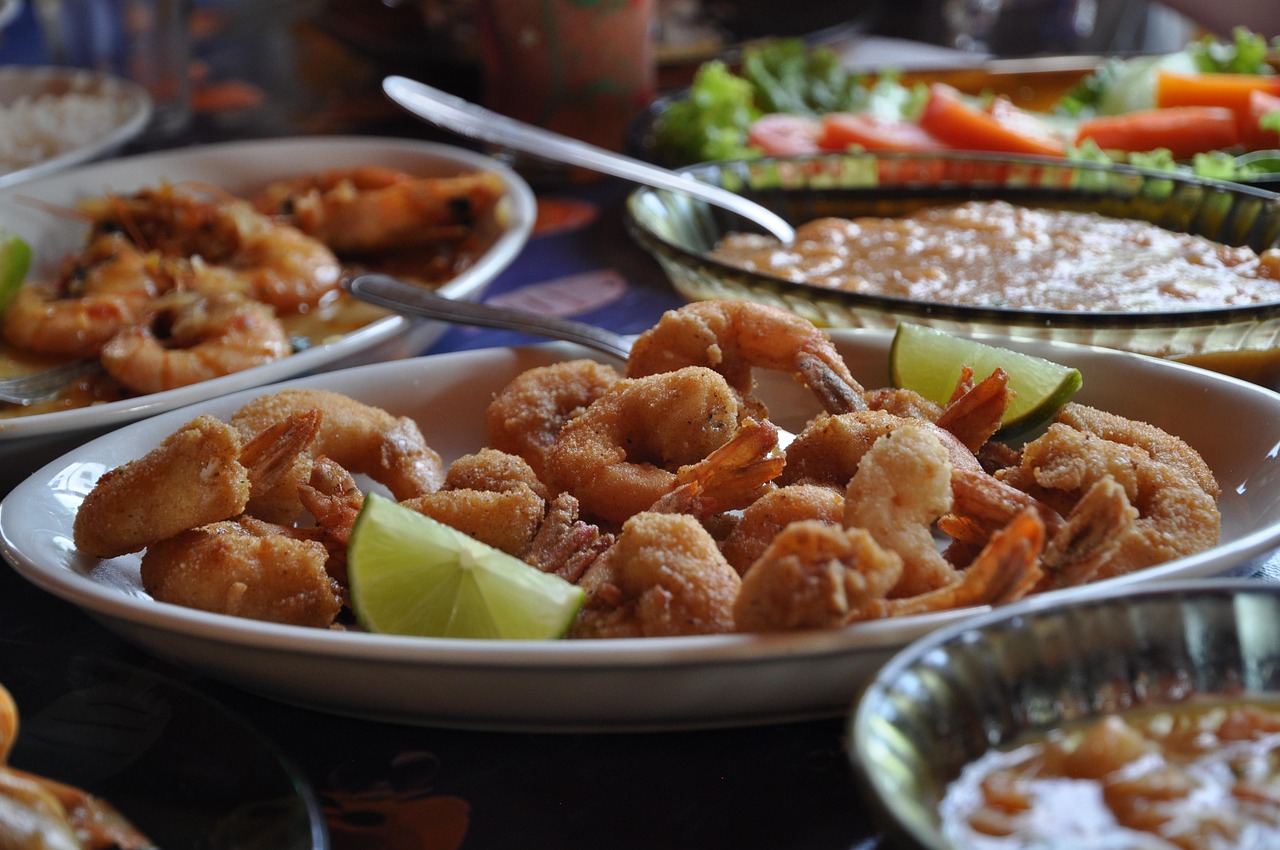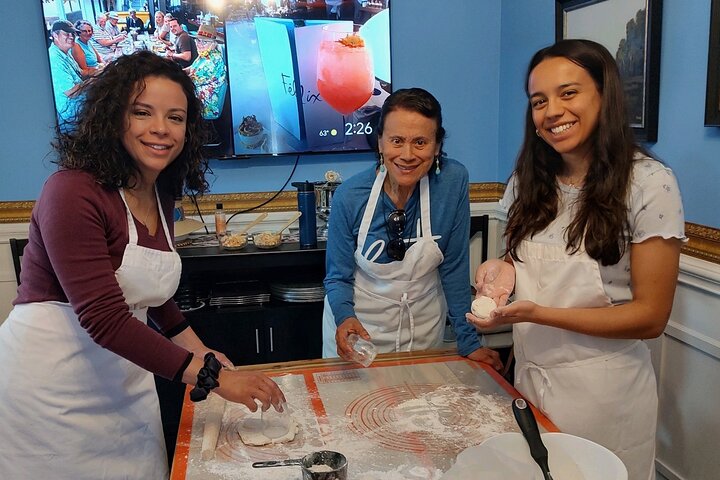
Charleston's food is among the most distinctive in America, a blend of West African, Caribbean, English and French influences shaped by the rice fields, the sea islands and the marsh. A cooking class turns that heritage from something you eat into something you understand. In a small group led by a local chef or cook, you work through a menu of regional dishes, learning technique along the way: how a roux is built, how to treat shrimp and stone-ground grits, what makes a pan sauce silky, and how Lowcountry cooks use rice, okra, tomatoes and seafood. The format is hands-on, so you chop, stir and season rather than watch. Classes end with a shared meal at the table, often with wine or tea in the Southern style, and the recipes go home with you so that the trip carries into your own kitchen. It is a fine rainy-day plan, a good group activity, and a pleasant counterpoint to the more formal walking and sightseeing tours that fill a Charleston itinerary.
The value of a class lies in the conversation as much as the cooking. Instructors tend to be local and happy to talk about where the ingredients come from, which restaurants they admire and how the city's food has changed. Ask about regional staples, from she-crab soup to benne seed cookies, and about the Gullah Geechee contributions that underpin the cuisine. If you have dietary needs, tell the organizer when you book, because menus are planned in advance and substitutions need notice.
It suits most groups. Couples enjoy the shared task, friends make it a social event, and families with older children find it an easy way to get them involved. Teams and celebrations use it as a bonding activity. Because the class is small, the experience feels personal, and the cooking is manageable even for those who rarely use a stove. Wear closed shoes and clothes that can handle a splash, and arrive hungry, because portions are generous.
Practical notes
Classes are held in the historic district or nearby, at scheduled times that vary by day and season, and advance reservations are needed. Check the duration, menu and any alcohol policy when you reserve, since details differ by session. A class works well in the late afternoon, so that dinner is the product of the lesson.
It pairs naturally with the farmers market on a Saturday morning or a food tour earlier in the stay, giving you a rounded picture of Lowcountry eating. If you are visiting in summer, the air-conditioned kitchen is a welcome break from the midday heat.
What to expect
The experience
A small-group, hands-on cooking class focused on Lowcountry dishes, finishing with a shared meal and recipes to take home.
Best time
Late afternoon so that the class becomes dinner; a good rainy-day or summer-heat option.
How long
Typically two to three hours; confirm the length for your session.
Tips
Tell the organizer about dietary needs when you book. Wear closed shoes. Arrive hungry.
Quick picks
- Best for
- Food lovers who want to learn the Lowcountry kitchen, not just eat in it.
- Families
- Works for older children who like to help in the kitchen.
- Couples
- A shared task and a shared meal make an easy, social evening.
- Pair with
- The Saturday farmers market in the morning, or a food tour earlier in the stay.
- Time needed
- An afternoon or evening.
Good questions
Do I need cooking experience?+
No. The class is hands-on and guided, and suits beginners as well as keen cooks.
What will we cook?+
Regional Lowcountry dishes. The exact menu depends on the session, so check the details when you reserve.
Can dietary needs be met?+
Often, with advance notice, because menus are planned ahead.
Do we eat what we make?+
Yes, classes usually end with a shared meal at the table.
Is it good in bad weather?+
Yes, it is indoors and air-conditioned, which makes it a good plan for rain or summer heat.