No account of Charleston is complete without the story of the people who were brought here in bondage and who built much of what visitors admire. A guided Black history walk follows that story through the streets of the peninsula, from the waterfront where enslaved Africans arrived to the markets, workshops and churches of the nineteenth century and the neighborhoods where free and enslaved Black Charlestonians lived and worked. The guide explains how the Lowcountry's rice economy depended on West African knowledge of growing and milling rice, how the Gullah Geechee language and foodways developed in relative isolation on the coast, and how the craftsmanship of Black ironworkers, masons, carpenters and basket makers shaped the architecture and the culture of the city. It is a sobering tour, and also one of the most rewarding, because it connects sites that would otherwise be isolated plaques into a single narrative that runs from the colonial era to the present.
The tone is direct. Guides on this kind of tour generally speak plainly about slavery, the domestic slave trade, the Denmark Vesey conspiracy and the Reconstruction and Jim Crow years, and they point out sites such as the historic slave auction district, former workhouses and the churches that have anchored Black community life for generations.
Visitors often say that the walk changes how they see the rest of the city, because the grand houses, the iron gates and the brickwork all look different once you know who made them. The route varies by operator, so read the description when you book, but expect a mix of outdoor stops and storytelling.
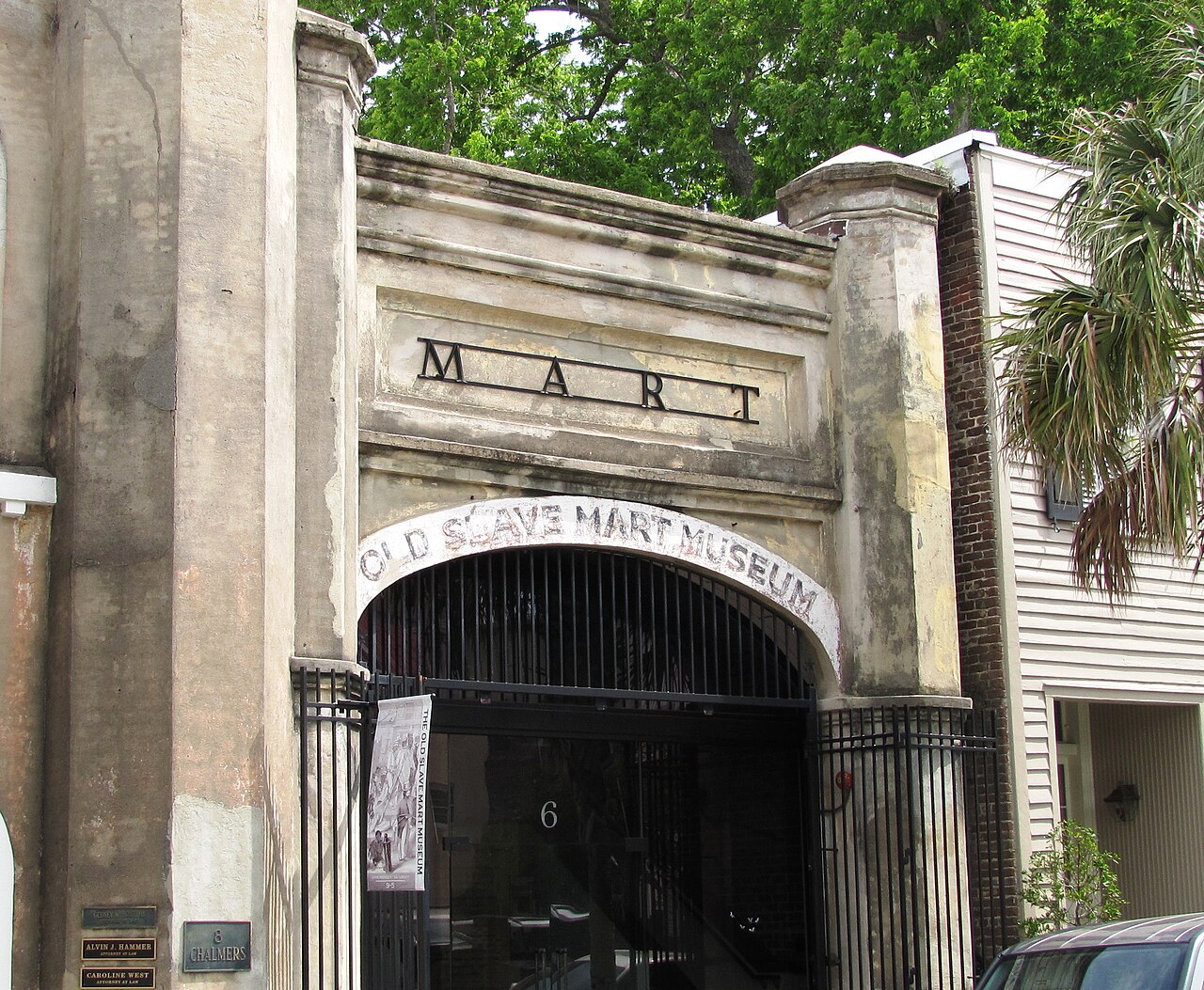
The tour pairs well with the museums that deal with the same history. The International African American Museum on the waterfront stands at the site of the former Gadsden's Wharf, where a large share of the enslaved Africans who reached North America first landed, and the Old Slave Mart Museum and the Aiken-Rhett House each add detail from different angles. Doing the walk first gives you the geography and the vocabulary; the museums then supply the documents, the objects and the personal stories.
A few practical notes help. The tour is on foot and mostly level, usually about two hours, and morning departures are cooler in summer. Wear comfortable shoes and carry water. The material is suitable for teenagers and thoughtful older children but is heavy, so parents of younger children should think about what is right for their family.
Questions are welcome, and guides generally appreciate them. Afterward, consider a meal of Lowcountry food, since the red rice, okra, benne and shrimp and grits on the menus all trace back to the kitchens and gardens of the people you have just been hearing about. A sweetgrass basket from a maker in the market is a respectful way to carry some of that heritage home.
What to expect
The experience
A guided walk on public streets with stops at sites tied to the Black history of Charleston, led by a local guide.
Best time
Morning, for cooler weather and fewer crowds. Evenings in summer are comfortable, but check the tour schedule.
How long
About two hours.
Tips
Come with an open mind and questions. Wear comfortable shoes and carry water. Pair the walk with a museum visit on another day for more depth.
Quick picks
- Best for
- History-minded travelers and anyone who wants a fuller picture of the city than the postcard version.
- Families
- Best for teenagers and thoughtful older children; the subject is serious and some details are graphic.
- Couples
- A meaningful shared experience, followed by a quiet dinner of Lowcountry food.
- Pair with
- The International African American Museum, the Old Slave Mart Museum and a Gullah sweetgrass basket stop.
- Time needed
- Two hours, plus time afterward to reflect or visit a museum.
Good questions
What does the tour cover?+
The Black history of Charleston, including the slave trade, the Gullah Geechee culture of the coast, the craftsmen who built the city and the community institutions that grew after emancipation.
Is the tour suitable for children?+
It suits teenagers and mature older children. The topic is serious and the guide speaks plainly, so parents of younger children should decide what is appropriate.
How much walking is involved?+
About two hours at an easy pace, mostly level, with several stops to stand and listen.
What is Gullah Geechee?+
The name for the African American communities of the southeastern coast, whose language, cooking, crafts and traditions preserve strong West African roots.
Should I visit a museum as well?+
Yes. The International African American Museum and the Old Slave Mart Museum add objects, records and personal stories that complement the walk.