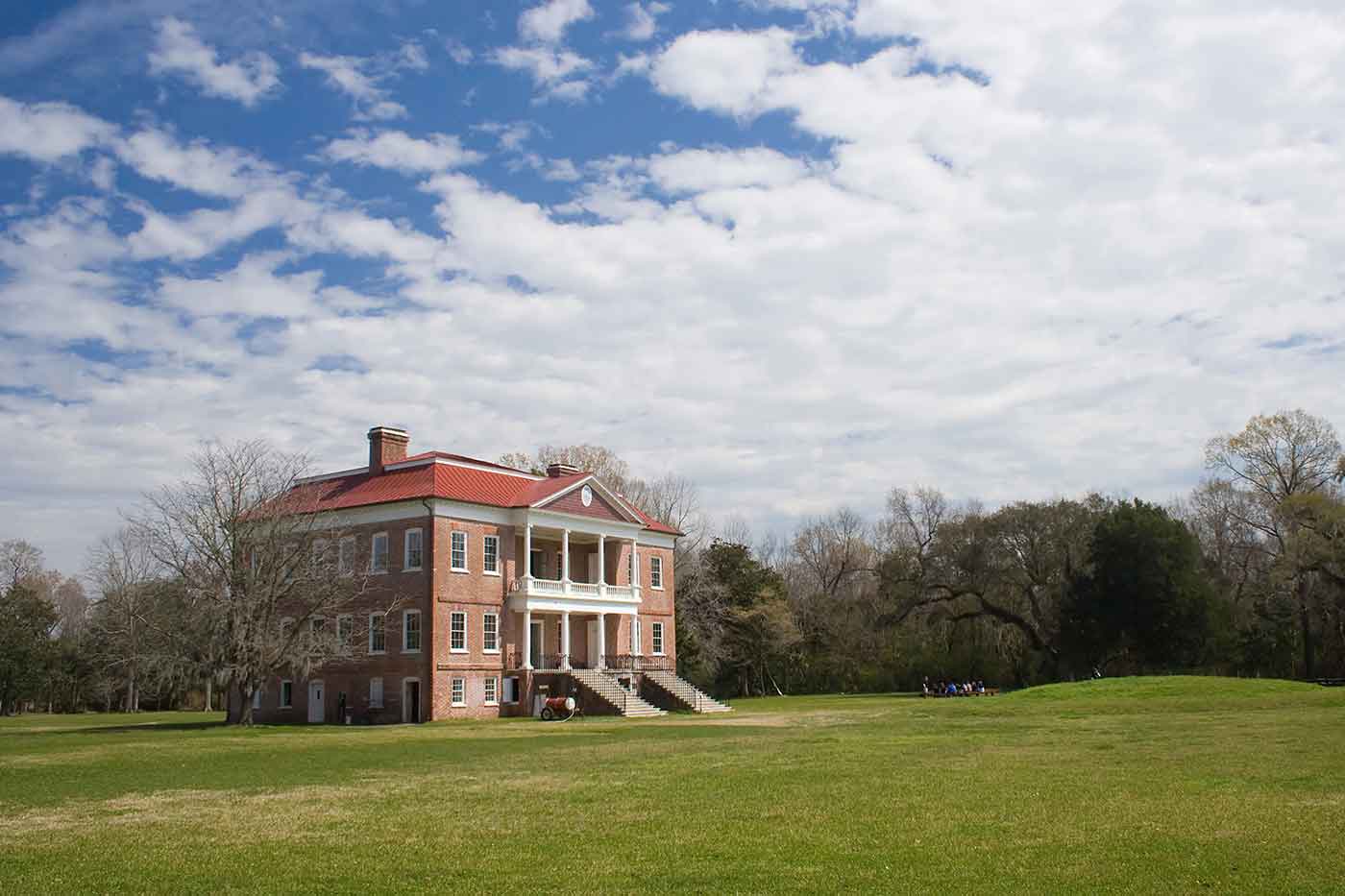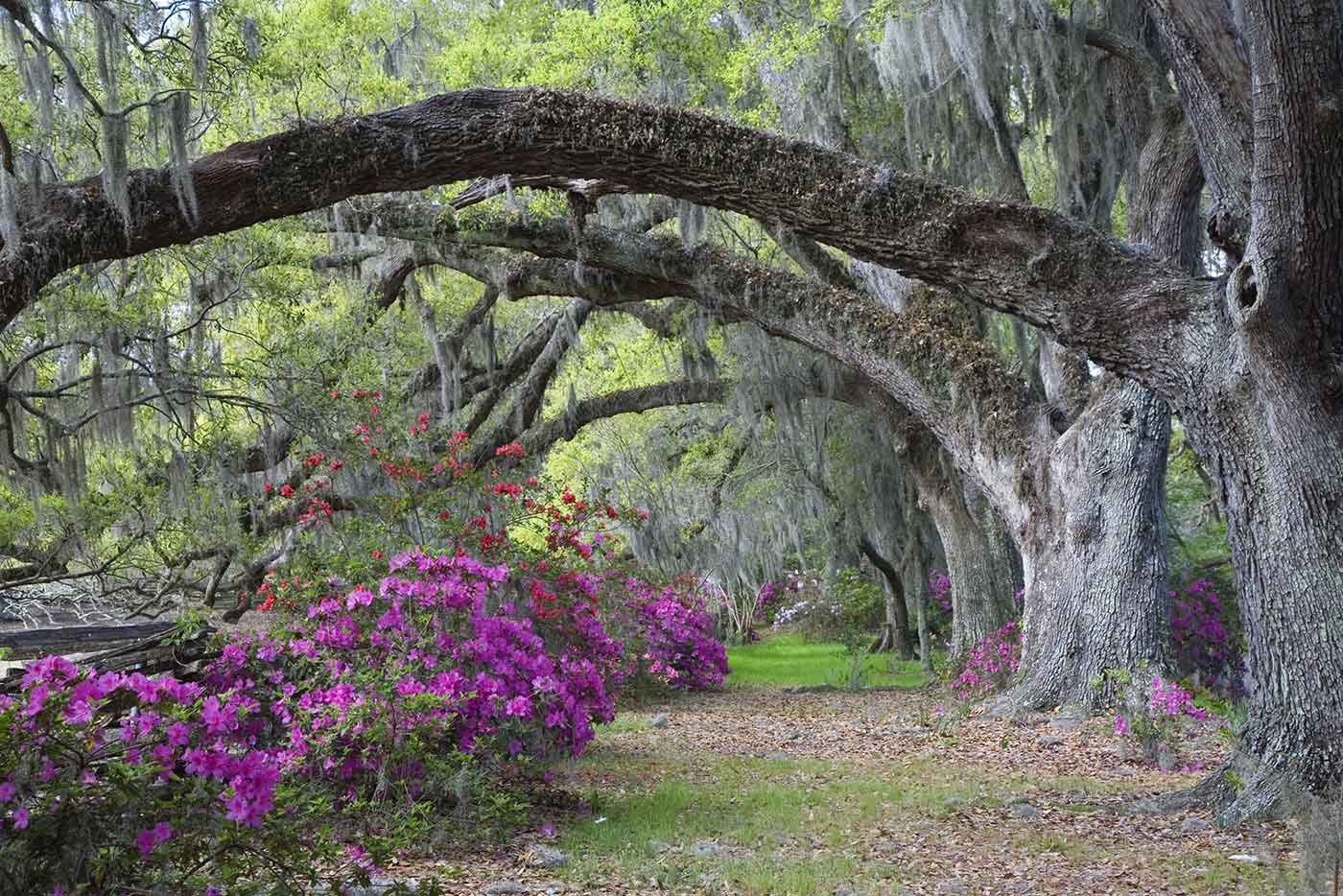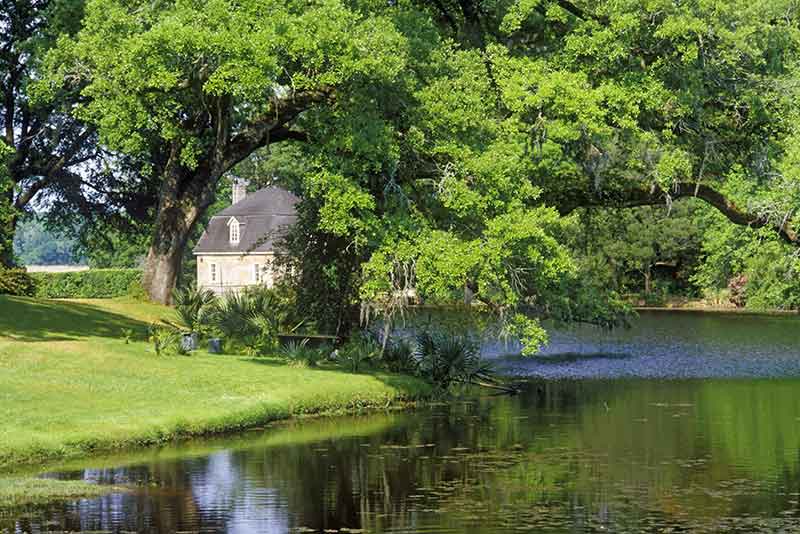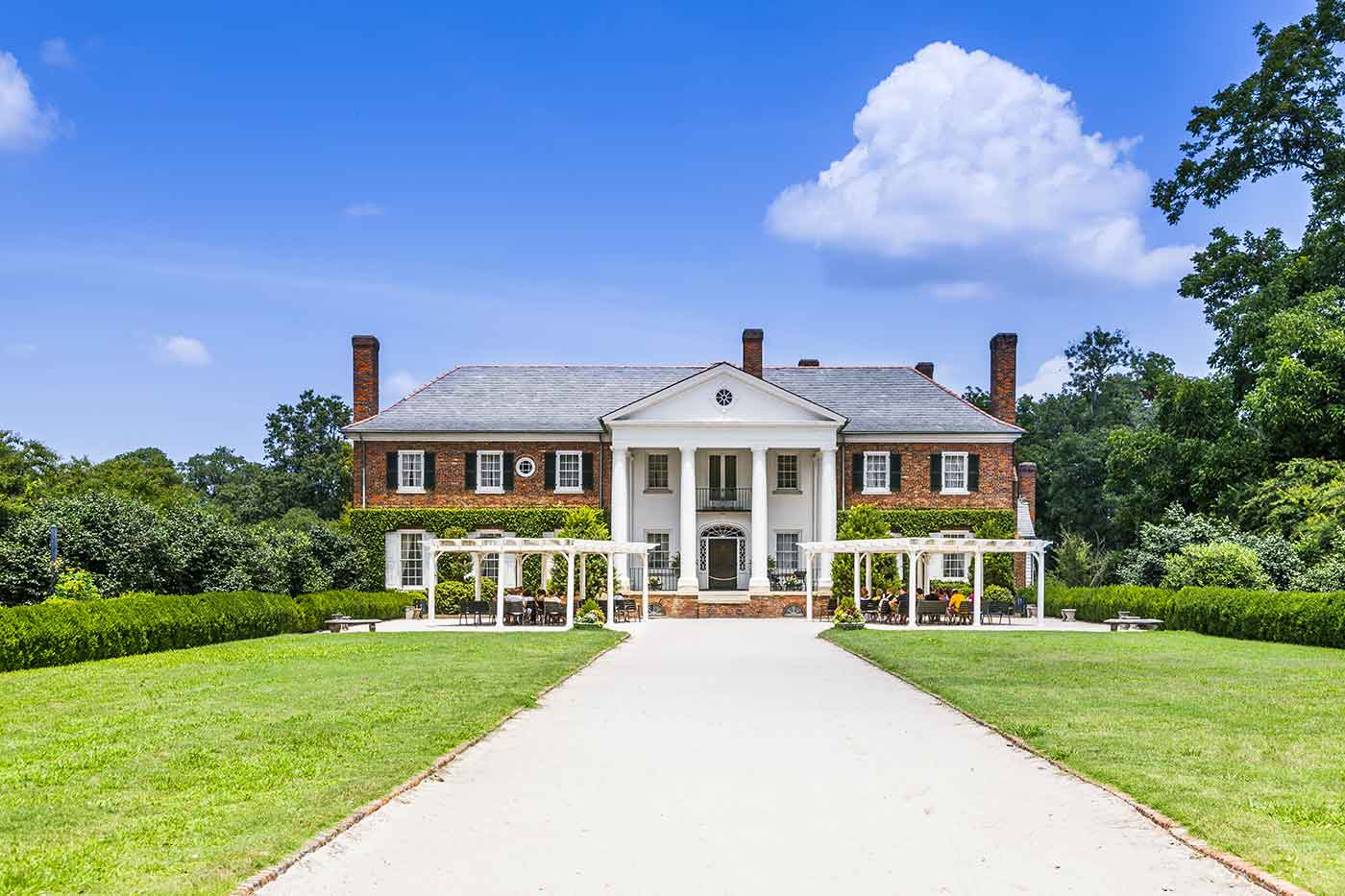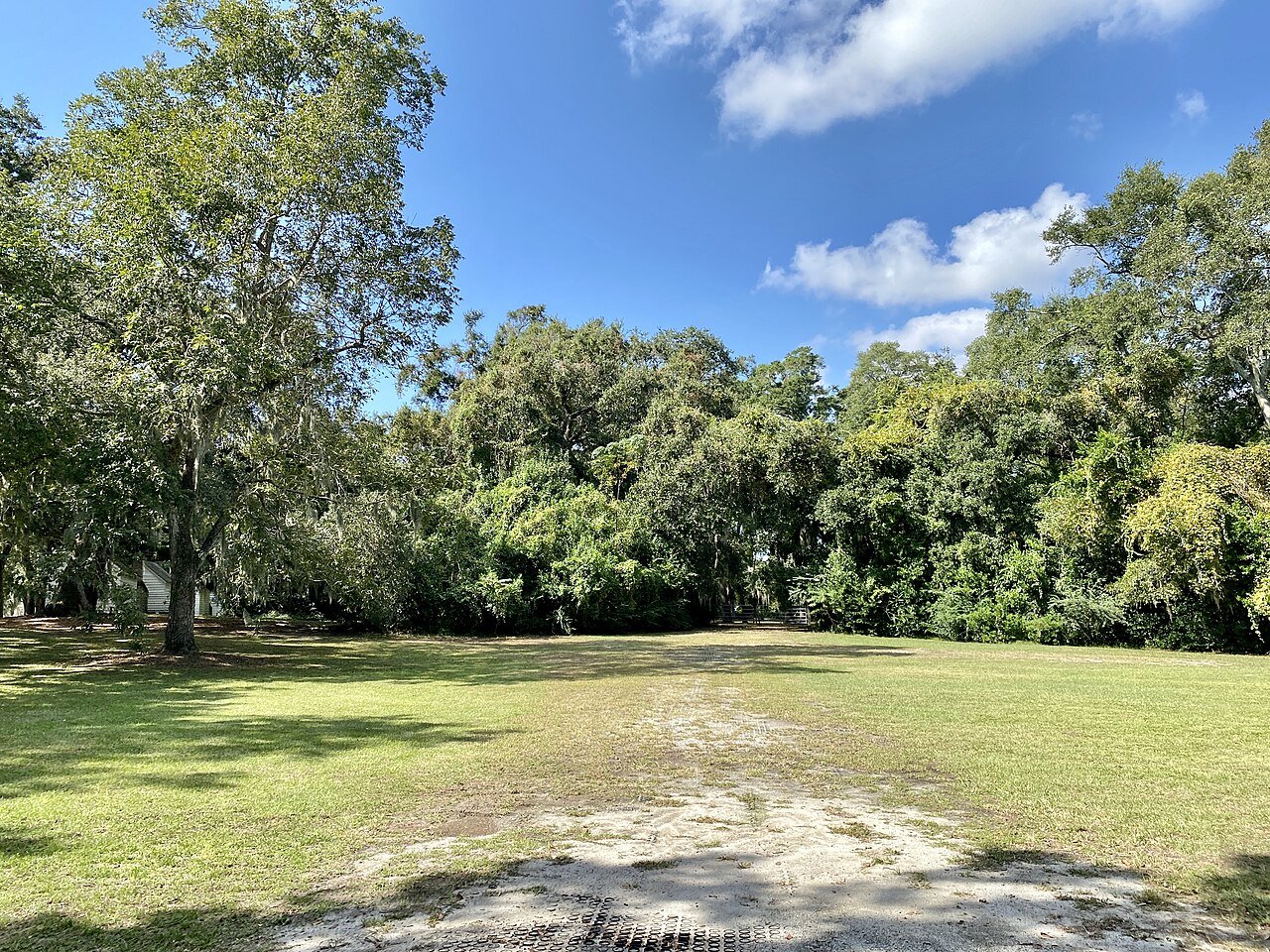
McLeod Plantation sits on James Island beside Wappoo Creek, a few minutes from downtown across the Ashley River. It is run by Charleston County Parks as a historic site, and its guiding idea is a deliberate one: the property is presented through the lives of the people who were enslaved here, rather than around the family that owned it. An avenue of live oaks leads to a white Georgian-style house built in the 1850s on land used to grow long-staple Sea Island cotton, and beside it stand the remaining rows of slave cabins, a cotton gin house and the outbuildings of a working estate. The cabins are the heart of the place. After the Civil War the plantation took on another chapter, serving as a headquarters for Union troops, a site of the Freedmen's Bureau and later a home for generations of Black families who farmed and worked the land into the twentieth century. Guides lead visitors through those layers, and the walk is spare and unsparing compared with the more decorative plantation circuit along the Ashley River.
Visiting well means taking the guided tour rather than only wandering. The guides bring in names, family lines and details from the records, and the site's strength lies in that specificity. The grounds themselves are open and beautiful, with a long approach under the oaks and views over the marsh and creek, so the setting contrasts with what you are being told.
Bring water and sun protection; there is little shade between the house and the cabins, and summer is hot and humid. The house is simple inside by design, and most of the interpretation takes place outdoors.
McLeod fits easily into a half day, and it is quite different from the other plantations, which makes it a good pairing rather than a repetition. Magnolia is gardens, Middleton is landscape design, Drayton Hall is architecture, Boone Hall is the famous avenue; McLeod is the one where the interpretation sits firmly with enslaved and freed communities. Many visitors do this one first and then see the others with sharper questions in mind. It also pairs well with an afternoon on Folly Beach, which is close by on the same side of the harbor.
Practical notes
Parking is on site, and tours depart at set times, so check the day's schedule on arrival or in advance. The site closes on some weekdays, and the days have changed over the years, so confirm the weekly schedule before driving out. Some paths are uneven, though the main routes are manageable. Younger children can walk the grounds, but the content is serious and best suited to older children, teenagers and adults.
What to expect
The experience
A guided tour of the grounds, the 1850s house, the surviving slave cabins and the ginning outbuildings, led by interpreters who focus on the lives of enslaved and freed families.
Best time
Mornings in spring and fall are the most comfortable; summer afternoons are hot with little shade.
How long
About ninety minutes to two hours including time under the oaks.
Tips
Take the guided tour. Bring water and a hat. Confirm the weekly opening days before you drive out, and pair it with Folly Beach nearby.
Quick picks
- Best for
- History visitors who want a plantation interpreted through the people who were enslaved there.
- Families
- Best for older children and teenagers; the content is serious and the cabins need context.
- Couples
- A thoughtful, unhurried morning with a long oak avenue and marsh views.
- Pair with
- Folly Beach for the afternoon, or the International African American Museum for the wider story.
- Time needed
- Two hours on site plus about fifteen minutes each way.
Good questions
How is McLeod different from the other plantations?+
It centres on the experience of enslaved people and later freedpeople rather than on the owners' house and gardens. The cabins and the guided interpretation are the main attraction.
Is the plantation house the main sight?+
No. The house is plain inside and mostly a backdrop. The cabins, gin house and the stories of the families who lived here carry the visit.
Where is it?+
On James Island across the Ashley River from the peninsula, a short drive from downtown and close to Folly Beach.
Do I need a guide?+
The guided tour is the best way to see it, because the interpreters supply the names and records that give the buildings meaning. Check the schedule when you arrive.
Is it open every day?+
No, the site observes weekly closing days that have varied, so check the current schedule before you set out.