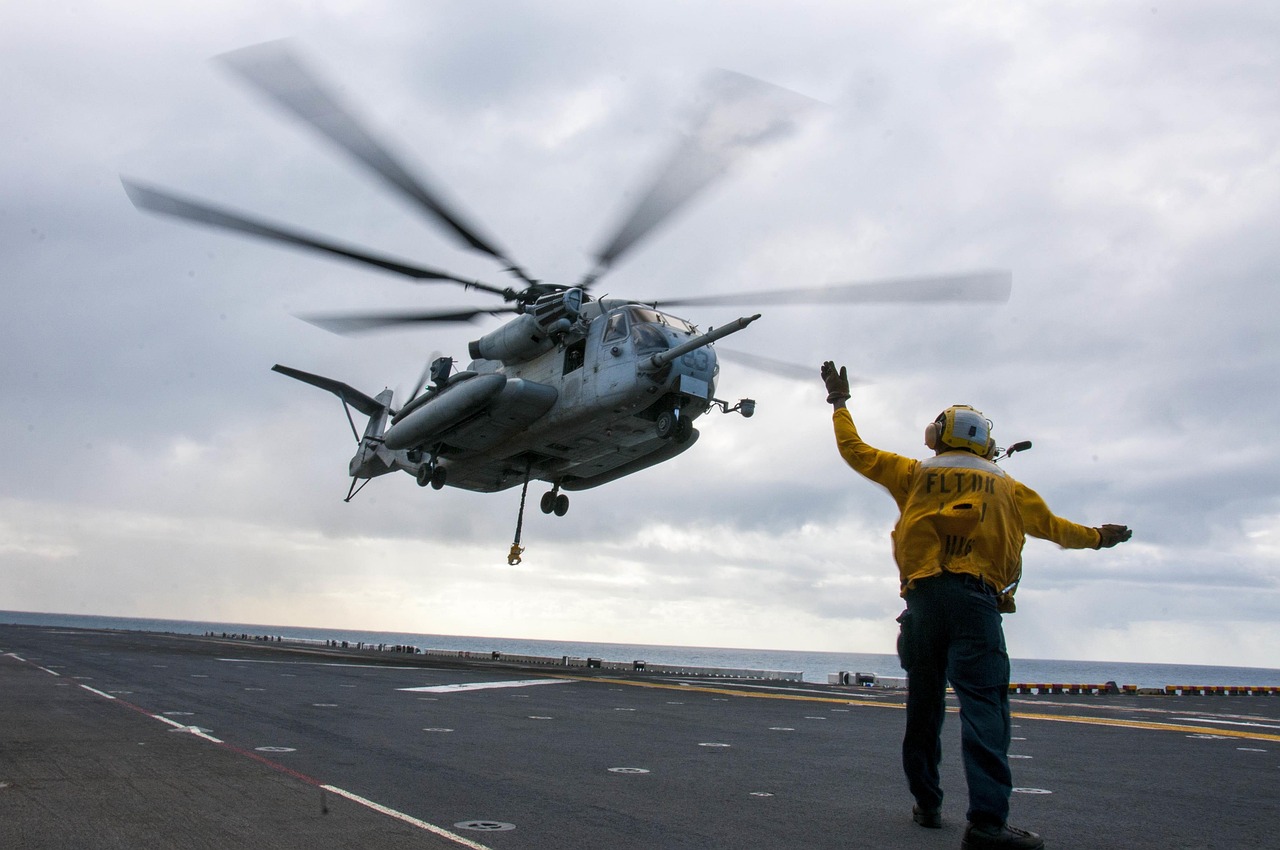
Patriots Point is Charleston's floating war museum and the harbor's counterweight to Sumter: the USS Yorktown (CV-10) — the Essex-class carrier nicknamed the Fighting Lady, commissioned 1943 to avenge her Coral Sea-lost namesake, veteran of the Pacific's great raids and the Apollo 8 recovery — moored at Mount Pleasant's shore as one of America's great ship museums: self-guided tour routes running engine rooms to bridge, the hangar deck's aircraft collection (Dauntless to Phantom, 20-plus airframes with the flight deck's jets staged against the harbor skyline), crew quarters and mess halls interpreting 3,000-man shipboard life, and the Congressional Medal of Honor Museum aboard (the museum's galleries pending its landside successor). Alongside float the destroyer USS Laffey — "The Ship That Would Not Die," survivor of history's most concentrated kamikaze attack, toured stem to stern — and the submarine Clamagore's exhibits (preservation status evolving; the sub's story told regardless), with the Vietnam Experience ashore (a recreated brown-water base camp with helicopters and hooches) completing the campus. The practicalities: half a day minimum (ship ladders and honest walking — real shoes), harbor-breeze decks against summer heat, the Sumter ferry's Patriots Point departure option making the two-fort-one-carrier day the harbor's classic history stack, and the flight deck at golden hour — jets, bridge, and the city skyline across the water — supplying the trip's most underrated photograph.
The Yorktown's résumé carries the visit: built in an astonishing 16 months and commissioned April 1943, CV-10 fought the Pacific's central drives — Marcus and Wake raids, Truk, the Marianas Turkey Shoot's air battles, Leyte, Okinawa, the strikes on the Japanese home islands — earning 11 battle stars and the Fighting Lady nickname from the 1944 documentary filmed aboard; postwar service ran Korea-era modernization, anti-submarine duty through Vietnam waters (three more stars), and the December 1968 recovery of Apollo 8's crew — the capsule splashdown story told at the fantail. The 1975 arrival at Patriots Point made her a museum pioneer, and the tour routes' honesty is the product: engine spaces and ready rooms, the island's bridge and flight control, berthing stacked four-high, the dental office and brig — shipboard life unsanitized.
The escorts multiply the day
Laffey's story alone justifies the gangway — the Sumner-class destroyer absorbed six kamikazes and four bombs off Okinawa in 80 minutes and kept fighting, and her restored decks (gun mounts, CIC, the damage narrative) run the Navy's best small-ship interpretation anywhere; the Clamagore (GUPPY-era diesel boat) has faced preservation battles — exhibits interpret her regardless of hull status. Ashore, the Vietnam Experience's three-acre base camp (Huey and Cobra airframes, PBR river boat, sandbagged hooches with soundscape) gives the campus its third war, and the Medal of Honor Museum's galleries aboard carry the valor archive pending the landside museum's completion across the harbor front.
Practicals
Mount Pleasant's harbor shore, ten minutes over the Ravenel from downtown (the bridge drive is its own view) with ample parking, or the water route — Fort Sumter ferries depart Patriots Point too, enabling the carrier-plus-Sumter stack; allow 3-5 hours (ladder-heavy; strollers stay ashore, kid-carriers thrive), summer middays reward the breezy flight deck and hangar shade alternation, and the golden-hour deck is the photographer's close. Fit: multigenerational catnip — veterans narrating, kids in cockpit sightlines, the Laffey converting even the museum-weary — and the harbor's essential pairing: Sumter for where the war began, Yorktown for how the next one was won.
What to expect
The experience
A naval campus — the Yorktown's self-guided carrier routes (engine rooms to flight deck, 20+ aircraft), destroyer Laffey alongside, submarine exhibits, Vietnam base camp ashore, Medal of Honor galleries aboard.
Best time
Mornings beat heat below decks; golden hour on the flight deck closes it. Sumter ferries also depart here — stack the harbor's history day.
How long
Three to five honest, ladder-heavy hours.
Tips
Real shoes; ladders are 1943-grade. Laffey's kamikaze story is the sleeper — do not skip the destroyer. Apollo 8's recovery exhibit at the fantail surprises everyone. Carriers plus Sumter equals the classic day.
Quick picks
- Best for
- Multigenerational history parties — veterans narrate, kids climb, and the Fighting Lady carries all of it.
- Families
- Cockpits at sightline, the flight deck's jets, and a real submarine story — ladders set the toddler limit.
- Couples
- The golden-hour flight deck with the skyline across the water is the harbor's most underrated photograph.
- Pair with
- Fort Sumter by the Patriots Point ferry for the two-war harbor stack; the Ravenel drive's views bracket it.
- Time needed
- A half day, breeze included.
Good questions
Is this the Yorktown from Midway?+
Her avenger — CV-5 was lost at Midway; this Essex-class CV-10 took the name in 1943 and earned 11 Pacific battle stars plus the Apollo 8 recovery. The lineage story is told aboard.
What is special about the Laffey?+
The Ship That Would Not Die — six kamikazes and four bombs in 80 minutes off Okinawa, survived and restored. The destroyer tour is the campus sleeper; take it.
How strenuous is the visit?+
Honest Navy ladders and steel decks across 3-5 hours — real shoes, kid-carriers over strollers, and the routes let you scale ambition by compartment.
Can we combine with Fort Sumter?+
The Sumter ferry's Patriots Point departures make the carrier-plus-fort stack the harbor's classic history day — book the ferry slot first, tour the ships around it.
How do we get there from downtown?+
Ten minutes over the Ravenel Bridge to Mount Pleasant's shore (ample parking), with the bridge drive supplying its own harbor views.