Charleston rewards sequencing more than most cities: the peninsula is walkable, the harbor runs on boat schedules, and the plantations and islands sit twenty minutes out in opposite directions. Three days covers the canon without sprinting if you spend them geographically — one on foot, one on the water, one over the bridges. Here is the plan that works, with the booking triage up front.
Book before you fly
Dinner reservations first (the food city books out weeks — lock your three nights immediately), then the Fort Sumter ferry slot, a culinary tour for day one if eating is the point of the trip, house-museum times for the Russell and Aiken-Rhett combo, and a ghost walk for whichever evening runs lightest. October, azalea spring, and Wine + Food week tighten everything.
Day one — the peninsula on foot
Start at Rainbow Row and the Battery while the light is low and the carriages are still in the barn: the pastel mile, the seawall, White Point Garden's oaks. Walk up through the Old Exchange for the Revolution's chapter and time your entry to a Provost Dungeon tour. The City Market fills the midday — sweetgrass weavers, benne wafers, lunch on the East Bay spine — and the afternoon splits by taste: the Nathaniel Russell House and its flying staircase for architecture, or the Gibbes Museum's Charleston Renaissance rooms for the city's self-portrait. Evening one: dinner you booked weeks ago, then a lantern-led ghost walk through the alleys you walked by day — the same streets, retold.
Day two — the harbor
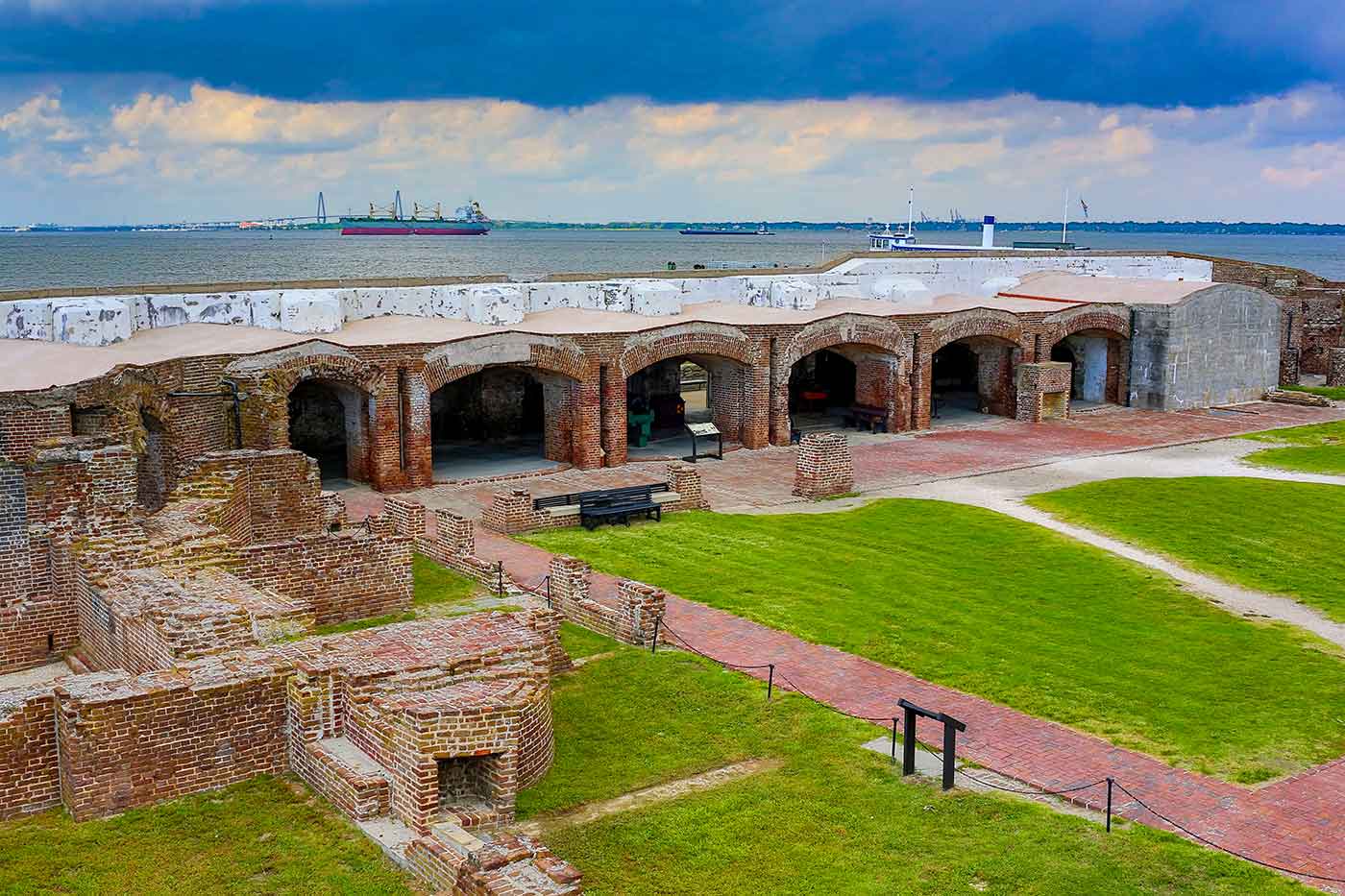
The Fort Sumter ferry is the anchor; build around your slot. From Liberty Square, pair the South Carolina Aquarium (the sea-turtle hospital is the soul) if traveling with kids, or cross the Ravenel to Patriots Point for the USS Yorktown's half-day of flight decks and the destroyer Laffey's unkillable story. Fort Moultrie on Sullivan's Island completes the harbor set — 1776's palmetto victory, drive-up easy — with the Middle Street shrimp rolls as lunch. Close the day on the water: the 90-minute harbor cruise at golden hour, or the schooner sail if the trip has a romantic quorum.
Day three — over the Ashley
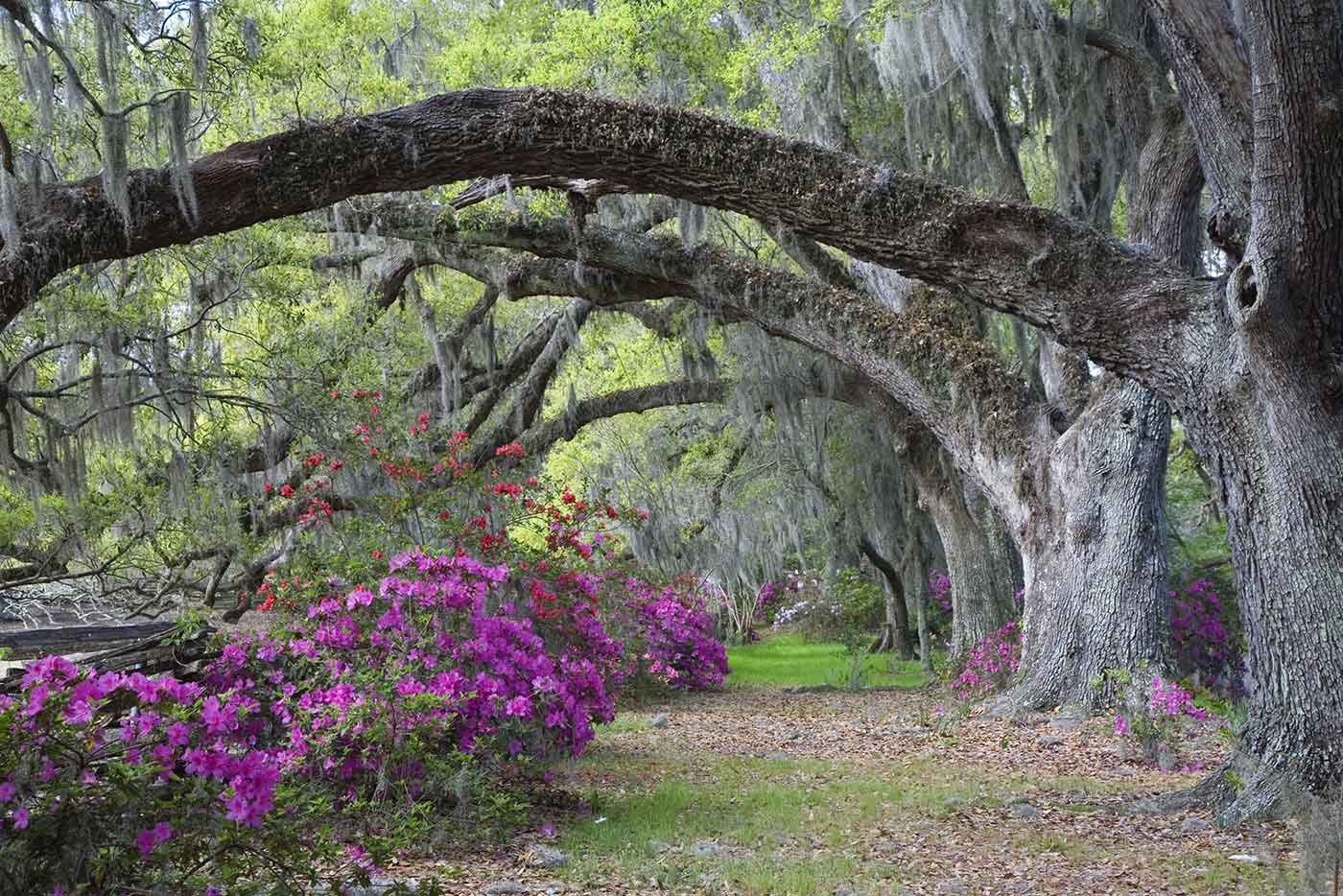
Plantation morning: Magnolia for the gardens' romantic overgrowth, Middleton for the landscaped terraces, Boone Hall for the oak avenue, or Drayton Hall for the unrestored masterpiece — pick one and do it deeply rather than two at a trot, and give every site's slavery interpretation the time it asks. Angel Oak is the free hinge on the route back — twenty minutes under the 400-year canopy — and the afternoon finishes at Folly Beach: pier, Washout surf watch, and a Center Street porch as the day cools. Final evening: the dinner you saved the biggest booking for, and the Battery's gas lanterns one last time — ten minutes that seal the trip.
Heat and season strategy
June through September, invert the days: outdoor mornings, museum middays (the Gibbes, the Charleston Museum, and the aquarium are the air-conditioned trinity), water or porch evenings. Spring and fall need no inversion, only earlier bookings. Winter is the sleeper — camellias at the plantations, empty ramparts, and the food scene at its most bookable.
Where to stay for this plan
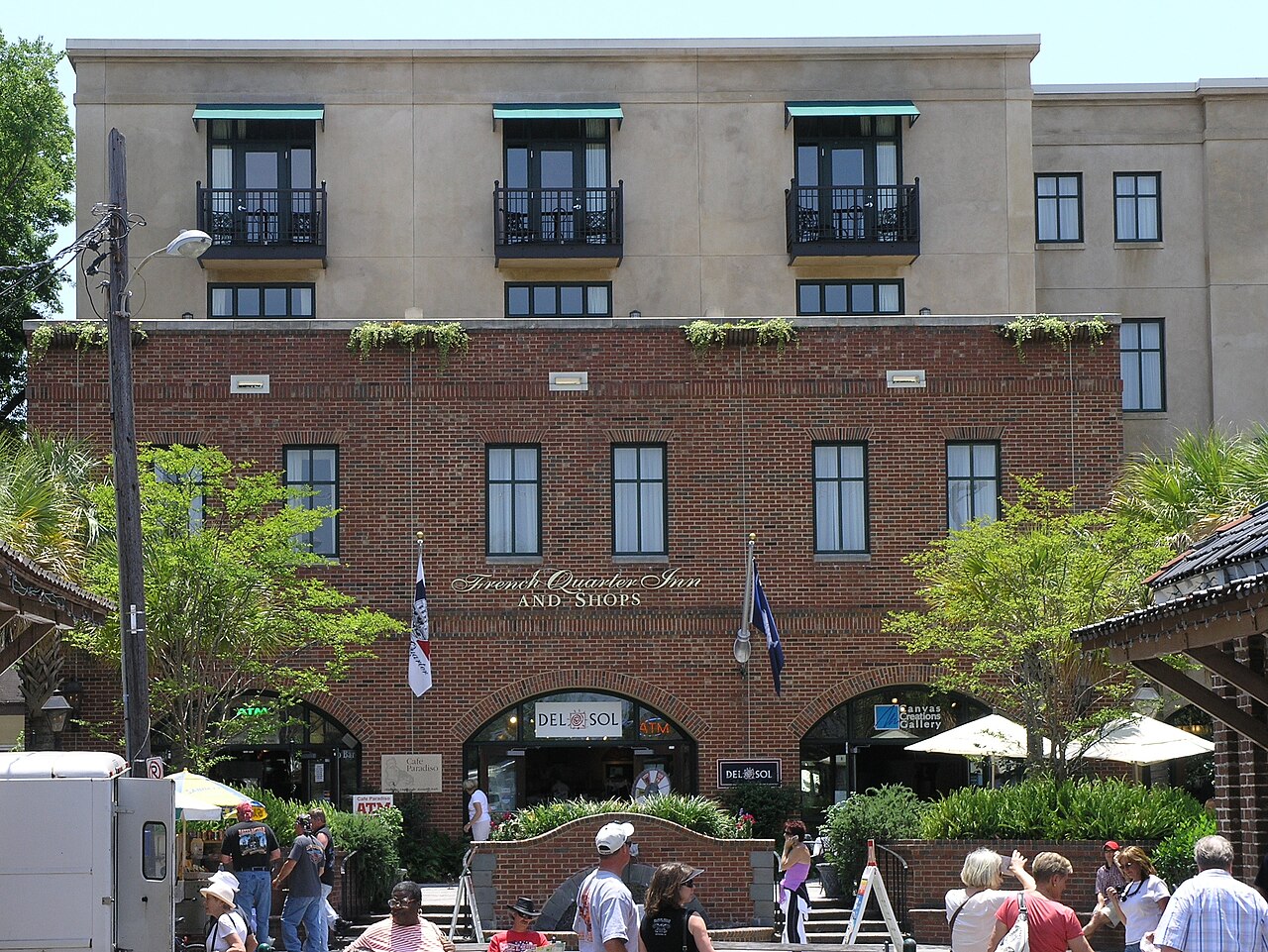
Anywhere south of Calhoun walks everything on day one — the French Quarter inns put the first morning outside your door, Upper King trades a fifteen-minute walk for the restaurant row. Our hotel guide breaks down all twelve of our picks by neighborhood and occasion.