The Lost Sea delivers the category's most matter-of-fact miracle: at the bottom of Craighead Caverns, an hour south of Knoxville, lies four-plus acres of underground lake — America's largest by far, with sonar-mapped rooms continuing beneath the visible water — and the tour crosses it in glass-bottom boats, rainbow trout (stocked since the 1930s, grown huge and pale) rising through the light shafts to shadow the hulls. The three-quarter-mile walk down earns the finale honestly: guides thread the big dry rooms telling the cavern's full ledger — Cherokee council use (artifacts date centuries back), Confederate saltpeter mining, the 1915 dance floor locals built in the Big Room, moonshine stills in the side passages, and teenage Ben Sands slipping through a mud crack in 1905 into a room of water his lantern couldn't find the edges of. The return climb is the ticket's one honest effort (the grade down becomes the grade up); the cave runs 58 degrees; the Sweetwater valley position pairs with Chattanooga's Ruby Falls for cave country's best double. Wild adventure tours (overnights on the lake's far shore) serve the committed.
The lake's scale keeps resetting
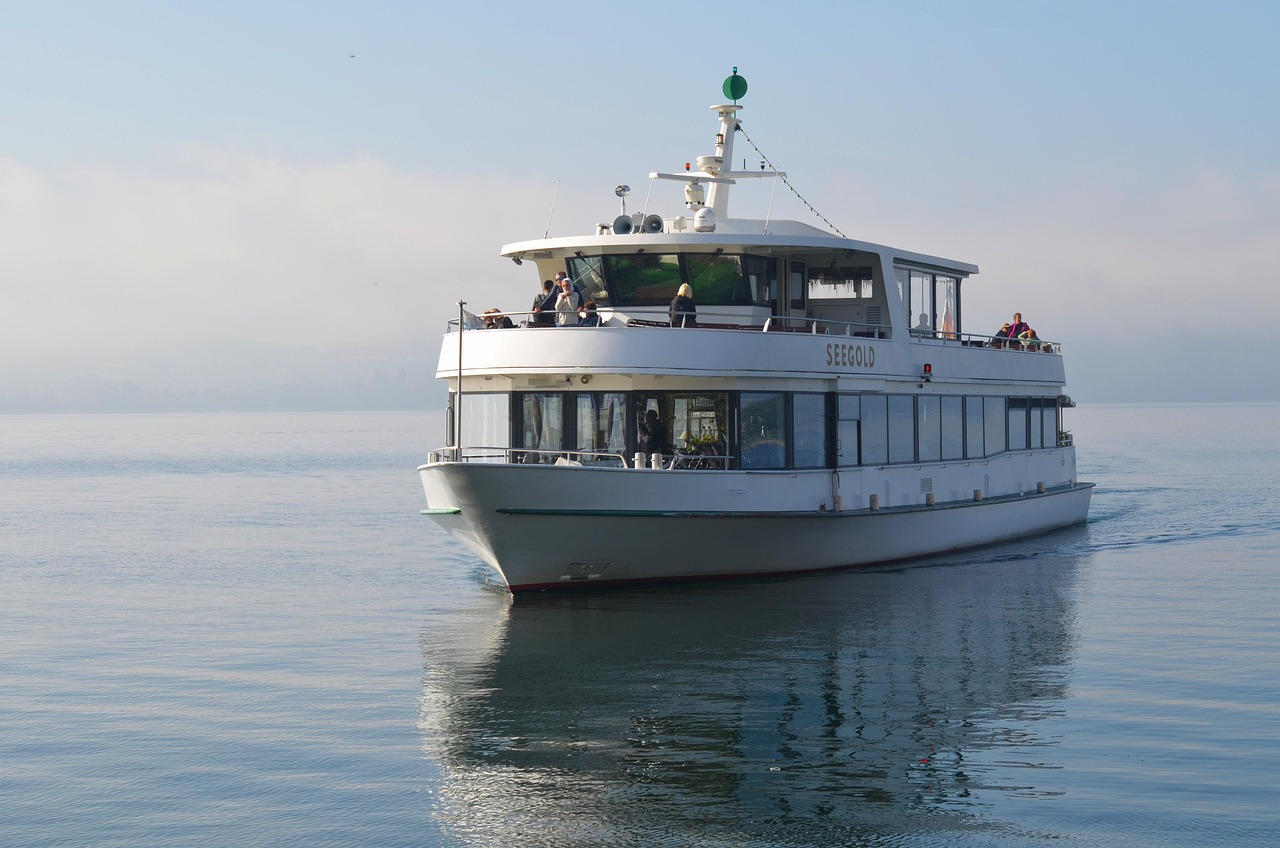
The visible water — the four-plus acres the boats cross — is only the known surface; divers and sonar have pushed into flooded rooms beyond without finding the system's end, and the "Lost Sea" name (Guinness-recognized as America's largest underground lake) undersells what the mapping suggests. The boats make it domestic: wide glass-bottomed electrics hum across water so clear the bottom reads like an aquarium floor, the trout — stocked generations ago in a food-supply experiment, now a pale, outsized resident population fed on tour schedules — swirl the hulls, and the guides kill the motors mid-lake for the quiet that every great cave saves somewhere.
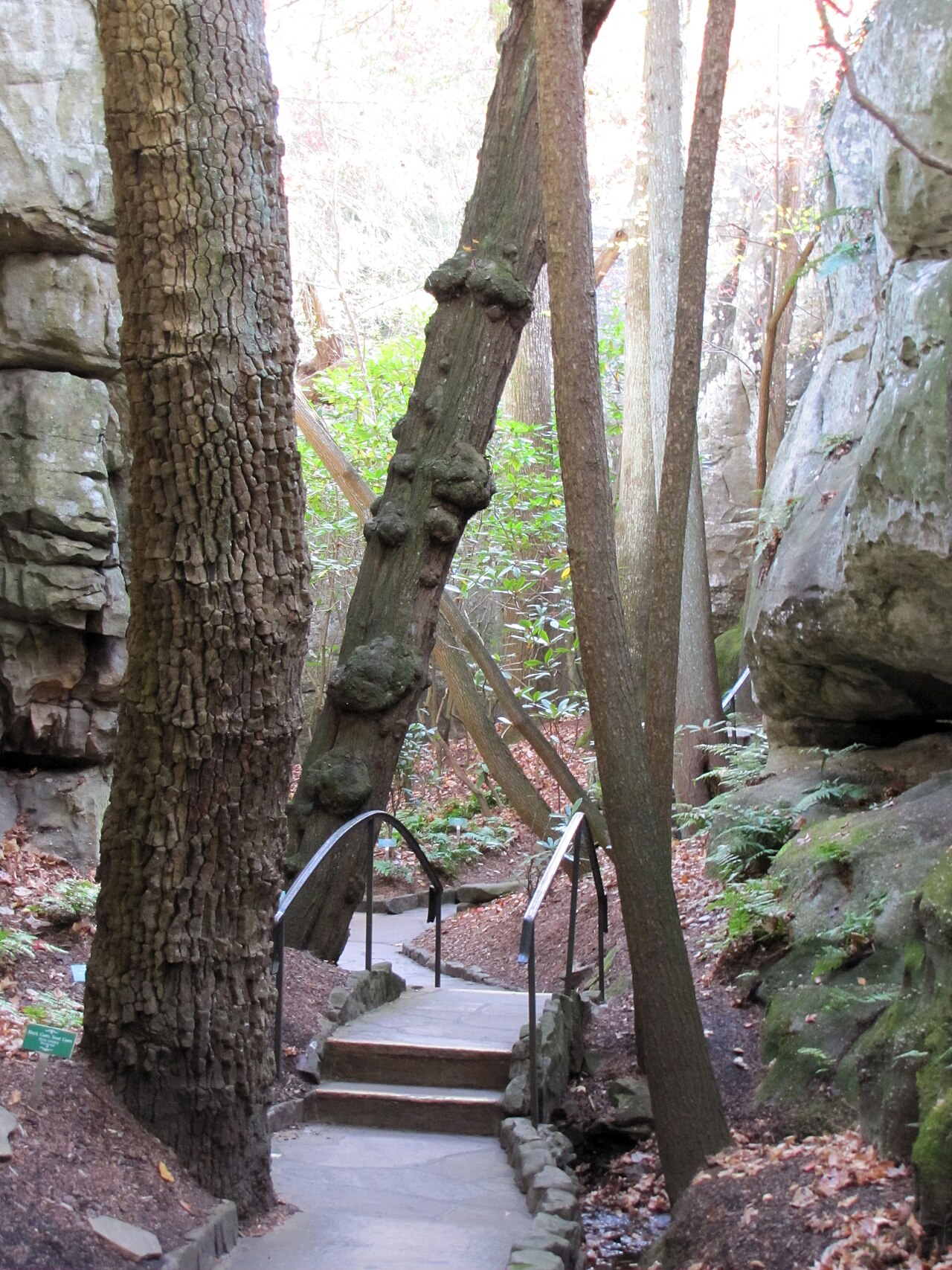
The cavern above the water carries the history half: Craighead was Cherokee ground (the council-room tradition and recovered artifacts anchor the telling), the Civil War mined its sediments for gunpowder saltpeter, and the twentieth century used it as root cellar, mushroom farm, dance hall (the 1915 hardwood floor's story survives), cockfighting pit, and moonshine works — the full Appalachian résumé, told with Sweetwater timing on the walk down. Formation highlights run rare rather than massed: the cave is among the world's best sites for anthodites — the spiky "cave flower" clusters that grow against gravity — and the dry rooms' scale (the Big Room swallowed the dance era whole) impresses by volume. Ben Sands's 1905 discovery story — a thirteen-year-old wriggling through a crawl into water without edges, then dragging adults back to find the mud had hidden the hole — opens every tour as the house origin myth.
Practicalities and fit
The standard tour runs about seventy-five minutes (three-quarter-mile round trip walk plus the boat crossing; the uphill return is the only real effort — benches punctuate it), 58 degrees year-round, tickets at the door with summer middays the queue; the Wild Tour tier runs lantern crawls and the famous overnight — sleeping bags on the far shore, breakfast in the dark — for scouts and the invincible. The Sweetwater valley sits on I-75 between Knoxville and Chattanooga, making the Ruby Falls pairing (an hour south) cave country's standard double and the Smokies corridor (Gatlinburg ninety minutes east) the family-week tie-in. Among the thirteen it's the boat-finale South anchor: the walk tells Tennessee, the lake sells the ticket, and the trout steal the photographs.
What to expect
The experience
The walk down Craighead Caverns' history — Cherokee councils to moonshine — ending at America's largest underground lake and its glass-bottom boat crossing, trout rising through the beams. About seventy-five minutes; the return climb is the one effort.
Best time
Mornings beat summer's midday queues; the 58 degrees never changes. The overnight Wild Tour books far ahead for scout seasons.
How long
Ninety minutes door to door.
Tips
Shoes with grip for the grade — down becomes up. Mid-lake motor-kill is the moment; let it. The anthodite "cave flowers" are the formation rarity — ask the guide to point them. Pair with Ruby Falls an hour south for the double.
Quick picks
- Best for
- Boat-finale collectors and family road-trippers — the lake pays the walk off completely.
- Families
- Glass bottoms, giant pale trout, and a dance-floor story — the I-75 corridor's surest kid win.
- Couples
- The motors-off drift mid-lake, lights low on four acres of still water — the South's quietest moment.
- Pair with
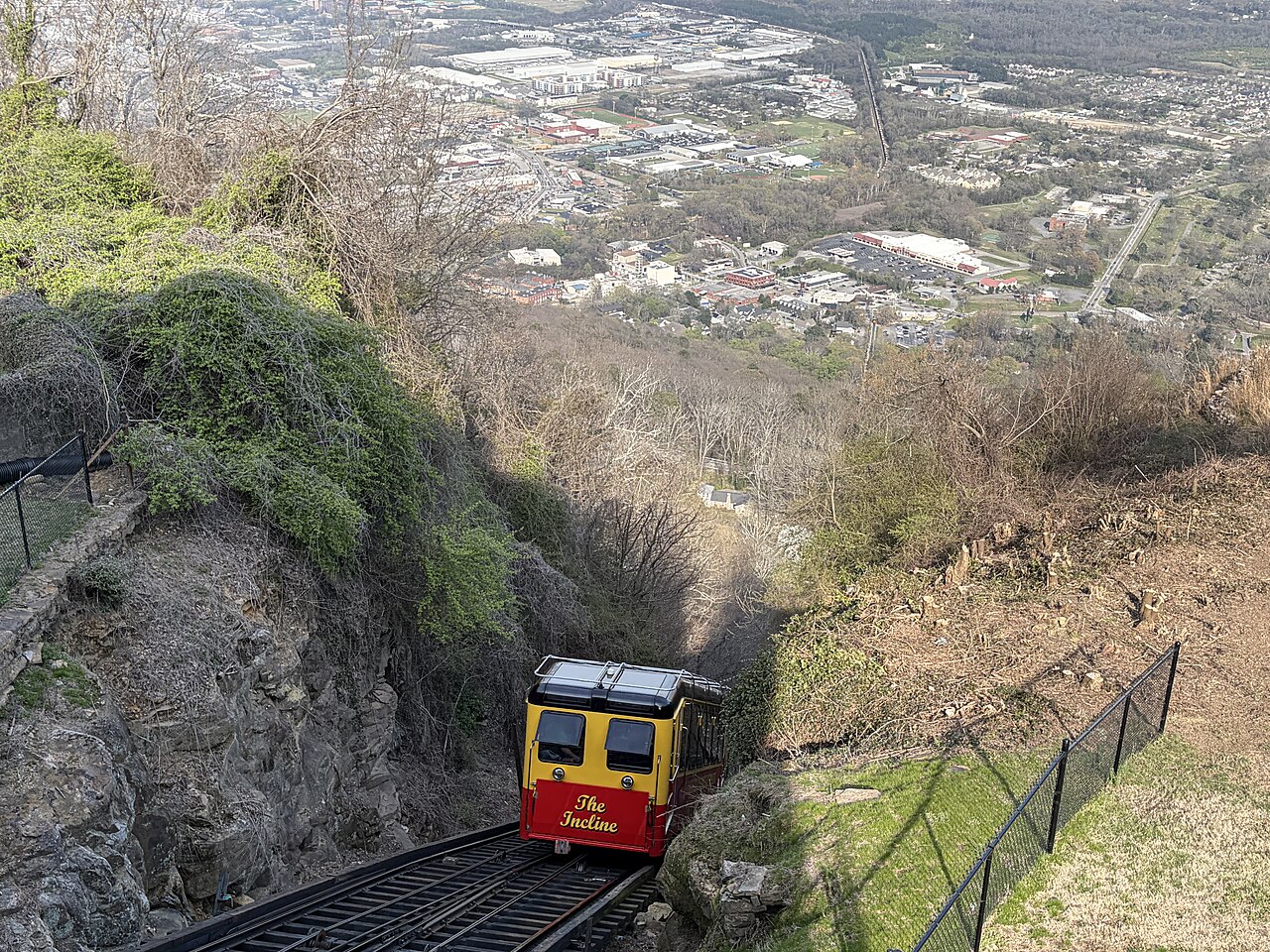
- Ruby Falls and Lookout Mountain an hour south — cave country's classic double.
- Time needed
- Half a day with the drive.
Good questions
How big is the lake, really?+
Four-plus visible acres — America's largest underground lake — with sonar-mapped flooded rooms continuing beyond divers' reach. The boats cross the known part; the system keeps going.
Why are there trout?+
A 1930s stocking experiment stayed — the resident rainbows grow large and pale in the dark, shadow the glass bottoms, and get fed on schedule. They're the tour's co-stars.
How hard is the walk?+
Three-quarters of a mile round trip on a real grade — easy down, honest up, benches en route. The boat sits at the bottom as the reward.
What's the Wild Tour?+
The adventure tier — lantern routes, crawls, and the famous overnight on the lake's far shore. Scouts book it out; the brave remember it forever.
What's the history on the way down?+
The full Appalachian ledger — Cherokee council ground, Confederate saltpeter, the 1915 dance floor, moonshine stills — told at Sweetwater pace to the water's edge.