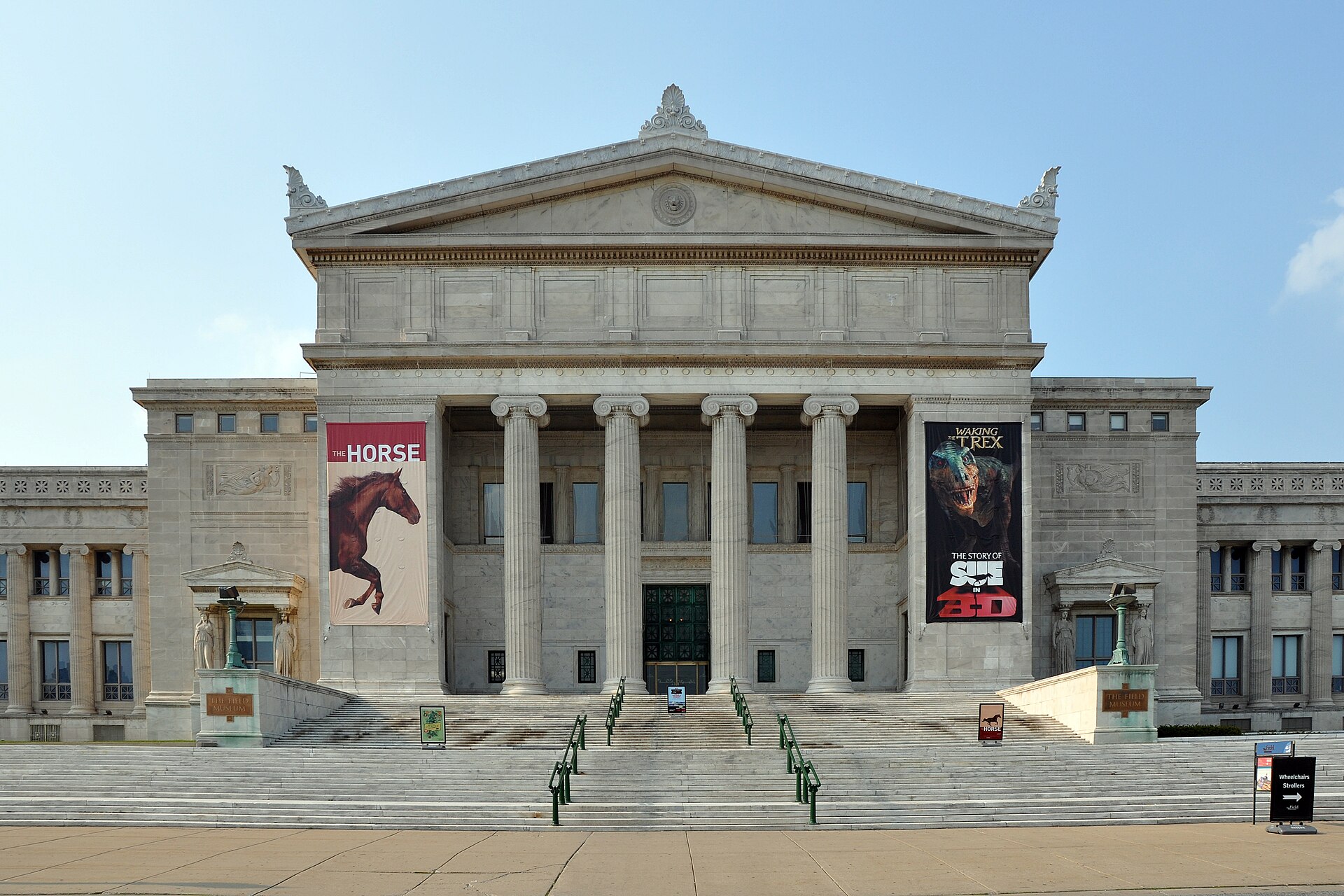
A city pass makes sense in Chicago more than in most places, because the attractions that fill a first itinerary are large, popular and spread across the Loop, the Museum Campus and the Magnificent Mile. The Chicago CityPASS bundles admission to a handful of those headline sights into a single purchase, so you decide on a short list once and then simply turn up. Typical inclusions have covered an observation deck, a major aquarium or museum, and a choice of one or two further museums or a river cruise, but the exact lineup is set by the product, so read what is included for the dates you plan to travel. The practical advantage is not only cost. A pass removes the small decisions that slow a trip down: you are not hunting for tickets at each door, and you are more likely to say yes to a second or third museum because the entry is already paid for. People who plan three or four big days in Chicago tend to get the most from it, especially when the sights are clustered, such as the Field Museum, Shedd Aquarium and Adler Planetarium within walking distance of each other on the Museum Campus. It is less useful if you only want one or two things, or if your priorities are free sights such as Millennium Park, the Riverwalk and the lakefront trail. In that case, individual tickets for the two or three places you care about will be simpler. A quick tally of what you would book anyway is the best test.
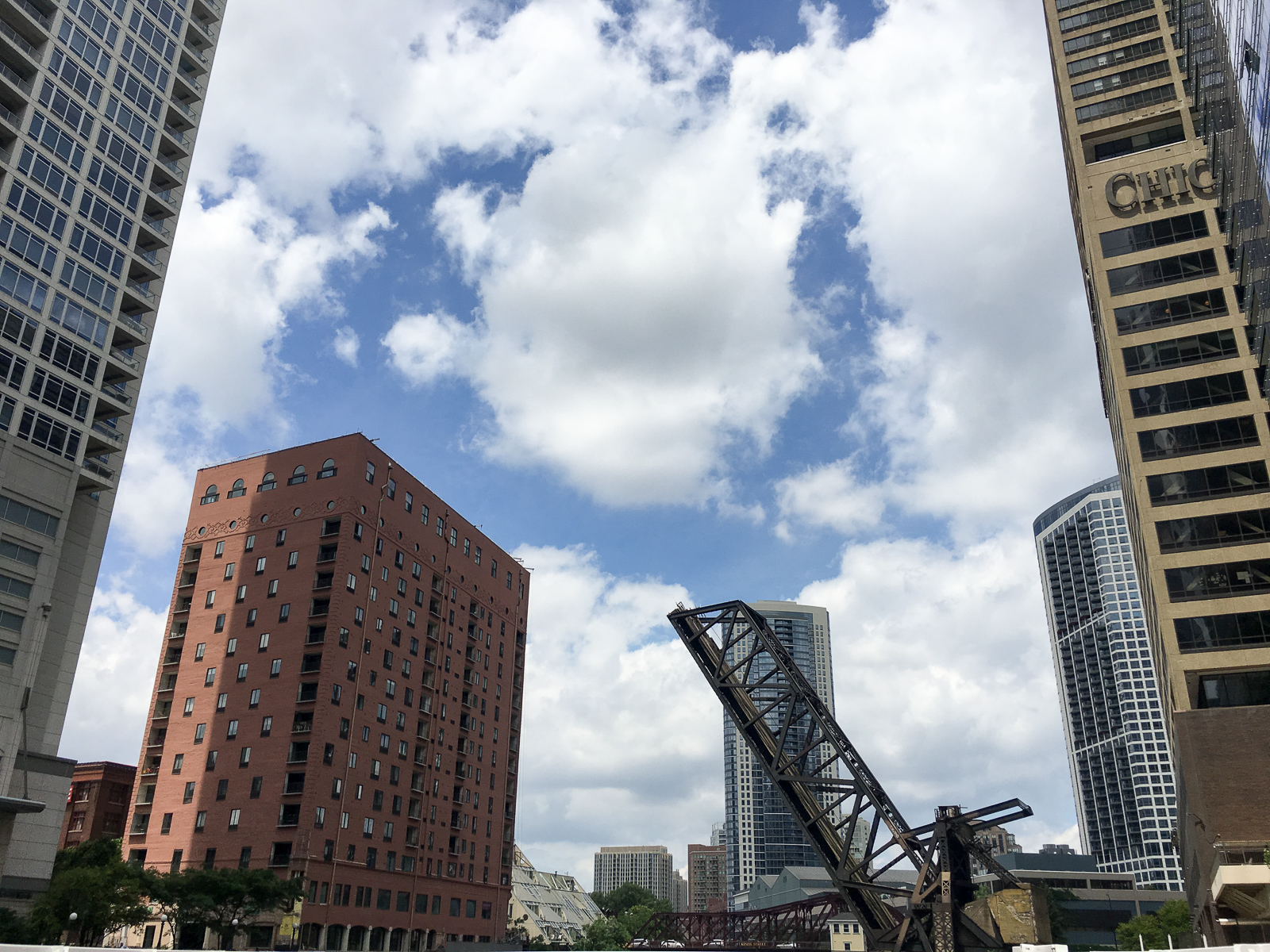
Chicago rewards planning around geography. The Museum Campus on the lakefront holds the Field Museum, Shedd Aquarium and Adler Planetarium. The Loop has the Art Institute, Millennium Park and the architecture river cruises that leave from the Chicago River. Streeterville and the Magnificent Mile have 360 Chicago, and Willis Tower sits on the west edge of the Loop. A pass works best when you build days around one of those clusters, using the L or a short walk between stops, and reserve any timed entries as early as the pass allows.
Before buying, open the product and note three things. First, which attractions are included and which are offered as a choice between two options. Second, how long the pass stays valid once you start using it, because a multi-day window is what lets you spread museums across a long weekend. Third, whether any attractions require a timed reservation even with the pass, which is common for the busiest sights in peak summer and school holidays.
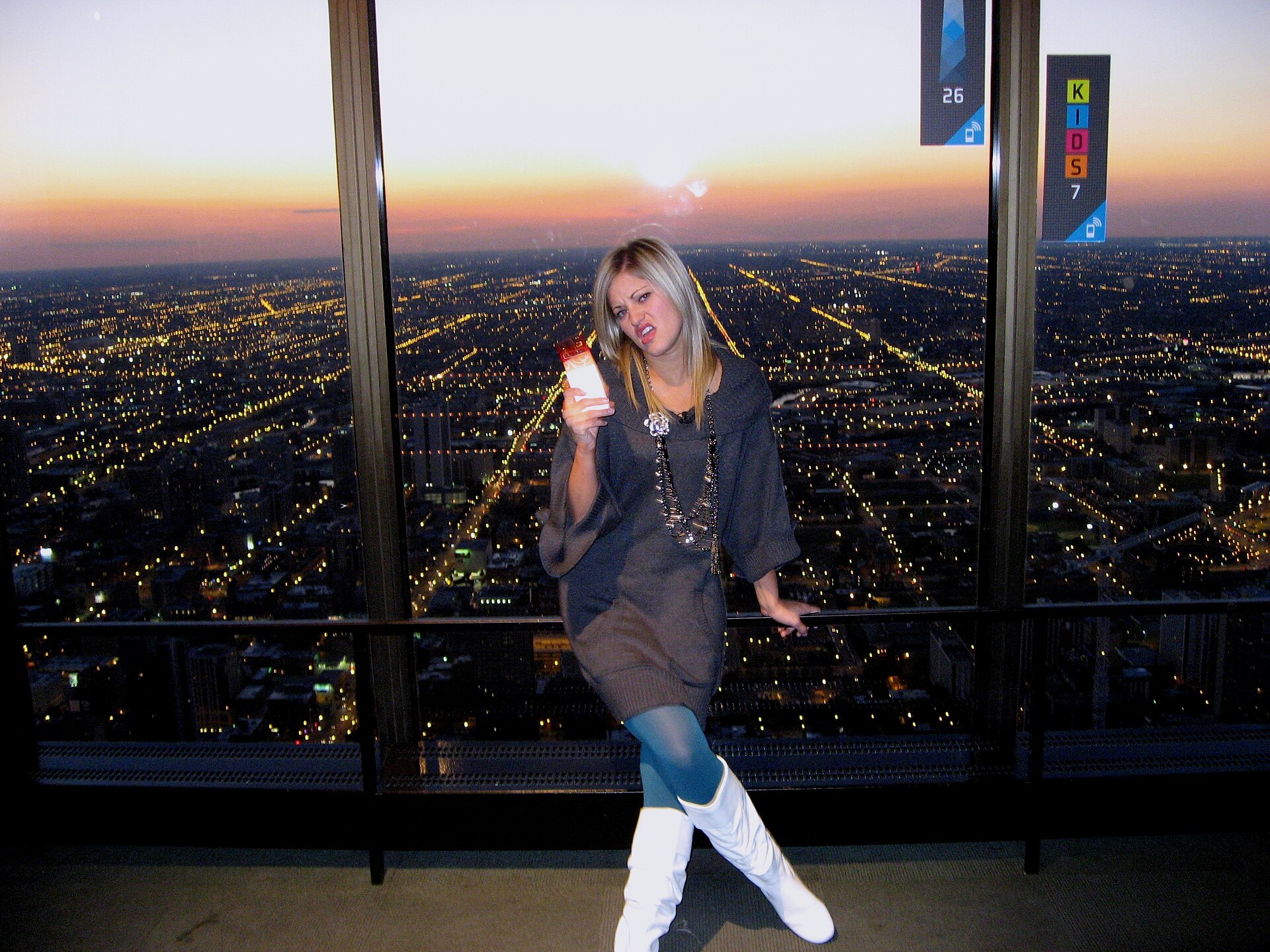
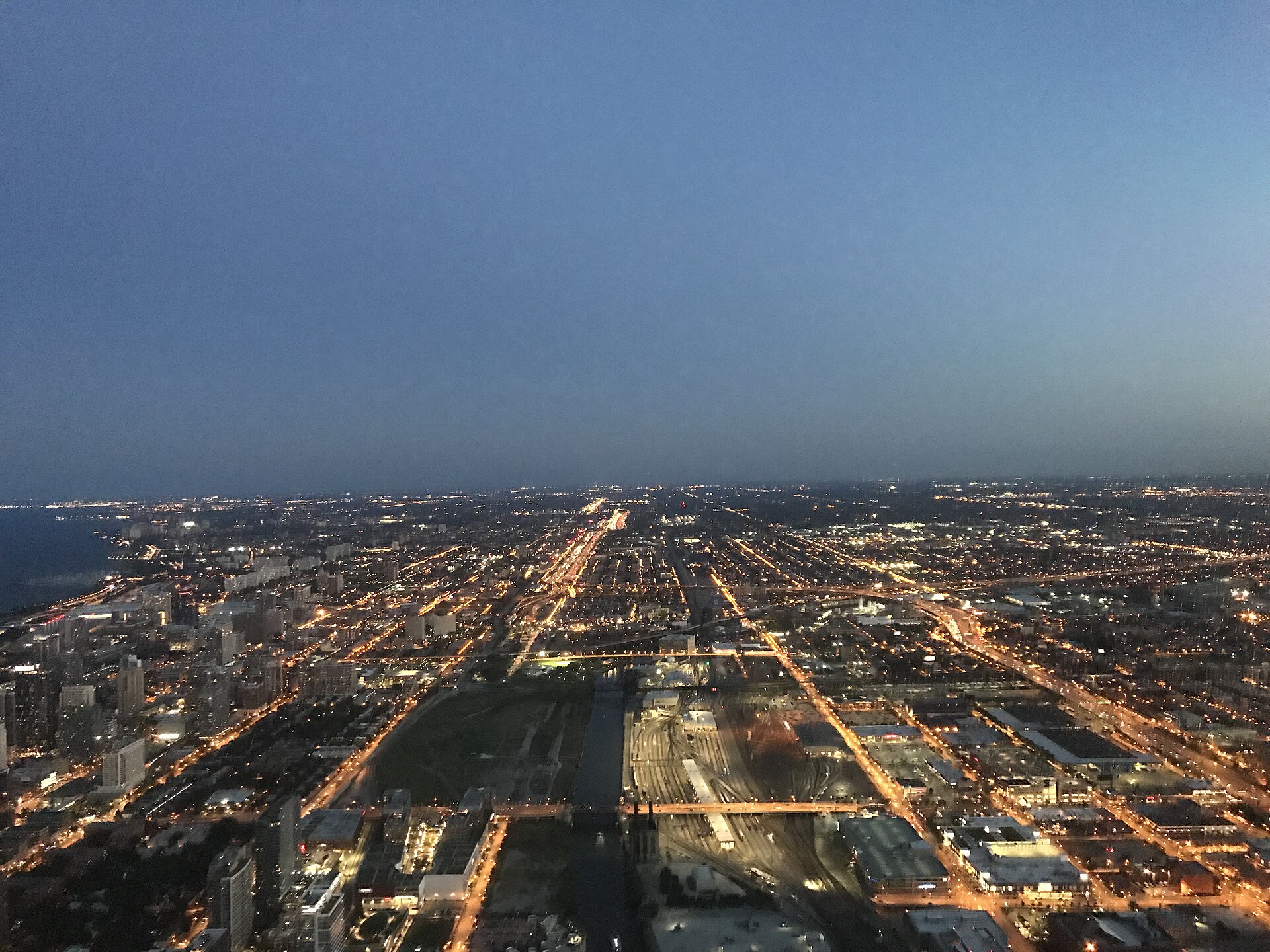
A good way to use a pass is to anchor each day with its highest-value item and fill around it. Start the morning at the museum that needs the most time, take lunch nearby, and finish with an observation deck near sunset, when the skyline and lake are at their best. Weather matters in Chicago, so keep one indoor option flexible: if the wind off the lake makes a deck or cruise unpleasant, swap in a museum and move the outdoor item to a clearer day.
For families, a pass is useful because children's interest is hard to predict and having several attractions prepaid means you can leave early without feeling you wasted money. For couples and solo travellers, it works as a ready-made itinerary skeleton. Either way, treat it as a tool for the short list of things you actually want to see, not a reason to cram more in than you would enjoy.
What to expect
The experience
A multi-attraction pass covering several headline sights, used across a window of days from first use.
Best time
Plan three or four days around the attractions you most want, grouping them by neighbourhood.
How long
Spread over several days.
Tips
Check which attractions are included, whether any need a timed reservation, and how long the pass stays valid.
Quick picks
- Best for
- First-time visitors who plan to see several of the big attractions.
- Families
- Good for families because prepaid entry lets you leave early without worry.
- Couples
- Handy as a ready-made itinerary for a long weekend.
- Pair with
- Use it alongside free sights such as Millennium Park and the Riverwalk.
- Time needed
- Several days of sightseeing.
Good questions
Who is the pass best for?+
Visitors who plan to see three or more of the major paid attractions in one trip, particularly on a first visit.
Does it include every attraction in the city?+
No. It covers a set of headline sights, some offered as a choice between options. Check the inclusions before you buy.
Do I still need to reserve times?+
Some attractions ask for a timed entry even with a pass, especially in peak season. Reserve as soon as your plans are firm.
Is it worth it for a short trip?+
Only if the places you want are included. For one or two attractions, separate tickets are usually simpler.
What if the weather turns?+
Keep an indoor museum flexible in your plan so you can swap days if wind or rain spoils an observation deck or cruise.