The Peggy Notebaert Nature Museum is Lincoln Park's family sleeper and the city's gentlest great museum: the Chicago Academy of Sciences' lakefront home (the Academy dates to 1857 — Chicago's first museum, reborn in this 1999 building on the park's North Pond) whose headliner needs no selling once seen: the Judy Istock Butterfly Haven, a 2,700-square-foot greenhouse where a thousand-plus butterflies of 40-ish species fly free among tropical plantings — landing on sleeves, hair, and delighted children, with the chrysalis-hatching window (new wings emerging on view most mornings) and the release-time flutter as the daily rituals, and the strict exit mirror-check (smuggling butterflies out on your back is the museum's running joke and real rule) as the closing bit. The rest right-sizes a Midwest nature museum to city scale: Mysteries of the Marsh and the river-and-lake galleries run regional ecology hands-on (the under-ten water tables and crawl-through beaver lodge doing the work), Istock Family Look-in Lab's live animal collection (snakes, turtles, the naturalist demos), the green-roof-and-city-science floor connecting nature to the blocks outside, and rotating exhibitions pitched family-first. The visit is a focused 90 minutes to two hours — exactly the dose between the zoo (free, ten minutes south) and the History Museum (ten more) on Lincoln Park's unbeatable family axis — with North Pond's lily edges and the Nature Boardwalk's skyline-photo arc (the honeycomb pavilion shot) bracketing the building. Modest admission, Illinois free days, strollers everywhere.
The Butterfly Haven rewards timing craft
Mornings bring the hatching window's action (fresh wings pumping open) and the flight room's active hours (butterflies fly most in warmth and light — sunny middays peak), feeding stations cluster the showiest species (the blue morphos' flash is the room's celebrity moment; they rarely sit still, which the docents will console you about), and the release of newly hatched butterflies (schedule varies — ask at entry) gives the under-tens a ceremony. The room runs tropical-humid year-round, which makes it the city's best secret on a February day: a greenhouse full of wings while the lake wind howls outside.
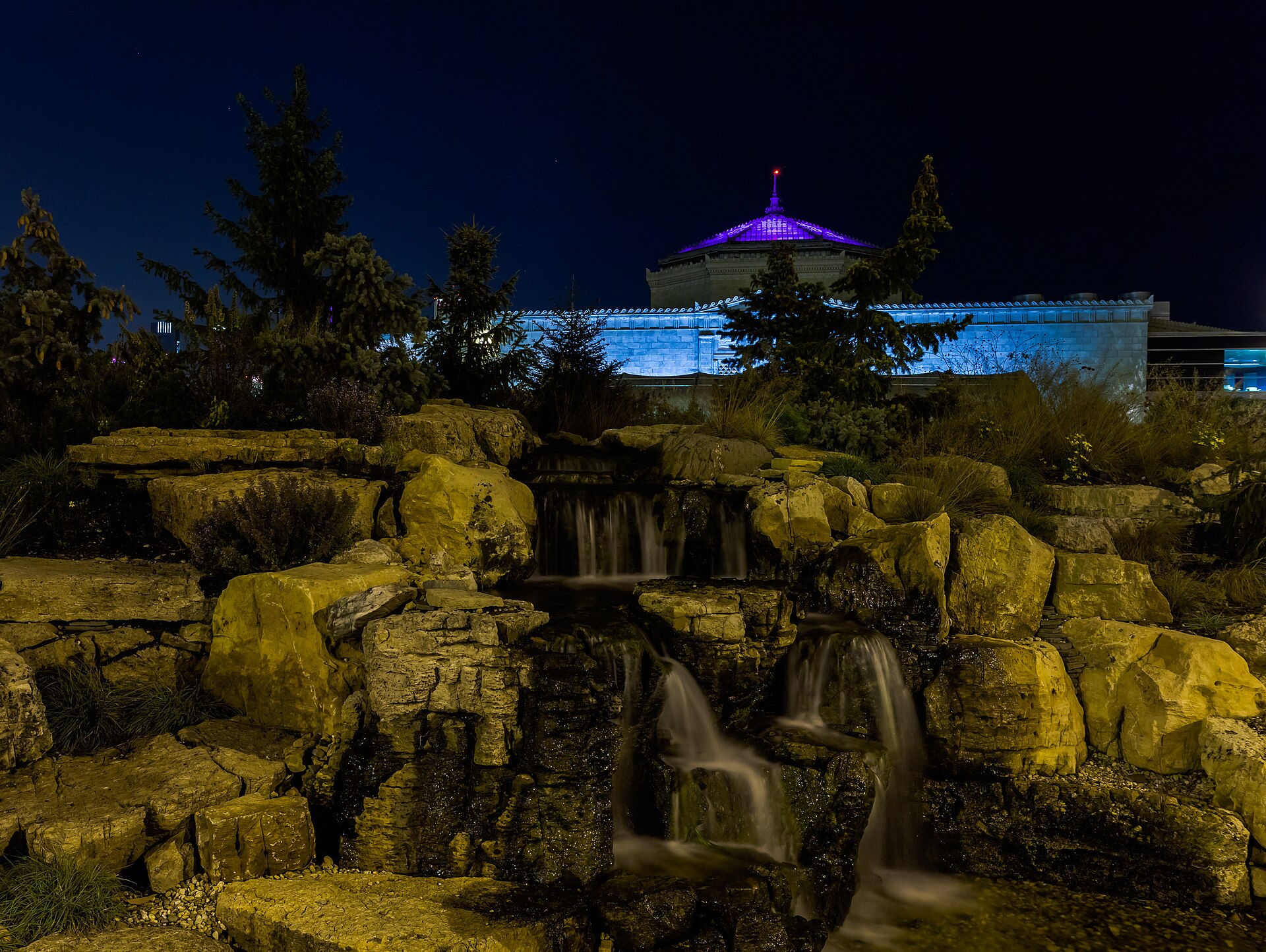
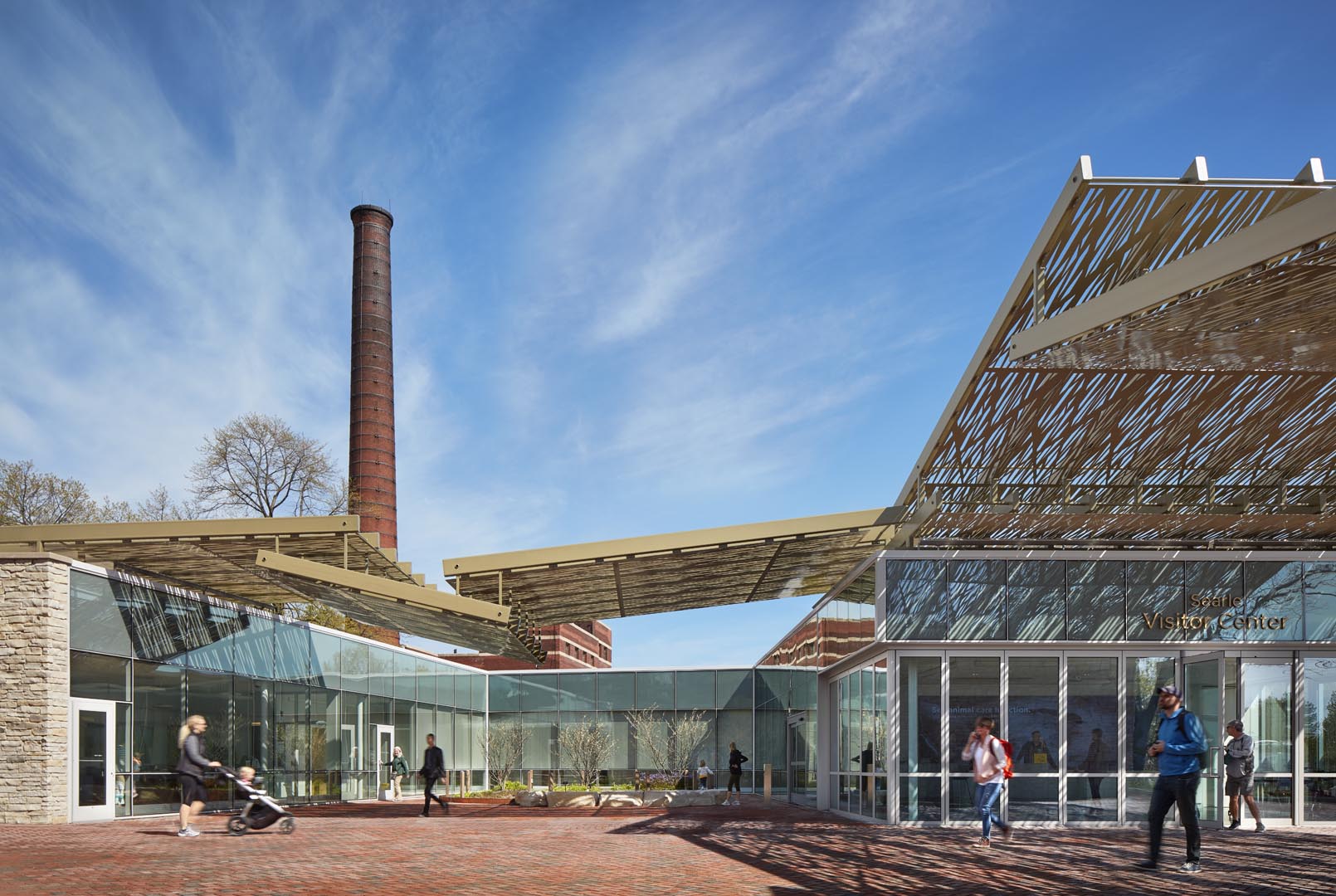
The Academy lineage gives the small museum its depth: Chicago's first museum (1857, natural history collected when the prairie was still out the window) survived the Fire's total loss and a century of wandering to this purpose-built lakefront home, and the collection teaches regional honestly — the marsh gallery's ecology (why Chicago exists on a wetland, where the water goes), the bird-collision and urban-wildlife science the museum leads publicly, and the green-roof program visible from the stairs. The building itself (Perkins & Will's layered pavilion sliding into the parkland) photographs beside North Pond's lilies, and the adjacent Nature Boardwalk — the zoo's restored pond loop with the honeycomb-arch pavilion framing the skyline — is the neighborhood's postcard and the walk between the two institutions.
Practicals and fit
Fullerton at Cannon Drive on the park's North Pond (buses and the Fullerton stops serve it; parking lot adjacent), 90-120 minutes, modest admission with Illinois free days, café and picnic lawns, stroller-native throughout. Fit: families with the under-ten cohort first (this plus the free zoo is the city's best cheap family day), butterfly-seeking couples on winter days (the February greenhouse trick), and the Lincoln Park axis completers — History Museum, zoo, Notebaert, and the boardwalk composing a full day that costs less than one deep-dish dinner.
What to expect
The experience
The greenhouse Butterfly Haven's thousand free-flyers plus right-sized hands-on nature floors — marsh tables, live-animal lab, city science — on Lincoln Park's North Pond.
Best time
Sunny middays for peak flight; mornings for the hatching window; February for the greenhouse-in-winter trick.
How long
Ninety focused minutes to two hours.
Tips
Check the mirror on the way out — butterflies hitchhike, and the rule is real. Blue morphos rarely land; the docents will console you. Walk the Nature Boardwalk's pavilion arc for the skyline photo.
Quick picks
- Best for
- The under-ten day's anchor — and winter's best secret greenhouse.
- Families
- A thousand butterflies, water tables, and a beaver lodge to crawl — engineered for small stamina.
- Couples
- Wings in the greenhouse and the boardwalk's skyline arc — the gentle Lincoln Park date.
- Pair with
- The free zoo ten minutes south, the History Museum beyond — the city's best cheap family axis.
- Time needed
- The Lincoln Park day's two-hour heart.
Good questions
How many butterflies are there really?+
A thousand-plus across 40-ish species flying free in the 2,700-square-foot greenhouse — landing on visitors routinely, with new wings hatching at the window most mornings.
When do they fly most?+
Warmth and light drive flight — sunny middays peak, and the tropical room makes February visits the city's best secret.
What is the mirror about?+
The exit protocol — butterflies hitchhike on backs and hoods, and the mirror-check rule is the museum's running joke and genuine conservation practice.
Is the rest of the museum worth it?+
Right-sized and genuinely hands-on — marsh water tables, the live-animal lab, the crawl-through lodge — exactly the under-ten dose beside the Haven.
How does the Lincoln Park day work?+
Zoo (free) to Notebaert to History Museum along the park — with the Nature Boardwalk's pavilion photo between — a full family day under one deep-dish budget.