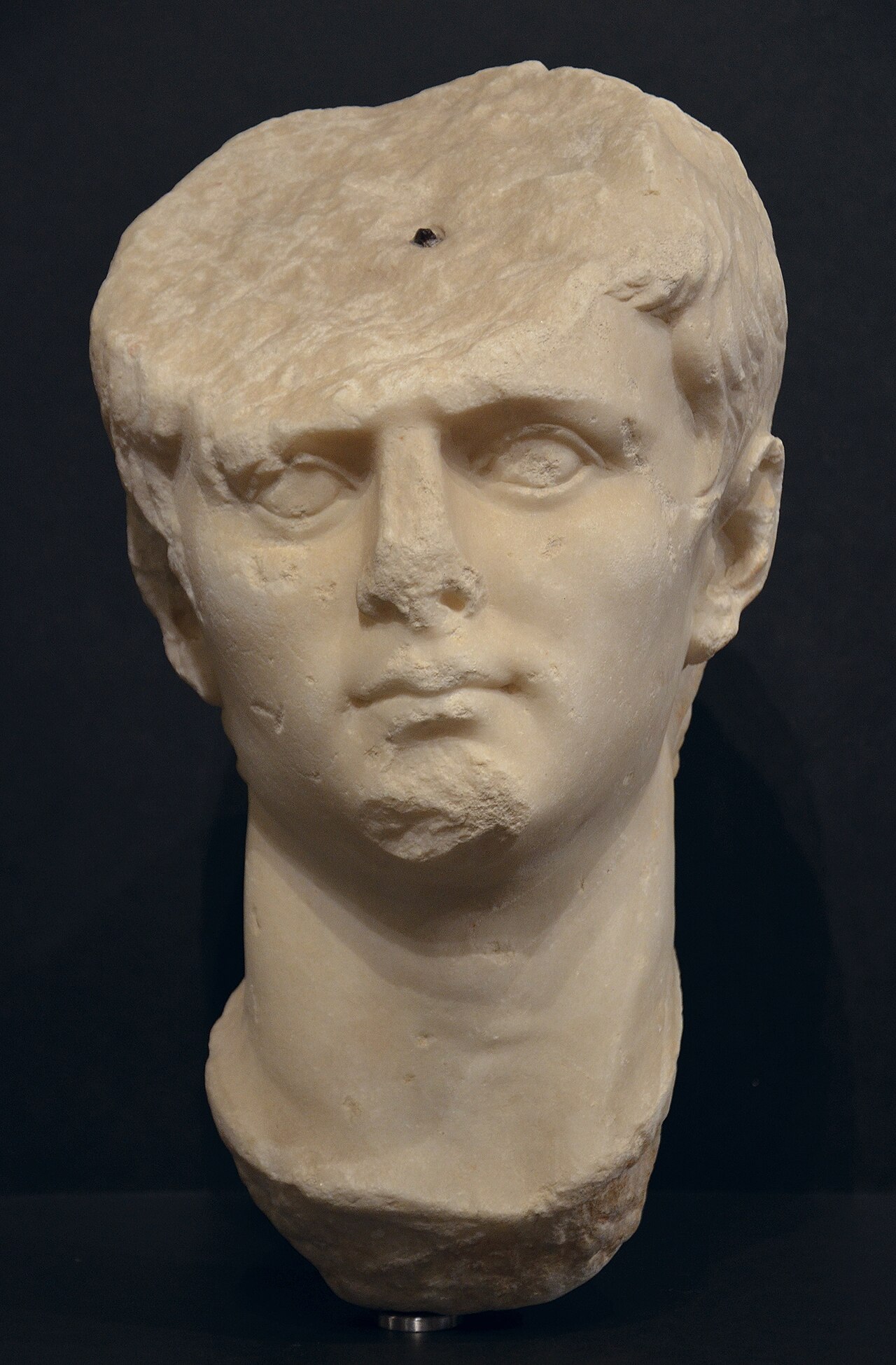
Córdoba was a major city for the Romans long before the caliphs, the capital of the province of Baetica and the home town of Seneca, and the Archaeological Museum is where you see that deep past. It occupies a Renaissance mansion on the Plaza de Jerónimo Páez, a few minutes north-east of the Mezquita, with a modern extension behind it, and its collection runs from prehistory to the Middle Ages. Highlights include Iberian sculpture such as the Lion of Nueva Carteya, Roman statues, mosaics and inscriptions, including a celebrated sculpture of the god Mithras, Visigothic pieces, and an outstanding Islamic section with finds from Medina Azahara, capitals, carved panels, ceramics and bronze. When the museum was expanded, the works uncovered what Spain’s official tourism site describes as the largest theatre of Roman Hispania, and its remains are integrated into the visit, so you can walk among the foundations of a building where Roman Córdoba once watched plays. The museum belongs to the regional government network, and it is one of the best-value visits in the city, with entry free for EU citizens and a token fee for others. It is calm, well laid out and rarely crowded.
Planning the visit: the museum is at Plaza de Jerónimo Páez 7, an easy walk from the Mezquita through the lanes of the old town. Like most museums in Andalusia it closes on Mondays, and opening hours are generally shorter on Sundays and holidays, so check before you go. EU citizens should bring ID for free entry. Allow about an hour and a half, more if you are a keen student of Roman or Islamic art.
How to see it: start in the palace, with its arcaded courtyards, then follow the chronological route from the Iberians to the caliphate. The Islamic galleries make the perfect preparation for, or follow-up to, a trip to Medina Azahara, because many of the finest decorative pieces from the palace-city are displayed here. Descend to the Roman theatre remains to get a sense of the scale of the ancient city, which lay on the slope towards the river.
Why go: it adds the Roman chapter that the Mezquita and the Alcázar only hint at, and it explains much of what you see elsewhere in the city. It is also an ideal rainy-day choice, a quiet escape from the crowds around the Mezquita in the middle of the day, and an affordable visit for families. The Plaza de Jerónimo Páez outside is a pleasant square to pause in, and the Roman temple on Calle Claudio Marcelo is a short walk away for more Roman Córdoba.
What to expect
The experience
A self-guided museum visit through a Renaissance palace and a modern wing, with collections from prehistory to the caliphate and the remains of a Roman theatre.
Best time
Midday, when the Mezquita area is busiest, or any afternoon when the weather turns, Tuesday to Sunday.
How long
About an hour and a half.
Tips
Bring ID if you are an EU citizen, remember the Monday closure and pair it with Medina Azahara to see its finds.
Quick picks
- Best for
- History lovers and anyone heading to Medina Azahara.
- Families
- Affordable, uncrowded and full of sculptures and objects that children can relate to.
- Couples
- A quiet hour among Roman and caliphal treasures, then a drink in the square outside.
- Pair with
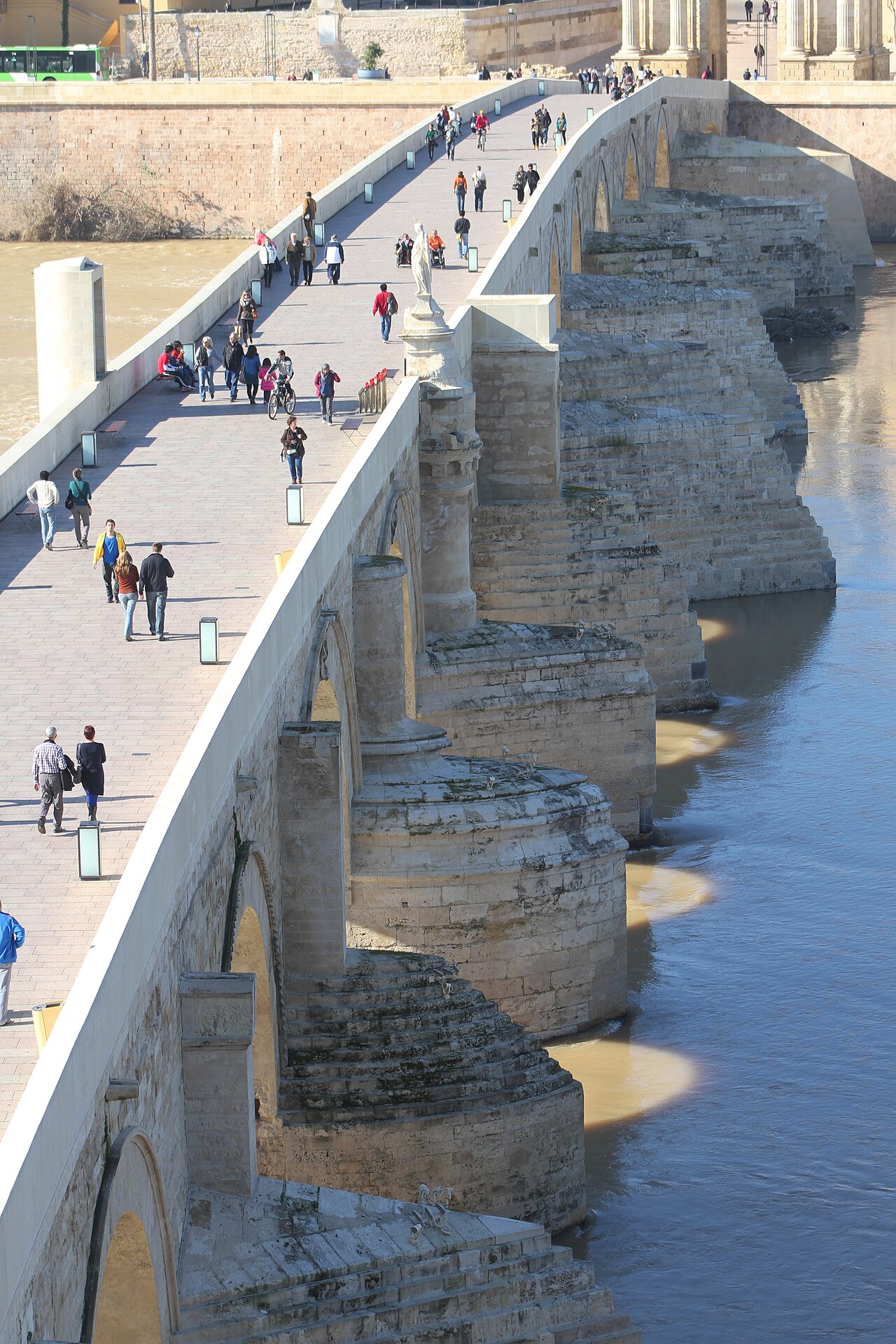
- Medina Azahara for the caliphal story, and the Roman bridge for the Roman one.
- Time needed
- An hour to an hour and a half.
Good questions
Is the Archaeological Museum of Córdoba free?+
Entry has long been free for EU citizens, with a token fee for other visitors. Bring ID to claim free entry.
What are the highlights of the museum?+
Look for the Iberian Lion of Nueva Carteya, the Roman sculpture of Mithras and the Islamic galleries with finds from Medina Azahara. The Roman theatre remains are part of the visit.
Where is the Roman theatre in Córdoba?+
Its remains were uncovered during the museum’s expansion and are integrated into the visit. Spain’s official tourism site calls it the largest theatre of Roman Hispania.
Is the museum open on Mondays?+
No, like most Andalusian museums it closes on Mondays. Hours are usually shorter on Sundays and holidays.
How long should I spend at the museum?+
Allow about an hour and a half. Keen fans of Roman and Islamic art could easily spend longer.