Córdoba is the most rewarding small city in Andalusia, and one of the easiest to get wrong. Most visitors arrive from Seville or Madrid on a fast train, spend three hours at the Mezquita and leave before lunch. Stay at least one night and you discover a different city: quiet lanes after the day-trippers have gone, floodlit monuments, patios glimpsed through iron gates and tapas bars full of locals. Here is how to plan it.
How many days
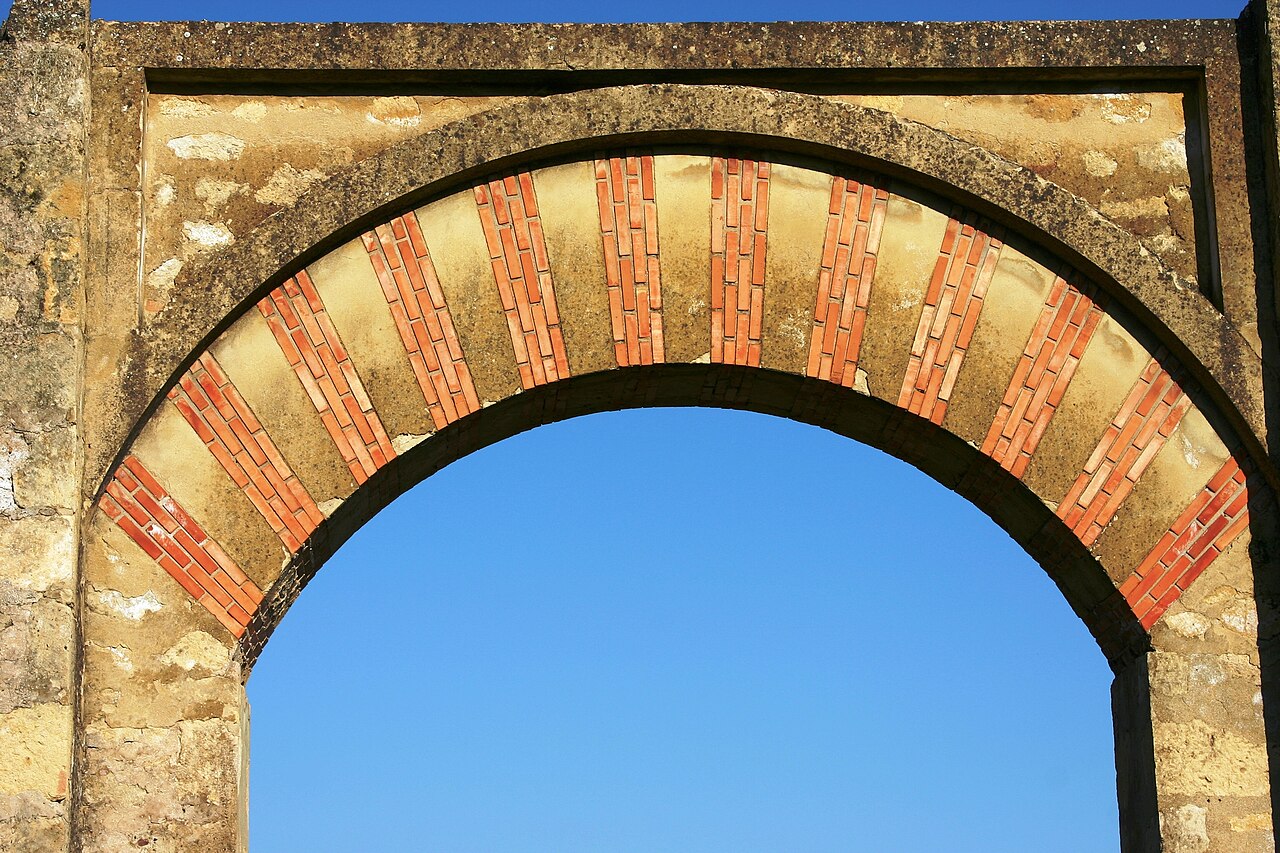
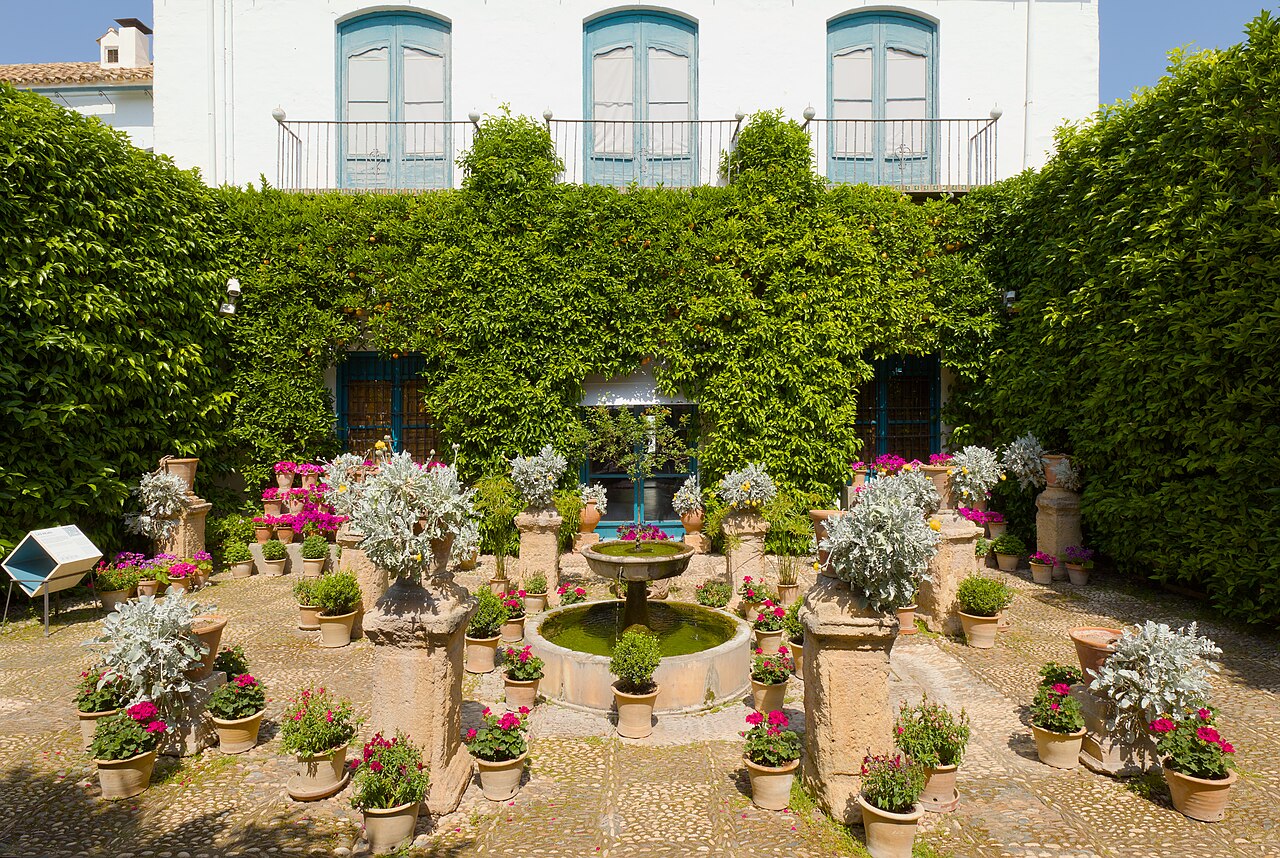
One full day covers the essentials: the Mezquita, the Jewish quarter, the Alcázar and a sunset walk across the Roman bridge. Two days is the sweet spot, because it adds Medina Azahara, the ruined palace-city of the caliphs outside town, and the Palacio de Viana with its twelve patios, plus an evening of flamenco or the Andalusian horse show. With three days you can slow down, add the Archaeological Museum and explore the northern quarters of San Pedro, Santa Marina and San Lorenzo with their Fernandine churches.
What to book ahead
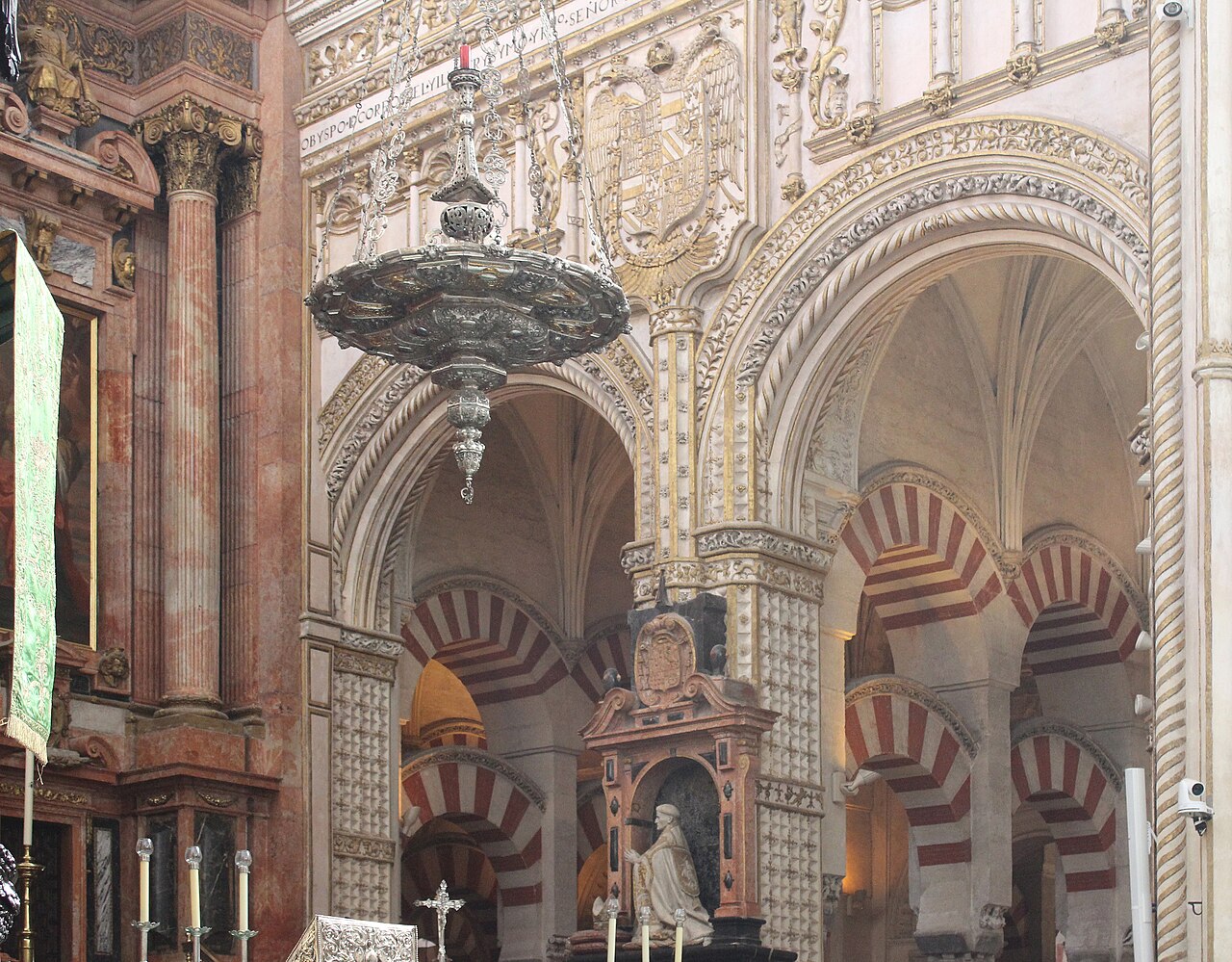
The Mezquita is the one visit to plan carefully. On 4 November 2026 the official site lists opening from 10:00 to 18:00, and from Monday to Saturday there is a free visit from 08:30 to 09:30, without groups. For a proper visit, book a guided tour or an audio guide, and add the bell tower, which is visited in timed half-hour slots. Medina Azahara is easiest on a guided tour with transport, so book that a day or two ahead. Flamenco tickets and the horse show at the Royal Stables are worth securing for your chosen evening, and the flamenco ticket is non-refundable. In May, book everything early, because the Cruces de Mayo, the Patios Festival and the fair fill the city.
Mondays and winter hours
Monday is the day to watch. Medina Azahara, the Alcázar, the Palacio de Viana and the Archaeological Museum all close on Mondays, while the Mezquita opens. If Monday falls in your trip, use it for the Mezquita, the Jewish quarter tour, the Roman bridge and a show. In November, days are shorter and some timetables change: the hop-on hop-off bus, for example, makes its last departures at 18:00 from 2 November, with a midday break.
What to know after the 2025 fire
In August 2025 a fire damaged chapels in the Almanzor extension of the Mezquita. It was quickly controlled and the monument reopened the next day, but restoration of the affected area is ongoing, so part of the eastern prayer hall may be screened off. The rest of the visit is unaffected. The night show El Alma de Córdoba is sold on the official site, but check whether it is running on your dates.
Getting there and getting around
Córdoba is on the high-speed line between Madrid and Seville, and the station is a short taxi ride or about twenty to thirty minutes on foot from the old town. Once there, walk: the historic centre is compact, flat and largely closed to traffic, and the lanes of the Jewish quarter are a pleasure in themselves. For the northern sights or tired legs, the hop-on hop-off bus runs two routes, including a minibus through the old town to the Palacio de Viana. Driving inside the centre is restricted, so if you arrive by car choose a hotel with parking or use a public car park on the edge.
Day one: the old town
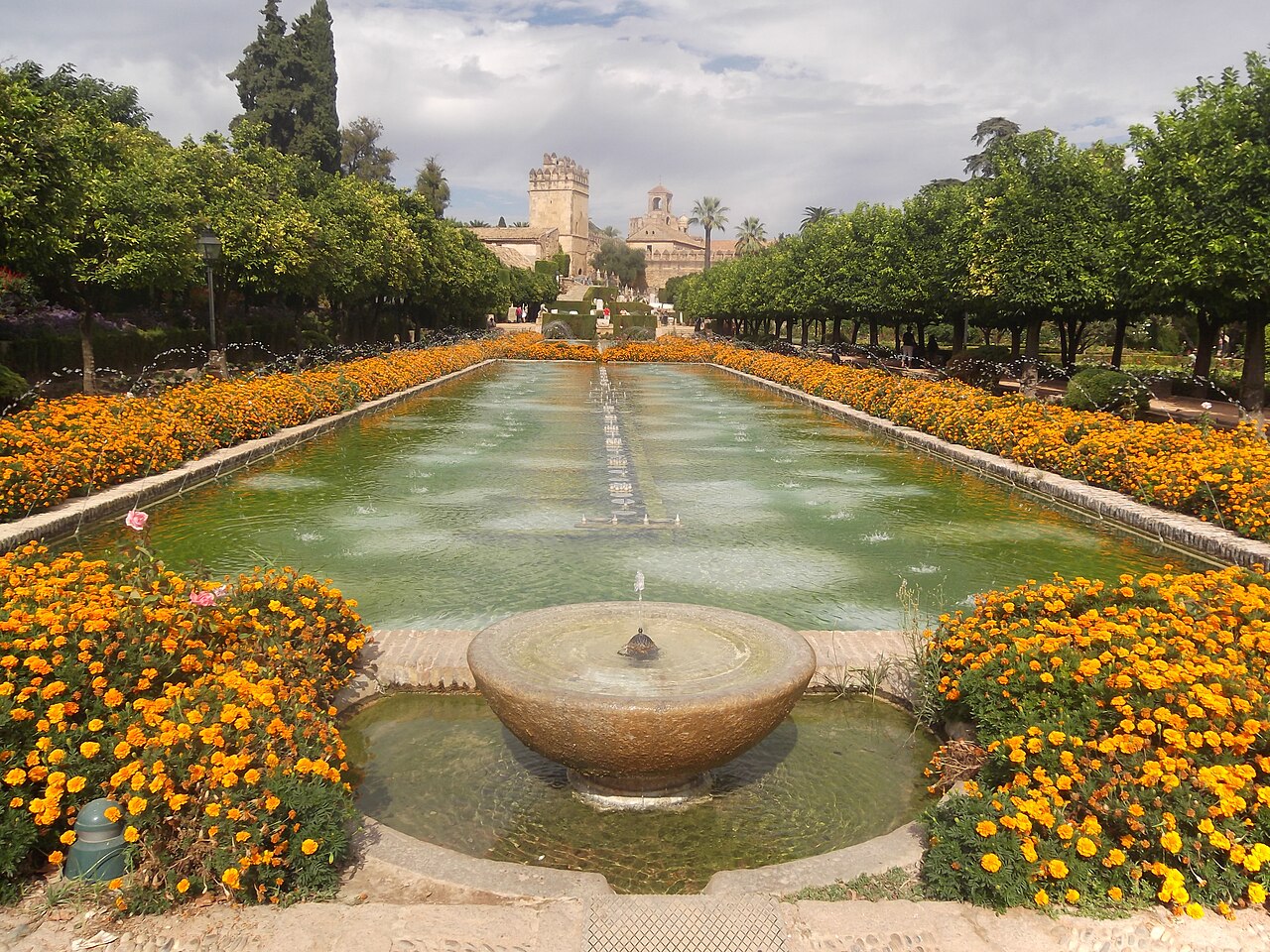
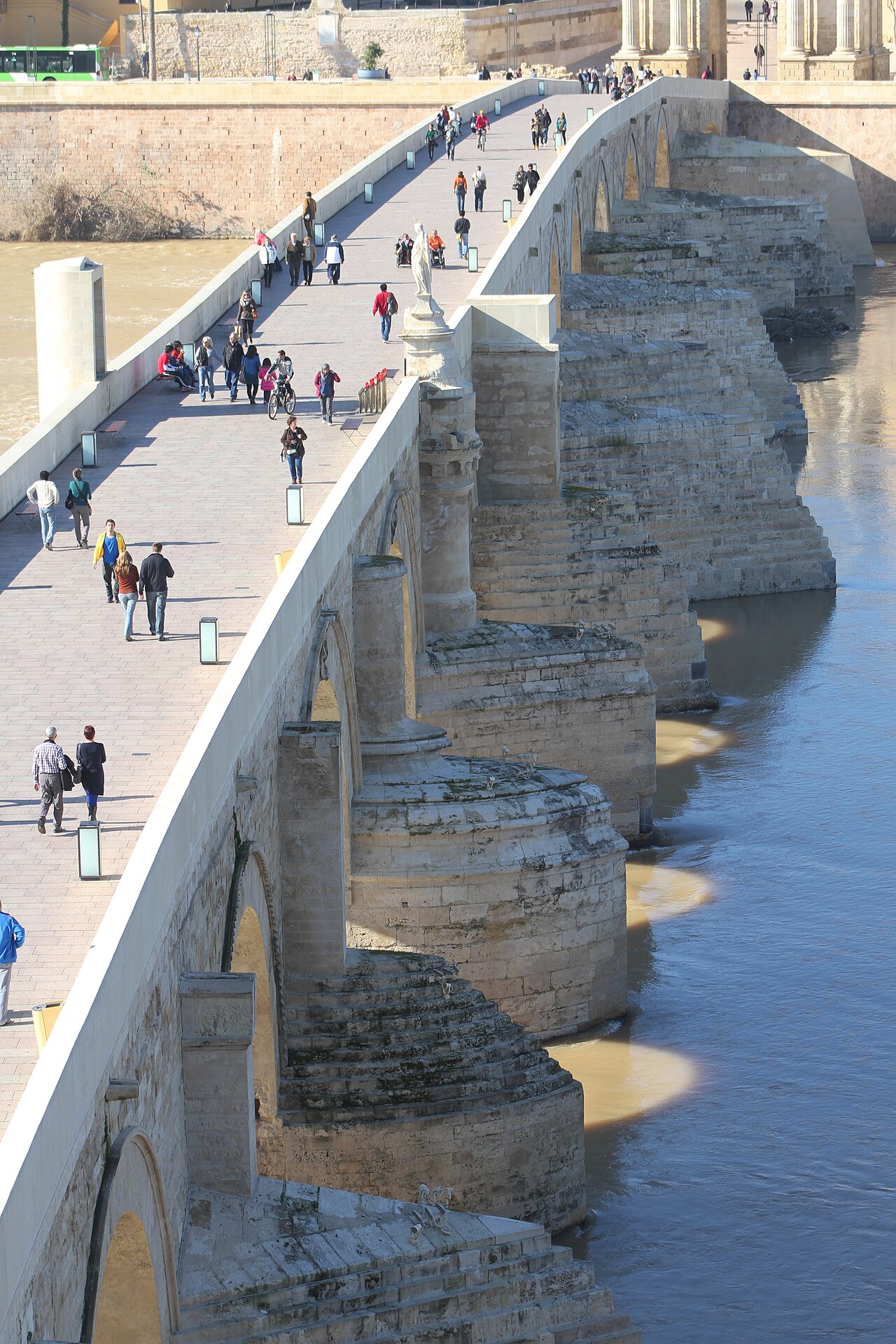
Arrive at the Mezquita early, then wander into the Jewish quarter for the synagogue, the Maimonides square and the Calleja de las Flores. After lunch, visit the Alcázar and its gardens, and finish with the sunset from the Roman bridge and a look into the Calahorra Tower. In the evening, see flamenco in the Jewish quarter.
Day two: caliphs and patios
Take a morning guided tour to Medina Azahara, then return for a late lunch and an afternoon at the Palacio de Viana. Walk back through the Plaza de la Corredera, and spend the evening at the horse show in the Royal Stables or simply strolling the lit-up lanes.
When to go
Spring is the classic season, with orange blossom and the May patios. Summer is extremely hot, so sightseeing happens early and late. Autumn and winter are underrated: mild sunny days, quieter monuments and patios that are green even without the spring flowers. Whatever the season, bring comfortable shoes for the cobbles and a little patience for the crowds at the Mezquita in the middle of the day.