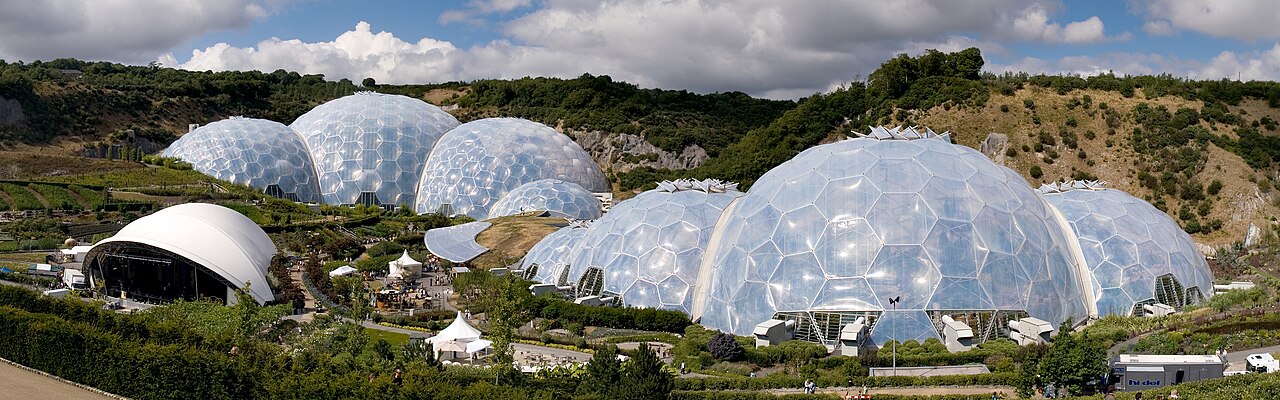
The Lost Gardens of Heligan are among the most beloved gardens in Britain. They belong to the Tremayne family estate near Mevagissey, which flourished in the nineteenth century before falling into neglect after the First World War, when many of its gardeners did not return from the fighting. The grounds were overgrown for decades until their rediscovery in the early 1990s, when a restoration project led by Tim Smit, later of the Eden Project, began to bring them back to life. Today you can wander through productive gardens with their walled plots, glasshouses, pineapple pits and flower beds, then enter the Jungle, a steep valley of tree ferns, bamboo, giant rhubarb and subtropical planting with a rope bridge and winding paths. Beyond that lie woodland trails and the Lost Valley, where sculptures such as the Mud Maid and the Giant's Head appear among the trees. The gardens feel romantic and slightly wild, with a story of loss and revival running through them.
Why visit
Heligan is about more than flowers. It tells a human story of a house, its gardeners and the way nature reclaims a place, and its mix of formal gardens, jungle and woodland gives variety for a half day or more. It is also one of the most family-friendly garden visits in Cornwall, with plenty of space for children to explore.
What to see
Start in the productive gardens, where vegetables, fruit and flowers grow in walled enclosures, and visit the glasshouses and the pineapple pits that recall Victorian ambition. Then walk into the Jungle, crossing the Burma rope bridge and following the boardwalk through lush planting. Beyond lies the Lost Valley, with its lakes, woodland and sculptures. There is also a wildlife observation hide and cafes serving food with produce from the gardens.
Planning
The grounds are large, with hills and uneven paths, so wear sturdy shoes and allow three to four hours. Heligan is closest to Mevagissey and Pentewan and about a short drive from the Eden Project, so many visitors combine them on a two-day plan. Spring brings flowers and camellias, summer brings lush growth and autumn brings colour, while winter is quiet. Check opening hours and any seasonal events, and consider a visit on a drier day, as paths can be muddy after rain.
What to expect
The experience
A self-guided walk through restored Victorian gardens, a subtropical jungle valley and woodland with sculptures.
Best time
Spring and early summer for flowers, autumn for colour; weekday mornings are quietest.
How long
Three to four hours.
Tips
Wear sturdy shoes, bring a waterproof and combine with Mevagissey harbour or the Eden Project.
Quick picks
- Best for
- Garden lovers, families and anyone who enjoys a story of rediscovery.
- Families
- Excellent, with space to explore, a rope bridge, sculptures and a wildlife hide.
- Couples
- A leisurely walk through the Jungle and the productive gardens.
- Pair with
- Eden Project, Mevagissey and Caerhays.
- Time needed
- Half a day.
Good questions
Why are they called the Lost Gardens?+
They were abandoned and overgrown for decades after the First World War and rediscovered in the early 1990s.
How long do I need at Heligan?+
Allow three to four hours, longer if you want to see everything or stop for lunch.
Is it suitable for children?+
Yes. The jungle, rope bridge, sculptures and wildlife hide appeal to many children.
Is Heligan accessible?+
Parts of the gardens are hilly with uneven paths, so access varies. Check with the venue for current advice.
Can I visit Heligan and the Eden Project in one day?+
It is possible but rushed. Most visitors give each a half-day or visit on separate days.