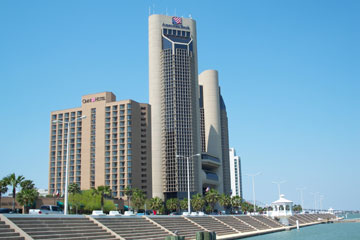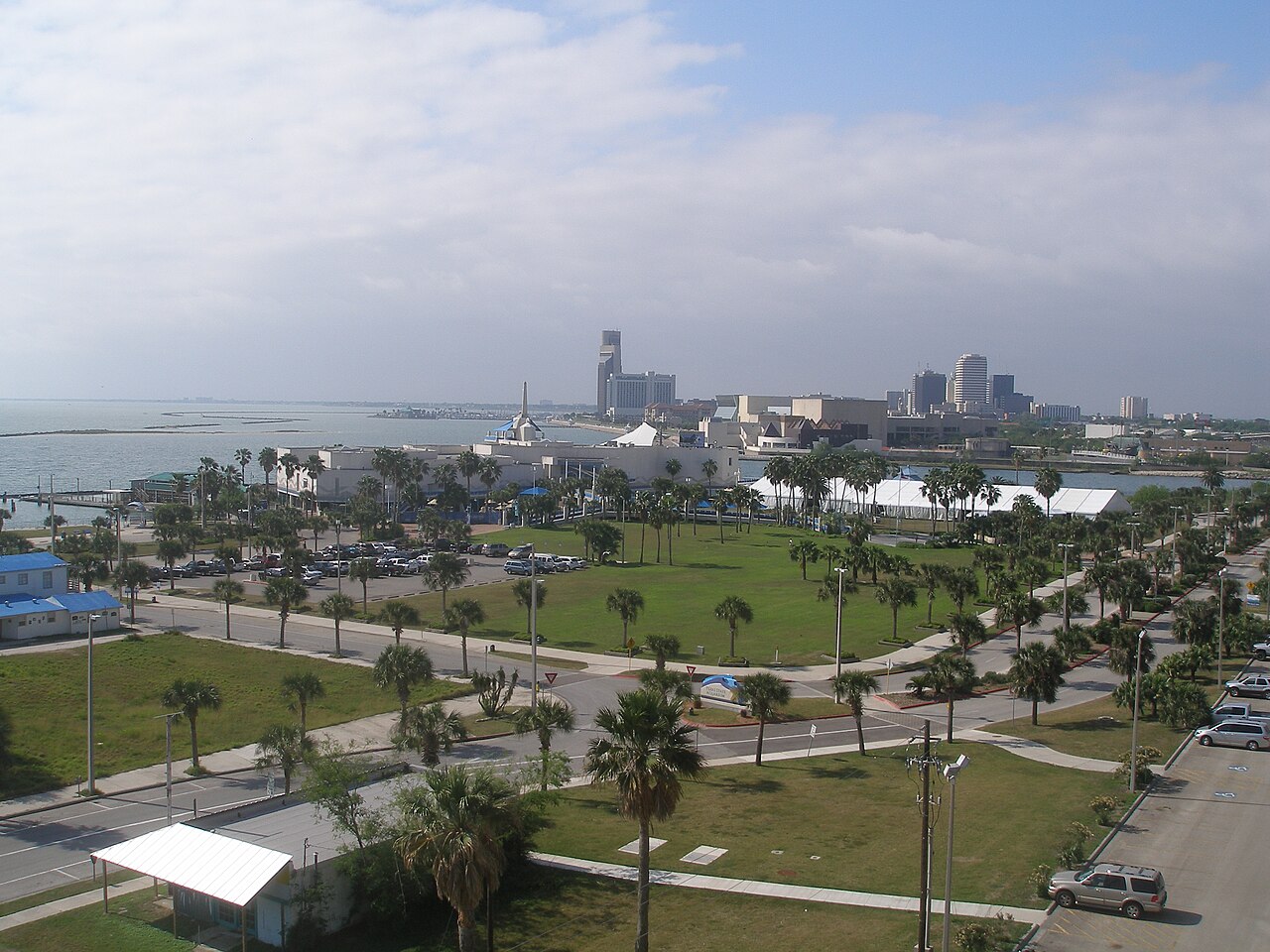
Corpus Christi surprises first-time visitors. People expect a simple beach town and find a working port city with a bayfront promenade, a World War II aircraft carrier, a major aquarium and, a short drive away, one of the longest stretches of undeveloped barrier island in the world. The city sits on the western edge of the Gulf of Mexico about two and a half hours south of San Antonio and three and a half from Houston, and its nickname, the Sparkling City by the Sea, comes from the way sunlight catches the bay. This guide explains how the area fits together so you can plan sensibly.
Understand the layout
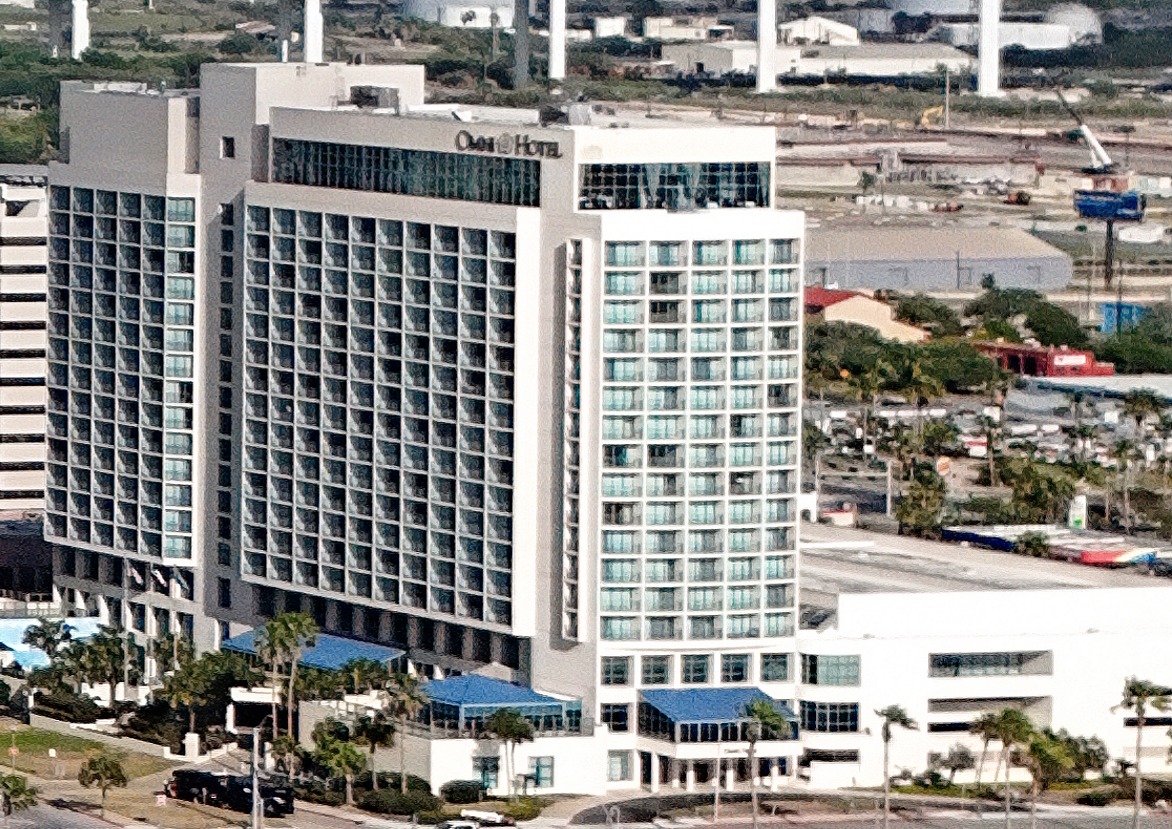
There are four zones. Downtown and the Seawall run along Corpus Christi Bay, with the marina, restaurants and hotels. Across the water, reached by the Harbor Bridge, North Beach holds the Texas State Aquarium, the USS Lexington Museum on the Bay and a calm bay beach. South of the city, a causeway leads to North Padre Island, where Gulf beaches, vacation rentals and the entrance to Padre Island National Seashore are found. Farther north, Mustang Island and the town of Port Aransas face the Gulf, while Rockport and Fulton lie beyond on Aransas Bay.
Getting there and around
Most visitors fly into Corpus Christi International Airport or drive from San Antonio, Houston or Austin. A car is by far the easiest way to see the region, because the best nature areas, the island beaches and the day trips are spread out. Ride share works in town, and the free ferry across the ship channel is part of the route to Port Aransas. Parking at most attractions is simple, though beach areas fill on summer weekends.
The big three
If you only have a day or two, begin with the Texas State Aquarium and the USS Lexington, which sit side by side and can fill most of a day. Add a sunset walk on the Seawall, where families, runners and fishermen share the promenade, and a seafood dinner with a bay view. These three give a good sense of the city's character: the Gulf, the military and maritime past and a laid-back waterfront.
Beaches, and which to choose
The beaches differ more than most newcomers expect. North Beach and McGee Beach are calm bay beaches close to town, good for small children and quick dips. Padre Island National Seashore and Mustang Island State Park offer Gulf surf, wide sand and a more natural feel. Port Aransas has a lively town beach where driving on the sand is allowed in designated areas. Choose by mood: convenience, wilderness or small-town fun.
Wildlife and nature
The coast is one of the great birding regions of North America. Padre Island is a nesting site for the Kemp's ridley sea turtle, and the summer hatchling releases are a memorable experience when they occur. In winter, whooping cranes gather near Rockport, and boat tours let you see them. Charlie's Pasture in Port Aransas and Goose Island State Park offer free or low-cost birding with boardwalks and towers. Bring binoculars, even if you are not a birder.
Culture and history
Selena, the Queen of Tejano music, grew up here, and the statue on the bayfront and her museum draw fans from around the world. The Texas Maritime Museum in Rockport tells the story of the coast, and a day trip to King Ranch near Kingsville adds a taste of Texas ranching. A walking ghost tour downtown is a fun evening activity with local legends.
Weather and seasons
Summers are hot and humid with warm Gulf water, winters are mild with occasional cold fronts and spring and autumn are the most comfortable. Hurricane season runs from June through November, with the greatest risk in late summer and early autumn, so buy flexible bookings and watch forecasts if you travel then. Always carry water, sun protection and a hat, because the coast is open and sunny.
Plan your pace
Corpus Christi rewards a slower rhythm than a typical city break. Three full days are enough to cover the highlights: one for the aquarium, the carrier and the Seawall, one for Padre Island or Port Aransas and one for a day trip to Rockport, the cranes or King Ranch. Longer stays let you add kayaking, fishing, museums and unplanned beach time. Book popular tours and hotels early for spring break and summer weekends, and leave a little space in the schedule for weather.
Food and drink
Eat like a local by leaning on Gulf seafood and Tex-Mex. Fried shrimp, grilled redfish, oysters, ceviche and fish tacos are common, and breakfast tacos are a morning ritual across South Texas. Bayfront restaurants offer water views, while neighborhood spots away from the tourist strip often have lower prices and shorter waits. Ask your hotel for recent favorites, and try a local brewery or a cold paleta on a hot afternoon.