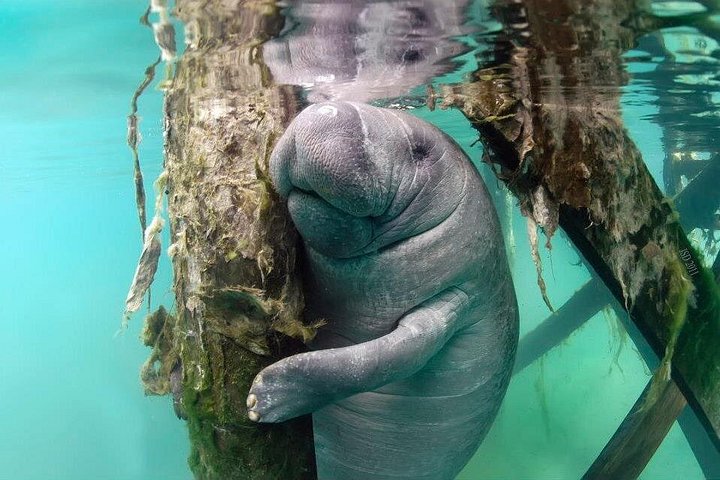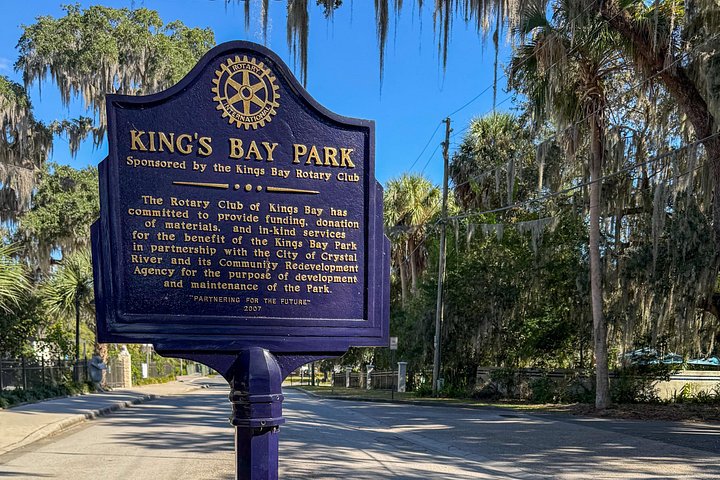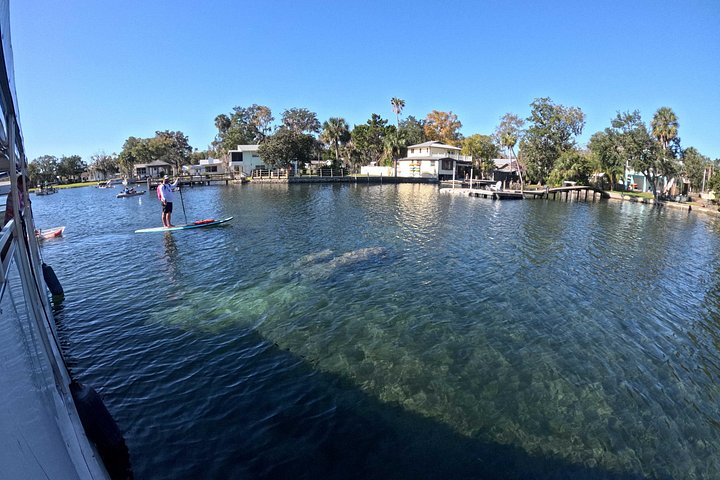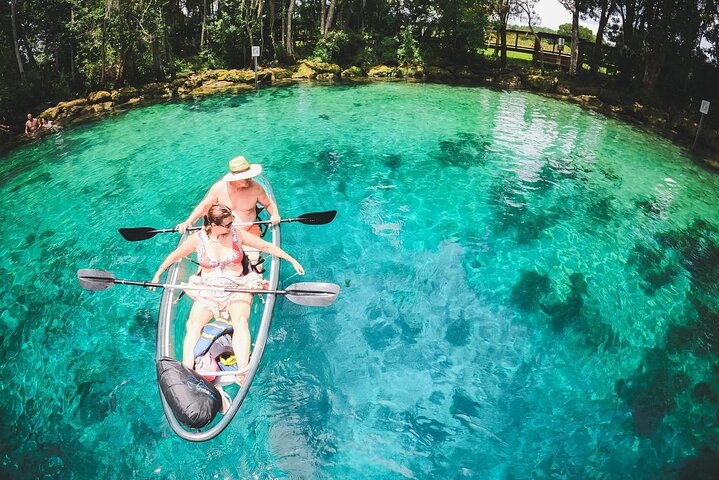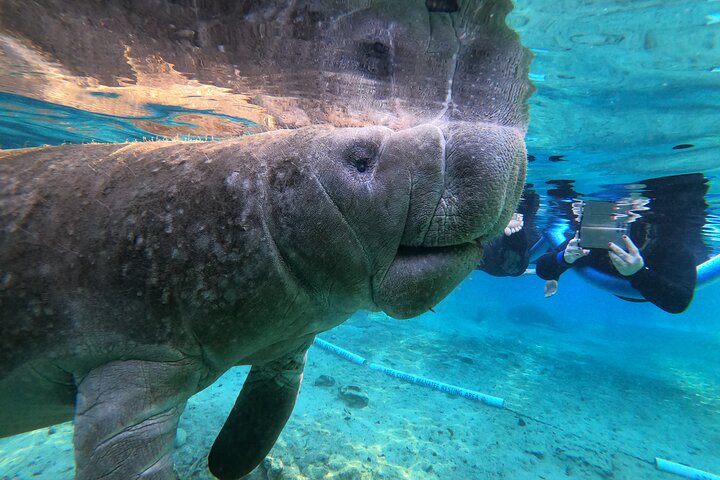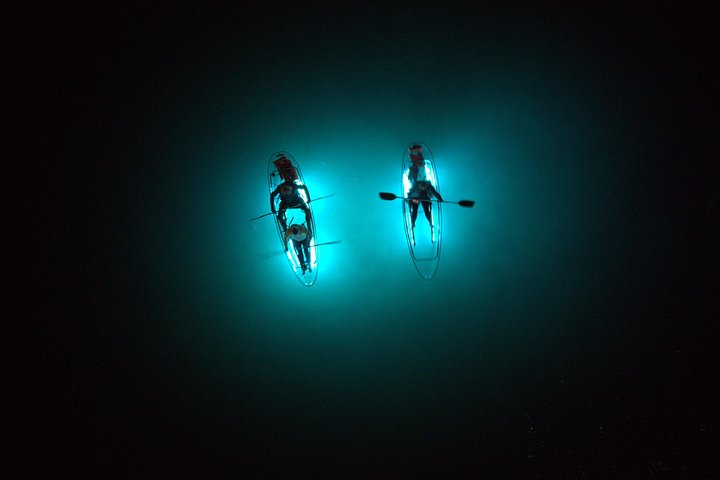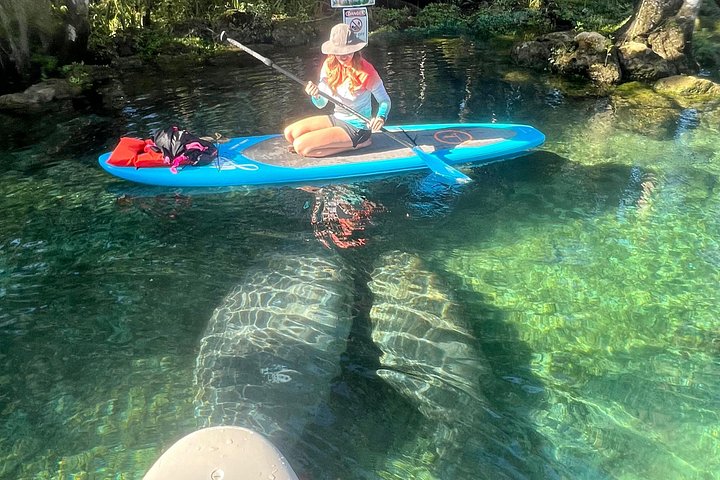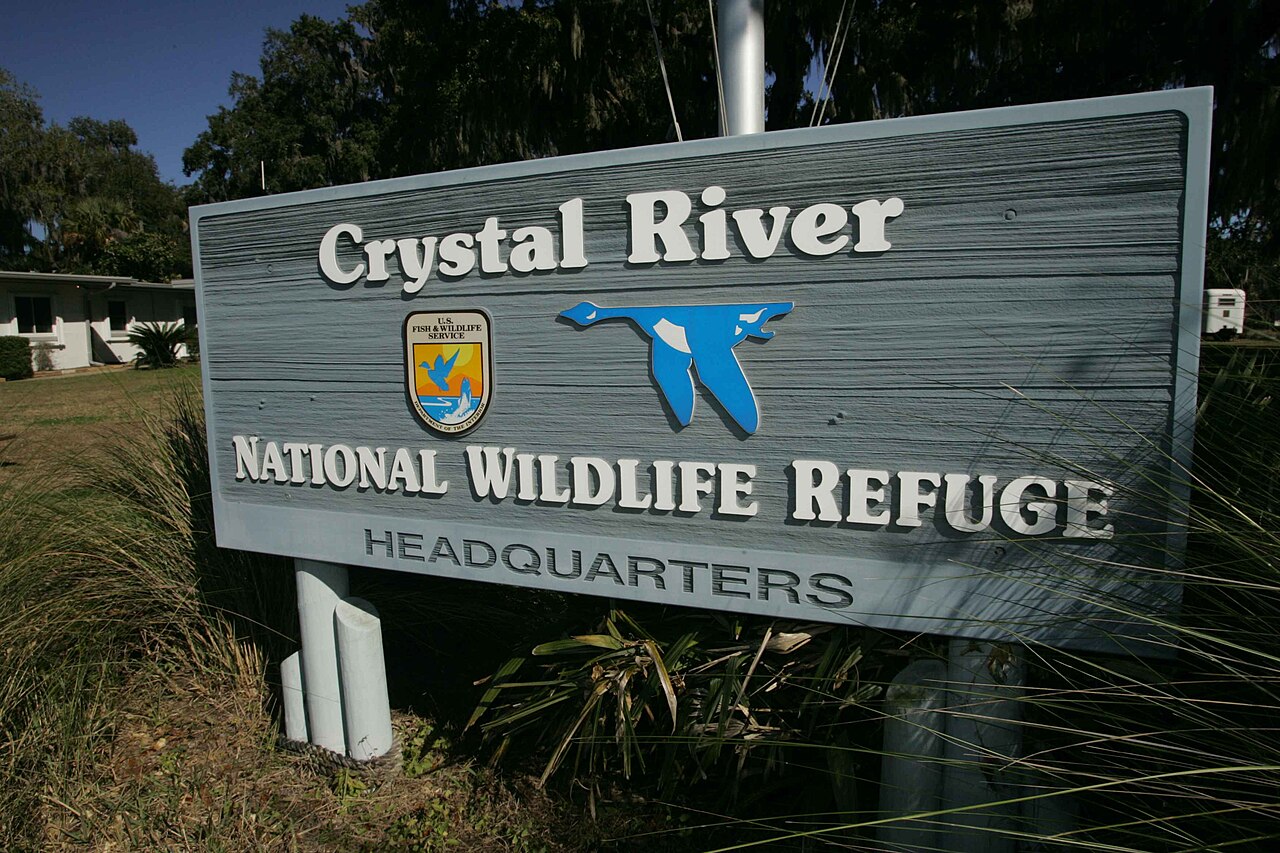
Behind the tours and the postcards sits the reason Crystal River works at all: a national wildlife refuge established to protect manatees and the springs they depend on. The refuge covers the waters of Kings Bay, dozens of springs and a scattering of islands, and its managers set the rules that govern every swim, paddle and cruise in the area. Understanding the refuge makes you a better visitor, and a stop at its visitor information is a quick, free way to learn how to see the animals responsibly.
The refuge was created in the early 1980s as the first in the country established specifically to protect the manatee. Kings Bay is fed by roughly seventy springs that hold the water near seventy-two degrees all year, which is why manatees migrate here when the Gulf cools. In winter, the refuge designates sanctuary areas where boating and swimming are restricted so animals can rest undisturbed. Boundaries, signs and seasonal closures are part of daily life for local operators, and a good guide will explain them clearly as you go.
Visitors can experience the refuge in several ways. Most people meet it through a guided swim, a boat cruise or a kayak trip, all of which operate under refuge rules. Others walk the boardwalks at the springs, watch from shore or visit the refuge's information sites, which explain the biology and the history of conservation here. Birdwatchers can look for herons, egrets, ospreys, pelicans and, in the right season, migrating waterfowl. The islands and backwaters are mostly reached by boat, and some are closed to the public to protect nesting birds.
A few habits make a visit better. Check the refuge's current guidance before you go, since access rules change by season and by area. Keep your distance from manatees, never feed or give them water, and use a polarized pair of sunglasses to spot animals from the boat. Support the work by choosing licensed operators, avoiding single-use plastics and following posted speed zones if you are on your own boat.
Early winter mornings and cold fronts bring the biggest manatee gatherings; summer is quieter but still rewarding for birds and for paddling. Allow time to read the interpretive signs, and bring binoculars if you have them.
If you want to go deeper, plan a short stop at one of the refuge's information points before you book a tour, and ask what has changed in the past season. Questions to ask include which areas are currently closed, how many manatees have been counted recently and what visitors can do to help. Volunteers and rangers are generous with their time and often know the individual animals by their scars and markings.
Supporting the work can be as simple as buying from licensed local operators, picking up litter and spreading the word about responsible behavior. For families, the refuge is an easy way to turn a fun vacation into a lesson about conservation that children remember.
Keep the visit simple
Read the signs, ask one good question, and let the guide or ranger show you what a healthy, protected bay looks like. Carry a reusable bottle and leave nothing behind.
If you only remember one rule, remember this: the refuge exists for the animals first, and visitors are welcome guests, so a little patience and humility go a long way.
What to expect
The experience
A protected area of bay, springs and islands, experienced mainly through tours, paddling and viewing sites that follow refuge rules.
Best time
Winter brings the largest manatee gatherings; summer is quieter and good for birds.
How long
An hour at an information site, or a full day with tours.
Tips
Check current rules, keep your distance from manatees and choose licensed operators.
Quick picks
- Best for
- Nature lovers and anyone who wants to understand the manatees' story.
- Families
- A good place to teach children about conservation.
- Couples
- A thoughtful stop before or after a swim or paddle.
- Pair with
- Three Sisters Springs or a Kings Bay cruise.
- Time needed
- One to two hours.
Good questions
What is the refuge for?+
It was created to protect the West Indian manatee and the springs and bays that shelter it.
Can I swim in the refuge?+
Yes, with licensed operators and under refuge rules. Some areas are closed seasonally to protect animals.
When is the best time to visit?+
Winter has the most manatees, while summer is quieter and still good for birds and paddling.
Is there an entry fee?+
Access to the refuge itself is generally free, though tours and some adjacent sites charge fees.
How do I see manatees responsibly?+
Keep your distance, never touch or feed them, and follow your guide's instructions.