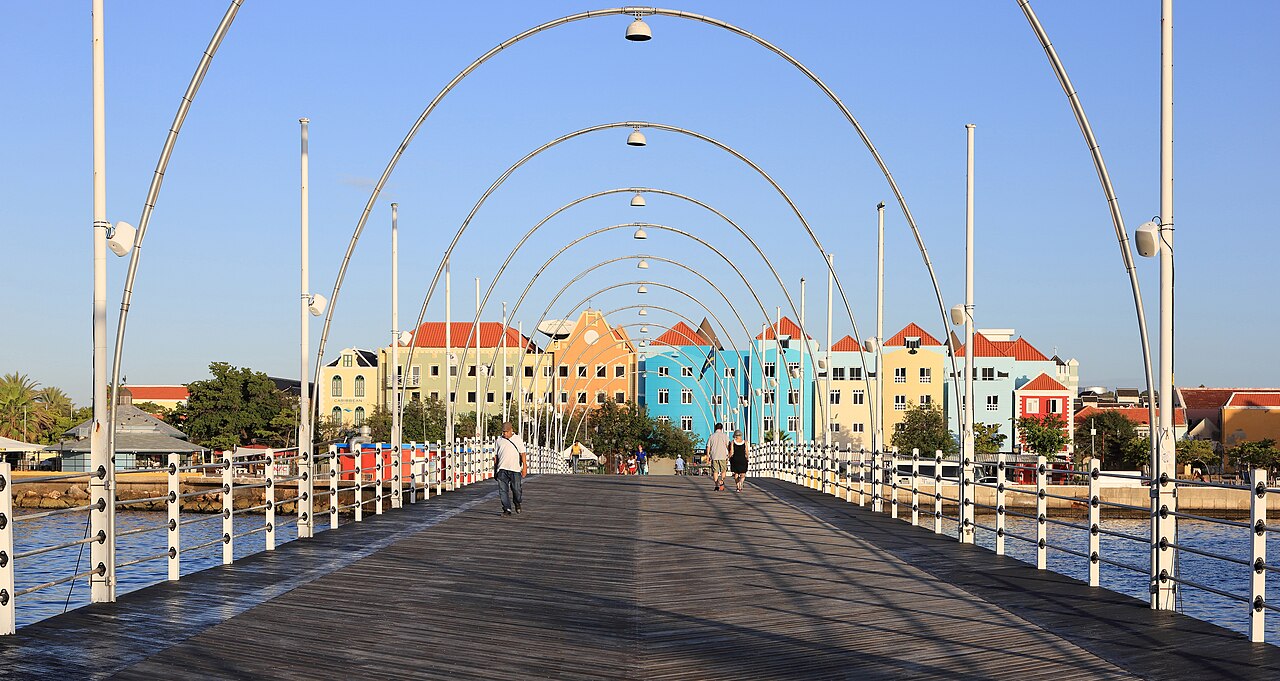
Curaçao is a long, dry island with a small, colorful capital at its center. Willemstad is where the history, the restaurants and the UNESCO districts are, the beaches and national parks are scattered along the coasts, and the best of it is spread out rather than packed together. A first visit works best with a short list of bookings made ahead and a rental car or a taxi plan for the rest. Here is how to build it.
What to book ahead
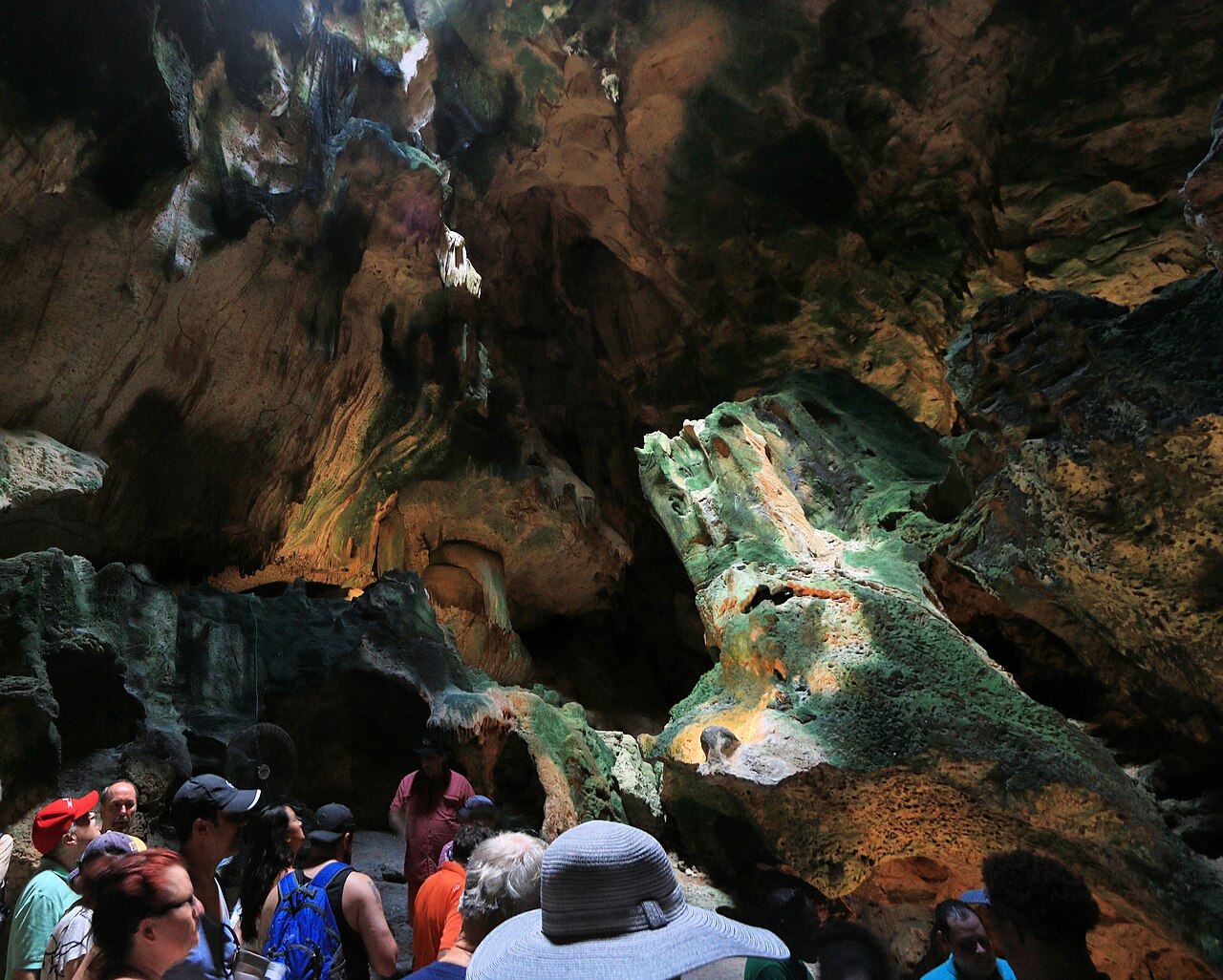
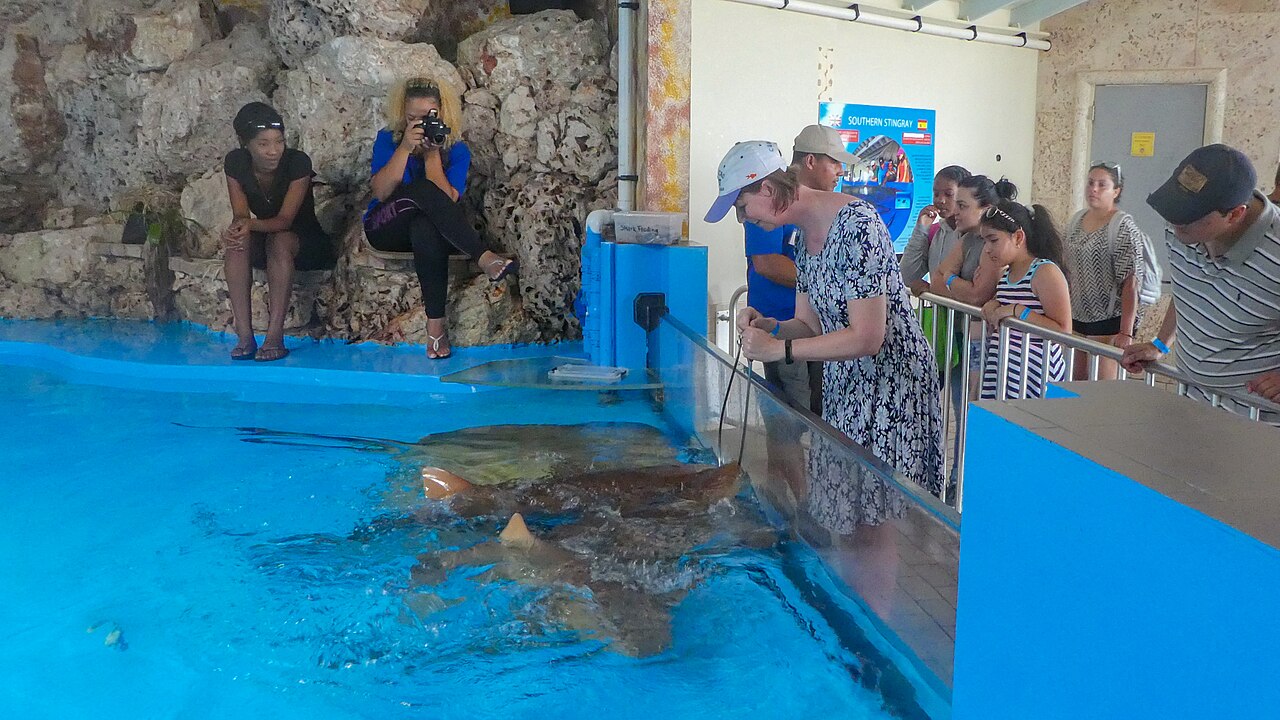
Three experiences are worth reserving before you arrive. First, the Klein Curaçao catamaran day, which sells out in the dry season and is the single most popular excursion on the island; the Viator listing offers free cancellation up to 24 hours before. Second, a west-coast turtle swim with Grote Knip, which is easiest as a guided tour. Third, the Blue Curaçao distillery tour, which only runs on weekdays and fills up when cruise ships are in port. The Sea Aquarium and the Hato Caves can usually be done with a day's notice, though the combined Hato Caves beach tour is worth booking a few days out.
How many days
Four to five days gives a comfortable first trip: one day for Willemstad on foot, one for Klein Curaçao, one for the west coast with Hato Caves or Christoffel Park, one for the Sea Aquarium and a beach, and a spare day to relax. A long weekend can still cover Willemstad, the aquarium and one big excursion. With a week, add Shete Boka and a sunrise climb up Mount Christoffel.
Getting around
Curaçao is easiest with a rental car, which gives you the beaches and parks at your own pace; driving is on the right and roads are generally good, though some park tracks are rough. Taxis are plentiful in Willemstad but expensive for long distances, and the public buses from Punda serve the main routes slowly. If you are staying in the old town and plan only a couple of excursions, you can manage without a car by booking tours that include pickup. The airport is about twenty minutes from the center of Willemstad.
Willemstad on foot
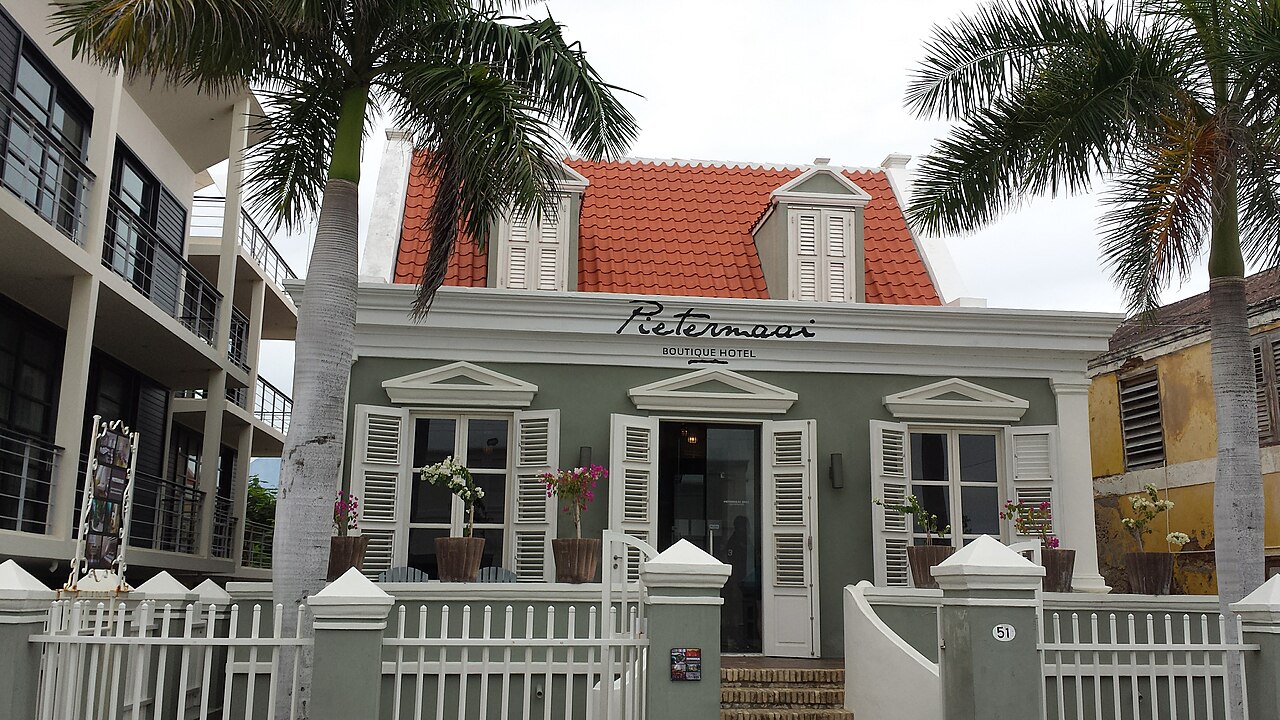
Spend half a day in Punda and Otrobanda. Walk the Handelskade, cross the Queen Emma pontoon bridge, wander Otrobanda and, if you can, visit the Mikvé Israel-Emanuel synagogue, consecrated in 1732, and the Kurá Hulanda Museum. UNESCO protects four historic districts here: Punda, Otrobanda, Pietermaai and Scharloo, and all are walkable. Go early or late to avoid the heat and the cruise-ship crowds.
The north coast and the parks
The northwest corner holds Christoffel National Park and Shete Boka. For the mountain climb, arrive when the park opens, because you can only start before 10 am. Shete Boka has opened at 8:00 am since July 2026, and the blowholes are most dramatic when the sea is rough, so stay well back from the edge. Both parks are hot and exposed, so carry water.
Beaches and snorkeling
The best beaches are on the west coast, such as Grote Knip, where the water is clear and turtles graze in the shallows. The southeast has the Mambo Beach strip and the Sea Aquarium. Reef-safe sunscreen and a rash vest go a long way, because the sun is strong all year.
Money and practicalities
US dollars are widely accepted, and prices for many tourist activities are quoted in dollars. Dutch, Papiamentu, English and Spanish are all spoken, so language is rarely an issue. The climate is dry and warm year-round, with a short showery season in the late autumn; check the forecast, because windy days can cancel boat trips. Book a car early in the dry season from December to April.
A simple plan
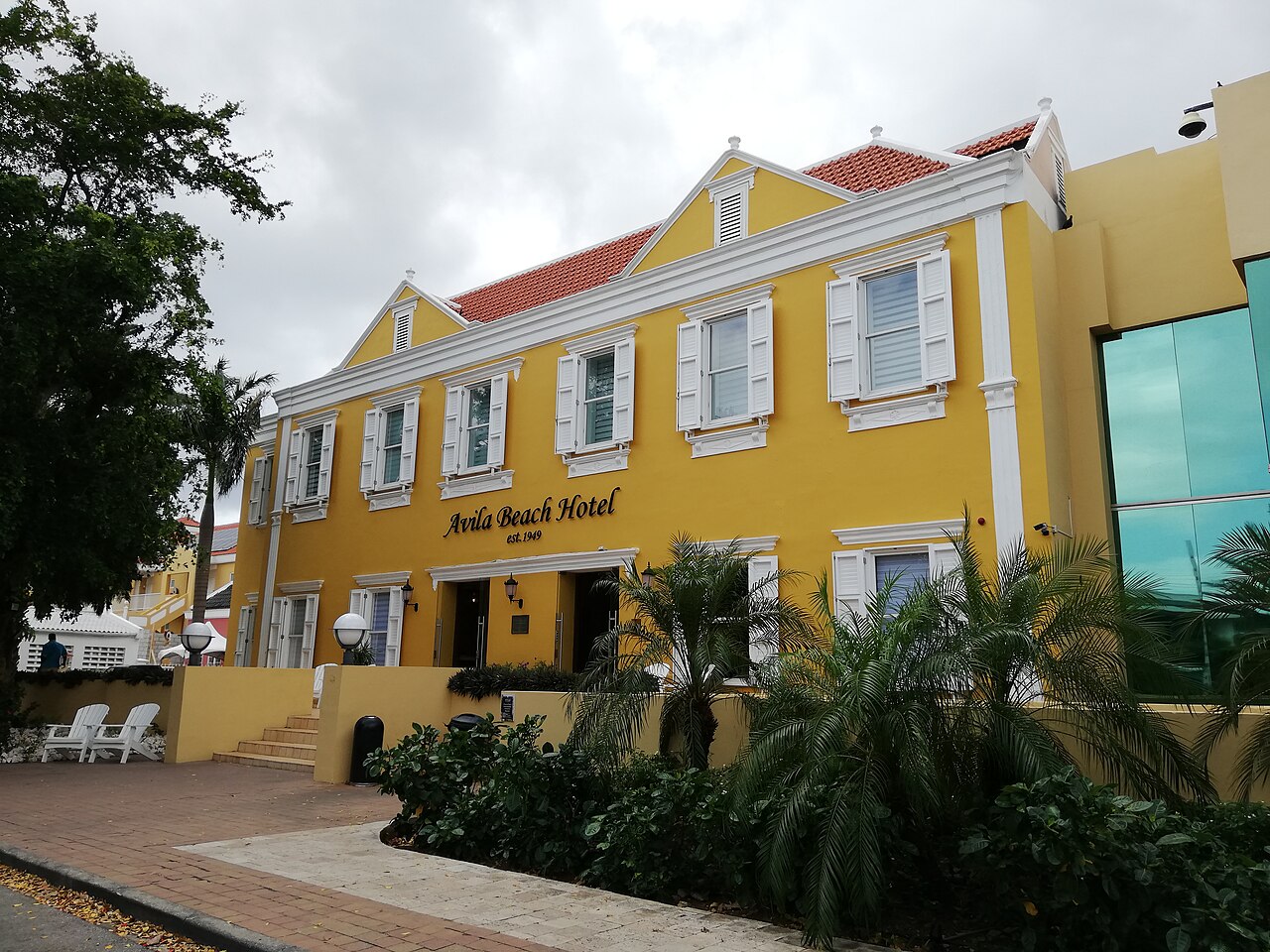
Arrive and settle in, then spend day one in Willemstad. Do the catamaran on day two, a west-coast day on day three, the Sea Aquarium and a beach on day four, and keep day five for the national parks or the distillery. Where you stay shapes the plan, so read our guide to where to stay in Willemstad before you book.