Dresden is a city that rewards a little planning. The historic heart is small, and almost every famous building in the Old Town lies within a ten-minute walk of the Frauenkirche, but the treasures inside those buildings are rich enough to fill several days, and some of the best experiences, from the palace at Pillnitz to the sandstone towers of Saxon Switzerland, lie along the Elbe outside the centre. Here is how to put it together.
How many days
One full day covers the Old Town: the Zwinger and the Old Masters, the Frauenkirche and the Residenzschloss, and an evening on Brühl’s Terrace. Two days is the sweet spot, adding the Green Vault properly, a Semperoper tour and an afternoon in the Neustadt across the river. With three or four days you can add a paddle steamer to Pillnitz, the Panometer and a full-day trip to the Bastei Bridge in Saxon Switzerland.
What to book ahead
The Historic Green Vault sells timed tickets in limited numbers, so book a slot as soon as you know your dates, especially in Advent. The Semperoper tours fit around rehearsals, so pick a slot in the calendar rather than turning up. TimeRide Dresden, the Saxon Switzerland day trip and the Trabi tour all run on set times and fill at weekends. In late November and December, book central hotels early, because the Christmas market weeks are the busiest of the year. The Frauenkirche dome ascent is usually easy to buy on the day, but small-group guided ascents need booking.
Closing days to know
The Residenzschloss and Green Vault close on Tuesdays, and the Old Masters gallery generally closes on Mondays, so do not plan both for the same day of the week. The Frauenkirche closes to sightseers during services and rehearsals, and is most reliably open on weekday mornings and afternoons. Out at Pillnitz the palace museums close from November to March, though the park stays open and free.
Getting around
Walk the Old Town; distances are short and much of it is pedestrianised. Cross the Augustus Bridge to reach the Neustadt, with the golden equestrian statue of Augustus the Strong, the Baroque streets of the Inner Neustadt and the bars and courtyards of the Outer Neustadt. For longer hops, Dresden’s trams are frequent and simple, with hubs at the Postplatz, the Pirnaischer Platz and the main station. The hop-on hop-off bus is handy for the Blue Wonder, Loschwitz and Pillnitz, and the paddle steamers turn the trip upriver into an outing. S-Bahn trains run from the main station and Neustadt station to the airport and along the Elbe to Saxon Switzerland.
Day one: the Baroque heart
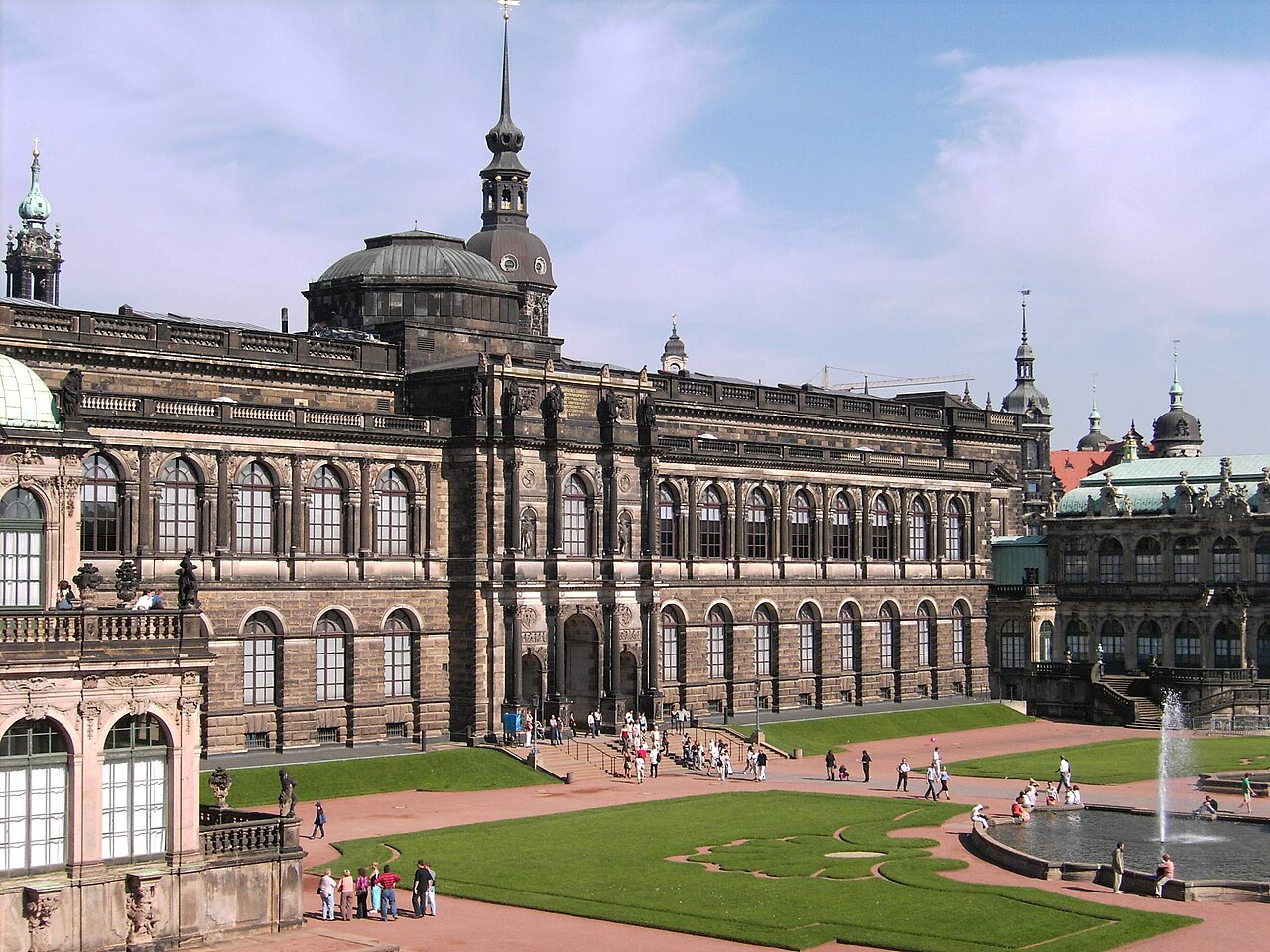
Start at TimeRide Dresden on the Taschenberg for a virtual reality ride into the city of 1719, then walk into the Zwinger and spend the late morning with Raphael’s Sistine Madonna in the Old Masters Picture Gallery. After lunch, tour the Semperoper on the Theaterplatz, then climb the Frauenkirche dome for the late afternoon view. End on Brühl’s Terrace, the Balcony of Europe, as the lights come on along the river.
Day two: treasures and the Neustadt
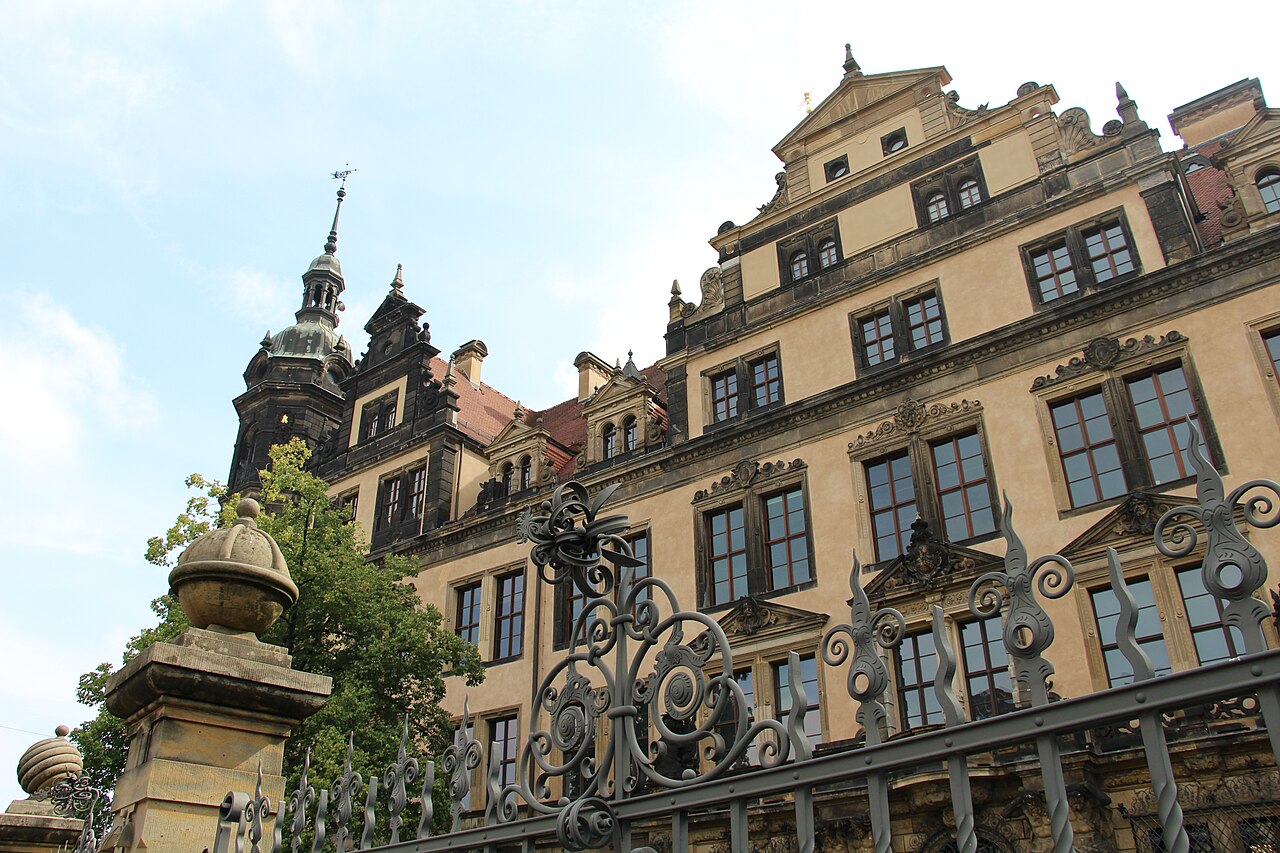
Book the Historic Green Vault for opening time, then join the guided tour of the castle and the New Green Vault, or explore the state rooms on your own. In the afternoon, walk past the Fürstenzug, the long porcelain-tile mural of Saxon rulers, cross the river and wander through the Neustadt for coffee, shops and dinner.
Day three: the Elbe and beyond
Take a paddle steamer or the winter steamer upriver past the Elbe castles and the Blue Wonder to Pillnitz, or join the small-group day trip to the Bastei Bridge and Bohemian Switzerland. On a rainy day, swap in the Panometer and its 360 degree panorama.
Seasons
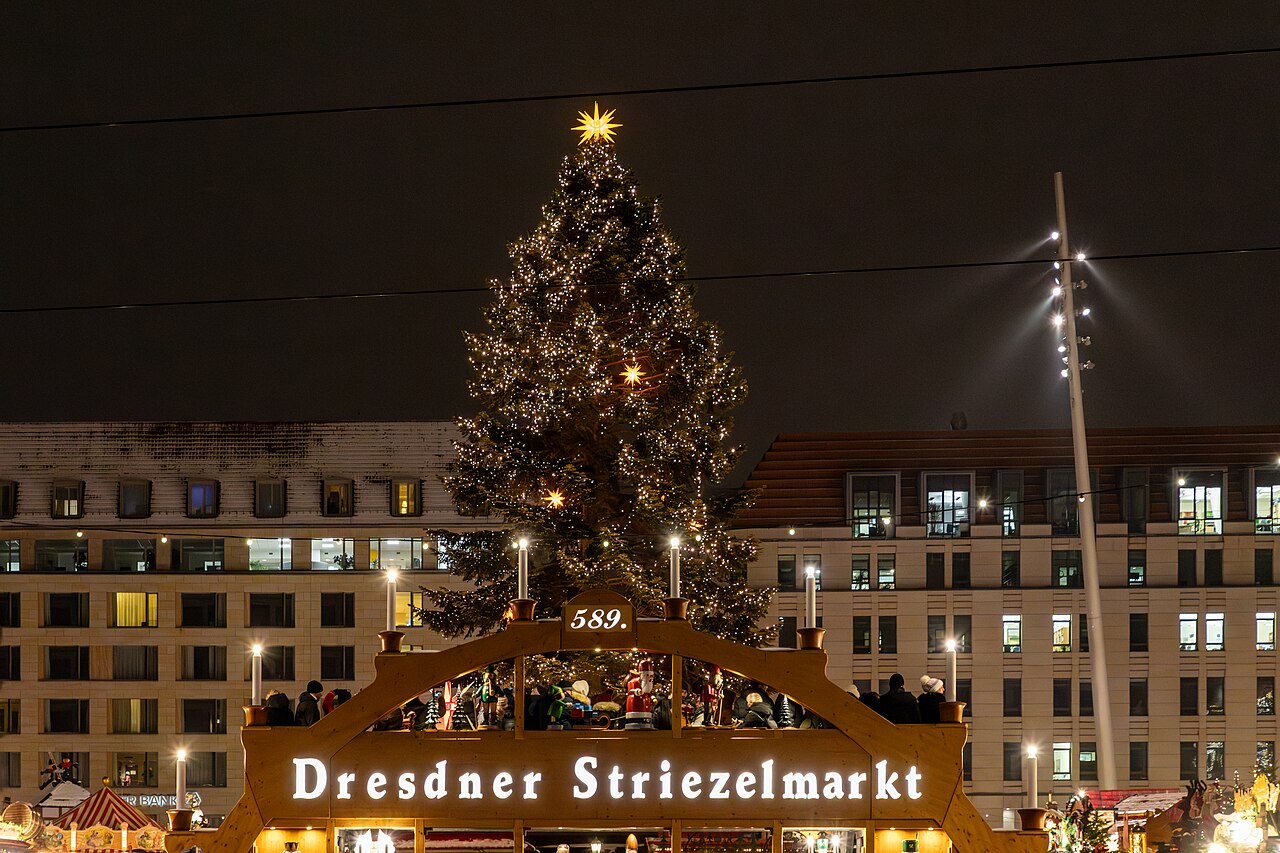
Spring brings blossom to Pillnitz and the Elbe meadows; summer means beer gardens, open-air cinema on the riverbank and the full steamer timetable, though low water can cut sailings in dry spells. Autumn is mild and golden. From 25 November to 24 December 2026, the Striezelmarkt fills the Altmarkt, with smaller markets on the Neumarkt, in the castle’s Stallhof and in the Neustadt, and the Christmas Garden lights up the park at Pillnitz.
Money and manners
Germany uses the euro. Cards are widely accepted, but cash is still handy at market stalls and in some cafés. Rounding up or adding around ten percent for good service is normal. Try a slice of Eierschecke, Dresden’s layered custard cake, and in Advent a proper Dresden Stollen.