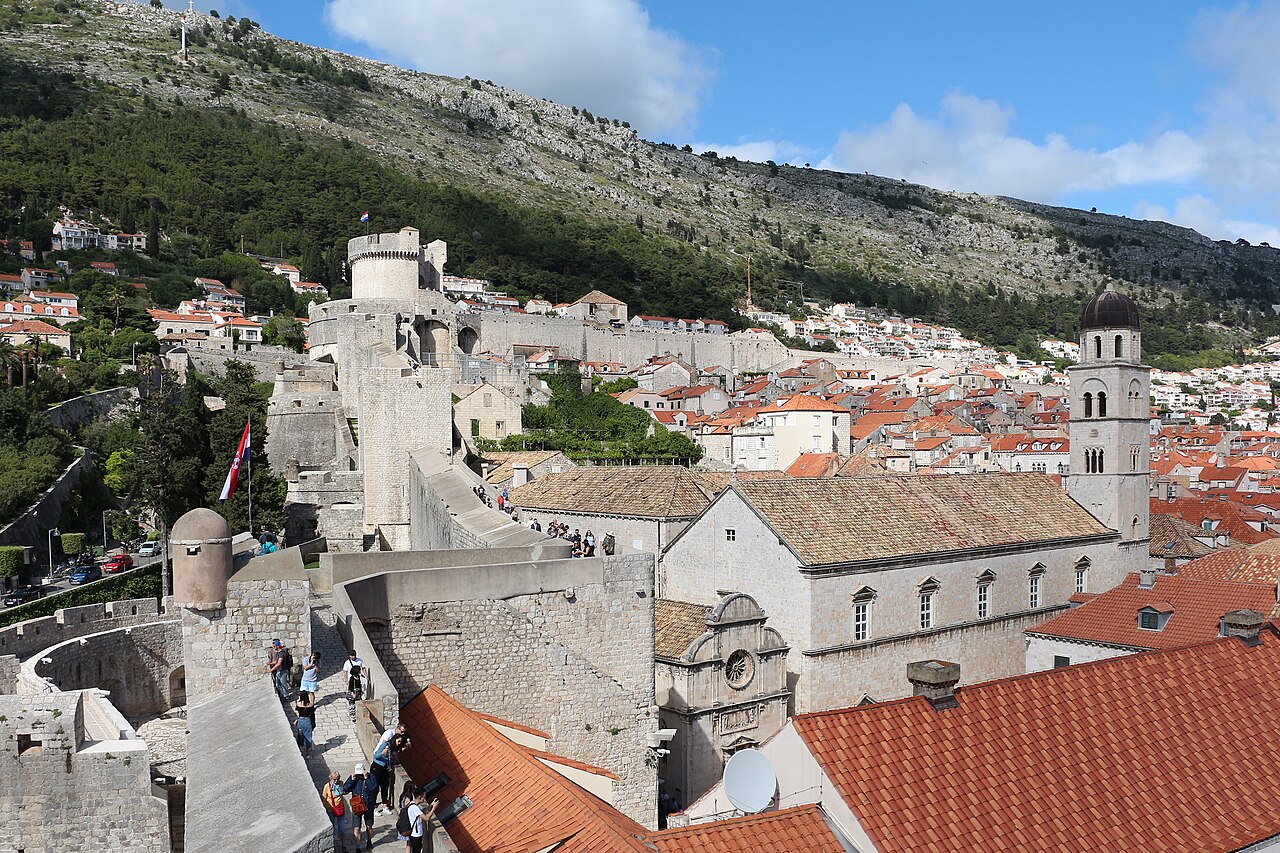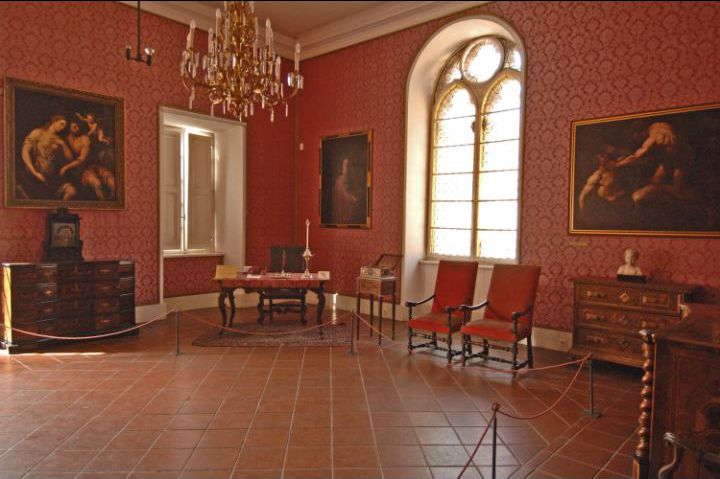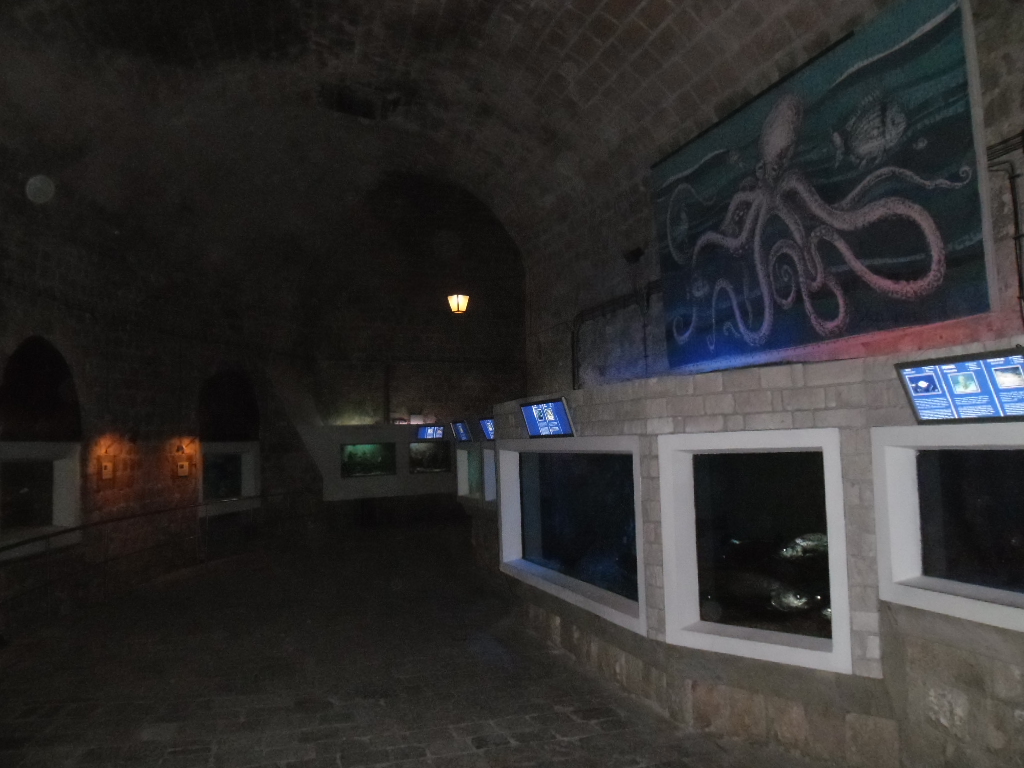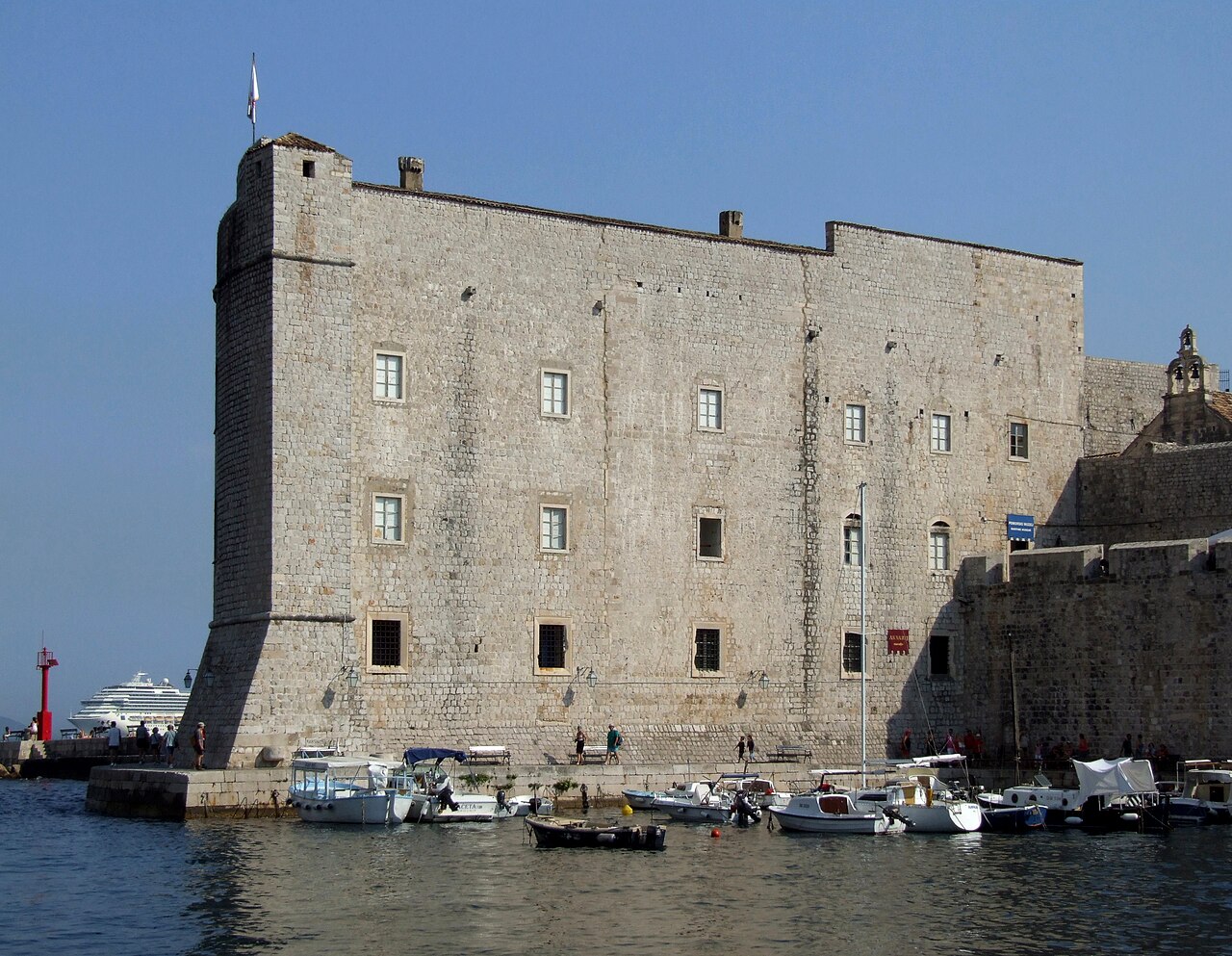
Dubrovnik was built on shipping, and the Maritime Museum is where that fact becomes tangible. It occupies the upper floors of St John Fortress, the massive tower that closes the old harbour on its south-eastern side, and it belongs to Dubrovnik Museums, the same institution that runs the Rector's Palace. The museum was founded in 1949, its first holdings came from donations made by citizens earlier in the decade, and the collection has grown to more than eleven thousand objects, including finds from underwater archaeology. The displays run in chronological order through three sections: from late antiquity to the fall of the Republic of Ragusa, then regional maritime history through the nineteenth century, and finally the twentieth century, when steam replaced sail and Dubrovnik shipowners operated well beyond the Adriatic. Expect detailed ship models, portraits of captains and votive paintings of ships in storms, navigation instruments, flags, documents, and the material culture of a city whose wealth came from carrying other people's cargo. The building is half the pleasure: you climb through vaulted fortress rooms with views over the harbour, the breakwater and Lokrum. The Aquarium of the Institute for Marine and Coastal Research occupies the ground floor of the same fortress, which makes an easy pairing with children. The museum is included in the Dubrovnik Pass and in the Dubrovnik Museums combined ticket, and it offers a free downloadable multimedia guide to the maritime history of Dubrovnik, plus tablets you can borrow with photo ID.
The context makes the visit. The Republic of Ragusa had no army worth mentioning and a territory you could cross in a day, but at its height it ran a large merchant fleet, held consulates in ports around the Mediterranean, and used diplomacy and neutrality to keep trading while bigger powers fought. Its ships carried salt, wool, grain and luxury goods between the Ottoman Balkans and Italy, and its shipyards in Gruž were famous enough that the English word argosy is often said to come from Ragusa. The museum explains this in objects: the ship types the city built, the instruments its captains used, and the insurance and legal documents that show how sophisticated the business was.
Plan around the closing day. Dubrovnik Museums keeps winter hours from November to March, when the Maritime Museum opens in the morning and early afternoon and is closed on Wednesdays; in summer it opens longer but is still closed on Wednesdays. All the city museums close on Christmas Day, New Year's Day and the Feast of St Blaise. An hour is enough for most visitors, longer if you use the multimedia guide. Payment at Dubrovnik Museums is cashless.
Who should go: history lovers who already know the walls and want the economic story behind them, families pairing it with the aquarium downstairs, and anyone looking for a shaded, quiet hour on a hot afternoon. If you are using the Dubrovnik Pass, it is a natural add-on after the Rector's Palace. Finish by walking out along the old harbour to the Porporela breakwater, where locals swim and the view back to St John shows you exactly what the fortress was built to protect.
What to expect
The experience
A self-guided museum across the vaulted floors of St John Fortress, with ship models, instruments, paintings and documents arranged from antiquity to the twentieth century.
Best time
Midday or a rainy morning. Closed on Wednesdays all year, with shorter winter hours from November to March.
How long
About an hour.
Tips
Download the free multimedia guide before you go, or borrow a tablet with photo ID. Use the Dubrovnik Pass or the combined museum ticket. Pair with the aquarium on the ground floor.
Quick picks
- Best for
- Understanding how a tiny republic grew rich on the sea.
- Families
- Ship models and the aquarium downstairs make a good combined visit with children.
- Couples
- A quiet, shaded hour, then a sunset walk out along the Porporela breakwater.
- Pair with
- The Rector's Palace, the aquarium in the same fortress and the old harbour.
- Time needed
- One hour.
Good questions
Where is the Maritime Museum in Dubrovnik?+
In St John Fortress at the south-eastern corner of the Old Town, guarding the old harbour. The aquarium is on the ground floor of the same building.
When is the Maritime Museum closed?+
On Wednesdays throughout the year, and on Christmas Day, New Year's Day and the Feast of St Blaise. Winter hours from November to March are shorter.
Is the Maritime Museum included in the Dubrovnik Pass?+
Yes. It is also covered by the Dubrovnik Museums combined ticket, which includes the Rector's Palace and other city museums.
How long do you need?+
About an hour for most visitors. Allow longer if you use the free multimedia guide.
Is it good for children?+
Older children usually enjoy the ship models and the fortress rooms, and the aquarium downstairs is an easy add-on for younger ones.