After a few days of Gothic palaces and Baroque churches, the Red History Museum is a jolt in the best sense. It describes itself as the first museum in Croatia dedicated to everyday life in socialist Croatia between 1945 and 1991, and it sits in Gruž, near the ferry port and the main bus station, in the former TUP factory, a plant opened in 1953 that made carbon and graphite products and stopped production in 2021. The building's industrial bones suit the subject. The museum is about how people actually lived in Yugoslavia: what their flats looked like, what they ate and listened to, how they holidayed on the Adriatic, how the state shaped work, school and propaganda, and how much of it people remember with affection and how much with fear. Rather than glass cases and long labels, the displays mix recreated interiors, everyday objects, photographs, sound and personal stories, which makes it engaging for visitors who have no background in Balkan history and thought-provoking for those who do. In early 2026 the museum closed for several months for a redesign of its exhibition and spaces, and it reopened at the end of March 2026. It keeps longer daily hours in summer and shorter winter hours from November to March, when it is open Monday to Saturday and closed on Sundays. Tickets are modest, with reduced prices for seniors, students and school-age pupils, and young children free with a paying adult.
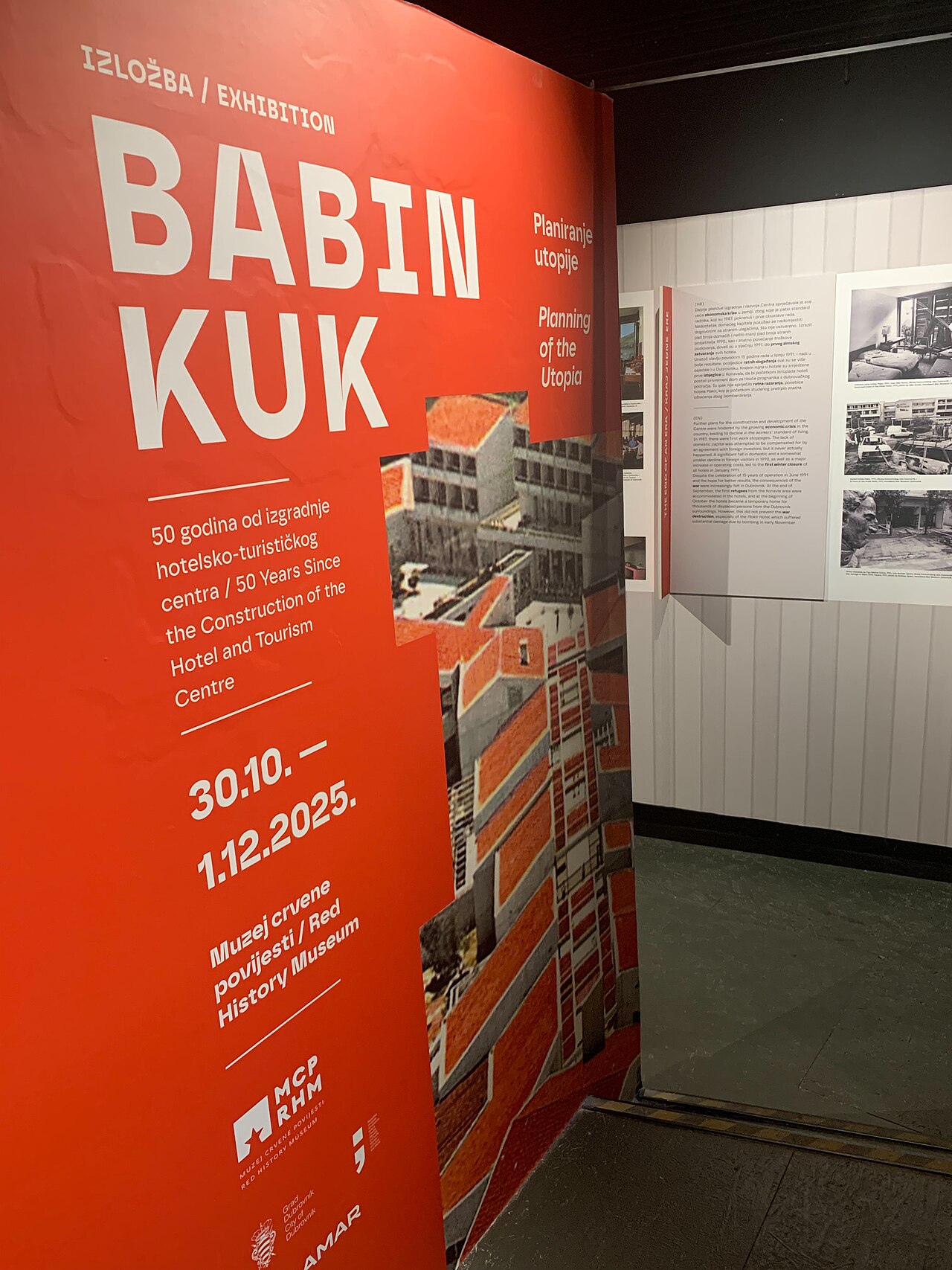
The reason to go is perspective. Dubrovnik's tourist story usually jumps from the fall of the Republic in 1808 to the siege of 1991, and the forty-five years in between disappear. Those were the decades when Dubrovnik became an international resort, when hotels were built on Lapad and Babin Kuk, and when Croatians lived inside a socialist system that was more open than the Soviet bloc but still controlled. The museum fills that gap with humour and honesty, and its focus on ordinary life means that the people who visit with parents or grandparents from the region often end up telling their own stories in front of the exhibits.
Practicalities are easy. It is a short walk from Gruž harbour, so it fits naturally before or after a ferry to the Elaphiti islands or Mljet, or on the day you arrive by bus. Allow an hour to an hour and a half. In winter the museum is closed on Sundays and last entry is in the late afternoon; in summer it is open every day into the evening. Check the visitor information page before you go, because the museum has recently been redesigned and details such as group bookings and special exhibitions change.
Who should go: travellers who like their history personal and a little irreverent, families with children old enough to be curious about how their grandparents lived, and anyone staying in Gruž or Lapad. Pair it with the Gruž market in the morning and the Homeland War Museum on Srđ for a fuller picture of twentieth-century Dubrovnik. If you only have one day in the city, it is not a priority; if you have three or more, it is one of the most rewarding indoor hours you can spend.
What to expect
The experience
An interactive, story-led museum about daily life in socialist Croatia from 1945 to 1991, in a former factory in Gruž.
Best time
Any time, and especially on a rainy day. In winter it is closed on Sundays.
How long
One to one and a half hours.
Tips
Combine with a ferry from Gruž or the morning market. Check the visitor information page for current hours after the 2026 redesign.
Quick picks
- Best for
- Travellers who want the twentieth-century story of Dubrovnik, not only the medieval one.
- Families
- Good for curious older children; young children enter free with a paying adult.
- Couples
- An offbeat, conversation-starting hour away from the Old Town crowds.
- Pair with
- Gruž market, a ferry to the islands and the Homeland War Museum on Srđ.
- Time needed
- About an hour and a half.
Good questions
Where is the Red History Museum?+
In Gruž, in a former factory near the ferry port and the main bus station, about ten minutes by bus from the Old Town.
What is the Red History Museum about?+
Everyday life in socialist Croatia from 1945 to 1991: homes, work, school, holidays, consumer goods and propaganda in the Yugoslav decades.
Is it open in winter?+
Yes. From November to March it opens Monday to Saturday with shorter hours and is closed on Sundays. Summer hours are longer and daily.
Has the museum changed recently?+
It closed in late 2025 for a redesign of the exhibition and spaces and reopened at the end of March 2026.
Is it worth visiting on a short trip?+
On a one-day visit, focus on the Old Town. With three days or more, it is one of the best indoor visits in the city.