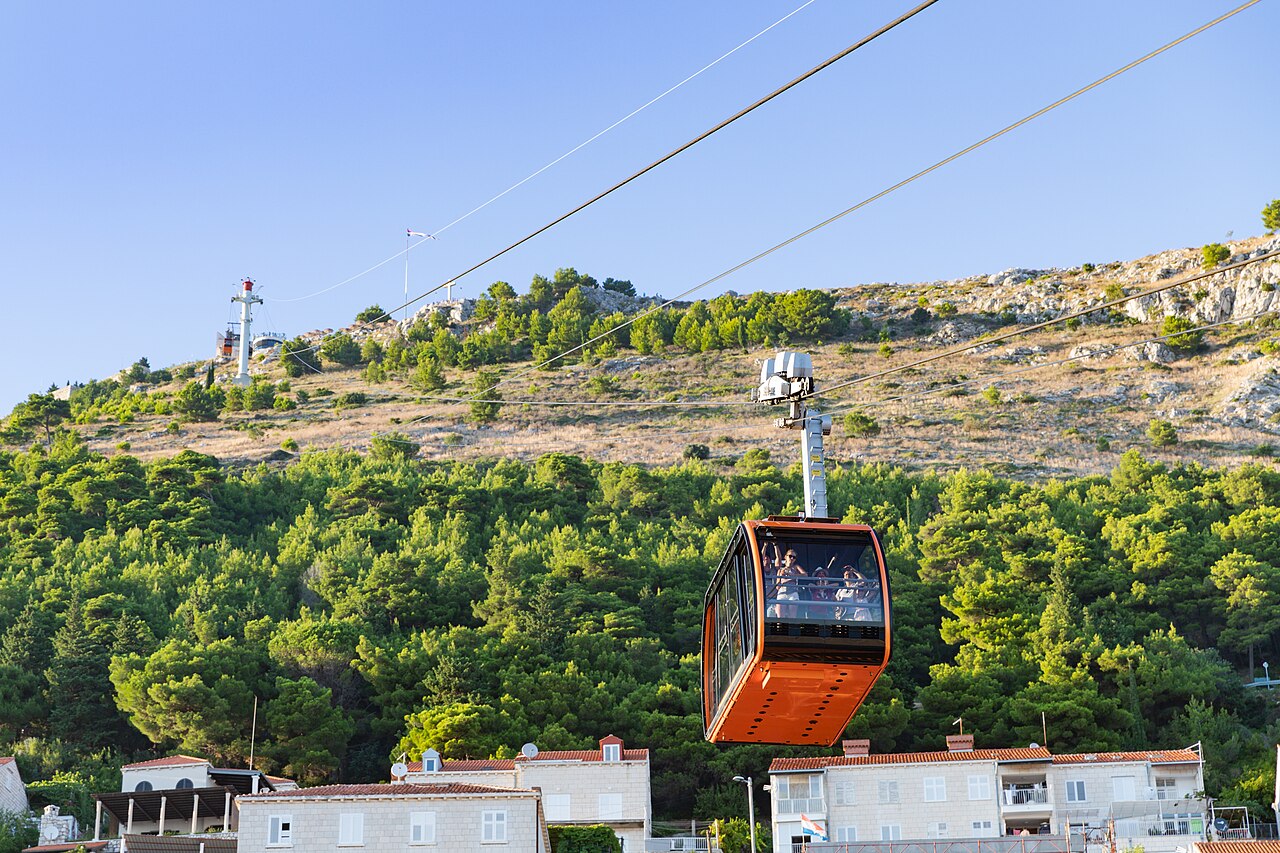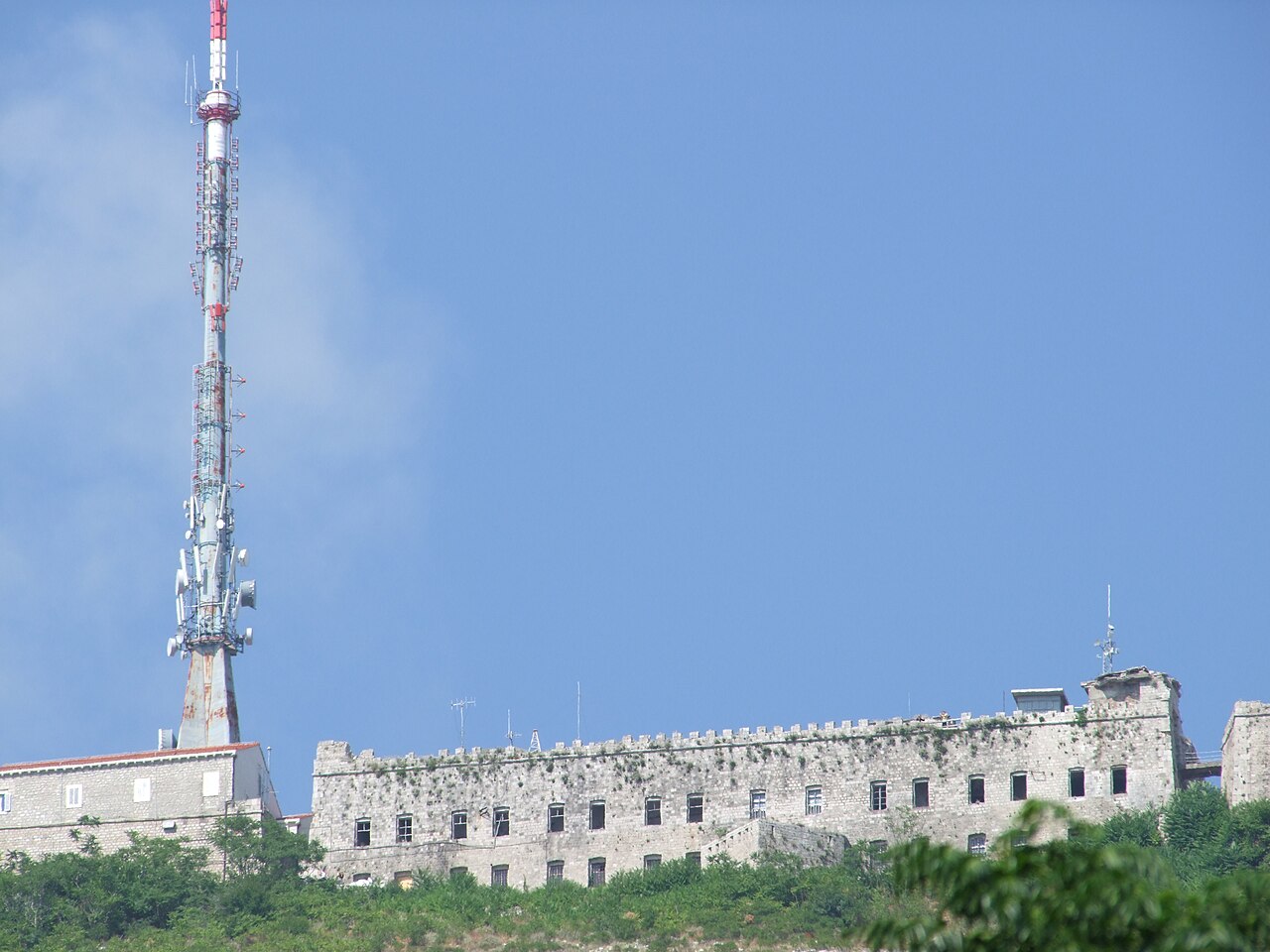
Most visitors ride the cable car up Mount Srđ for the view, and many walk past the stone fort at the top without going in. That is a mistake, because Fort Imperial holds the museum that explains what happened to Dubrovnik within living memory. The fort itself was built by the French during the Napoleonic occupation in the early nineteenth century, and in the war of 1991 it became the city's first line of defence: it housed the command of the 163rd Dubrovnik Brigade of the Croatian Army, and a small group of defenders held it under heavy attack, which is why it became a symbol of the city's resistance. The permanent exhibition, Dubrovnik in the Homeland War 1991 to 1995, uses original documents, art and documentary photographs, weapons, mines and explosives, military equipment, unit flags, and authentic photographs and video to tell the story of the siege, the shelling of the Old Town, the cutting off of water and power, and the life of a city under blockade. It is run in cooperation with the Dubrovnik Cable Car, whose website handles information and tickets, and the museum draws on collections built up with defenders and veterans' associations after the war. The tone is serious and personal rather than triumphant. Expect to spend forty-five minutes to an hour inside, and to come out and look at the view very differently: from the fort roof you can see exactly how exposed the Old Town was to guns on the surrounding hills.
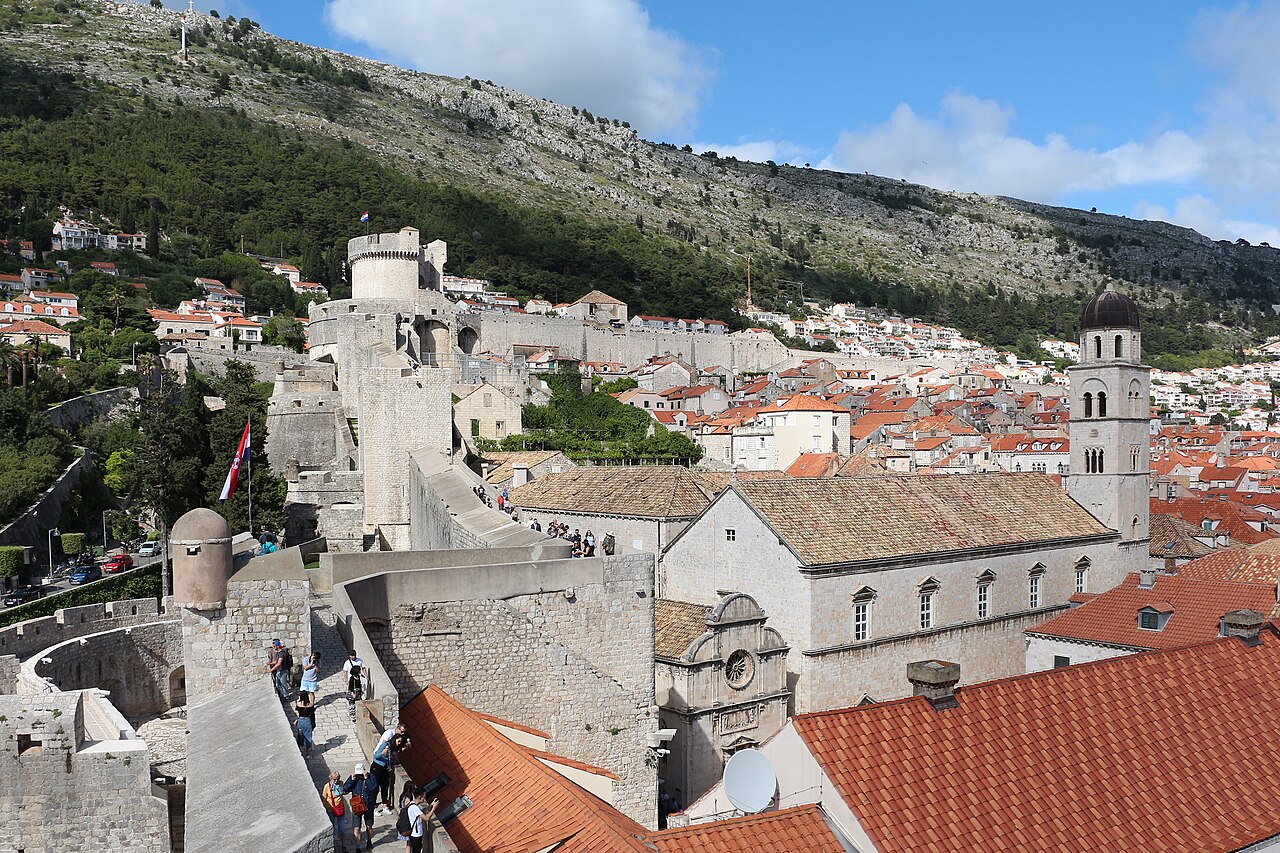
Context helps. In the autumn of 1991, as Yugoslavia broke apart, the Yugoslav People's Army and Montenegrin and Serbian forces attacked the Dubrovnik area and besieged the city for months. The Old Town, already a UNESCO World Heritage Site, was shelled repeatedly, with the worst damage on 6 December 1991, when rooftops, palaces and churches were hit. You can see the results today in the brighter new roof tiles from the walls, and in the damage map near the Pile Gate. Fort Imperial was the key: had it fallen, the city below would have been almost impossible to defend.
Plan the visit around the cable car. The museum sits a few steps from the upper cable car station, and most visitors combine a ride up, the museum and sunset on the terrace. The cable car keeps seasonal hours and does not run in December, January, February or March, and it stops in strong wind; in those periods you can still reach the summit on foot by the zigzag path from above the Old Town, or by road. Opening times and tickets are published on the cable car website, so check there before you go, especially out of season. The exhibition includes graphic war material, so judge whether it suits younger children.
Who should go: anyone who wants to understand modern Dubrovnik, not just the medieval one; history lovers; and older children and teenagers who are ready for a frank account of a recent war. It pairs naturally with the cable car and the ridge walk along Srđ, and with the Red History Museum in Gruž, which tells the story of everyday life in socialist Croatia before the war.
What to expect
The experience
A permanent exhibition on the 1991 to 1995 war inside a Napoleonic-era fort on the summit of Srđ, with documents, weapons, photographs and video.
Best time
Late afternoon, followed by sunset from the summit. Check the cable car timetable, which is seasonal and closed from December to March.
How long
Forty-five minutes to an hour.
Tips
Combine with the cable car and the summit terrace. Check hours and tickets on the cable car website. Some exhibits are graphic, so prepare younger children.
Quick picks
- Best for
- Understanding the 1991 siege and how close the city came to falling.
- Families
- Best for teenagers and older children; parents of young children may prefer to stay on the terrace.
- Couples
- A thoughtful hour before a sunset drink at the top of the cable car.
- Pair with
- The cable car, the Srđ ridge walk and the Red History Museum in Gruž.
- Time needed
- About an hour, plus time at the viewpoint.
Good questions
Where is the Homeland War Museum in Dubrovnik?+
Inside Fort Imperial on the summit of Mount Srđ, a few steps from the upper station of the Dubrovnik Cable Car.
What is the museum about?+
The defence of Dubrovnik during the war of 1991 to 1995, shown through documents, photographs, weapons, equipment, flags and video.
How do I get there when the cable car is closed?+
On foot by the zigzag path from above the Old Town, or by road. The cable car does not run from December to March and stops in strong wind.
Is it suitable for children?+
Teenagers usually find it powerful. It shows weapons and war photographs, so parents of young children should judge for themselves.
Why was Fort Imperial so important in 1991?+
It overlooks the whole city and housed the command of the 163rd Dubrovnik Brigade. Holding it kept the attackers off the hill directly above the Old Town.