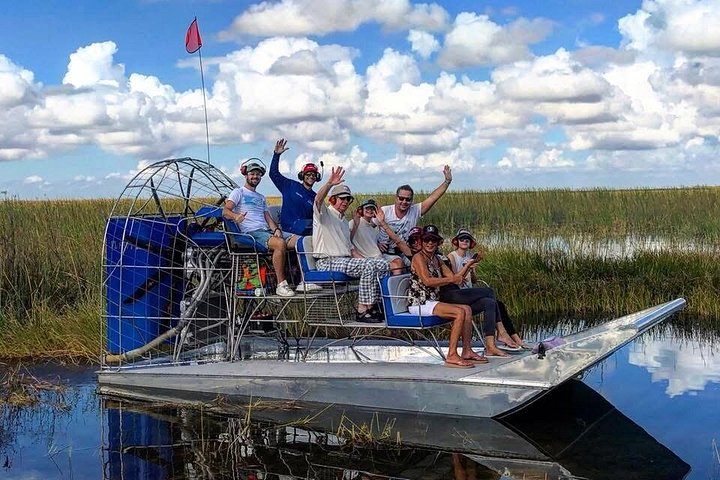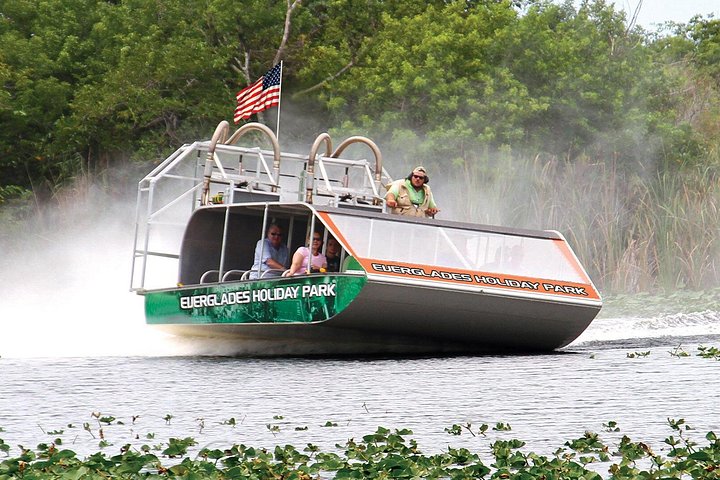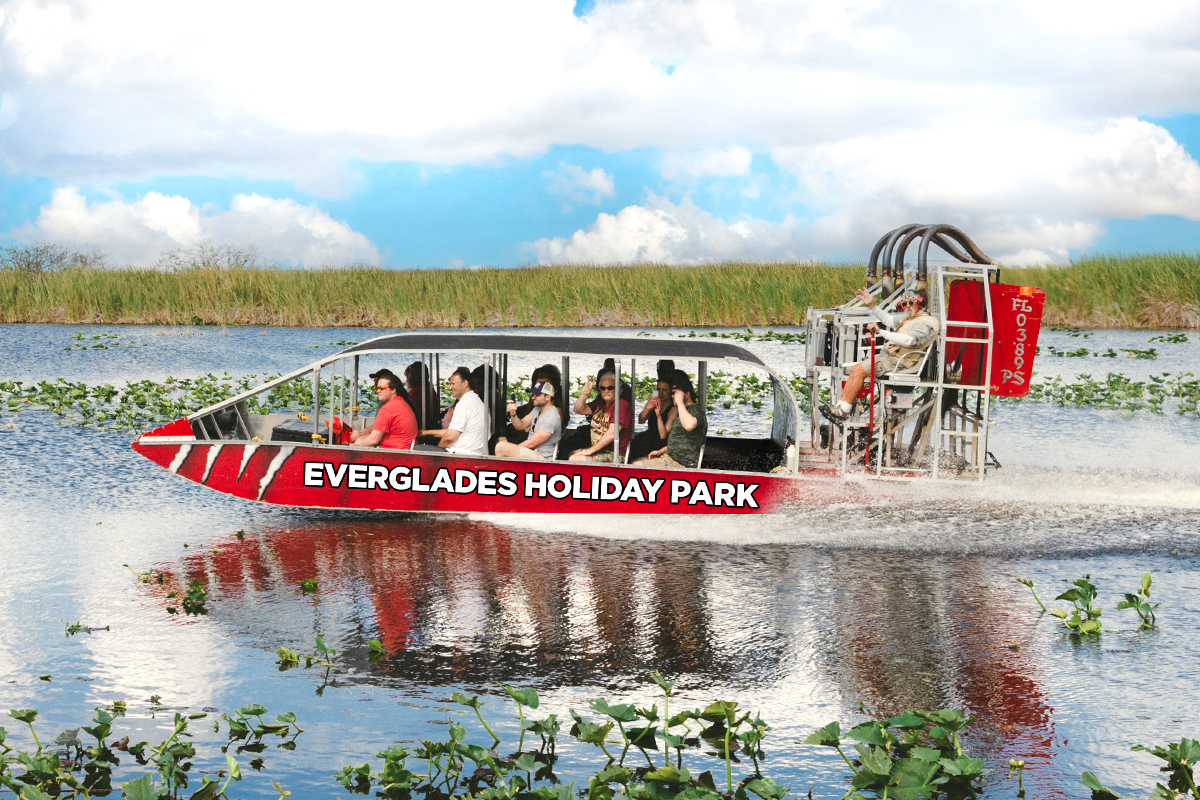
There is a version of the Everglades you can only see by getting wet. Slogging into a cypress dome or slough, with water around your knees and the light filtering through cypress trees hung with air plants, is a different experience from watching the landscape pass by on a boat. A biologist-led wet walk makes that possible safely. The guide leads a small group into shallow water, explains what lives there, and stops often to point out the details that most visitors miss: tiny frogs, snail shells, orchids, bromeliads and the scars that fire and flood leave on the trees. When combined with boat trips and lunch, it becomes a full-day tour that covers the park from several angles. The format varies by operator, but a typical day begins with a pickup or meeting point, then travels to Everglades National Park. A boat trip explores waterways, mangroves and bays, with time for birds, dolphins and other wildlife. The wet walk itself is the centerpiece: you wade through shallow water, usually no deeper than the knee in the dry season, on soft ground that can be uneven. Your guide explains the ecology, from how periphyton forms the base of the food chain to how a cypress dome acts as a refuge for wildlife in dry months. A second boat trip and a lunch stop round out the day, with time to rest and ask questions.
Preparation is essential for a wet walk. Wear long trousers that dry quickly and shoes that can get soaked and muddy, such as old sneakers or water shoes that stay on securely. Avoid open sandals and flip-flops. Bring a change of socks and a towel for the car, along with sunscreen, repellent and a hat.
Phones and cameras should be in waterproof pouches or kept in a dry bag. The guide will brief the group on safety, including how to move in water, how to keep a distance from wildlife and what to do if you see an alligator or snake. It is rarely dangerous, but it is a real swamp and should be treated as one.
The experience suits curious, reasonably mobile travelers. You do not need to be an athlete, but you should be comfortable walking on soft, uneven ground in water for an hour or so. Children are often welcome if they are old enough to follow instructions, but check the age rules when you book. Travelers with mobility limits, a fear of murky water or serious back problems may prefer the boat-only tours covered elsewhere in this guide.
The best time is the dry season, from late autumn to spring, when water is lower, the weather is milder and insects are fewer. In summer the water is deeper and the swamp is hotter and buggier.
A full-day tour makes sense if you are visiting from far away and want one big experience rather than several short ones. Compare it with the small-group boating and walking expedition and the Ten Thousand Islands boat tour in this guide, which offer shorter and cheaper ways to combine a walk with a boat.
For those who want an immersive and educational day, a biologist guide is the main attraction, because the explanations turn a muddy walk into a lesson in how a wetland works. Check the meeting point, what is included, the lunch arrangements and the cancellation terms when you book.
What to expect
The experience
A full-day guided tour combining a biologist-led walk through shallow swamp water, boat trips and lunch in the Everglades.
Best time
Dry-season days, from late autumn to spring, when water is lower and insects are fewer.
How long
A full day, including travel, two boat trips, the walk and lunch.
Tips
Wear long quick-drying trousers and secure shoes that can get wet, bring a towel, change of socks, repellent and a waterproof pouch.
Quick picks
- Best for
- Curious travelers who want to get into the swamp with a biologist
- Families
- Better for older children who can follow instructions in water
- Couples
- A memorable adventure for couples who like the outdoors
- Pair with
- Fakahatchee Strand boardwalk, Big Cypress National Preserve
- Time needed
- A full day
Good questions
How deep is the water on the wet walk?+
Usually around the knee in the dry season, but it varies. The guide chooses the route for conditions.
Are there alligators and snakes?+
They live in the area, and the guide briefs the group on safety. Sightings are possible but not guaranteed.
What should I wear?+
Long quick-drying trousers and secure shoes that can get wet and muddy. Avoid flip-flops and open sandals.
Is lunch included?+
The tour includes lunch according to its description. Check what is provided and any dietary options when you book.
Is it suitable for children?+
Often for older children who can follow instructions. Confirm minimum ages when you book.