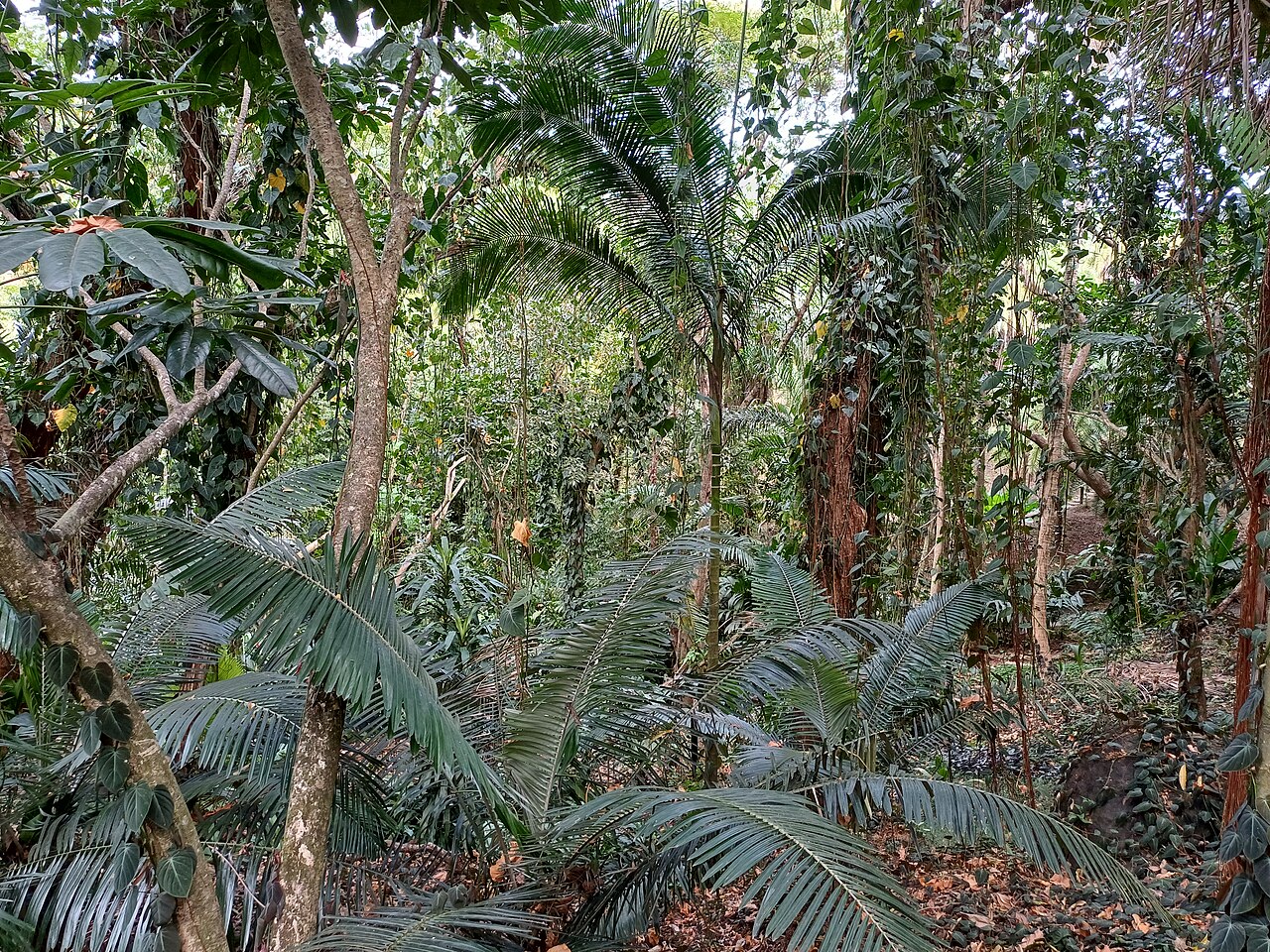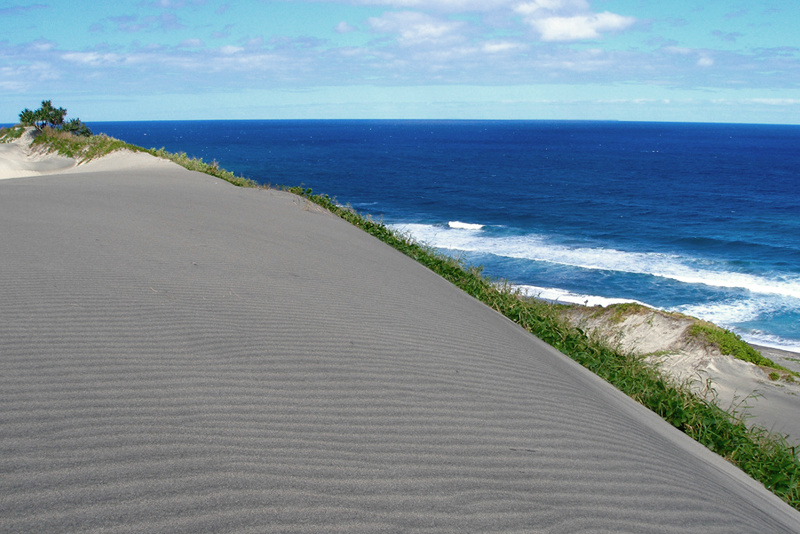
The Sigatoka Sand Dunes National Park is a striking stretch of coastal dunes on the Coral Coast of Viti Levu, about an hour south of Nadi on the Queens Road. The National Trust of Fiji manages the site, which covers more than six hundred acres of dunes and dry forest, with almost half of it protected within the national park since 1989. The dunes are shaped by wind and sea, and they hold archaeological interest: the Trust notes that archaeologists excavated a burial site with more than fifty individuals in the late 1940s, a significant find for Fijian archaeology. Visitors start at the information centre, where staff explain the history, then follow marked walking trails over the sandy ridges, with views along the coast and out over the Pacific. The trust lists more than thirty-seven bird species in the park, eight of them endemic to Fiji. It is a simple, quiet place, ideal for walkers, photographers and travellers who like their sightseeing with a bit of effort. Because it is exposed, the heat can be intense in the middle of the day, so go early or late. It is an easy stop on a Coral Coast day trip and makes a good contrast to the Mamanuca beaches.
Trails and timing: the Trust describes a shorter walk of around an hour with bird-watching, and a longer walk of about two hours that includes dune climbing and scenery. The advice is to avoid the hottest part of the day, which it places in the early afternoon, so aim for a start in the morning or late afternoon. The dunes are soft and tiring underfoot, so bring plenty of water, a hat, sun protection and sturdy shoes or sandals with grip. Rangers can give guided tours on request, which is the best way to learn about the burial site, the vegetation and the birdlife, and to understand why the area matters to Fijians.
Visiting details: the National Trust page lists daily opening hours and a modest entry fee with lower rates for students and free entry for small children, but hours and prices can change, so confirm on the Trust site or by phone before you drive. The park is on Queens Road, about ten minutes from Sigatoka town on the way toward Nadi, and public transport, a taxi or a hire car all work. Respect the signs, stay on marked paths and do not disturb archaeological areas or take sand away.
Fitting it into a trip: from Nadi or Denarau it is roughly an hour each way, so most visitors combine it with Sigatoka town, the Sigatoka river valley or a Coral Coast lunch. It is a good fit for active couples, hikers and anyone interested in natural history. Families with older children will enjoy the sandy slopes, but it is less suited to toddlers and travellers with limited mobility because the paths are uneven and exposed. If you only have time for one land day beyond Nadi, the dunes plus the river safari give a wonderful sense of western Viti Levu away from the resorts.
What to expect
The experience
A self-guided or ranger-led walk over coastal dunes and dry forest, starting at the visitor information centre, with sea views and an archaeological story.
Best time
Early morning or late afternoon, avoiding the heat of the early afternoon when the dunes are exposed.
How long
One to two hours on the walks, plus the drive from Nadi, which is about an hour each way.
Tips
Bring water, a hat, sun cream and sturdy sandals, stay on marked trails and confirm hours and fees on the National Trust page.
Quick picks
- Best for
- Active travellers and nature lovers who want a very different Fiji from the lagoons.
- Families
- Fine for older children who enjoy climbing sand, but there is little shade and the paths are uneven for toddlers and strollers.
- Couples
- A late afternoon walk along the ridge with sea views, then dinner on the Coral Coast.
- Pair with
- A Sigatoka river jet-boat safari or lunch in Sigatoka town on the same day.
- Time needed
- Allow three hours, plus roughly two hours of driving from Nadi and back.
Good questions
Where are the Sigatoka Sand Dunes?+
They are on Queens Road on the Coral Coast, about ten minutes from Sigatoka town toward Nadi. The drive from Nadi or Denarau is roughly an hour.
How much does it cost to enter?+
The National Trust lists a modest adult fee with lower rates for students and free entry for small children. Confirm the current prices on the Trust page before you go.
What can I do there?+
You can follow marked walking trails of about one or two hours, join a ranger-guided tour and watch for birdlife. The longer trail includes dune climbing.
When is the best time to visit?+
Go in the morning or late afternoon, because the Trust advises against walking in the hottest part of the day in the early afternoon.
Why is the site important?+
Archaeologists excavated a burial site with more than fifty individuals in the late 1940s, and the dunes protect important dry forest and birdlife. The Trust interprets this at the visitor centre.