Florence didn't just witness the Renaissance — it invented it. In a remarkable concentration of genius, fueled by Medici patronage and civic ambition, the artists and thinkers of 15th- and 16th-century Florence transformed Western art. To walk the city is to walk through that revolution, and for art lovers, no place rewards a visit more. Here's how to experience it.
The two Davids — and Michelangelo
Begin with the icon: Michelangelo's David at the Accademia, the original (the one outside the Palazzo Vecchio is a copy). Carved in his twenties, it's a symbol of the Renaissance itself; don't miss the unfinished "Prisoners" leading up to it. Michelangelo's genius recurs across the city — his New Sacristy sculptures at the Medici Chapels, works at the Bargello, and his architectural and artistic fingerprints throughout.
Botticelli and the Uffizi
The Uffizi is the single greatest collection of Renaissance painting on earth — Botticelli's Birth of Venus and Primavera, Leonardo's early works, Raphael, Titian, Caravaggio, and the whole sweep of the era, arranged chronologically so you can watch art evolve room by room. It's the heart of any art-focused visit; book ahead.
The sculptors at the Bargello
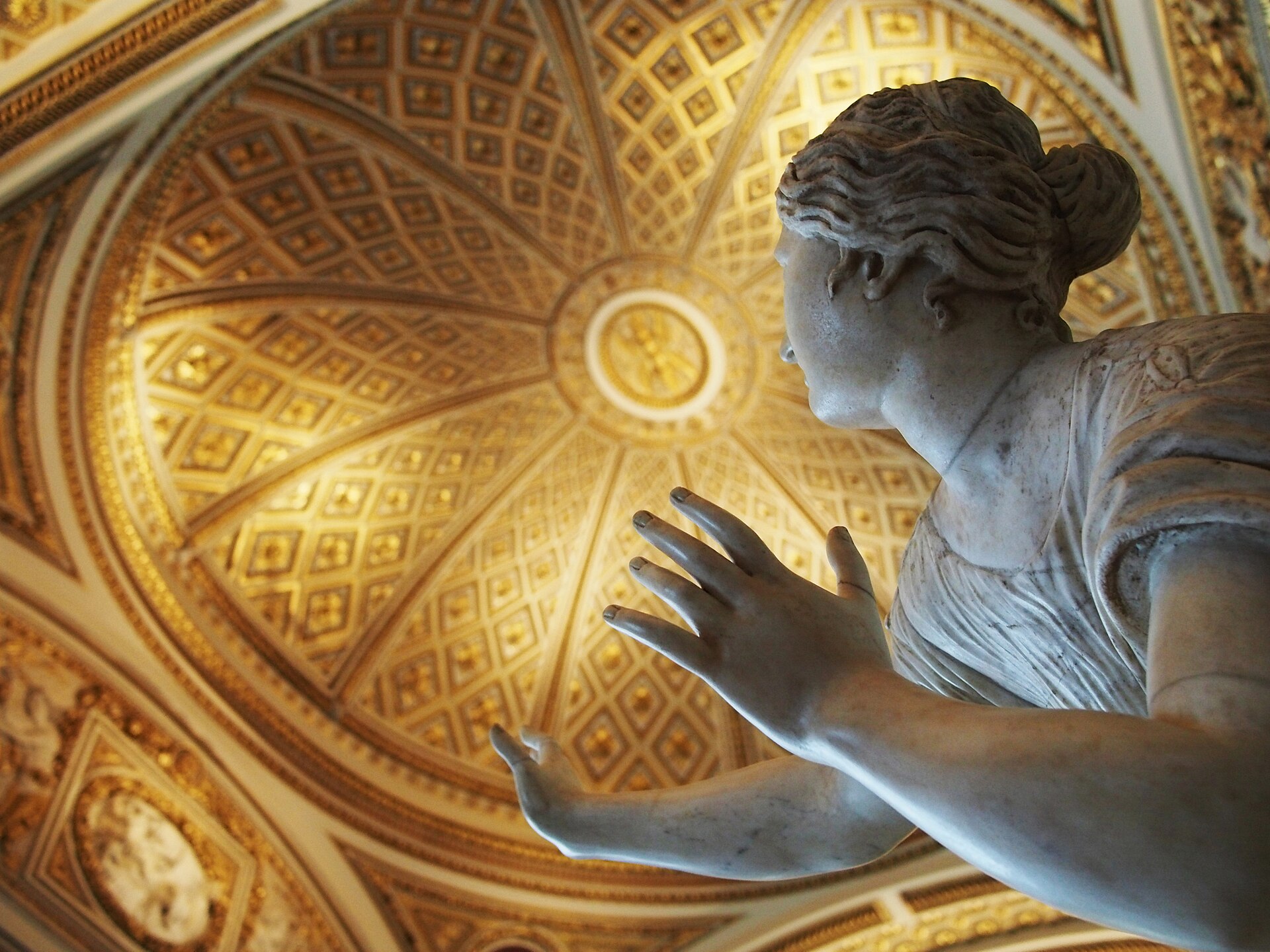
For sculpture, the Bargello is essential and far less crowded — Donatello's revolutionary bronze David (the first free-standing nude since antiquity), more Michelangelo, Cellini, and the famous Baptistery-door competition panels by Ghiberti and Brunelleschi that, in a sense, kicked off the Renaissance.
Architecture: Brunelleschi's dome
The Renaissance was architecture as much as art. Brunelleschi's dome atop the Duomo — an engineering triumph that no one knew how to build until he solved it — is the era's defining structure; climb it. His elegant Pazzi Chapel at Santa Croce and the harmony of the San Lorenzo complex show the new architectural language.
The churches and the Medici
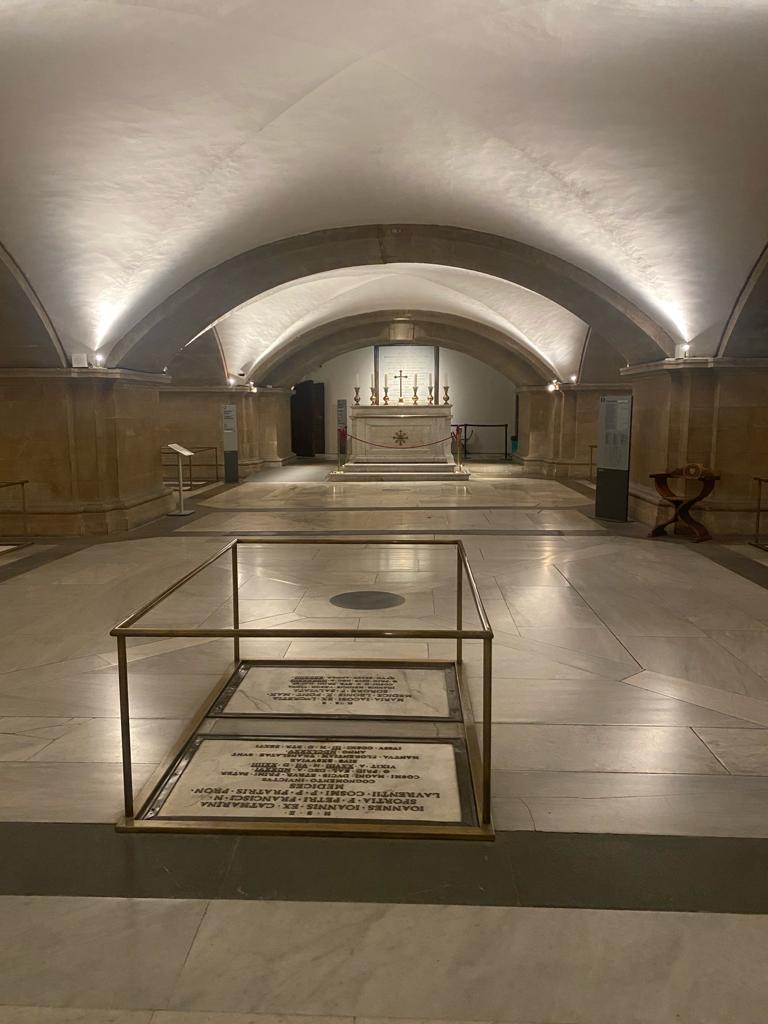
Don't overlook the frescoes and tombs in the churches: Giotto's foundational frescoes and the tombs of Michelangelo and Galileo at Santa Croce; the Medici Chapels' fusion of dynastic power and Michelangelo's art; the Pitti Palace's Palatine Gallery with its wall-to-wall Raphaels and Titians. The Medici family's patronage, which made so much of this possible, is a thread running through it all.
How to approach it
Book the Uffizi, Accademia, and dome climb ahead. Don't try to see everything in one day — Renaissance art rewards focus, not a checklist. Mix the famous museums with the quieter ones (the Bargello, the Medici Chapels) to escape the crowds. And remember that in Florence, the art isn't only in museums — it's in the churches, the squares, and the very streets where it was made.