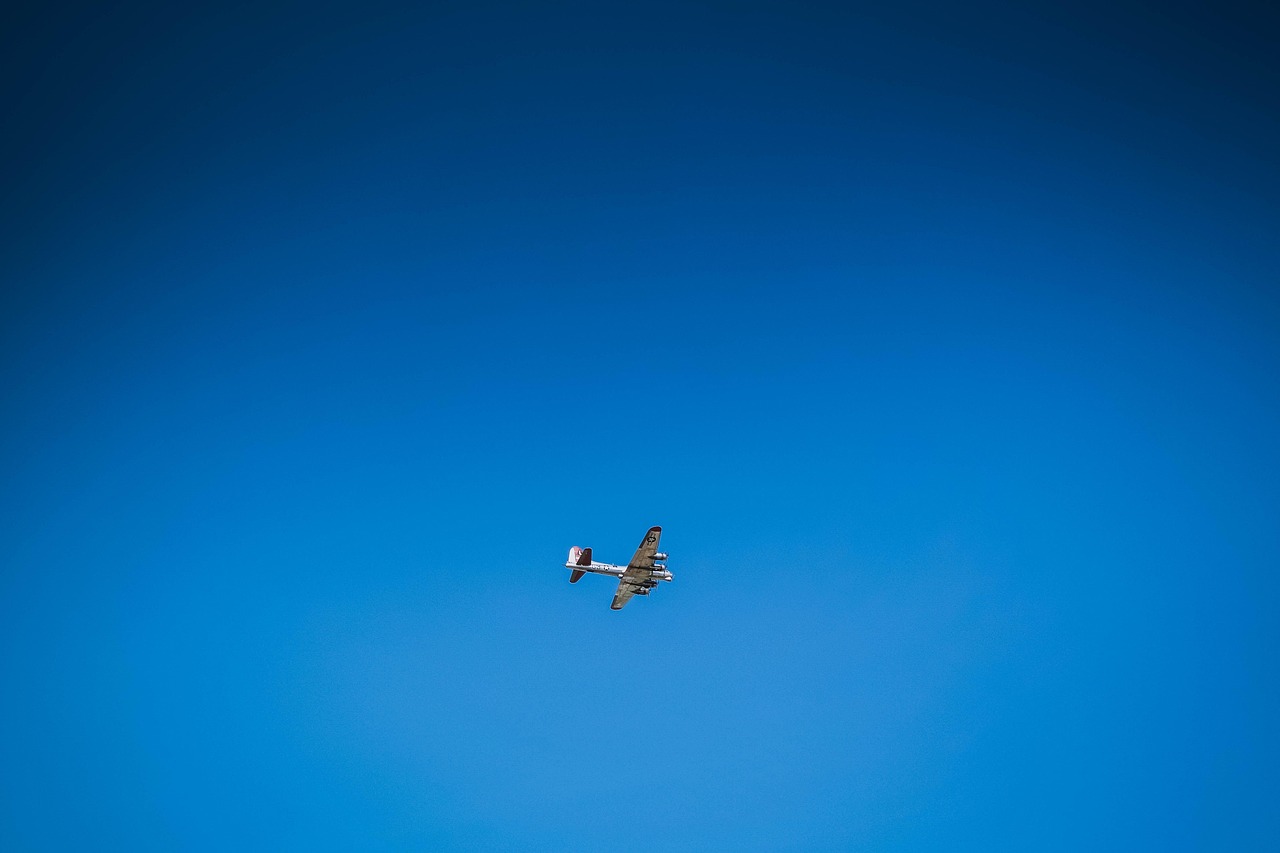
On 5 December 1945, five Navy torpedo bombers took off from Naval Air Station Fort Lauderdale on a training flight and never returned, and Flight 19 became the founding legend of the Bermuda Triangle. The base's surviving building, moved to the southwest corner of today's Fort Lauderdale-Hollywood International Airport, now houses a small, devoted museum run entirely by volunteers. Its Flight 19 collection gathers letters, photographs, artifacts, books and video about the lost squadron and the rescue plane that also disappeared. Other rooms recreate a wartime barracks in honour of George H. W. Bush, who trained at the station as a young ensign; display a Link Trainer, the mechanical flight simulator that taught thousands of pilots and is now recognised as an engineering landmark; and cover Broward's home front from 1941 to 1945 with uniforms, models and a large naval aviation mural signed by veterans and public figures. Admission and regular tours are free, with pay-what-you-wish tours and suggested donations for larger groups. The catch is the schedule: the museum opens on weekends only, in late-morning to mid-afternoon hours, and closes on major holidays. Parking is free, the building is wheelchair accessible, and an hour is plenty. It is an ideal rainy weekend detour, or a stop before an evening flight.
Commissioned on 1 October 1942, the station was one of 257 naval air stations of the Second World War and one of a few specialty schools for crews of the TBM and TBF Avenger torpedo bomber. It was decommissioned in October 1946, leaving more than two hundred buildings behind, and its runways became the core of the modern airport. The museum occupies the only survivor, Building 8, the 1942 Link Trainer building, which housed six to eight of the simulators and has been on the National Register of Historic Places since 1998.
Around the turn of 2000 it was cut from its foundation, jacked up and moved to its current site, with Bob Jenny's naval aviation mural, On Final Approach, already inside. The museum's volunteers, many with military backgrounds, are its greatest asset: ask questions and you will get detailed, personal answers about the base, the aircraft and the Flight 19 search.
The Flight 19 room is the reason most people come, and it treats the mystery seriously, laying out the radio transcripts, the weather, the navigational confusion and the loss of the search plane, rather than leaning on the paranormal. Aviation buffs linger at the Link Trainer, and families find the barracks room a vivid way to explain wartime service to children.
Children under ten must stay with an adult. Outside, look for Second World War submarine torpedoes, an anti-aircraft gun, an anti-submarine Hedgehog launcher and a butterfly garden with a Flight 19 memorial; inside, the collection runs to uniforms, flight gear, medals, ship plaques, naval art and a photo archive of more than ten thousand images, with the Captain John Payne Memorial Library for researchers.
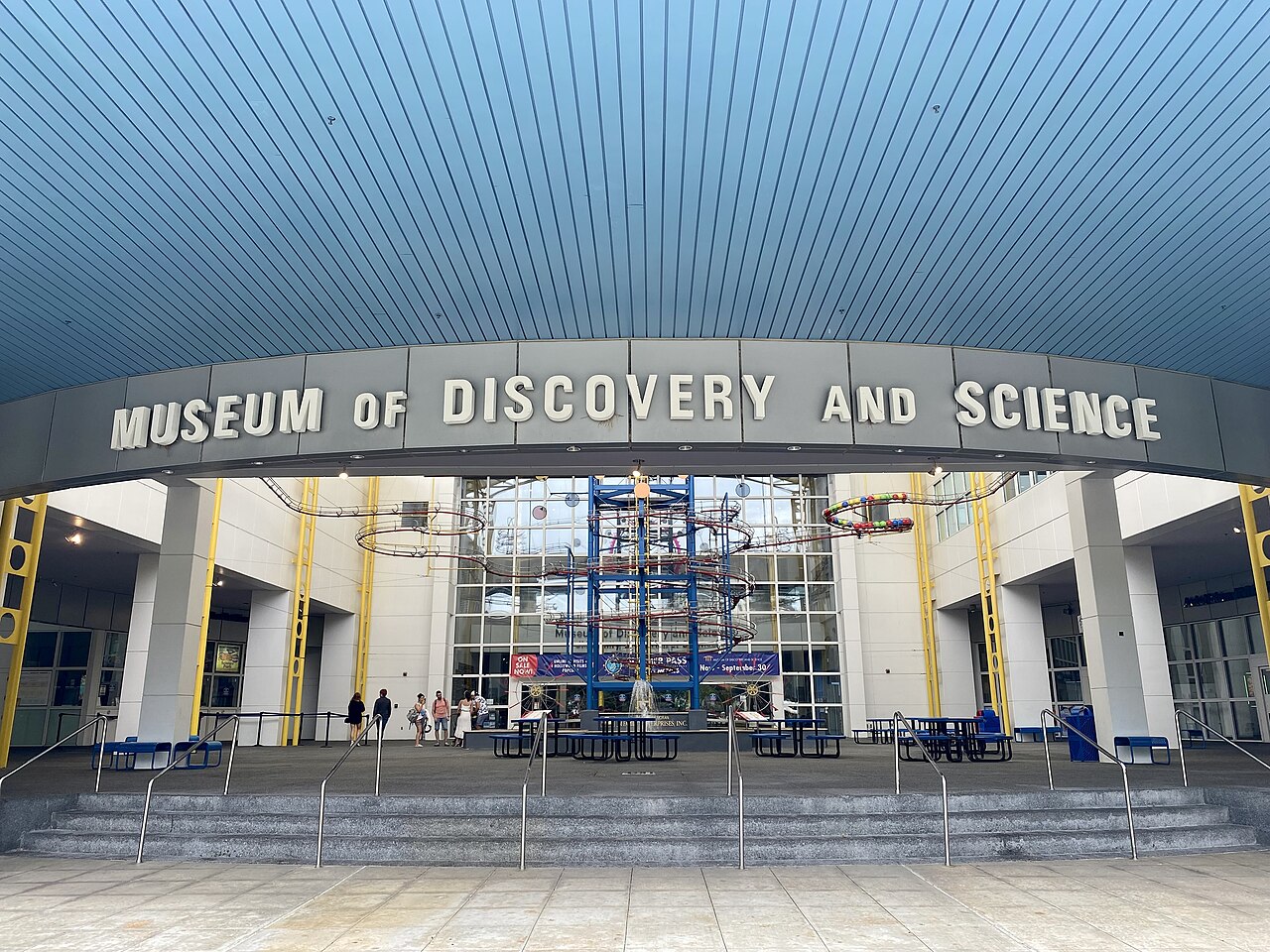
Plan around the weekend-only hours and arrive well before the last tour starts. Pair it with the Museum of Discovery and Science downtown for a science-and-history rainy day, or with Mizell-Johnson State Park just east of the airport if the sun comes out. The museum itself grew out of a 1978 memorial service for Flight 19 and a four-member historical association formed the following year, and its volunteers still run it; check the events page for anniversary programmes and special open days.
What to expect
The experience
A small volunteer-run museum in the original naval air station building, with the Flight 19 collection, a Link Trainer, a recreated barracks and Second World War exhibits.
Best time
Weekend late mornings to mid-afternoons only; arrive well before the last tour.
How long
About an hour.
Tips
Check it is a weekend and not a holiday before driving over. Talk to the volunteers. Parking is free beside the building.
Quick picks
- Best for
- Bermuda Triangle buffs and aviation history fans.
- Families
- A short, free rainy-weekend stop with stories children remember.
- Couples
- An offbeat hour before an evening flight out of the airport.
- Pair with
- Museum of Discovery and Science for a full indoor day.
- Time needed
- One hour.
Good questions
When is the museum open?+
Weekends only, from late morning to mid-afternoon, closed on major holidays. Check the website before visiting.
Is it free?+
Admission and regular tours are free; pay-what-you-wish tours are offered and larger parties are asked for a small donation.
What is Flight 19?+
Five Navy TBM Avenger torpedo bombers, with fourteen men aboard, that left this station on a training flight on 5 December 1945 and vanished, along with a search plane, creating the Bermuda Triangle legend.
Where is it?+
At 4000 West Perimeter Road on the southwest corner of Fort Lauderdale-Hollywood International Airport. It sits on the airport's perimeter road, away from the passenger terminals, so there is no need to enter the terminal area.
Is it accessible?+
Yes. The museum is wheelchair accessible and has free parking.