Fortaleza is the capital of Ceara, on the sunny northeast coast of Brazil, and it is a big, warm, easy-going city of several million people. It is often seen as a gateway to the famous beaches further along the coast, but it deserves more than a night. The city has a long seafront of beaches and promenades, a lively cultural centre, an old downtown with a beautiful theatre and a busy craft market, and some of the best seafood and tapioca in the country. Beyond the city, you can reach dunes, lagoons, coloured cliffs and kitesurf beaches in a day, and the legendary village of Jericoacoara within a day's drive. This guide gives you the basics so that you can plan with confidence.
Arriving
The international and domestic airport is on the southern side of the city, and most hotels are in Meireles, Praia de Iracema and Mucuripe, usually twenty to forty minutes away depending on traffic. Taxis and ride-hailing apps are plentiful and cheap by international standards, and many hotels and tour operators can arrange a transfer in advance. If you land late at night, a pre-booked pick-up is the simplest option.
Getting around
For most visitors, ride-hailing apps are the easiest way to move between neighbourhoods, particularly in the evening. Taxis are also common. The city is spread out along the coast, so walking works within a neighbourhood, such as the Iracema waterfront or the Meireles promenade, but not between them. For day trips, organised tours with hotel pick-up take care of the driving, and the roads outside the city can be slow, so allow generous time.
Money
The currency is the Brazilian real. Cards and contactless payments are accepted in most hotels, restaurants and larger shops, but carry small notes for beach vendors, markets, tips and village pousadas. Brazilians often pay with PIX, an instant payment system that visitors usually cannot use, so cash and cards are your tools. Tipping is usually included as a service charge in restaurants; you can add a little extra for good service.
The beaches
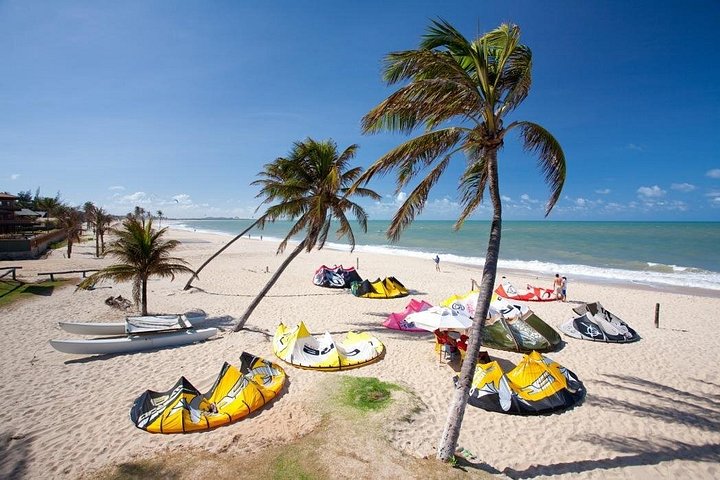
The city beaches, such as Iracema, Meireles and Praia do Futuro, are social spaces with promenades, kiosks and barracas. They are lovely for walking, sunsets and seafood, but the water can have currents and is not the clearest, so for swimming head to the beaches outside the city, such as Cumbuco, Lagoinha, Canoa Quebrada and Morro Branco. Always follow local advice about the sea, use strong sun protection and drink plenty of water.
Food and drink
Expect fresh fish, shrimp, crab, sun-dried meat with manioc, baiao de dois rice and beans, tapioca crepes with a range of fillings, cashew fruit, tropical juices and coconut water. Beach barracas serve whole fish and seafood platters, while city restaurants range from simple to sophisticated. Try the local cachaca, and for a non-alcoholic option, fresh juices made from fruits you may never have seen before.
The headline sights
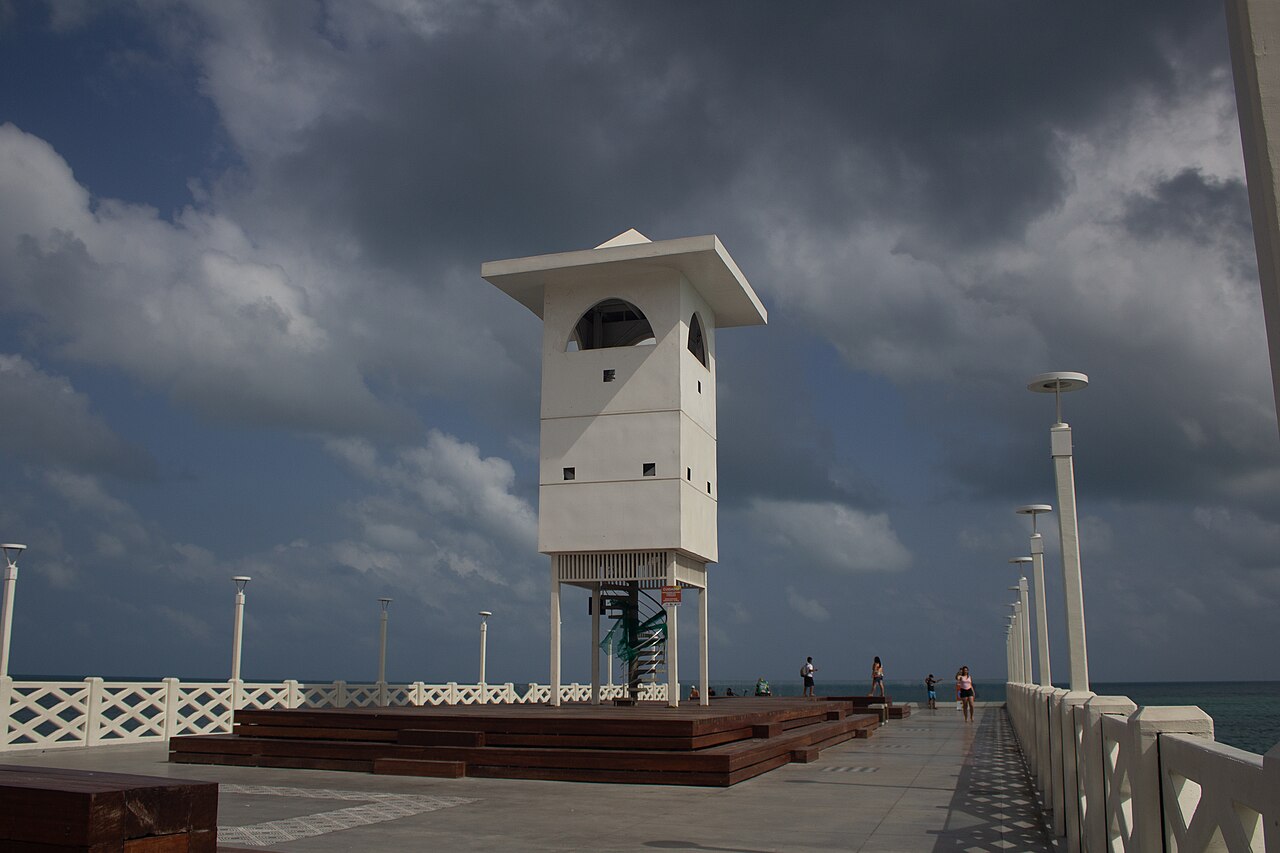
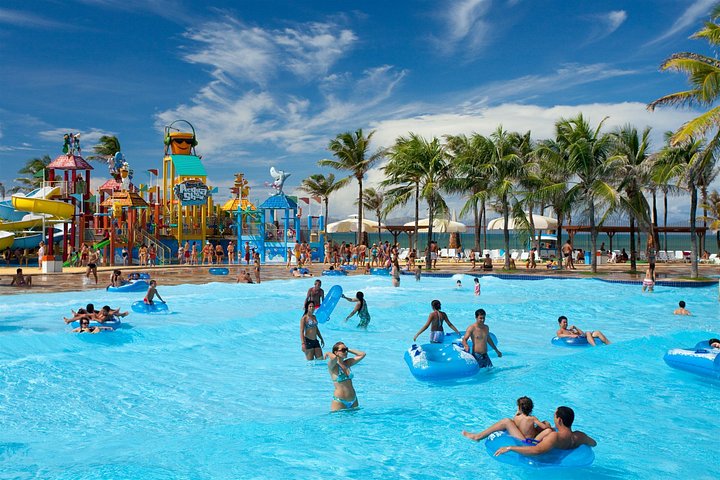
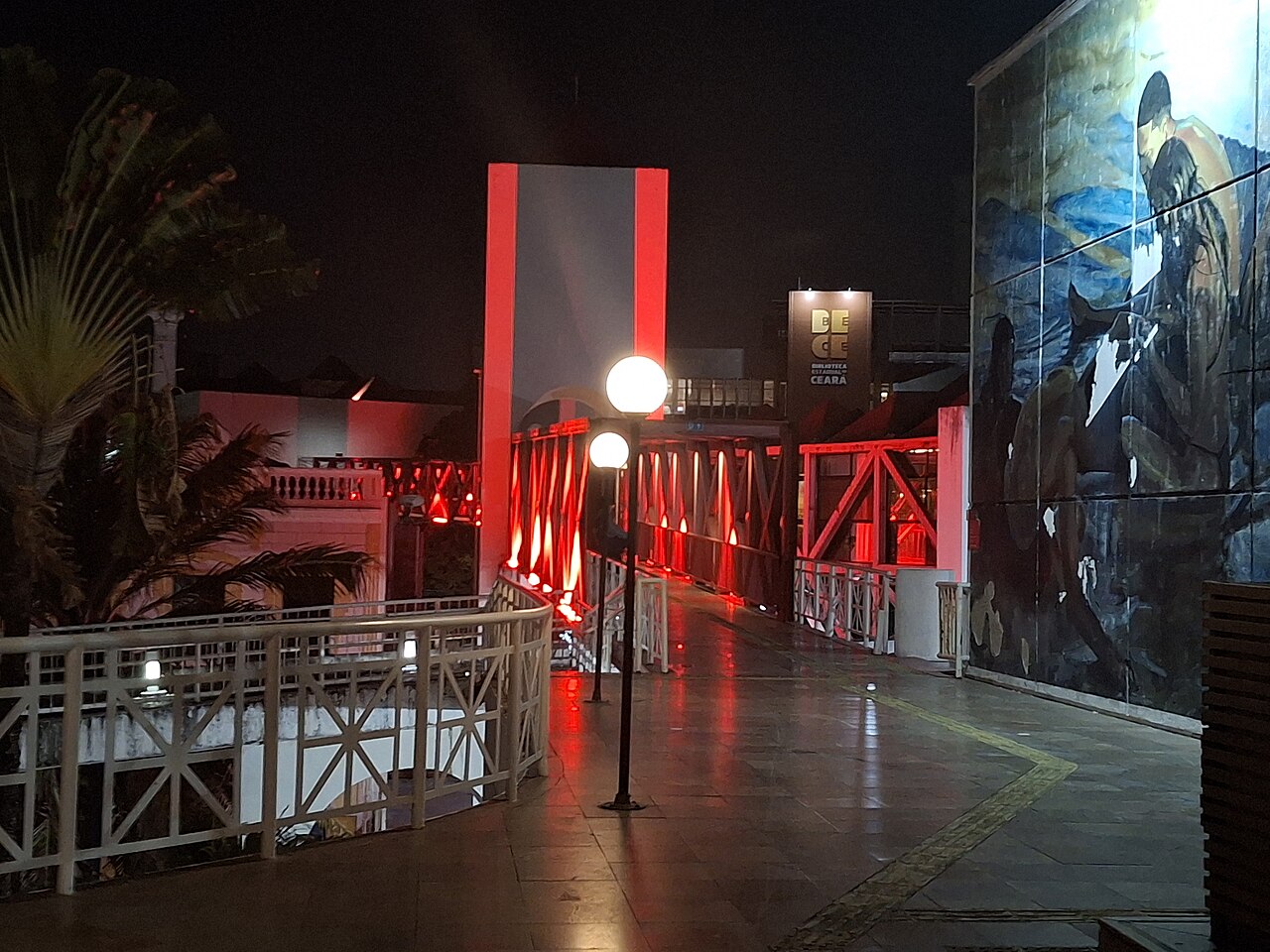
The Dragao do Mar cultural centre, the Theatro Jose de Alencar, the Mercado Central and the cathedral, the Praia de Iracema pier and the Praia do Futuro barracas give you a rich city programme. If you have children, the Beach Park water park at Aquiraz is the big family attraction. For nature and adventure, add Cumbuco for dunes and lagoons, Morro Branco for its coloured cliffs and Canoa Quebrada for the red cliffs and the Broadway street.
Weather
Fortaleza is hot all year, with temperatures usually in the high twenties to low thirties Celsius. The dry season runs roughly from July to January, with sunny skies and steady winds, while the rainy season runs from around February to May, with heavy showers that clear quickly and a greener landscape. The sun is strong in any season, so wear a hat, use sunscreen and plan outdoor activities for the morning and late afternoon.
Staying safe
Fortaleza is a large city, so use the same sensible precautions as in any big city: keep phones and cameras out of sight in busy places, avoid walking on empty streets at night, use ride-hailing rather than flagging cars, and keep valuables in the hotel safe. Check your government's current travel advice before you go, and take out travel insurance that covers medical care and any adventure activities you plan, such as kitesurfing.
How long to stay
Three days cover the main city sights with a beach day. A week lets you add two or three day trips, such as Cumbuco, Morro Branco and Canoa Quebrada, or a two-night stay in Jericoacoara. Many visitors combine Fortaleza with a longer coastal trip, and the city is a convenient starting point because of its direct flights and wide choice of hotels and tours.
What to pack
Light cotton clothes, a swimsuit, a hat, sunglasses, reef-safe sunscreen, insect repellent, a light rain jacket for the wet months, comfortable sandals and closed shoes for walking on dunes and cliffs, and a small dry bag for your phone. A light layer is useful, because air conditioning in hotels, vehicles and restaurants can be strong.
A few local habits
Brazilians are friendly and relaxed about time, so schedules can be flexible, though tour pick-ups are generally punctual. Learn a few words of Portuguese, such as bom dia, obrigado and por favor, and you will be rewarded with smiles. English is spoken in many hotels and tourist businesses but not everywhere, so a translation app is helpful.