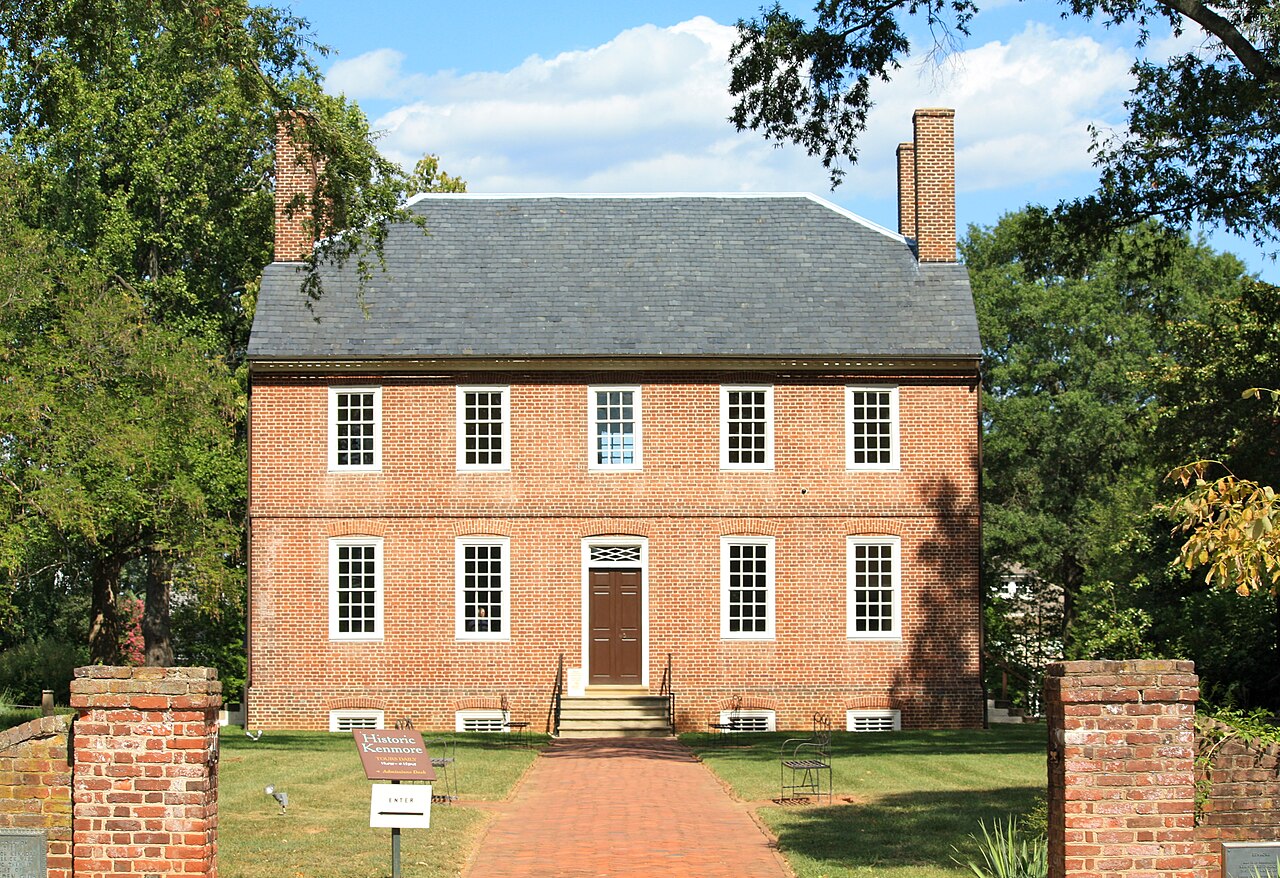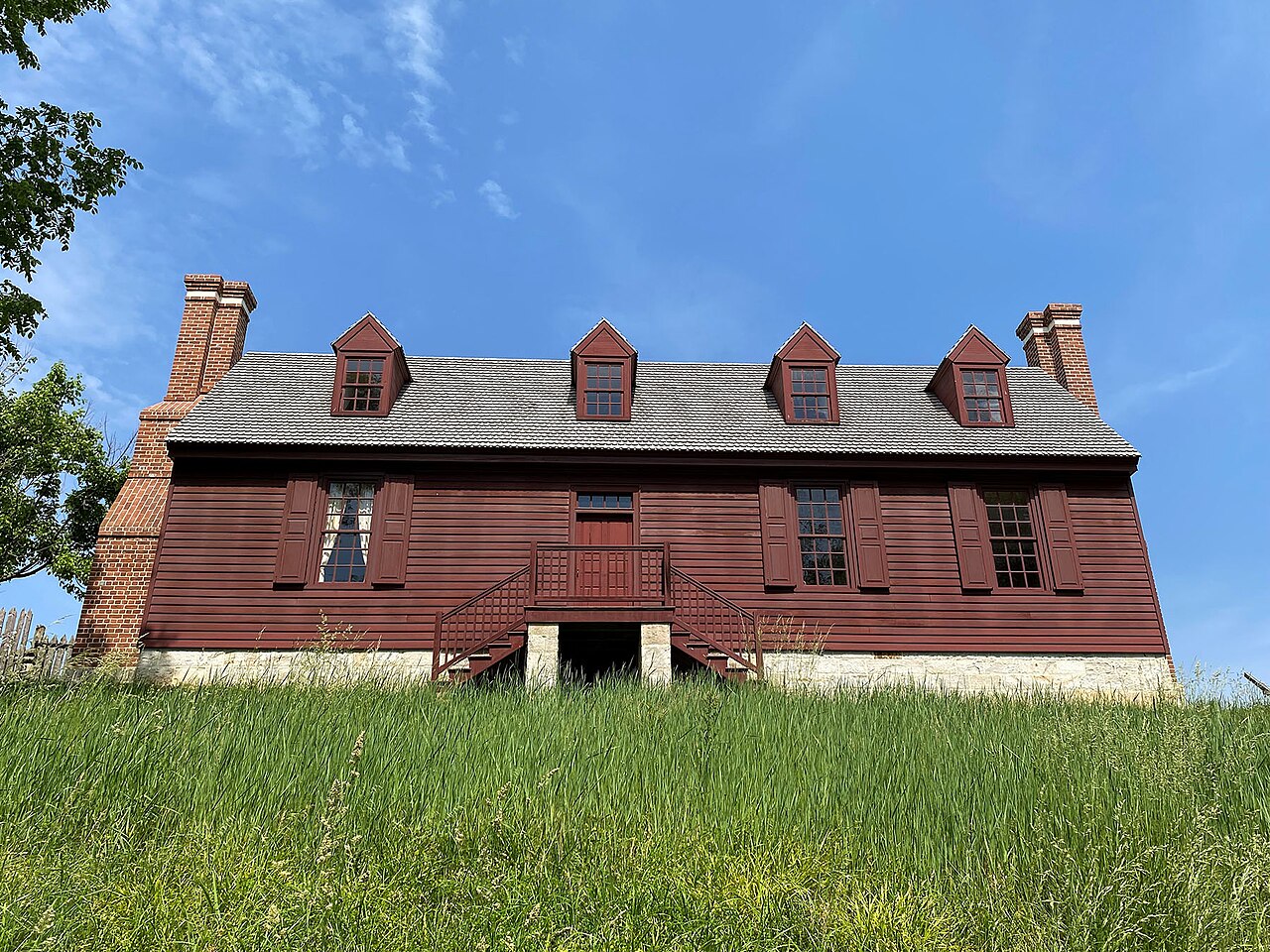
Ferry Farm is where the story of George Washington begins. His family moved to this farm on the Rappahannock when he was about six, and he lived here through his boyhood and teens, including the years after his father's death. It is also the site of the tale about the cherry tree, which was invented after his death but has become a fixture of American folklore. Across the river from Old Town, the property is quieter and more rural than the town's house museums, and it works as a half-day outing or a morning stop on a heritage trail. The site is run by the George Washington Foundation, which also operates Kenmore, and the emphasis is on archaeology as much as on architecture. Over decades, excavations have uncovered the foundations of the Washington house, thousands of artifacts and evidence of the lives of the enslaved people who worked the farm. A reconstructed house stands on the original footprint, with exhibits and costumed interpreters, and a visitor building has displays and an archaeology lab where you can sometimes watch staff cataloguing finds through the windows. Hours and tour times vary by season, so check the website before you go.
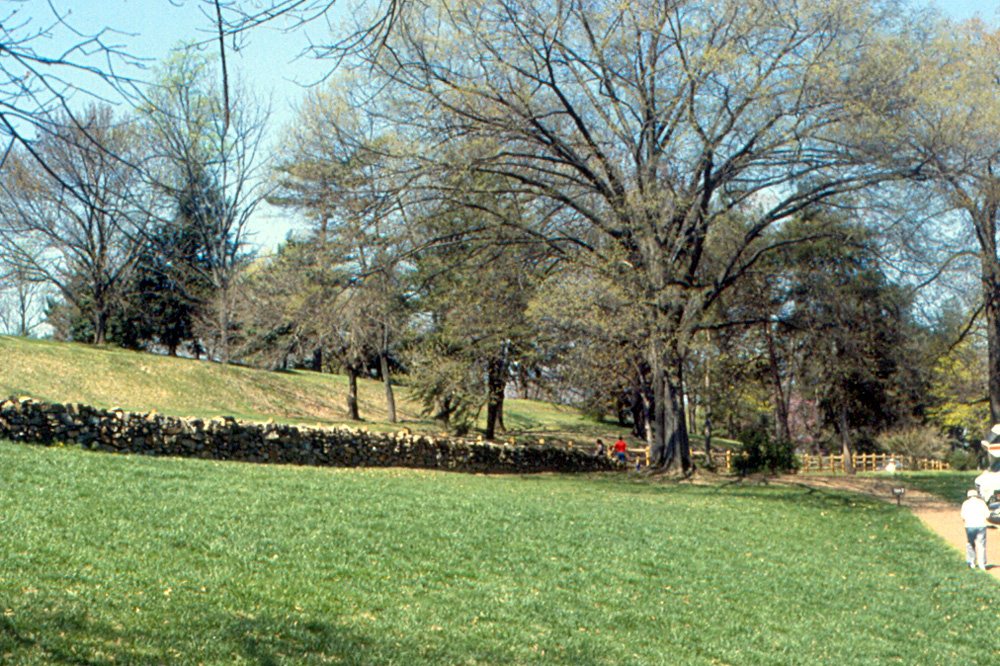
A visit combines indoor and outdoor elements. Start with the exhibit space, where objects and panels tell the story of the Washington family and the farm, including the Civil War period when Union troops camped on the grounds and left their own archaeological layer. Then walk to the house and out to the riverbank, where you can see the ferry landing site and look across to Old Town. Trails and open fields make it a pleasant place for children who have spent time in small museums and need room to run.
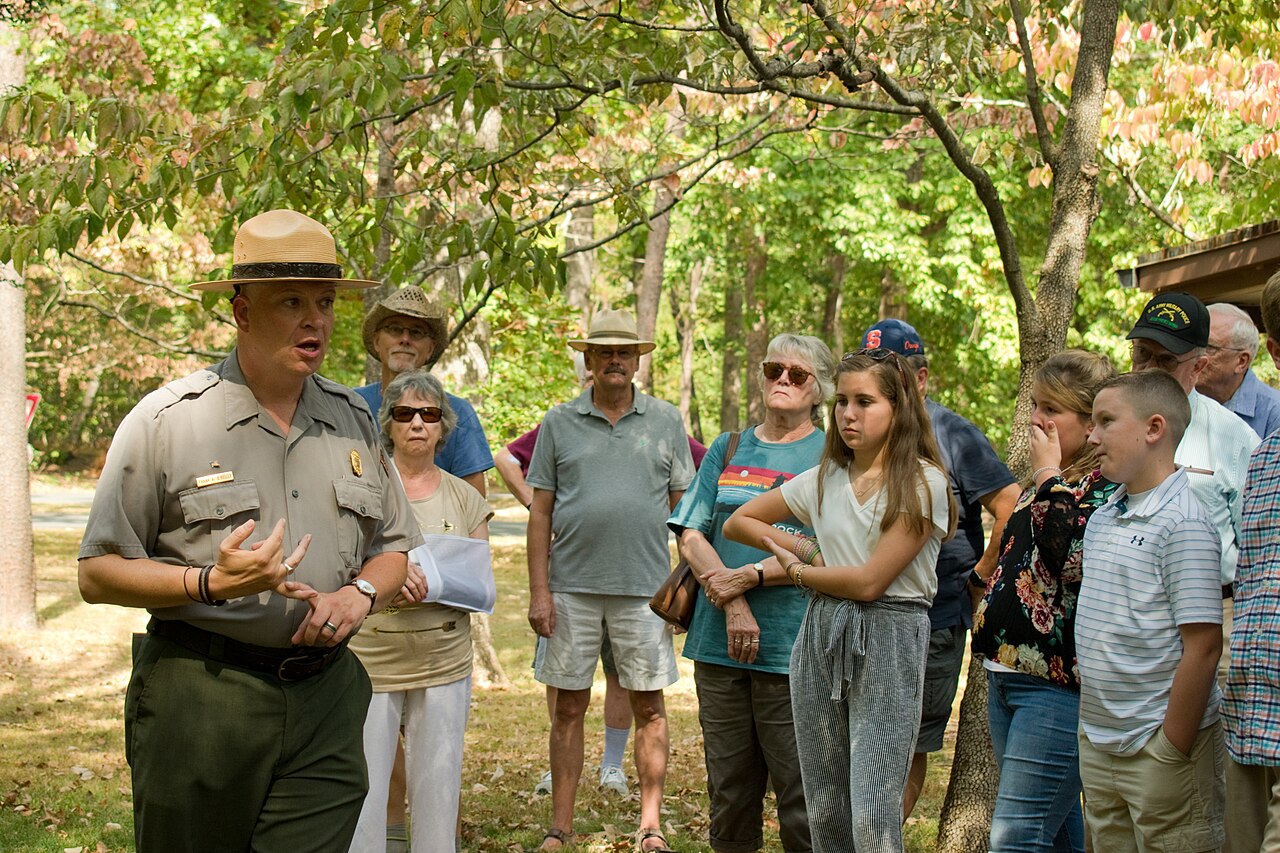
The interpretation is candid about the enslaved community that made the farm work. Guided tours and displays explain who lived and laboured here, what archaeology reveals about their lives and how that changes the familiar narrative of a hardworking young Washington. This is a place to ask questions rather than to collect easy answers, and the guides welcome them. Seasonal programmes include summer dig days and hands-on activities for children; availability changes year to year, so check what is on during your visit.
Practicalities
It is a short drive from Old Town. Allow about an hour and a half, more if you want to walk the grounds. Combined tickets with Kenmore have been offered and can be good value if you want to see both. The ground is mostly level but unpaved in places, and indoor access varies, so contact the foundation about mobility needs.
Bring a hat and sunscreen in summer. If you are building a Washington-family day, go to Ferry Farm in the morning when the light is good, then return to Old Town for lunch and the afternoon house museums.
Ask the guide about the Civil War layer, because Union soldiers camped on the farm during the war, and their artifacts sit above those of the Washington family in the soil, a neat illustration of how archaeology reads time. If you are short of time, prioritise the archaeology lab and the house site over the longer trails. If you have time, finish at the riverbank and look back toward Old Town, where the ferry crossing that gave the farm its name once carried passengers, goods and armies.
What to expect
The experience
A guided and self-paced visit to Washington's boyhood farm with a reconstructed house, an archaeology lab, exhibits and open grounds.
Best time
Spring to autumn for the grounds; summer for dig programmes when offered.
How long
About ninety minutes, longer if you walk the grounds.
Tips
Check seasonal days and hours, ask about combined tickets with Kenmore, and bring a hat in summer.
Quick picks
- Best for
- History enthusiasts and families who want an open-air, hands-on look at Washington's early life.
- Families
- Very good: open space, archaeology and seasonal activities for children.
- Couples
- A calm, scenic visit with river views.
- Pair with
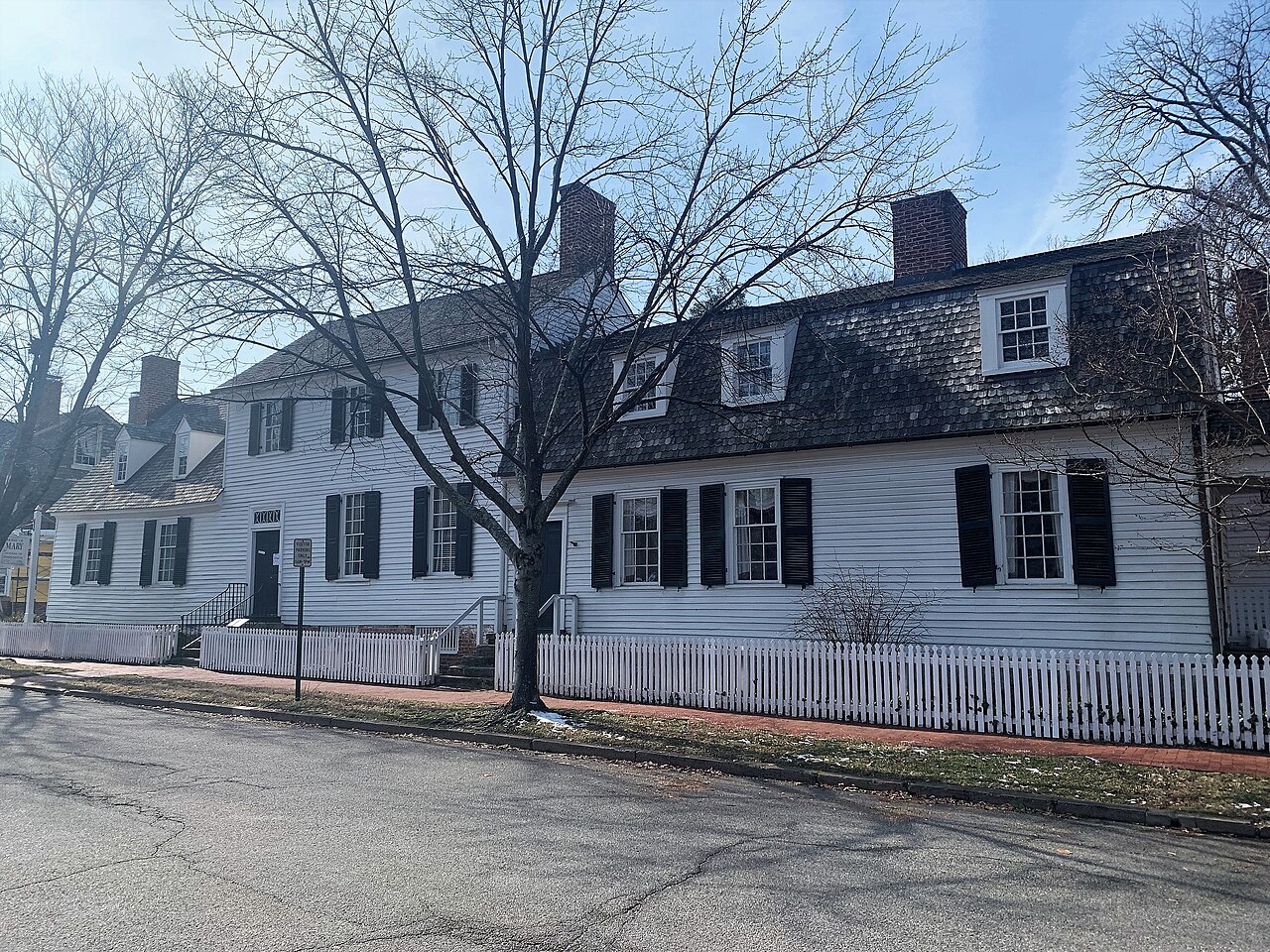
- Kenmore, the Mary Washington House and Chatham Manor.
- Time needed
- About ninety minutes plus the drive.
Good questions
What is Ferry Farm?+
The farm where George Washington lived from childhood to young adulthood, and where the cherry-tree legend is set.
Is the cherry-tree story true?+
No. It was invented after his death, but it remains part of the folklore of the site.
What can I see?+
A reconstructed house on the original footprint, exhibits, an archaeology lab and grounds that run to the riverbank.
Is there a combined ticket with Kenmore?+
The George Washington Foundation operates both sites and has offered combined tickets. Check the website for current options.
Is it suitable for children?+
Yes. The open grounds and archaeology activities suit school-age children well.