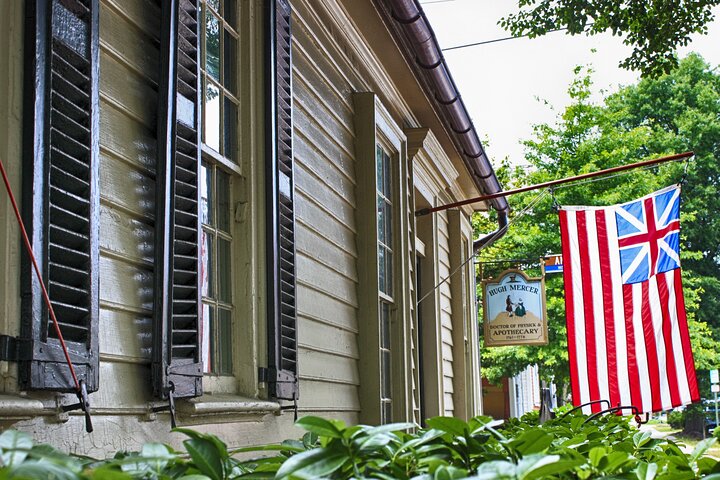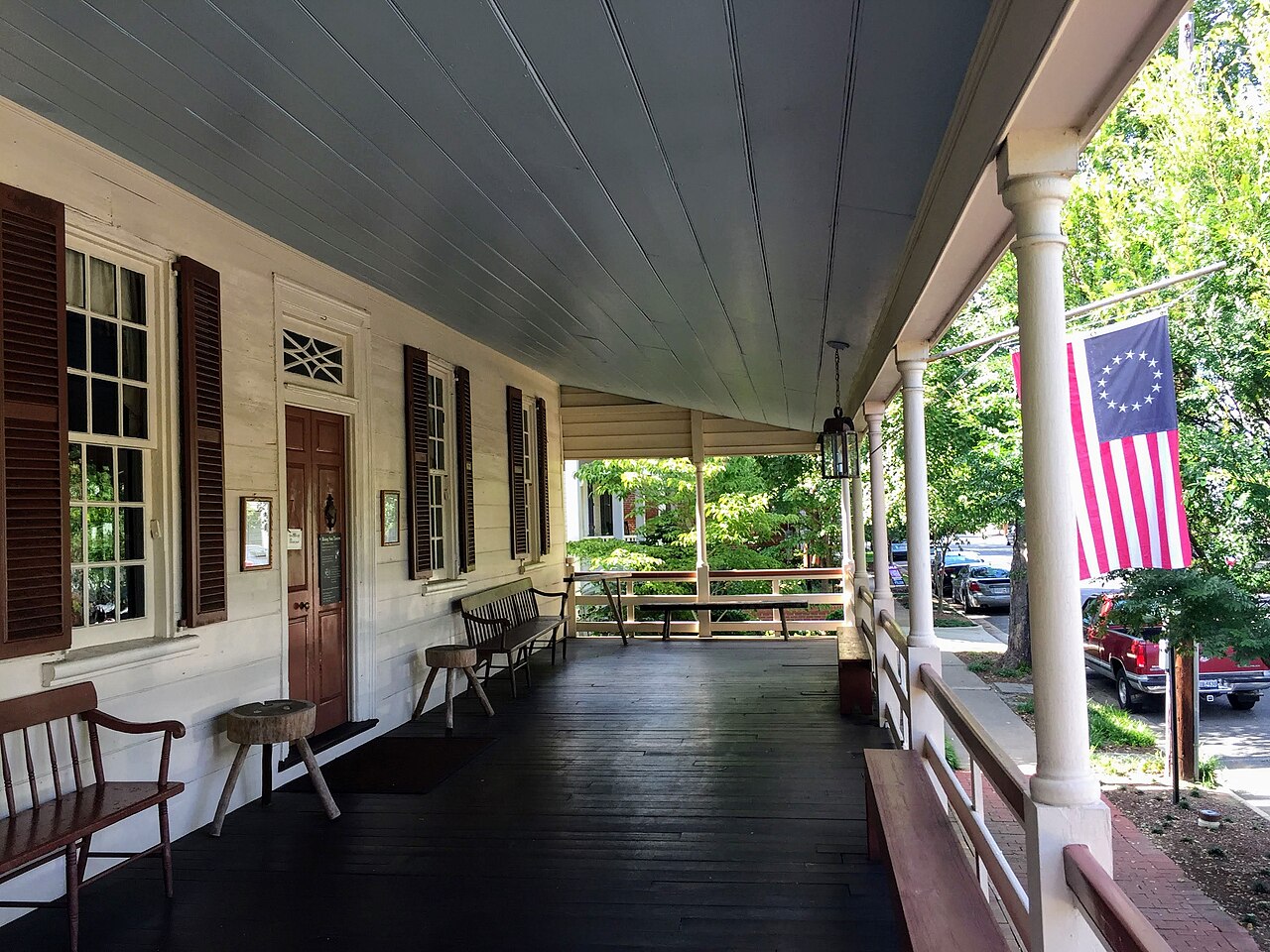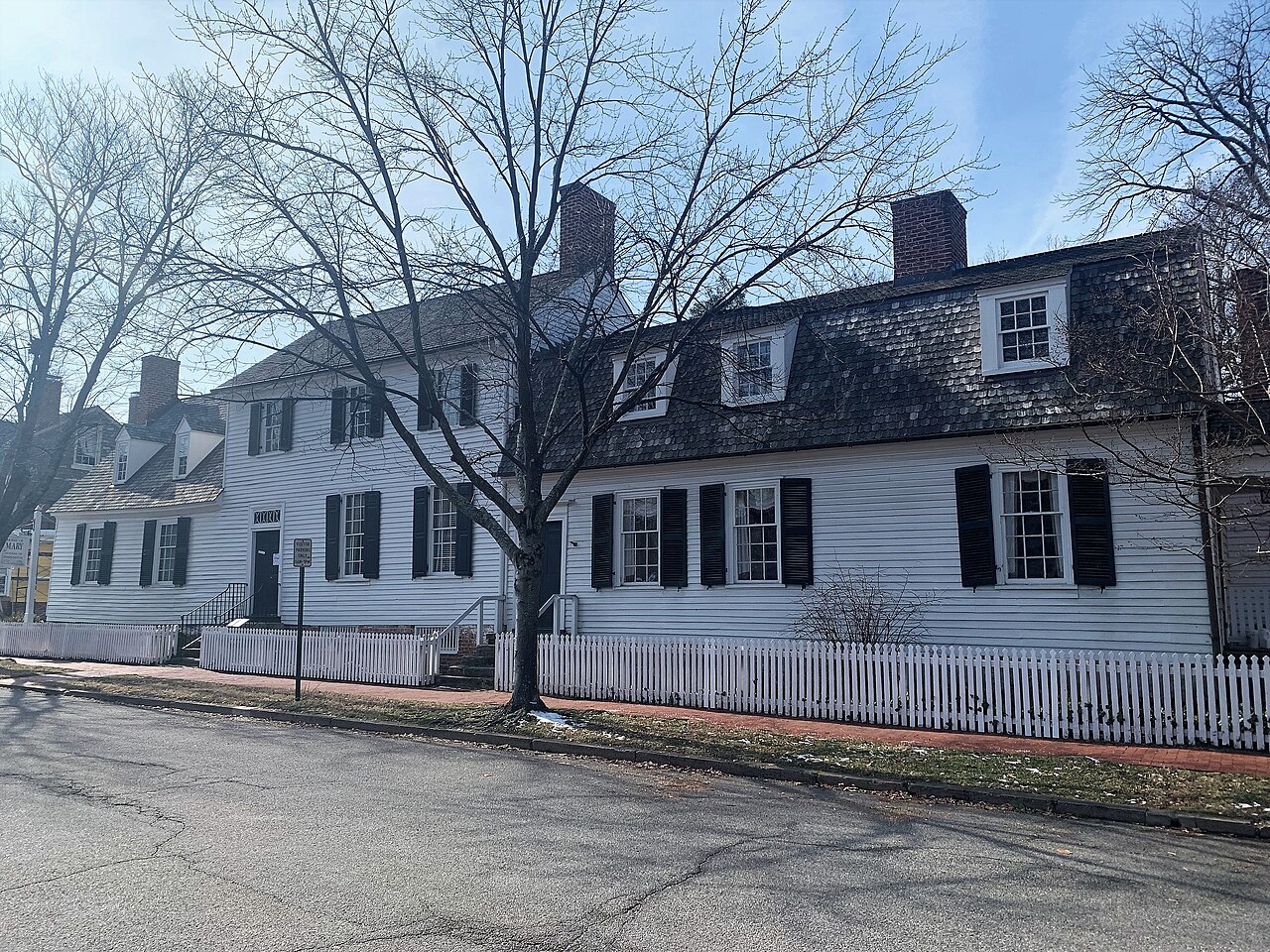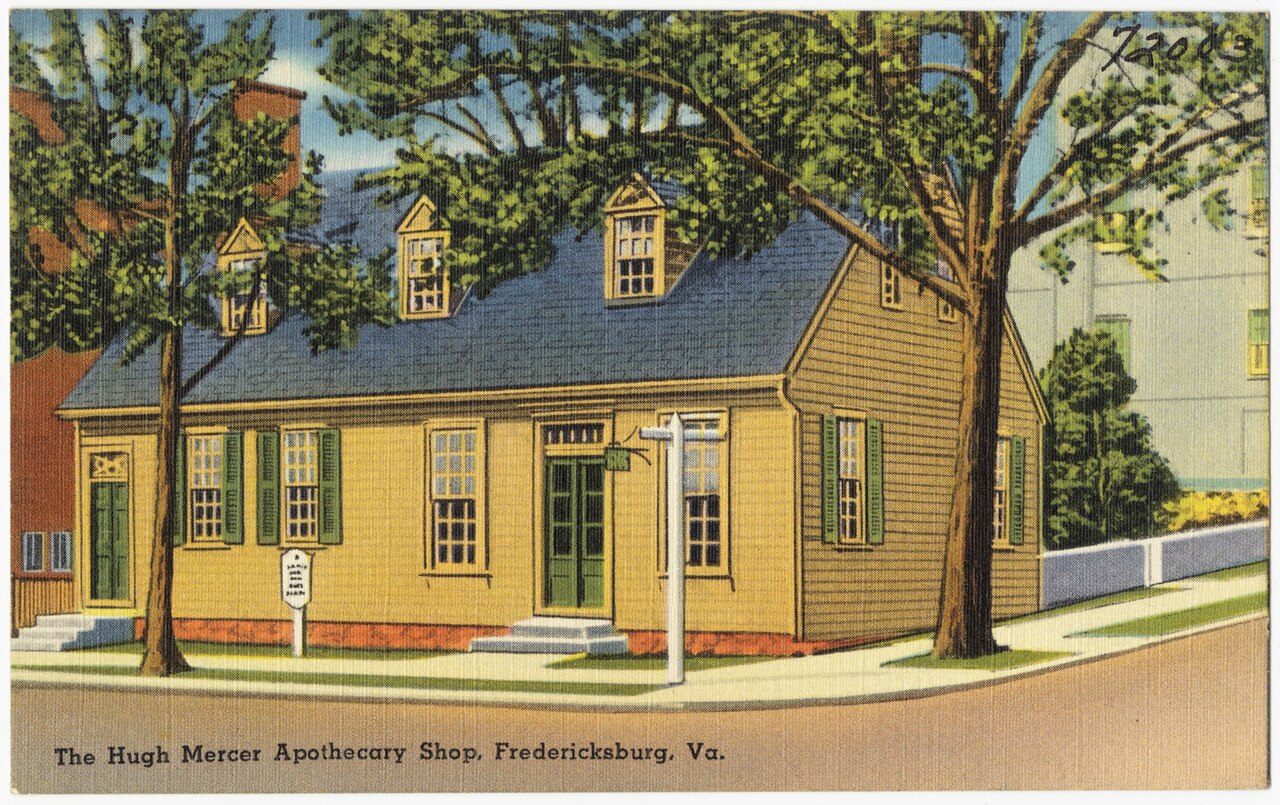
The Hugh Mercer Apothecary Shop is a small museum with a big personality. Dr. Hugh Mercer, a Scottish-born physician who had fought at Culloden and emigrated to Virginia, opened a shop on Caroline Street in the early 1760s, and among his patients were members of the Washington family. He went on to become a brigadier general in the Revolutionary War and died of wounds after the Battle of Princeton in 1777. The shop is arranged as it might have been in his day, with a consulting room, a dispensary and a variety of instruments and remedies that make modern visitors grateful for twenty-first-century medicine. Guides in period dress lead tours that explain how eighteenth-century medicine worked, and they are not shy about the gory parts. You see bleeding bowls, lancets, tooth-pulling tools and glass jars of unusual ingredients, such as crab claws, snakeroot and other substances that were once thought to cure fevers or purify blood. The guides explain what each was used for, and the humour and horror combine well. It is a short visit, easy to fit between lunch and an afternoon stroll.
The shop gives a clear picture of how medicine and daily life were intertwined. Mercer was a trusted local doctor, so his shop was a social hub as well as a place to buy remedies, and the tour touches on patients, prices and professional rivalry. A particular strength is the way guides put the instruments in context: bloodletting, for instance, is explained as a practice based on the best theories of the time, not as mere cruelty.
That makes the visit more interesting for adults, while children enjoy the more dramatic tools and the chance to ask what they were used for.
The museum is run by Washington Heritage Museums and shares tickets with the Mary Washington House and Rising Sun Tavern. Hours and days change by season, so check the website before you travel. The building is old and compact, with narrow stairs, so access is limited. Photography rules vary, so ask the guide. Most tours last about thirty minutes, and groups are kept modest so that everyone can see the displays.
For planning, the shop is a short walk from the visitor center and other sites on Caroline Street, which makes it simple to include on a heritage afternoon. Many visitors pair it with the tavern and the Mary Washington House, then finish with coffee or an early dinner in the historic district. If you are travelling with children who enjoy science, history or things that make them squirm, put this one near the top of your list.
The visit also fits well for rainy days, since it is indoors and quick. It is not suited to anyone who is squeamish about instruments, though the guides keep the tone light.
The shop also helps explain why Fredericksburg mattered. A town that could support a trained physician, a dispensary and a steady trade in imported goods was a place of substance, and the visit slots neatly into the wider story of the river port. Quiet times, such as weekday mornings outside school holidays, give the best chance of a small group and a longer conversation with the guide. In busy periods, tours may be shorter and the rooms more crowded, so be flexible about timing.
What to expect
The experience
A short guided tour of a recreated eighteenth-century apothecary and doctor's office, with instruments, remedies and costumed staff.
Best time
Any open hour; it suits a rainy day since it is indoors.
How long
About thirty minutes.
Tips
Check seasonal hours, ask about combined tickets with the tavern and the Mary Washington House, and expect narrow stairs.
Quick picks
- Best for
- Visitors who enjoy quirky history and the gory side of old medicine.
- Families
- A favourite with school-age children, who enjoy the instruments and unusual ingredients.
- Couples
- A quick, entertaining stop between lunch and a stroll.
- Pair with
- Rising Sun Tavern, the Mary Washington House and a walk along Caroline Street.
- Time needed
- About thirty minutes.
Good questions
Who was Hugh Mercer?+
A Scottish-born physician who settled in Fredericksburg, treated local families including the Washingtons, and died as a brigadier general after the Battle of Princeton in 1777.
What will I see?+
A consulting room, a dispensary, surgical and dental tools and jars of period remedies such as snakeroot and crab claws.
Is it too gruesome for children?+
Most school-age children enjoy it. The guides keep the tone light, but very young or sensitive children may prefer to skip some displays.
How long does the tour last?+
About thirty minutes.
Is there a combined ticket?+
Washington Heritage Museums offers combined tickets with its sister sites. Check the website for details.