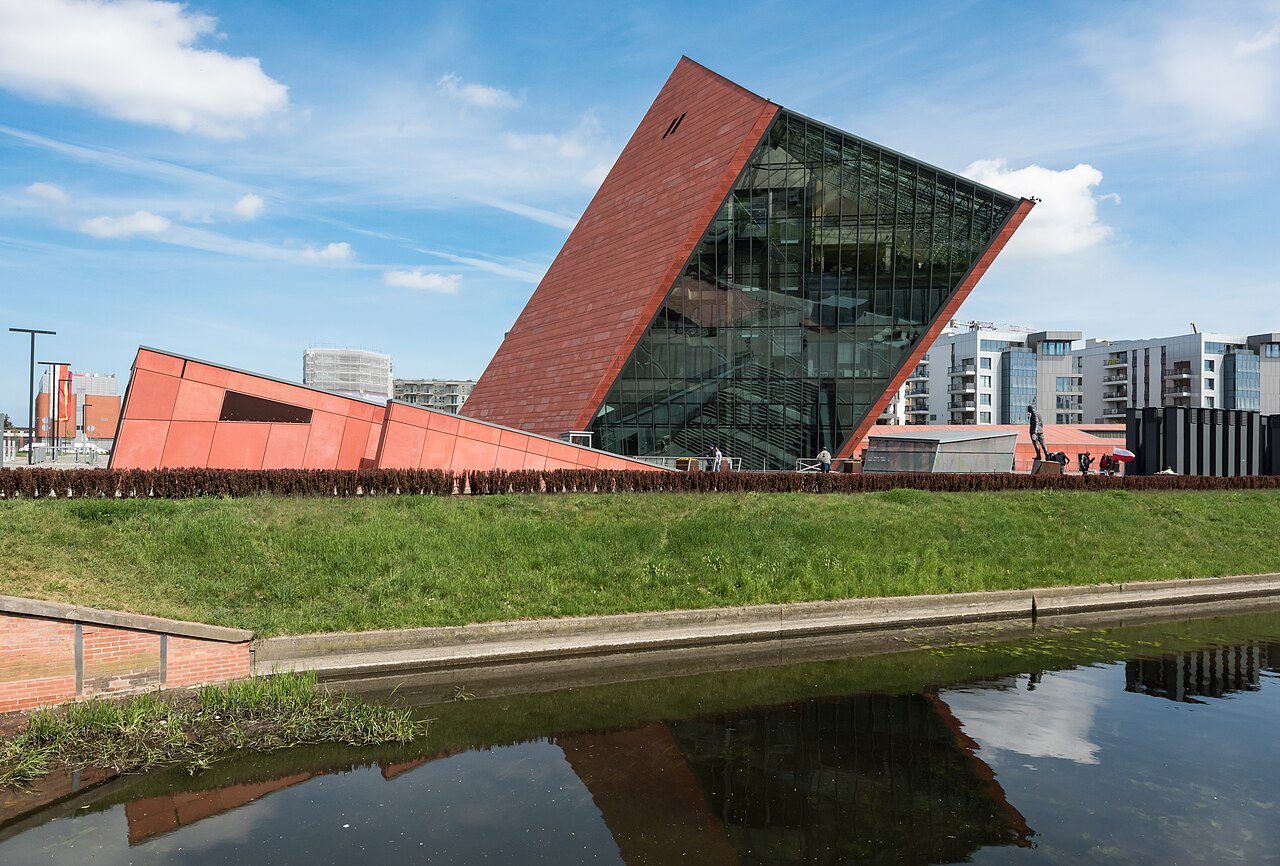
The Museum of the Second World War is the reason many people come to Gdańsk, and it deserves a full morning or afternoon. It stands on Władysław Bartoszewski Square by the river, a short walk north of the Main Town, in a dramatic building whose leaning red tower rises above an exhibition that lies mostly underground. Gdańsk is a fitting place for it: the war began here on 1 September 1939, when German forces attacked the Polish garrison at Westerplatte and the Polish Post Office in the city. The permanent exhibition is enormous and moves from the rise of totalitarian states through the invasion of Poland, occupation and terror, the Holocaust, resistance and the battles of the war to its aftermath and the new order in Europe. What sets it apart is its focus on ordinary people: full-size reconstructions of streets, homes and shelters, personal objects, letters and testimony make the history painfully real. The museum also runs the new memorial museum at Westerplatte.
Opening times: the museum is closed on Mondays. It opens on Tuesday from 10:00 to 16:00 and from Wednesday to Sunday from 10:00 to 18:00, and the ticket offices close earlier, at 14:30 on Tuesdays and 17:00 on other days. Over the holidays it is closed on 24, 25, 26 and 31 December 2026. Tickets and an audio guide can be arranged through the museum's own website.
How to visit well: arrive at opening time and give yourself at least three hours; many visitors need four or more and still do not see everything. The exhibition is long, dimly lit in places and emotionally heavy, so pace yourself and take a break in the cafe if you need it. Some rooms deal with mass killing and the Holocaust in direct terms; the museum advises care with younger children. Arriving late on a Tuesday, when it closes early, is the most common mistake.
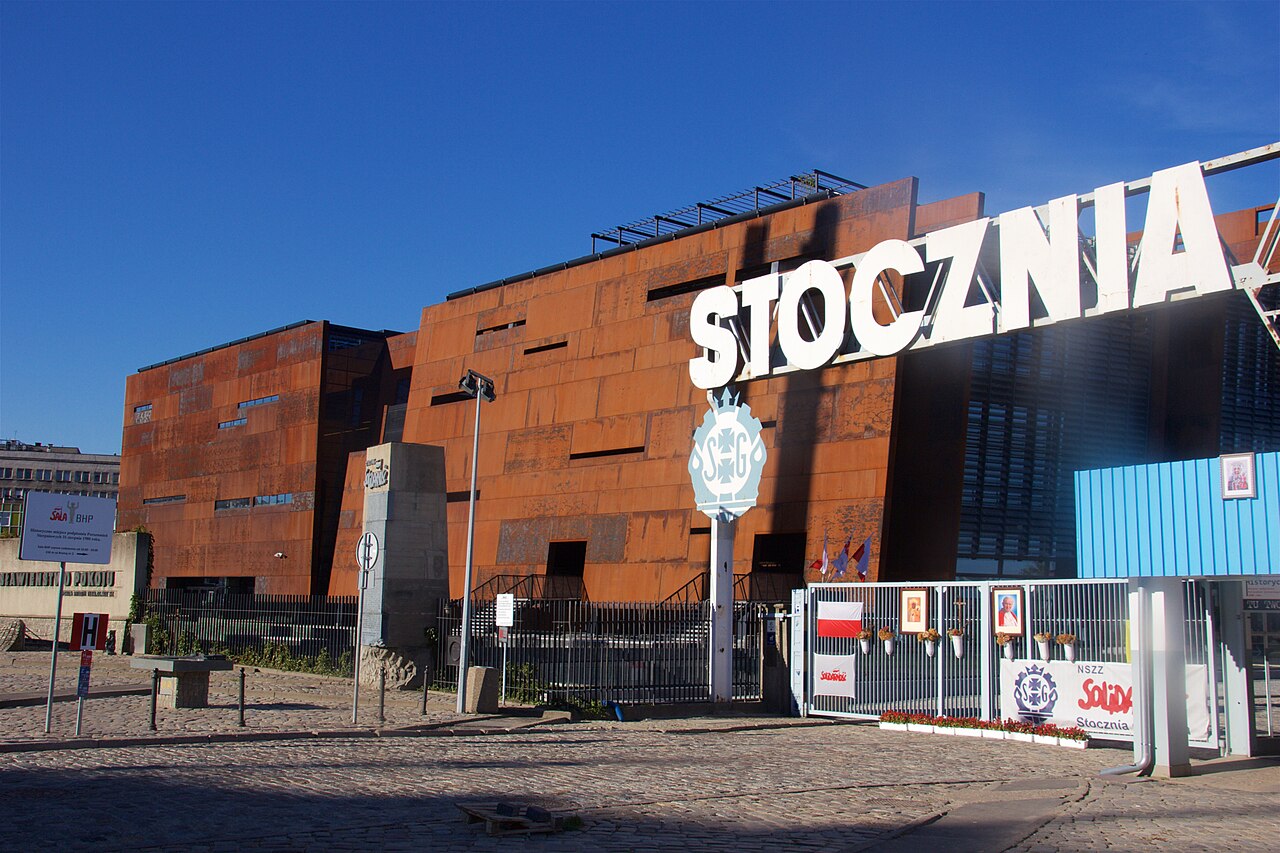
Who it suits: history lovers above all, and anyone who wants to understand what the war meant for Poland and for civilians across Europe. It pairs naturally with Westerplatte, where the war began, and with the European Solidarity Centre, which picks up the story of the post-war decades. From the Main Town it is a fifteen-minute walk along the riverside past the Crane and the Polish Post Office.
What to expect
The experience
A huge, largely underground permanent exhibition with full-scale reconstructions, film, objects and testimony, centred on civilian experience of the war.
Best time
Opening time from Wednesday to Sunday, when the museum stays open until 18:00.
How long
Three to four hours for the permanent exhibition; history lovers can easily spend longer.
Tips
Avoid Mondays, when it is closed, and late Tuesdays, when it shuts at 16:00; pace yourself with a cafe break.
Quick picks
- Best for
- Anyone who wants to understand the Second World War through the eyes of the people who lived through it.
- Families
- Best for teenagers; the museum advises care with younger children because some rooms are very direct.
- Couples
- Visit together early in the trip, then walk the riverside back to the Main Town to talk it over.
- Pair with
- Westerplatte, where the war began, and the European Solidarity Centre for the story after 1945.
- Time needed
- Half a day.
Good questions
When is the Museum of the Second World War closed?+
It is closed every Monday and on 24, 25, 26 and 31 December 2026. On Tuesdays it closes early, at 16:00.
How long do I need at the WWII Museum in Gdańsk?+
Allow at least three hours for the permanent exhibition, and four or more if you want to read and watch everything. Arrive at opening time.
Is the museum suitable for children?+
Teenagers usually find it gripping, but some rooms deal very directly with violence and the Holocaust. Parents of younger children should plan a shorter, selective visit.
Where is the museum?+
It stands on Władysław Bartoszewski Square by the Motława, about fifteen minutes on foot north of the Main Town. The leaning red tower is easy to spot.
Is Westerplatte part of the same museum?+
Yes. The Museum of the Second World War is building a memorial museum at Westerplatte, where an exhibition and a visitor centre are already open.