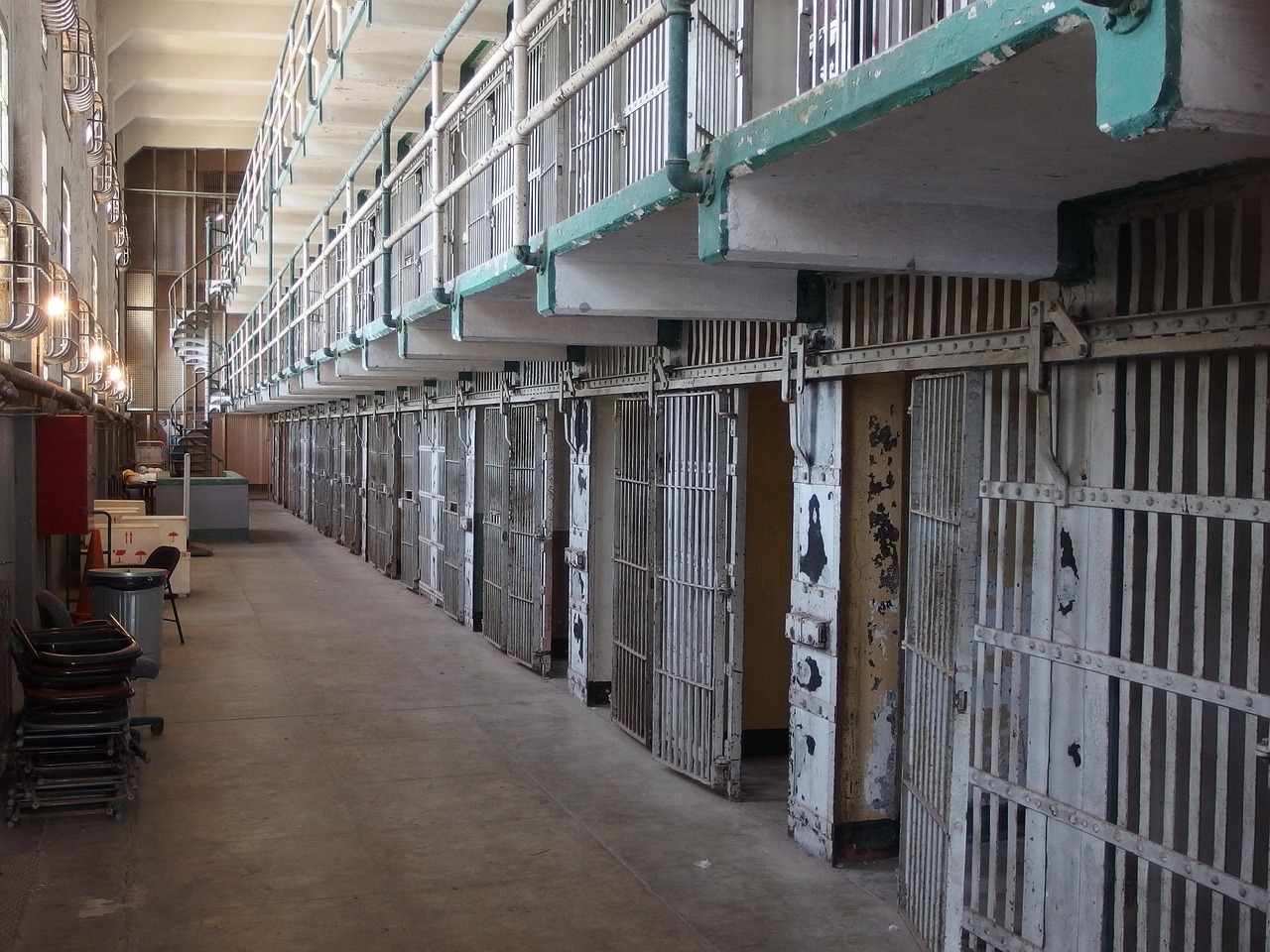
Alcatraz by day is a great museum; Alcatraz at night is an experience the National Park Service engineered to feel exactly as wrong as it should: the evening tour crosses the bay as the light dies, circles the island for the sunset perimeter view the day boats skip, and lands a few hundred visitors — instead of thousands — into a cellhouse going dark. The award-winning audio tour (former guards and inmates narrating the 1946 Battle of Alcatraz, the 1962 escape, the daily grind of the maximum-security years) runs the same, but the night version adds what the day cannot: ranger programs in the hospital wing and other limited-access spaces, demonstrations of the cell-door racking mechanism in the gathering dark, the skyline of San Francisco glittering a mile and a half of cold current away — the cruelest view in American corrections — and D-Block's solitary cells, including 14D, where the strangled-by-something legend and the documented psychological brutality of "the hole" meet. It is simultaneously the park service's best history product and the most legitimately unsettling evening in the category, and it sells out weeks to months ahead.
The history needs no supernatural assistance: the military fortress became the federal system's answer to the public-enemy era in 1934, holding Capone (syphilitic and fading), Machine Gun Kelly, the Birdman Robert Stroud (who kept no birds here), and the escape artists the system wanted drowned in reputation — culminating in the 1962 Morris-Anglin escape (raincoat raft, papier-mache heads, verdict still officially "missing, presumed drowned") and the 1946 battle that killed two officers and three inmates when a takeover failed and the Marines shelled the cellhouse. The audio tour — voiced by men who lived and worked it — remains the gold standard of the form, and the night tour wraps it in the island's own theater: fog pulling through the sally port, gulls going quiet, the lighthouse beginning its sweep.
The haunted layer stays mostly in the visitors' own reports, which is the strongest format: 14D's cold spot and the 1940s legend of a prisoner found dead after screaming through the night about eyes in the dark; the hospital wing's gurneys under flashlight; utility-corridor sounds where the 1946 three died under grenade fire are the canon, and rangers trade in history while letting the building argue the rest. The night tour's limited-access rotations (hospital, morgue era spaces, the citadel basement when offered) are where the island goes fully cinematic — concrete, rust, and bay wind in a building that held the country's loneliest men.
Booking and strategy
Alcatraz City Cruises runs all access from Pier 33 — day, night, and behind-the-scenes formats (the latter adding small-group access and converting into the night tour's programming as the light goes) — and the night tour is the scarcest ticket: a few evenings weekly, capacity a fraction of the day's, sold 60-90 days out in season. Book the moment dates open; bring layers (the crossing and the island run cold year-round); and budget the full evening — boats return in waves, and leaving on the last one, cellhouse lit behind you and the city ahead, is the correct exit.
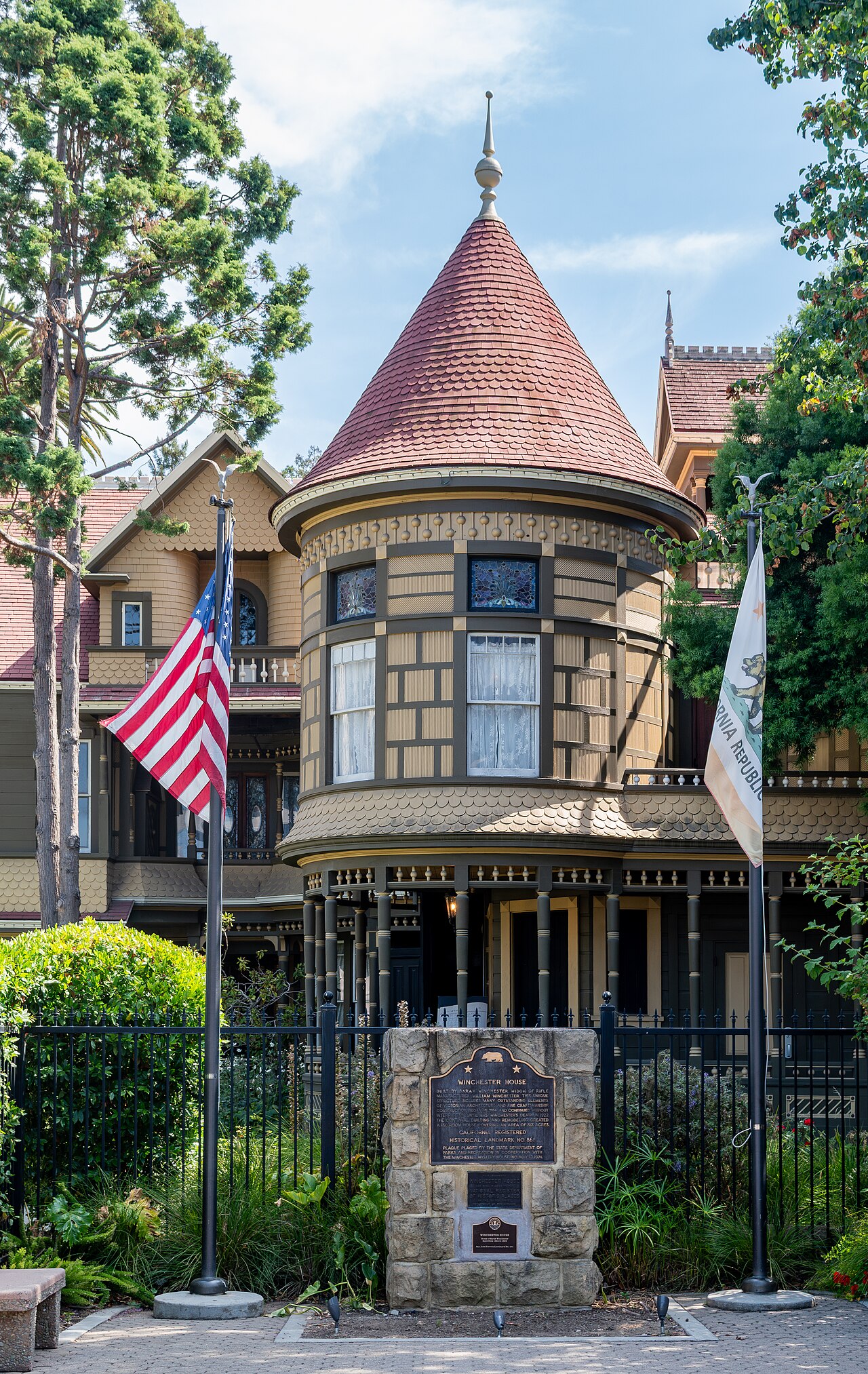
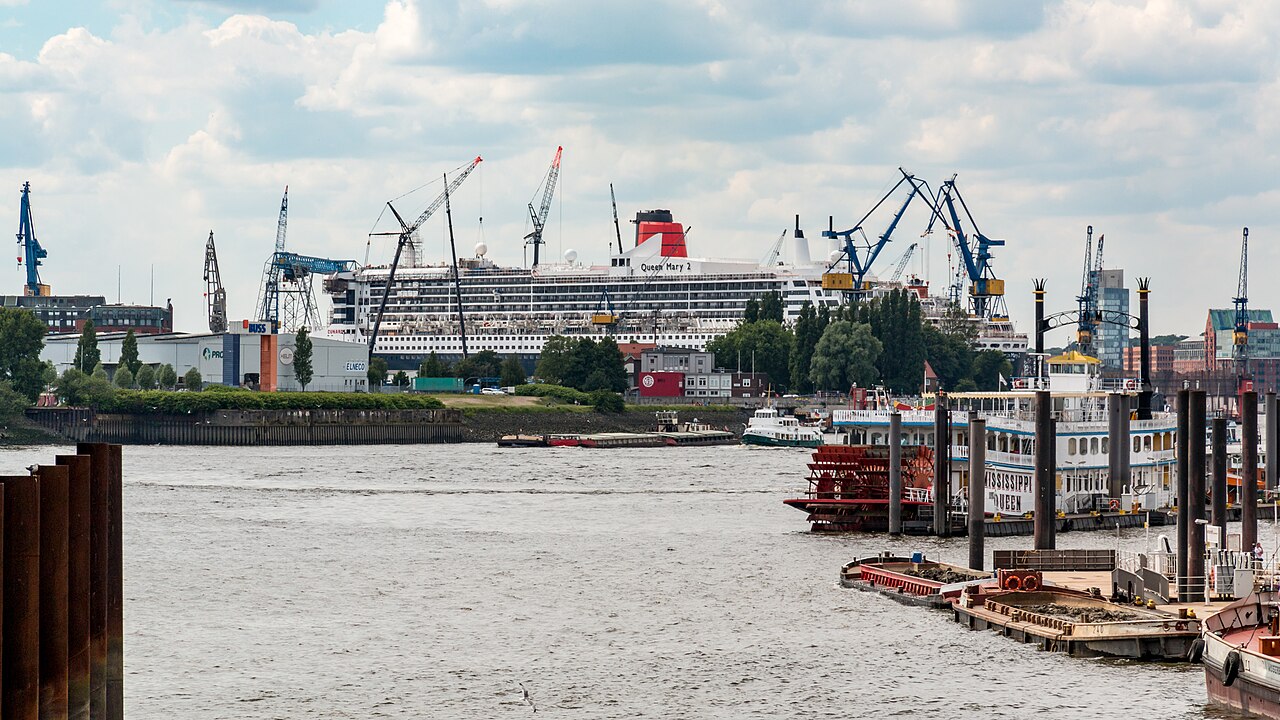
Pair with the Winchester House for the Bay Area's haunted weekend, or the Queen Mary down the coast for the full California cell-block-and-steerage circuit. No actor ever improved on a real prison at nightfall; this is the proof.
What to expect
The experience
An evening small-boat crossing with a sunset island circle, the full cellhouse audio tour in the gathering dark, ranger programs in limited-access spaces, and D-Block's solitary cells with the lights going down.
Best time
Any season — fog improves it. Night-tour dates sell 60-90 days ahead in summer and October; book when the window opens.
How long
Four to five hours dock to dock; take the last boat back.
Tips
Book the night tour specifically — it is a different product from the day. Layers always; the bay is cold in August. Stand at 14D and turn your light off — briefly. The behind-the-scenes format adds the deepest access. The last-boat departure view is the finale; do not leave early.
Quick picks
- Best for
- History-first travelers who want the category's most legitimate chill — no actors, one real prison.
- Families
- Powerful for teens who can carry the history; the hole and the darkness run heavy for younger kids.
- Couples
- Sunset crossing, the skyline from the yard, the last boat home — San Francisco's strangest and best date.
- Pair with
- The Winchester Mystery House an hour south; North Beach dinner off the returning boat.
- Time needed
- The full evening, booked months ahead.
Good questions
How is the night tour different from the day?+
Smaller capacity by far, a sunset island circumnavigation, ranger programs in spaces the day tour never opens, and the cellhouse going dark around you. Same audio tour, entirely different experience.
What is the story of cell 14D?+
The hole's most retold legend — a 1940s prisoner screaming about glowing eyes, found dead by morning — layered over the documented psychological toll of solitary. Rangers give you the history and let the cell argue the rest.
Did anyone escape alive?+
Officially no — the 1962 Morris-Anglin trio remain "missing, presumed drowned," a verdict the raincoat raft, the papier-mache heads, and sixty years of theories keep interesting.
How far ahead should we book?+
Sixty to ninety days for summer and October night tours — capacity is a fraction of the day boats and it is the city's scarcest regular ticket. Set an alarm for the on-sale window.
Is it a ghost tour?+
No — it is a night history tour so atmospherically complete that it outperforms every ghost tour in the state. The park trades in fact; the building supplies the rest.