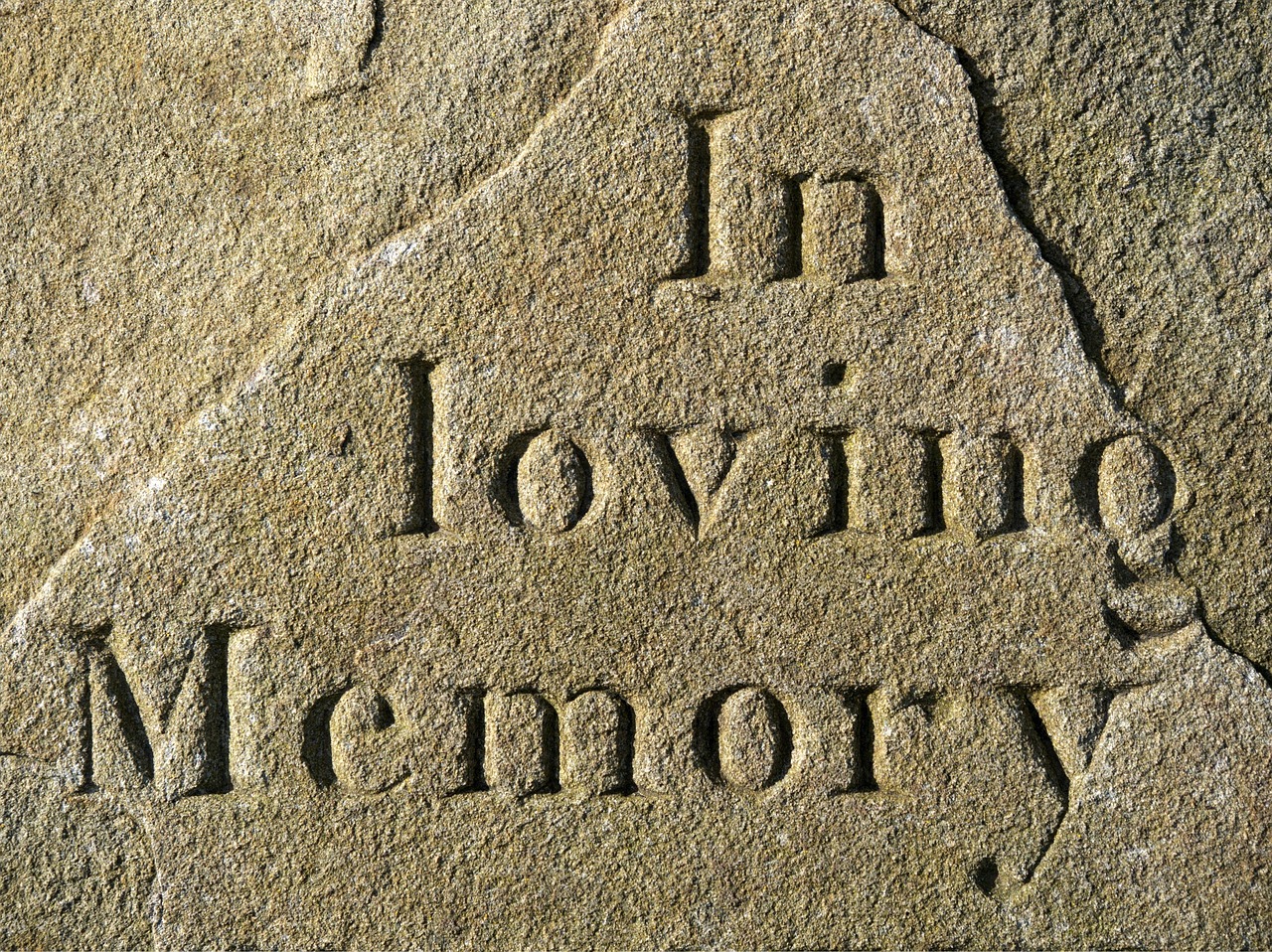
Boston's four downtown burying grounds are the most concentrated colonial dead in America, and they cost nothing to visit. Run by the city's Historic Burying Grounds Initiative and open daily from about 9am to 4pm, they sit right on or beside the Freedom Trail: Granary Burying Ground on Tremont Street, with Paul Revere, Samuel Adams, John Hancock and the victims of the Boston Massacre; King's Chapel Burying Ground, the city's oldest, with Governor John Winthrop and the Elizabeth Pain stone long linked to The Scarlet Letter; Copp's Hill in the North End, the old burying ground on the hill where British gunners set up during the Battle of Bunker Hill; and Central Burying Ground on Boston Common, with the painter Gilbert Stuart. The draw for this guide is the carving: Puritan slate headstones with winged death's heads, hourglasses and skeletons wielding scythes, a vivid and slightly terrifying folk art of mortality, best seen in low autumn light. The grounds are compact, crowded with stones and bordered by the modern city, which makes the contrast almost theatrical. Gravestone rubbing is not allowed, and conservation work is ongoing on some stones. Fit: history buffs, families (it is a free, walkable history lesson), couples doing the Freedom Trail, and anyone booking the Ghosts and Gravestones tour who wants to see the real places in daylight.
The history
Boston buried its dead in these grounds from the 1630s onward, and the oldest stones record the first generations of the colony, the smallpox years, the Revolution and the city's long Puritan relationship with death, which favored stark reminders over comfort. The iconography changed over time, from the grinning winged skull to winged cherubs to urns and willows, and walking the grounds in order is a lesson in how Americans thought about mortality. Many stones were rearranged in the nineteenth century to make neat rows for mowing, so a headstone does not always mark the exact grave, a fact the guides on paid tours love to share.
Each ground has its own highlights. At the Granary, look for the stone of Mary Goose, long linked by legend to Mother Goose, and the obelisk raised over Benjamin Franklin's parents; King's Chapel holds the Mayflower passenger Mary Chilton; Copp's Hill holds the Puritan ministers Increase and Cotton Mather and Prince Hall, the founder of Black Freemasonry in America, along with a stone said to bear the marks of British musket balls fired in target practice during the occupation; and Central, opened on the Common in the 1750s, holds British soldiers among its dead.
Visiting well
Start at Granary and King's Chapel, two minutes apart near the Old State House and the Omni Parker House, then walk the Freedom Trail to Copp's Hill in the North End, and finish at Central on the Common. Stick to the paths, do not touch or rub the stones, and allow time to read the inscriptions, which are the real pleasure. Hours run roughly 9am to 4pm daily, so plan the grounds by day and the ghost tours by night.
Building the trip
Pair the grounds with Ghosts and Gravestones after dark, a stay at the Omni Parker House across the street from King's Chapel, and a day trip to Salem. In October the Freedom Trail is busy, but the burying grounds rarely feel crowded early in the day.
What to expect
The experience
Four free, city-run colonial burying grounds along the Freedom Trail, visited on foot, with Puritan slate headstones and famous Revolutionary graves.
Best time
Early in the day before the Freedom Trail crowds; autumn light shows the carvings best.
How long
About two hours to walk all four with the trail between them.
Tips
Stay on the paths and never rub or touch the stones. Start at Granary and King's Chapel, then walk to Copp's Hill and Central. Hours run roughly 9am to 4pm.
Quick picks
- Best for
- Free colonial history and Puritan death art in the heart of Boston.
- Families
- A walkable, free history lesson with famous names kids recognize.
- Couples
- Part of a Freedom Trail day ending with dinner in the North End.
- Pair with
- Ghosts and Gravestones Boston after dark and Salem as a day trip.
- Time needed
- A morning.
Good questions
Are the burying grounds free?+
Yes. The four downtown grounds are open to the public daily, roughly 9am to 4pm, without tickets.
Who is buried in the Granary?+
Paul Revere, Samuel Adams, John Hancock and the victims of the Boston Massacre, among many others. Also Benjamin Franklin's parents, beneath an obelisk, and Mary Goose, whose stone is linked by legend to Mother Goose.
Which is the oldest?+
King's Chapel Burying Ground, which dates to the city's earliest years and holds Governor John Winthrop. It sits beside King's Chapel itself, across School Street from the Omni Parker House.
Can I make gravestone rubbings?+
No. Rubbing damages the fragile slate and is not permitted. Photographs are fine. Many stones are centuries-old slate, and the city's preservation program is repairing them.
Are guided tours available?+
Freedom Trail walking tours, including costumed-guide tours by the Freedom Trail Foundation and seasonal ranger talks by the National Park Service, pass through several grounds, and the Ghosts and Gravestones evening tour enters Copp's Hill and the Granary to tell the darker stories.