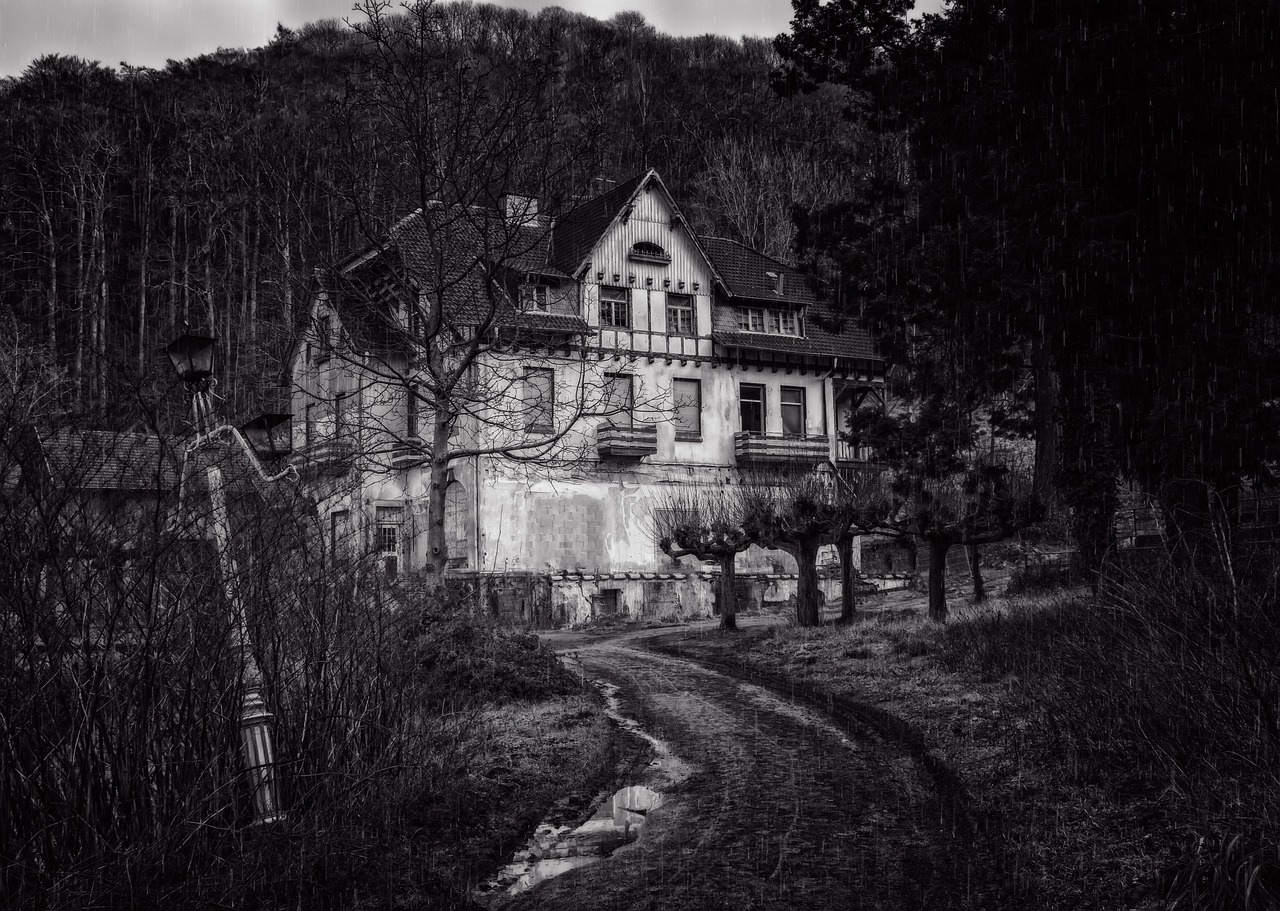
On July 3, 1863, as the Battle of Gettysburg raged through the town, twenty-year-old Mary Virginia Wade, known as Jennie, was baking bread in her sister's kitchen on Baltimore Street when a stray bullet came through two doors and struck her. She is remembered as the only civilian killed during the three-day battle, and her death turned a modest brick row house into one of the most visited sites in Gettysburg. Visitors who step inside find a house that has been preserved and furnished as a museum, with the bullet-scarred exterior and the kitchen where she died at the center of the story. The building is also among the most talked-about haunted places in a town that is filled with them. Staff, tour guides and visitors have long reported unexplained sounds, shifting objects and the sense of a presence near the kitchen and stairs, and the house features regularly on the lantern ghost tours that leave from the historic center. What makes it work is how personal it is. Most Gettysburg sites tell the story of armies and generals. This one tells the story of one woman, and the ordinary domestic world that the battle blew apart.
The history first
The Wade family lived in the neighborhood of Baltimore Street, which sat directly between Union and Confederate lines, and during the fighting the house's occupants sheltered in the cellar while sharpshooters traded fire in the streets. Jennie had been helping her sister, who had recently given birth, and she was preparing bread for Union soldiers when the fatal shot came.
Accounts of her last hours and the family's long cellar confinement are grippingly human, and the museum displays period furnishings, artifacts and interpretive material that bring the household to life. The exterior still shows the wear of the battle, and the interior layout lets you picture the narrow, claustrophobic lives lived inside it.
The haunting
The paranormal reputation is built from decades of accounts. Guides and employees have described footsteps, cold spots, the scent of baking bread and objects that seem to move on their own, and paranormal groups have run investigations in the house. Whether or not you believe in ghosts, the sense of occasion is real, because the building concentrates a single tragic moment so clearly.
For visitors who want the experience of hunting for the paranormal themselves, special evening ghost-hunt programs in and around the house hand participants equipment and a guide; a daytime ticket, by contrast, is the right choice for a calm, historical visit.
Planning well
The house is in the middle of town, so it fits easily into a walking day that also includes the Gettysburg Museum and Visitor Center, the Cyclorama, the David Wills House and the Farnsworth House, and the battlefield itself by car or guide. Check seasonal hours, since the museum runs on a seasonal schedule, and expect lines in July and during October's ghost season. The house is small, so peak hours can mean a brief wait, and its narrow stairs and old floors mean it is not fully accessible to every visitor.
Combine it with an evening lantern tour for the complete arc, and read the story of the battle first so that the details land. It is one of the most intimate and memorable stops in a town built around the largest battle ever fought on American soil.
What to expect
The experience
A self-guided museum visit through a preserved Civil War house, about forty-five minutes, with period rooms, artifacts and the kitchen where Jennie Wade died.
Best time
Weekday mornings outside July and October; the evening ghost-hunt programs suit October.
How long
About forty-five minutes inside, plus time for the rest of Baltimore Street.
Tips
Check seasonal hours, expect a small house and narrow stairs, and read up on the battle first. Pair it with an evening lantern tour.
Quick picks
- Best for
- Visitors who want the human side of the battle, with a haunted reputation on top.
- Families
- Good for school-age children; the story is sad but told gently.
- Couples
- A daytime visit followed by an evening lantern tour.
- Pair with
- The Gettysburg Museum and Visitor Center, the David Wills House and the Farnsworth House.
- Time needed
- Under an hour, or an evening with a ghost hunt.
Good questions
Who was Jennie Wade?+
A twenty-year-old Gettysburg resident killed by a stray bullet on July 3, 1863, while baking bread. She is remembered as the only civilian killed during the battle.
Is the house really haunted?+
It has a long reputation, with reports of footsteps, cold spots and moving objects. Visitors can judge for themselves, and evening programs let you investigate.
How long does a visit take?+
Under an hour for most visitors, since the house is small.
Is it accessible?+
Narrow stairs and old floors limit access in parts of the house. Ask ahead if mobility is a concern.
Can I combine it with a ghost tour?+
Yes. Many visitors visit by day and join an evening lantern tour or ghost hunt in the same trip.