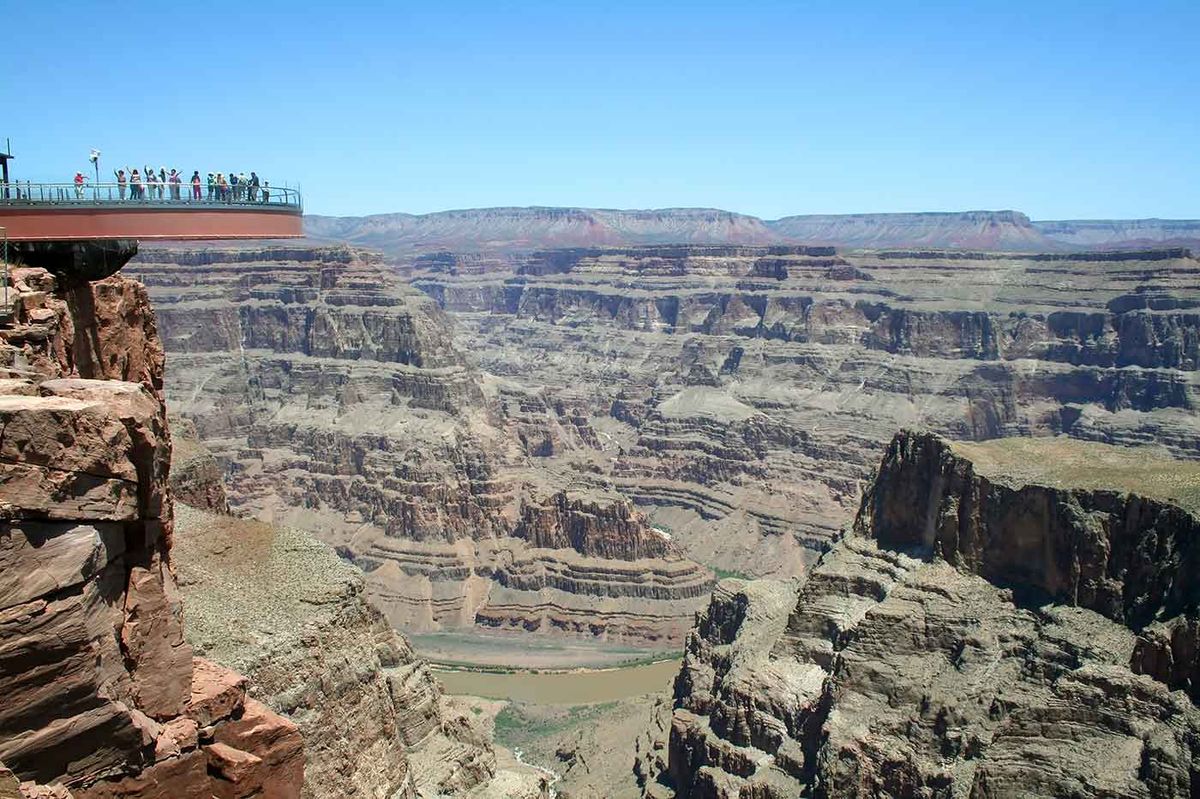
The Grand Canyon is easy to visit and surprisingly easy to plan badly. It is huge, the rims are far apart, the weather swings between extremes and the permits and fees differ from one part of the canyon to another. This guide covers the decisions that matter: when to go, which rim to choose, what to pack and the questions first-time visitors ask most.
Spring is the best all-round season
March to May brings mild temperatures, wildflowers at lower elevations and manageable crowds early in the season. Late spring can be very busy, so book early. Spring is also when wind can ground flights, so keep your schedule flexible.
Fall is just as good
September to November has cooling temperatures, thinning crowds and beautiful light. Late October is often ideal. Fall nights on the South Rim can be cold, so bring a warm layer even if the day feels mild.
Summer is busy and hot
June to August is the busiest season, with temperatures that can top 110 degrees Fahrenheit near the canyon floor and at Grand Canyon West. Plan your visit for the morning, carry plenty of water and avoid hiking below the rim in the middle of the day. Monsoon season brings afternoon thunderstorms and flash flood risk to side canyons.
Winter is quiet and underrated
From December to February the South Rim can see snow, which is stunning but can close roads and cancel tours, so verify conditions. The West Rim is generally milder. Crowds are smaller and prices are lower, though some services run on reduced schedules.
West Rim or South Rim?
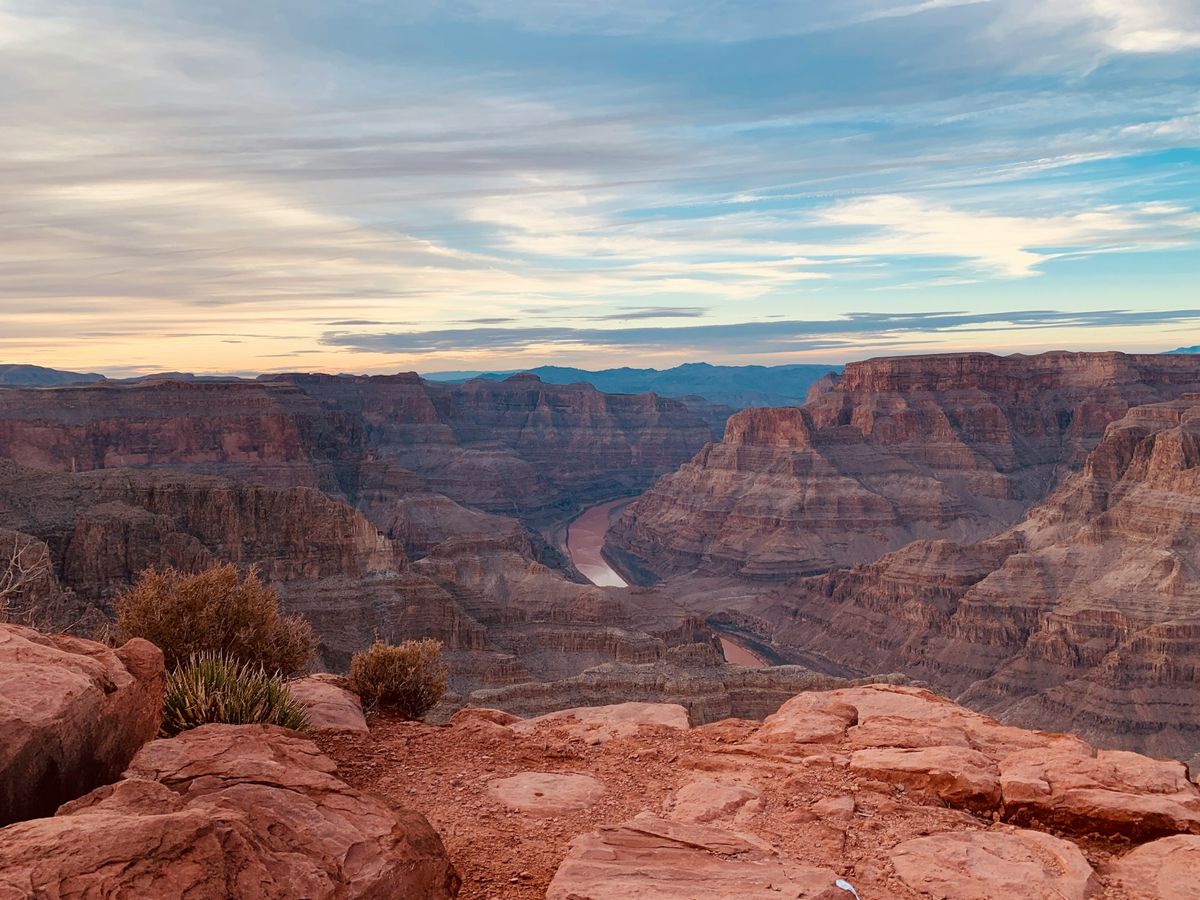
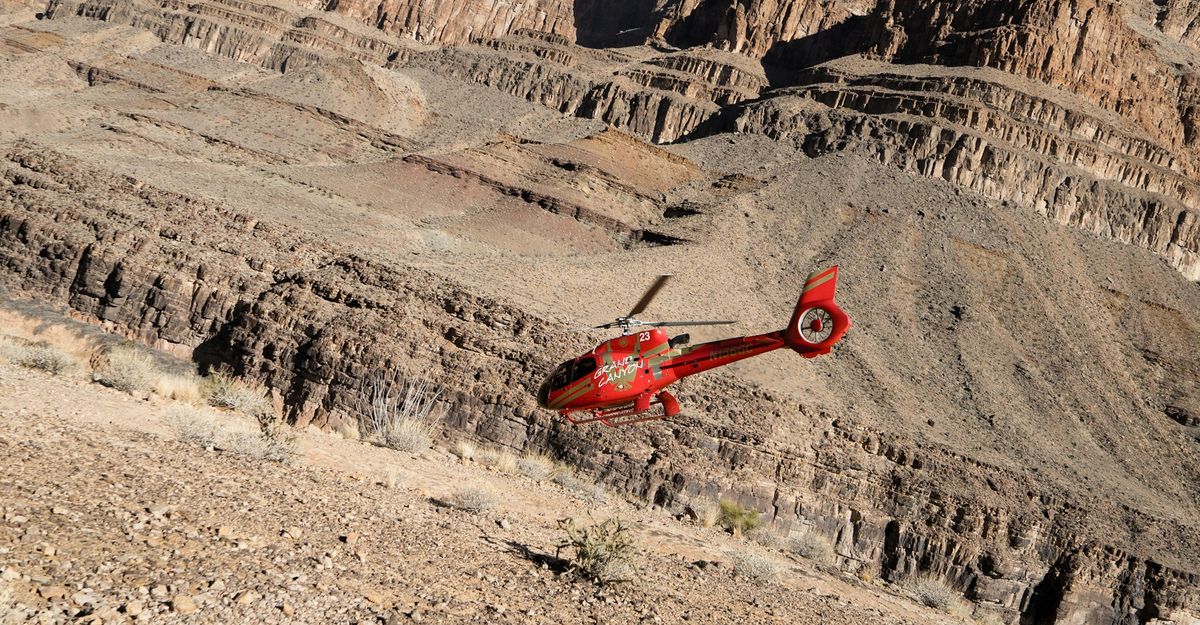
The West Rim is Grand Canyon West, on the Hualapai Reservation, about 125 miles and two and a half hours from Las Vegas. It is the choice for a Las Vegas day trip, the Skywalk, Guano Point and helicopter landings on the canyon floor. Admission is through an All-Access Pass, and hiking to the canyon floor is not permitted. The South Rim is Grand Canyon National Park, about 280 miles and four and a half hours from Las Vegas. It offers the deeper, more iconic views, the historic village, the Bright Angel Trail and the widest choice of overnight stays, with admission paid at the park entrance.
Choose by time and priorities
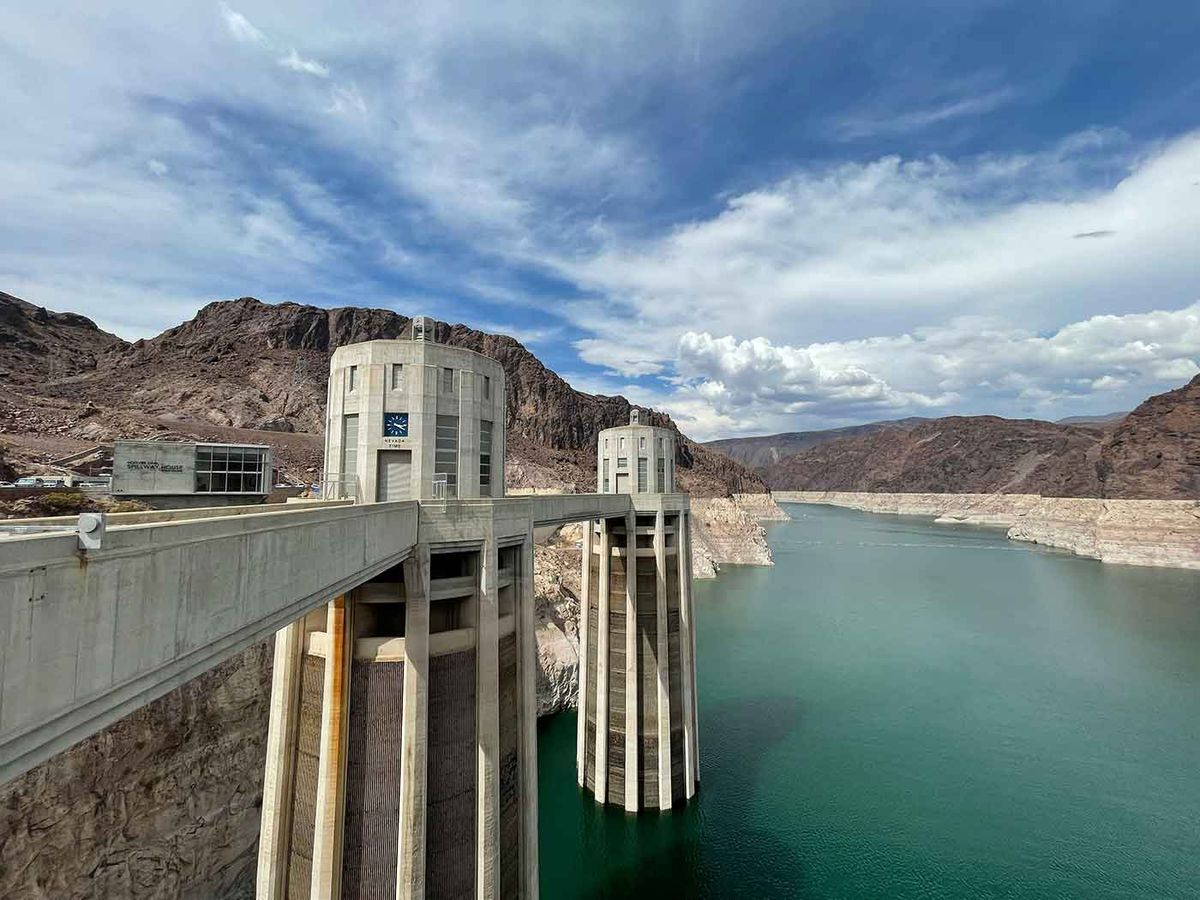
Pick the West Rim if you are based in Las Vegas, want the Skywalk or a floor landing, or want to combine the canyon with Hoover Dam in one day. Pick the South Rim if you want the classic national park experience, plan to hike and can spend a night nearby. If you have several days, do both; they feel like different canyons.
What to pack
Bring water (at least a litre for every hour of hiking), sunscreen, a hat, comfortable walking shoes rather than flip-flops, and layers, since temperatures at the rim drop quickly. Pack snacks for all-day tours. At the Skywalk, cameras, bags and selfie sticks are not allowed and go in free lockers; phones are permitted at your own risk. Budget for the professional photos taken on the bridge.
Fees and permits
No permit is needed for ordinary rim visits. Backcountry camping inside the national park requires a permit from the National Park Service, and Havasupai, the famous blue-green waterfalls, is a separate destination that requires a reservation made far in advance. National park entry is charged per vehicle or person, and non-US residents aged 16 and over may owe an extra nonresident fee, including on commercial tours, so international visitors should check how their tour handles it.
Is it a day trip from Las Vegas?
Yes for the West Rim, which is very manageable. The South Rim is possible but long, often 13 hours or more, so an overnight stay near the rim is worth considering. Check lodging status inside the park before you plan an overnight stay, and look at Tusayan, Williams or Flagstaff as alternatives.
Is the Skywalk worth it?
For most visitors, yes. Walking out over a glass floor with the canyon about 4,000 feet below is unlike anything else on offer. If you are nervous about heights, it is still a short walk. Skip it only if the cost is a stretch and you would rather spend the money on a helicopter flight or more time at the viewpoints.
Safety first
The canyon is not a theme park. Stay behind barriers at the rim, carry more water than you think you need, and never attempt to hike to the river and back in a day. Rangers consistently advise against it, because the climb out is far harder than the walk down. If you are unsure, take a tour and let the guides handle the logistics.