The Upcountry History Museum tells the story of Greenville and the surrounding Upstate region in a compact, approachable format. It occupies a handsome building near the north end of Main Street and presents exhibits on the area's native heritage, farming and textile mill era, civic growth and the people who built the modern city. Permanent displays are complemented by temporary exhibitions, and the museum has an ongoing relationship with a major national institution that brings in traveling content, so the offerings change over time. Interactive pieces and hands-on corners make it appealing to children, while older visitors can dig into photographs, objects and oral history. The museum offers a more reflective counterpart to the pleasure of downtown strolling, helping explain why the textile mills, rail lines and river shaped Greenville's character. Plan an hour or two, and use it as a calm indoor stop on a hot or wet day.
The Upstate story is a rich one, and the museum organizes it with clarity. Early galleries introduce the Cherokee people and the first settlers who arrived along trade routes, then follow the growth of agriculture, the arrival of railroads and the rise of the textile industry that earned the region a reputation as a mill center.
Photographs, objects, maps and documents help bring the periods to life, and storytelling panels connect them to people rather than only dates. The museum does not shy away from the complexities of Southern history, including labor, race and change, which gives the experience more depth than a simple booster tour.
Temporary exhibitions are a big part of the draw. Because the museum partners with a large national museum, it often hosts shows on topics ranging from American culture and technology to regional art and sports, so what you see may differ from year to year. Check the schedule if you are interested in a certain theme. Programs for families, school groups and adults add events, lectures and workshops, many tied to the exhibitions. A gift shop offers books, local crafts and educational toys.
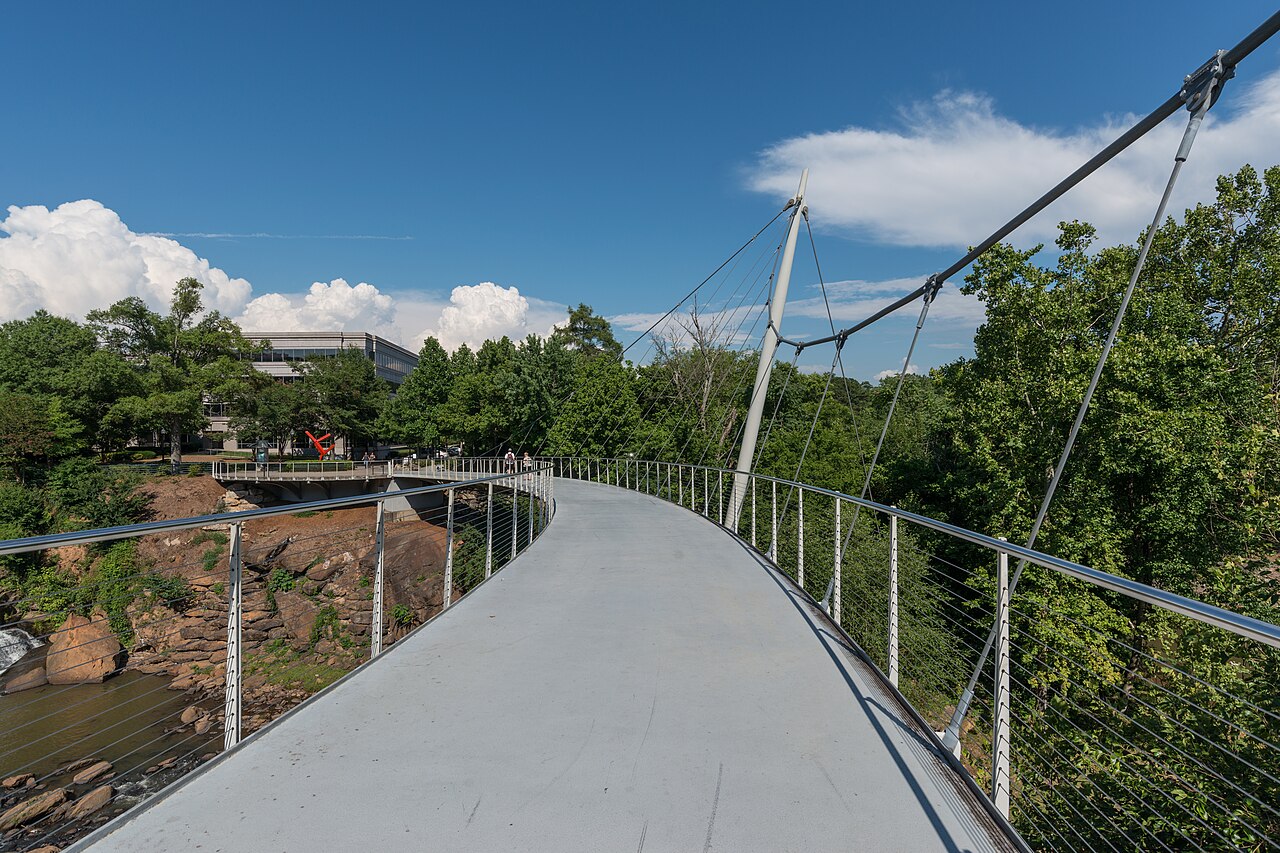
Planning is easy. The museum is open most days of the week with variable hours, and admission is charged at a modest rate, with discounts for children, seniors and some groups. Check the calendar for special events and free days. The location is a short walk from the Liberty Bridge, Falls Park and Main Street restaurants, so combining it with other downtown stops is simple.
Accessibility features include an elevator and wheelchair access, and parking is available in nearby garages. A visit takes one to two hours depending on interests. Families with school-age children will find it useful and engaging, and history buffs will enjoy the local depth. It also works nicely alongside a guided history walk.
Children who enjoy objects and stories will do best if you pick two or three exhibits to focus on instead of reading every label. Ask staff about scavenger-style activity sheets or hands-on tables, which help younger visitors engage. The museum is also a handy rainy-day refuge, and its calendar of talks and workshops may offer a local flavor worth a detour. Visitors who like to read widely should note that the gift shop stocks regional titles that make good souvenirs.
What to expect
The experience
A regional history museum on Main Street with galleries on Cherokee heritage, farming, textile mills and modern growth, plus rotating exhibitions.
Best time
Any season; a good choice for hot or rainy days. Check the calendar for special exhibits.
How long
One to two hours.
Tips
Look at current exhibitions before you go, ask about family programs, and combine with a history walking tour.
Quick picks
- Best for
- History lovers and families who like hands-on exhibits.
- Families
- Interactive corners and special programs suit school-age kids.
- Couples
- A calm, informative break in a downtown day.
- Pair with
- The history walking tour, Falls Park and a Main Street meal.
- Time needed
- One to two hours.
Good questions
What does the museum cover?+
The history of Greenville and the Upstate, from native heritage and farming to textile mills and modern industry.
Do exhibits change?+
Yes, temporary exhibitions rotate, partly through a partnership with a national museum.
Is it good for kids?+
Yes, especially school-age children, with interactive elements and family programs.
Where is it?+
On Main Street near the Reedy River and Falls Park, within easy walking distance.
How long does a visit take?+
Plan one to two hours.