Bon Secour National Wildlife Refuge protects around seven thousand acres of coastal habitat on the Fort Morgan Peninsula, the narrow strip of land that separates Mobile Bay from the Gulf of Mexico. It is one of the last large, undeveloped stretches of Alabama's coastline, and it exists largely because of the birds. Each spring and fall, millions of songbirds migrating across the Gulf use the peninsula as their first or last landfall, and the refuge's woodlands become a refuelling stop where tired birds pile into the trees. It is also an important nesting area for sea turtles, and one of the last homes of the endangered Alabama beach mouse, a small pale rodent that lives only in a handful of coastal dune systems. For visitors, the refuge offers something the rest of the coast cannot: quiet. The main trails are short and easy, winding through live oak and pine forest, dune scrub and freshwater ponds, with a boardwalk and observation points that put you right at the edge of habitat that looks much as it did before the first condos. The contrast with the busy beaches a few miles east is striking, and the wildlife is easy to see if you go early and move slowly.
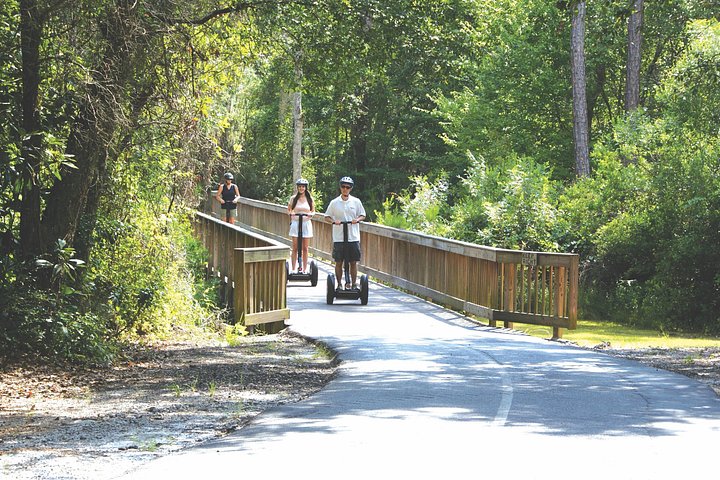
The trails are the heart of a visit. Several short loops lead through different habitats, from shaded forest paths to open dune scrub, and one leads to a freshwater lake where alligators, turtles and wading birds are visible from the boardwalk. Another reaches the Gulf shoreline, where a quiet stretch of beach is part of the refuge.
The trails are generally flat and sandy, comfortable in sneakers for most people, though mosquitoes and biting flies can be fierce in warm months, so bring repellent. Water and sun protection are essential, because there is little shade on the beach and dune sections.
Birding is the specialty. In April and May and again from September to October, the migration can be extraordinary, with warblers, tanagers, orioles and buntings hopping through the trees after a night of crossing the Gulf. Weather matters: strong north winds in spring or storm fronts in fall can force huge numbers of birds down at once, a phenomenon known as a fallout. Even outside peak migration, wading birds, ospreys, raptors and year-round residents make the refuge rewarding, and there are well-known viewing points where beginners can learn quickly from experienced birders.
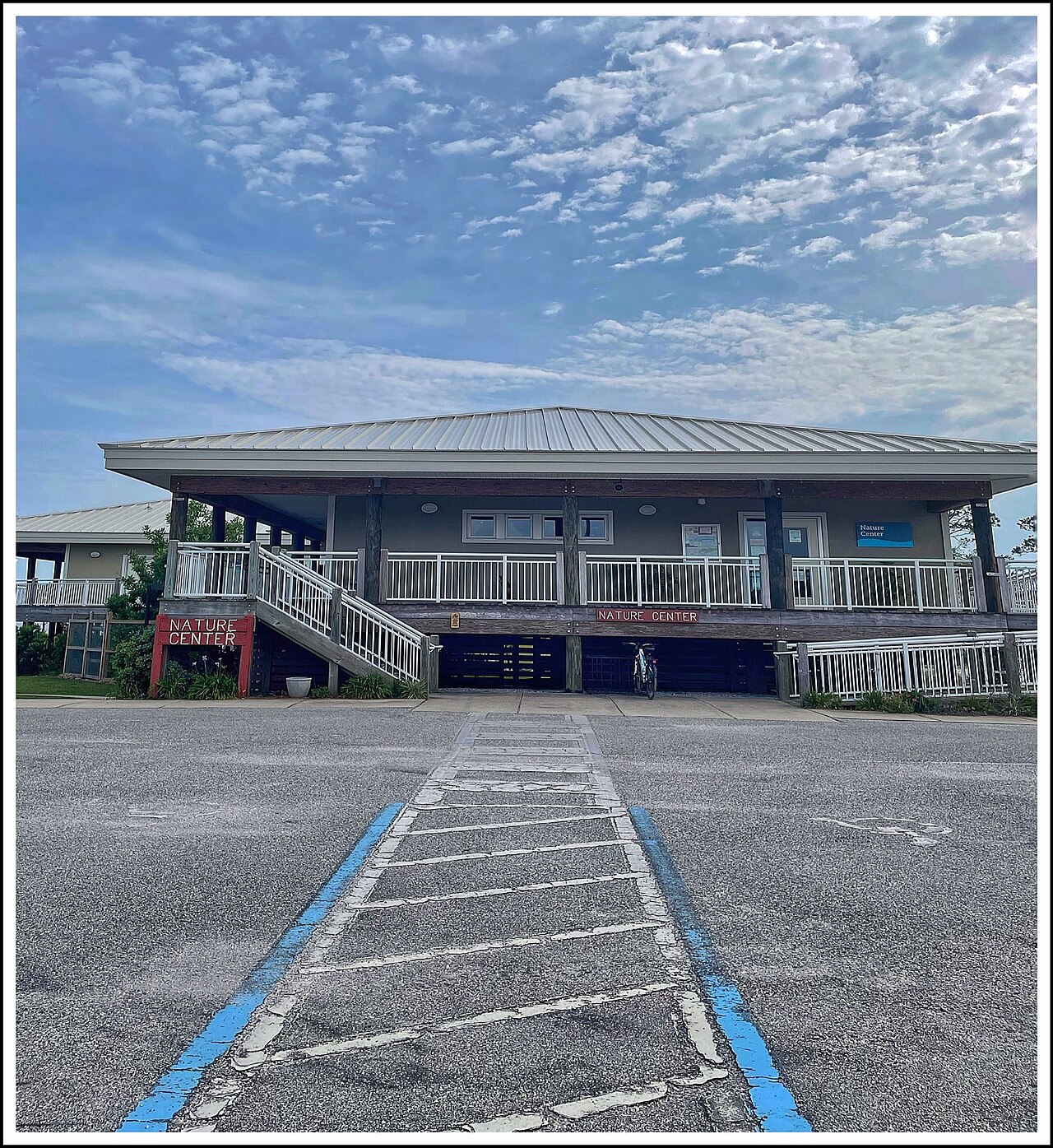
The refuge is also a place to understand the coast. Interpretive information explains the dune system, why the beach mouse matters, and how sea turtles nest. Visitors are asked to stay on trails, avoid fragile dune vegetation, keep pets off the trails where prohibited and take their trash out. Entry is usually free or low cost, but hours, trail closures and fees can change, particularly after storms, so check current information before driving out.
Combine the refuge with a visit to Fort Morgan at the tip of the peninsula, or with a beach picnic on the quiet western end of the coast. It is the single best half-day for anyone who wants to see the wild side of the Alabama Gulf Coast, and it pairs well with a morning visit before the heat builds.
What to expect
The experience
A federal refuge with short forest, dune and lake trails, a boardwalk, observation points and a quiet beach section.
Best time
Spring and fall migration for birds; early morning for wildlife; winter for comfort and fewer insects.
How long
Two to four hours depending on how many trails you walk.
Tips
Wear insect repellent, carry water, walk quietly and stay on marked trails to protect dunes and nesting areas.
Quick picks
- Best for
- Birdwatchers, nature lovers and anyone who wants a break from the busy beaches.
- Families
- Short, flat trails and a lake boardwalk suit children who like wildlife; watch for alligators and keep children close.
- Couples
- Early walks, a quiet beach and migrating birds in spring make a calm, romantic morning.
- Pair with
- Fort Morgan State Historic Site, Gulf State Park, and a lunch stop on the peninsula.
- Time needed
- A half day.
Good questions
What is Bon Secour famous for?+
Bird migration and protected coastal habitat. Millions of migratory songbirds use the peninsula as a landfall in spring and fall, and the refuge protects nesting sea turtles and the endangered Alabama beach mouse.
Is there an entrance fee?+
Entry is typically free or low cost, but fees and hours can change. Check before you travel, especially after storms.
When is the best time for birding?+
April and May and September through October are the peak migration windows. Early morning after a front is often the best time of all.
Are there alligators?+
Yes, in the freshwater lake and ponds. Stay on trails and boardwalks, keep your distance and never feed them.
Is it good with kids?+
Yes, if they enjoy walking and wildlife. Trails are short and mostly flat, but bring insect repellent, sun protection and water.