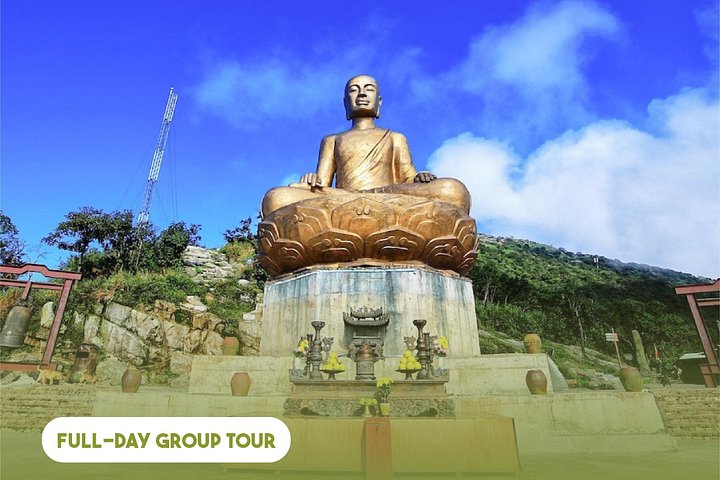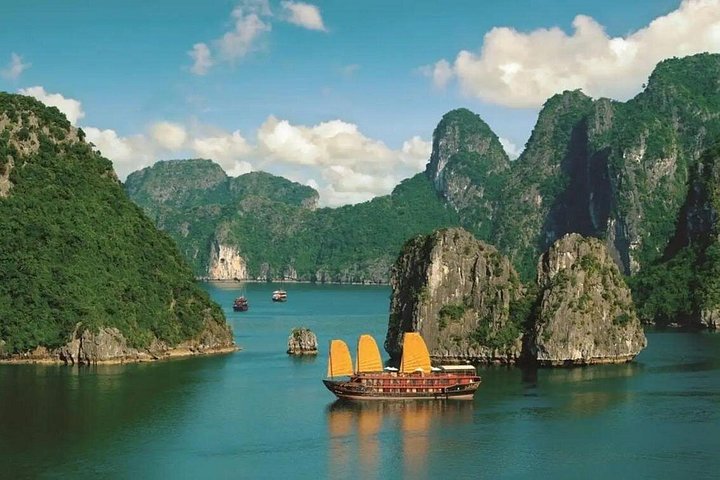
Quang Ninh Province is much more than its coastline. Behind the bay, the land rises into green hills, old villages and monasteries that have drawn pilgrims and meditators for centuries. This day tour turns inland for a quieter picture of the region: a visit to a Zen monastery and a stop in Yen Duc, a village noted for its traditions and for the pace of country life. The trip suits travelers who have already seen the bay or who need an alternative when sailings are cancelled. It is more reflective than most excursions here. You spend time in gardens, halls and courtyards, learn how monks live, and visit a village where daily life still follows the seasons. Compared with the Yen Tu pilgrimage tour in this guide, it is gentler on the legs and more concerned with culture than with climbing.
Zen Buddhism in Vietnam has deep roots in this part of the north, and the Truc Lam tradition is closely associated with the Yen Tu area. A monastery visit usually starts with a briefing on etiquette: dress modestly with covered shoulders and knees, speak quietly, remove shoes where asked and avoid pointing your feet at altars. You may walk through gardens, enter prayer halls and see monks and lay practitioners at work. If a meditation session is part of the itinerary, take part as you feel comfortable, and do not worry about doing it perfectly.
Yen Duc brings the day down to earth. The village is known in the region for water puppetry, a performance art that began in the flooded rice fields of the Red River delta, with puppeteers standing waist-deep in water behind a screen. Even if there is no show during your visit, you can see how village life organizes around the seasons, the temple and the communal house. Check the itinerary to see what is included, because activities vary and some depend on the day of the week.
Expect a day of road travel, so choose your seat and bring water. Journey times between sites depend on traffic and weather. A guide is useful here because signs and explanations are limited at smaller sites, and context transforms a pretty building into a story about people. Ask about lunch arrangements when you book, particularly if you follow a vegetarian diet, since monasteries often serve vegetarian meals.
Compared with a cruise, the pace is slow, and that is the point. This is a good day for adults, older families and travelers who value quiet over adrenaline. Younger children may find the long periods of silence and walking tiring. Combine it with a day on the bay, not the same day, so that you have contrasting experiences: water and mountain, sound and silence.
As with any religious site, respect is the main requirement. Ask before photographing monks or ceremonies, keep your voice low and follow signs about restricted areas. Carry small cash for donations or souvenirs, a hat for the sun and shoes that are easy to remove. If you want to deepen the experience, pair it with a longer stay near Yen Tu or a reading of a Vietnamese Buddhist history before you go.
What to expect
The experience
A guided full-day trip by road to a Zen monastery and a nearby countryside village, with time for walking, listening and lunch.
Best time
Spring and autumn are the most comfortable; summer is hot and winter can be cool and misty.
How long
A full day including road travel from Ha Long City; confirm departure time when you book.
Tips
Dress modestly, carry water and small cash, ask before taking photos and check the lunch arrangements.
Quick picks
- Best for
- Travelers who want culture and quiet rather than a boat day.
- Families
- Best for older children who can walk and sit still.
- Couples
- A reflective day that suits both of you.
- Pair with
- Pair with a Yen Tu pilgrimage or an overnight cruise.
- Time needed
- A full day.
Good questions
What should I wear?+
Modest clothing that covers shoulders and knees, and shoes that are easy to remove.
Is there a meditation session?+
Programs vary. Check the itinerary when you book.
Is lunch vegetarian?+
Monastery meals often are. Ask about dietary needs when you book.
Is it a lot of walking?+
Mostly gentle walking, much easier than a mountain pilgrimage.
Can I take photos?+
Ask first at religious sites and follow posted signs.