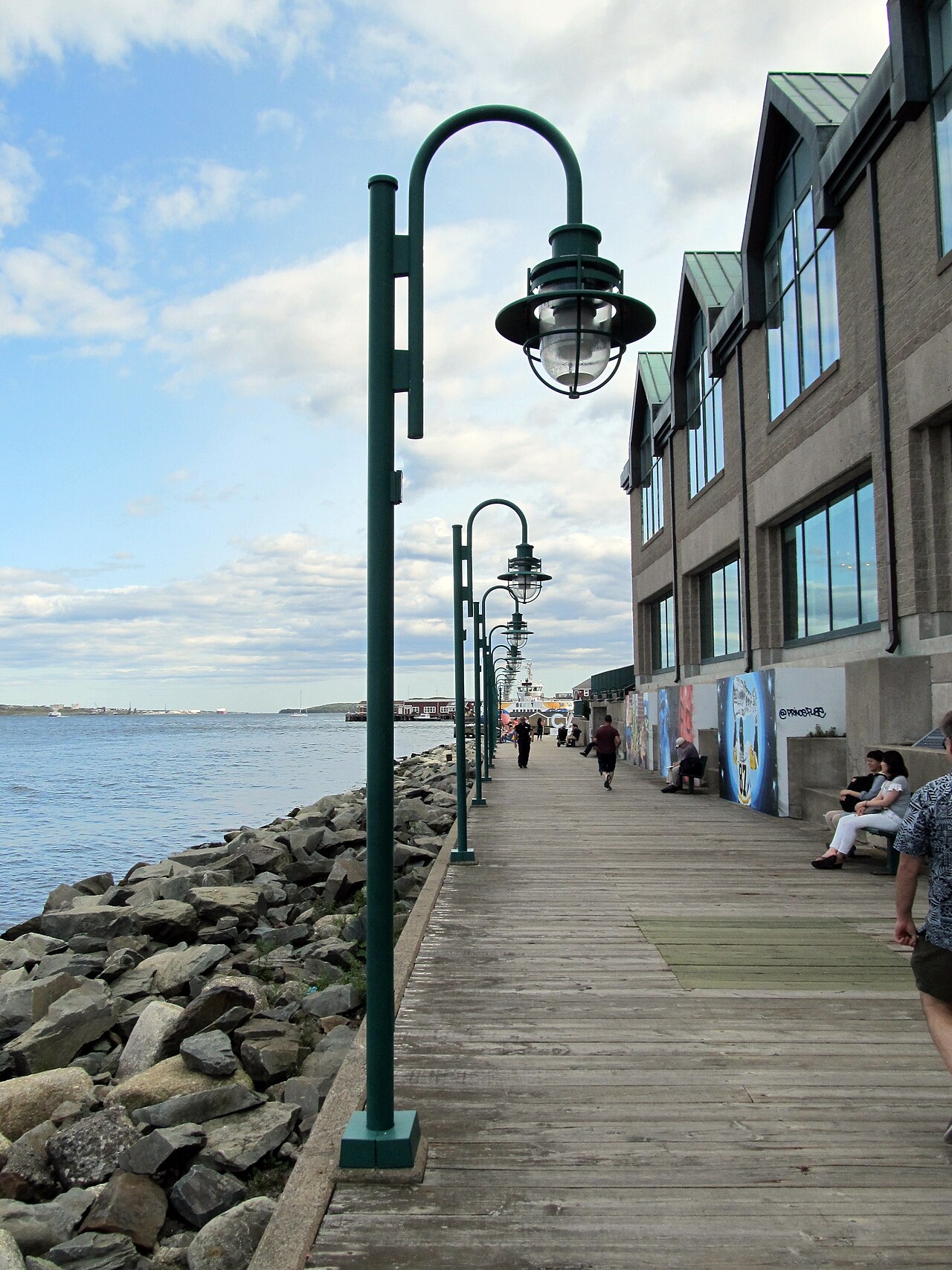
Halifax is compact, walkable and built around its harbour. The waterfront boardwalk runs for nearly four kilometres from Pier 21 in the south to the casino in the north, Citadel Hill rises behind downtown, and the great day trips, Peggy's Cove and the South Shore towns, lie an hour or so away by road. Visiting in November means shorter days, cold wind off the water and a handful of seasonal closures, but it also means quiet streets and clear harbour light. Here is how to plan it.
What to book ahead
Very little in Halifax sells out in November, but three things are worth reserving. First, your day trip. A guided Peggy's Cove tour or the full-day Peggy's Cove, Mahone Bay and Lunenburg tour confirms within about 48 hours and can run on limited days in winter, so book as soon as your dates are fixed. Second, the walking and food tours, whose operators may run fewer departures in the cold months. Third, your hotel, especially for weekends with events. Museum tickets can be bought at the door.
What is closed or changed in November
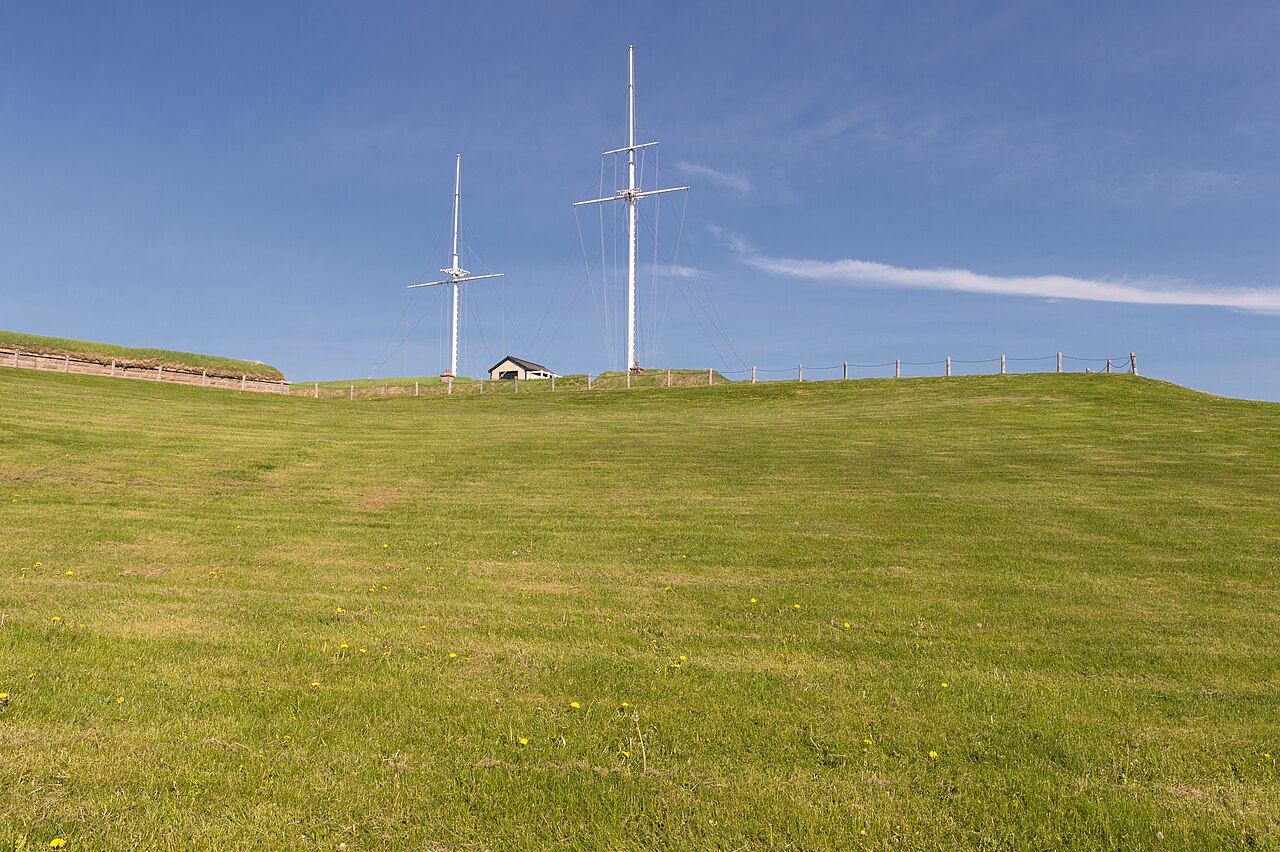
The Halifax Citadel is the big one: the full season runs until 5 November, and from 6 November to 6 May 2027 the interior rooms, exhibits and ramparts are closed. The grounds and Parade Square stay open weather permitting, and the Noon Gun still fires daily except Christmas Day. Harbour cruises, the Harbour Hopper amphibious tour and similar summer attractions have ended for the year, and the CSS Acadia outside the Maritime Museum is open only in summer and fall. The Public Gardens are past their flowering season. At Peggy's Cove, the lobster stand is closed from October to April, but the Sou'Wester Restaurant and Gift Shop is open year-round. In Lunenburg, the Fisheries Museum of the Atlantic published hours only through the end of October, so check before you go.
Getting around
Downtown Halifax is walkable, though Citadel Hill is steep and winter ice can make paths slippery, so pack shoes with grip. The waterfront is flat. The Halifax-Dartmouth ferry runs from the waterfront terminal, and buses fill the gaps. For the airport, which is about thirty-five kilometres from the city, use a taxi or rideshare. For day trips you have two options: a guided tour, which removes the driving, or a rental car, which gives flexibility but demands winter driving confidence.
How many days
Two days covers the city, and three adds a day trip. A good first day is the Citadel grounds and Noon Gun, a guided walk through the old town and an afternoon on the boardwalk with a seafood tasting. A second day can start at the Seaport Farmers Market on a weekend morning, continue to Pier 21 for the immigration museum, and end at the Maritime Museum with its Titanic and Halifax Explosion galleries. A third day goes out to the coast: Peggy's Cove for the lighthouse, with the Titanic graves at Fairview Lawn on a half-day tour, or the full day to Lunenburg and Mahone Bay if you want the painted waterfronts.
Where the headline sights fit
The Citadel and old town sit together on the hill, the museums and market sit along the waterfront, and the day trips leave from downtown in the morning. Keep museums for the wettest hours and the outdoor sights for the clearest.
Safety and etiquette
At Peggy's Cove, rogue waves can surge over the rocks even on calm days, so stay off wet, dark rocks and use the viewing deck. At the cemeteries, remember that they are working places of remembrance and keep your voice low.
Where to stay
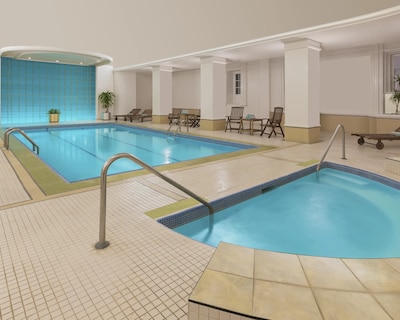
For the waterfront, Muir and the Westin Nova Scotian are the best-placed; for a downtown base near the hill, the Prince George and Cambridge Suites work well; and for budget with a pool, the Atlantica is the pick. Our where-to-stay guide explains the choice.