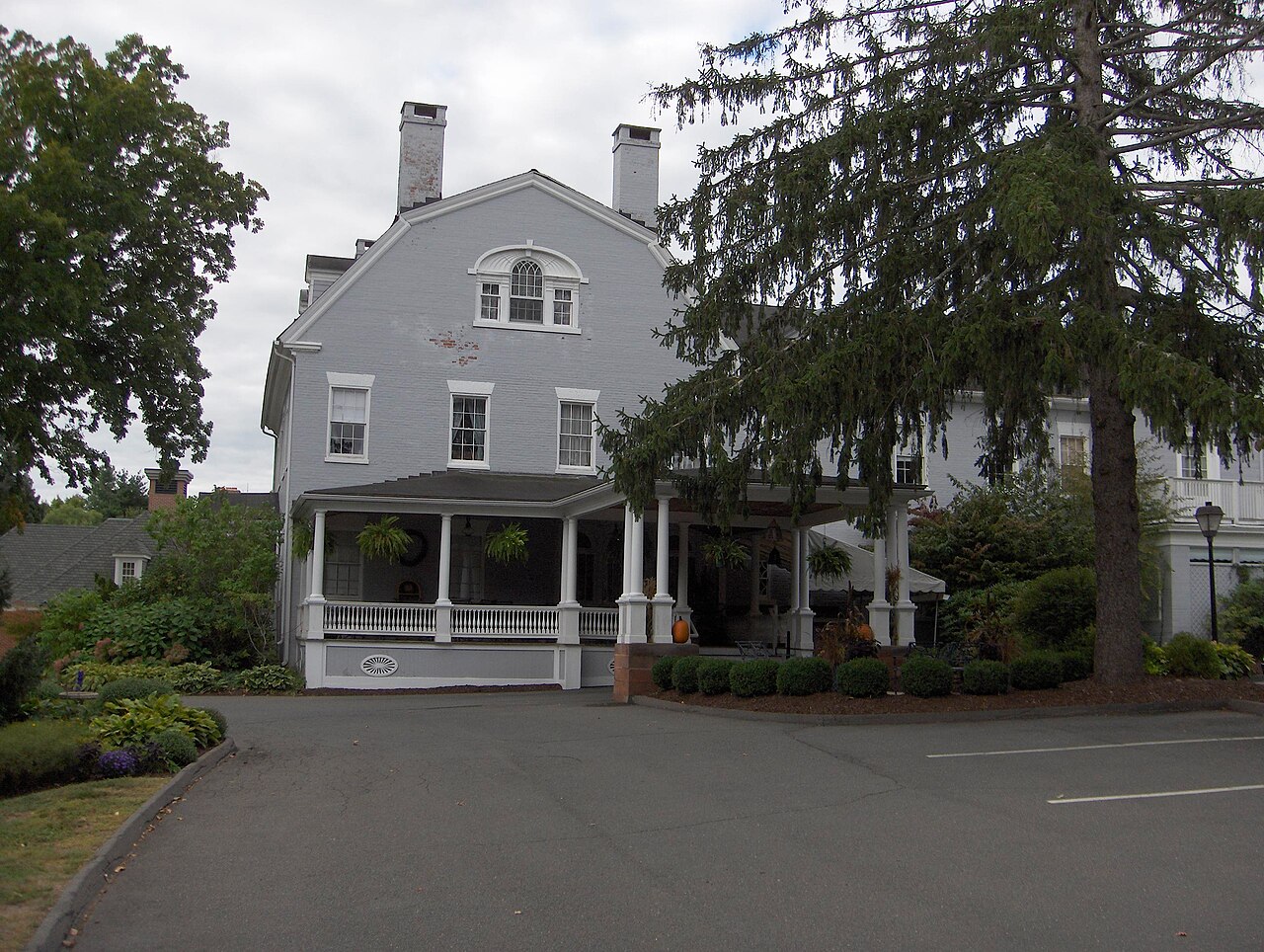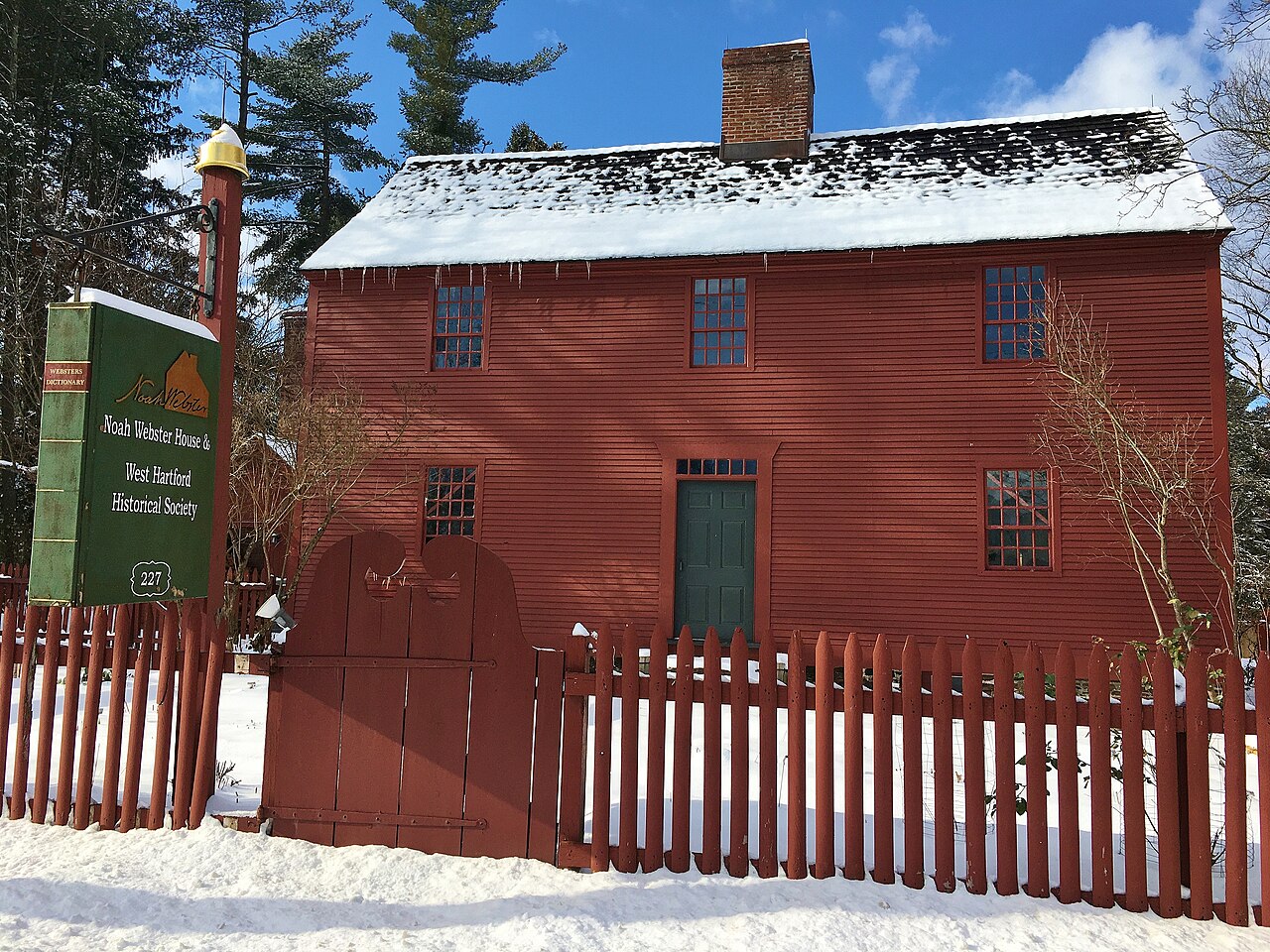
Noah Webster was born in 1758 in what is now West Hartford, and the farmhouse where he grew up is today one of the region's most charming small museums. Webster, a teacher, lexicographer and political writer, compiled the Blue-Backed Speller that taught generations of American children to read and then, in 1828, published An American Dictionary of the English Language, a work that standardized many American spellings. The Noah Webster House preserves the family home as a window into eighteenth-century rural life, and costumed interpreters and guides lead visitors through the kitchen, the keeping room and the bedchambers, pointing out the tools, furnishings and daily tasks that shaped a boy who loved words. It is not a grand site, and that is part of its appeal: the visit is intimate, the stories are accessible, and children who are learning to spell or write often take to it right away.
The museum is managed together with the West Hartford Historical Society, and the exhibits extend beyond Webster himself to the history of the town, its farms, its early industry and its later suburban growth. A modern building next to the house contains galleries that explore Webster's career, the history of the American language and the town's changing neighborhoods. Interactive displays and temporary exhibitions keep the content fresh, and the museum runs family programs, school visits and seasonal events such as colonial crafts days and holiday celebrations.
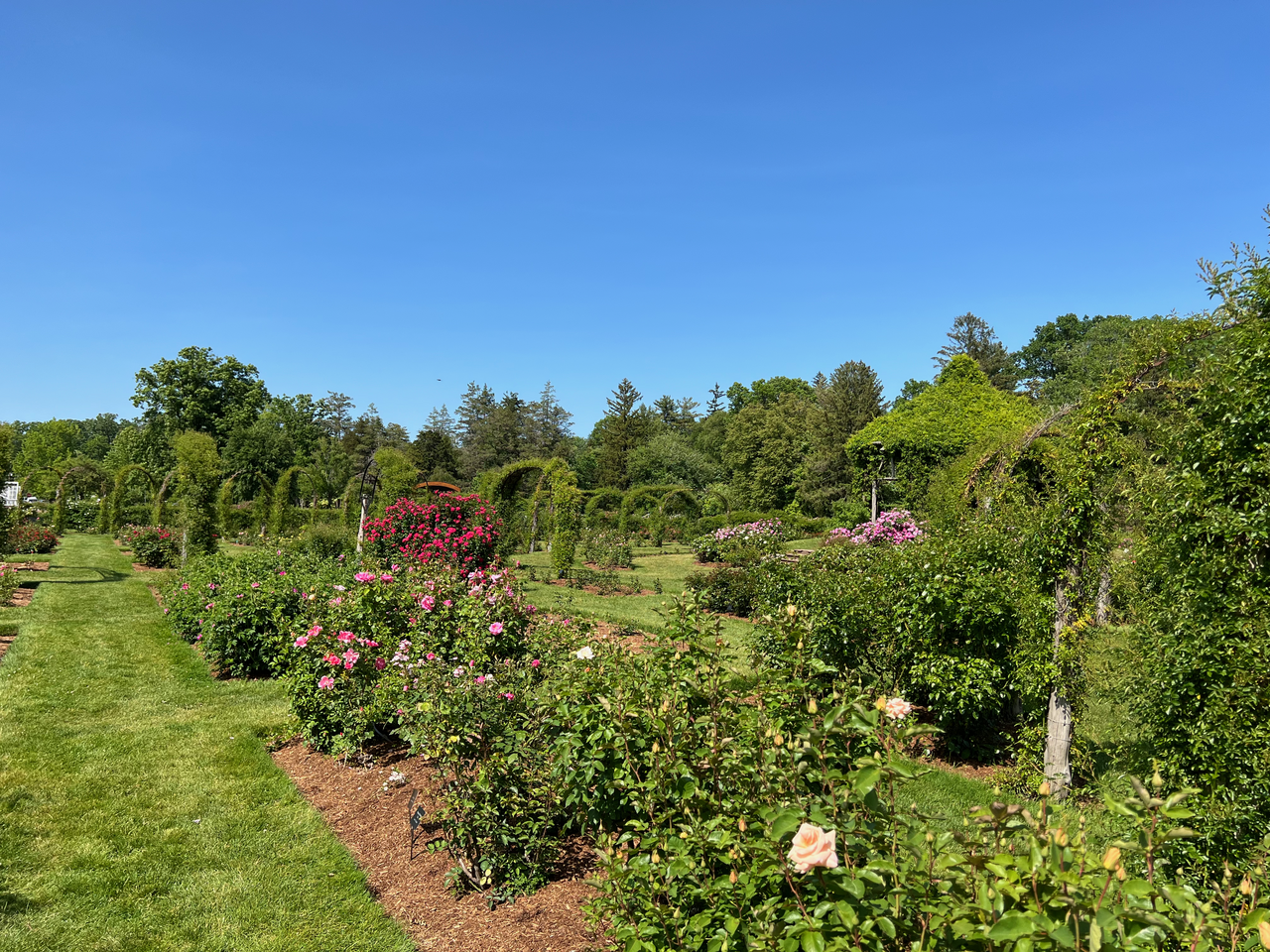
The visit is short, about one to two hours, and it works nicely as a stop within a larger West Hartford day. The house stands within walking distance of West Hartford Center, a lively shopping and dining district with independent restaurants and cafes, and not far from Elizabeth Park, so you can combine a stroll through the roses, a lunch in the Center and a visit to the Webster house without driving far. Hours can vary and the museum often schedules tours at set times, so check the website and consider calling ahead if you are traveling in winter.
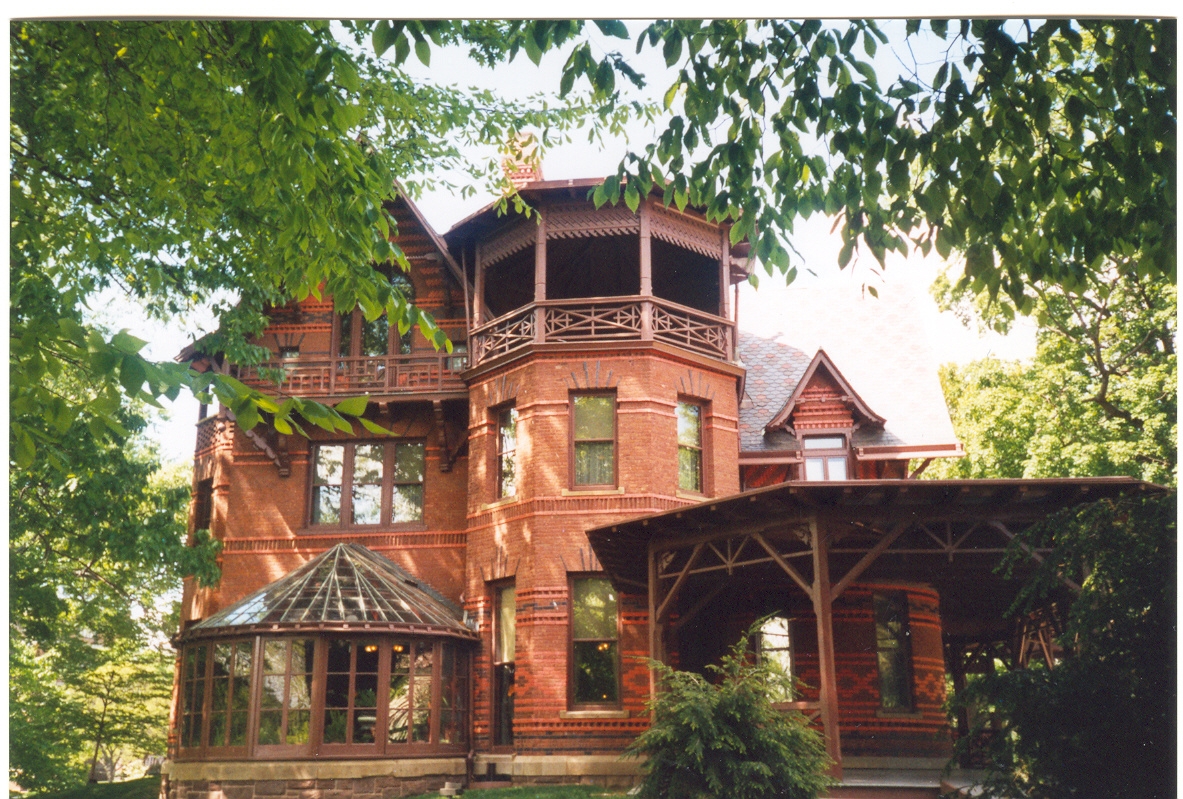
For travelers interested in the literary strand of Hartford's history, the Webster House adds the nineteenth-century figures of language and education to the better-known stories of Twain and Stowe. It gives context to the way New England writers and thinkers built an American cultural identity. Families will find the hands-on elements, such as writing with quills or trying out colonial chores in season, a pleasant break from larger museums.
If you have time, ask staff about the history of the speller and how Webster supported himself while he worked on the dictionary, because the answer involves a surprising number of side jobs and long years of study. The gift shop sells dictionaries, histories and Webster-themed gifts that make good small souvenirs.
Visitors should also ask about the town's walking tours and the historical society's research library, which welcomes genealogists and local-history fans by appointment. The museum's staff are known for patience with young visitors, and the quiet scale of the site makes it a gentle introduction to history for children who might find larger museums overwhelming. Teachers and homeschooling families often use the site for lessons about early America, language and civic life.
What to expect
The experience
A guided visit to an eighteenth-century farmhouse plus modern galleries on Webster and West Hartford history, with seasonal family programs.
Best time
Weekday mornings are quiet; check for special craft days and holiday events.
How long
One to two hours.
Tips
Confirm tour times. Combine with West Hartford Center and Elizabeth Park. Ask about hands-on activities.
Quick picks
- Best for
- Word nerds, teachers and families with school-age children.
- Families
- A good fit for ages six and up thanks to the hands-on activities.
- Couples
- Pair it with lunch in West Hartford Center for an easy date.
- Pair with
- West Hartford Center, Elizabeth Park and the Mark Twain House.
- Time needed
- One to two hours.
Good questions
Who was Noah Webster?+
He was a teacher, writer and lexicographer who created the Blue-Backed Speller and published the first major American dictionary in 1828.
Is it a real historic house?+
Yes. The house is the farmhouse where Webster grew up, now a museum.
Is it good for kids?+
Yes, especially children who are learning to read and write.
How long does it take?+
Plan on about one to two hours.
Where is it?+
In West Hartford, a short drive from downtown Hartford and near West Hartford Center.