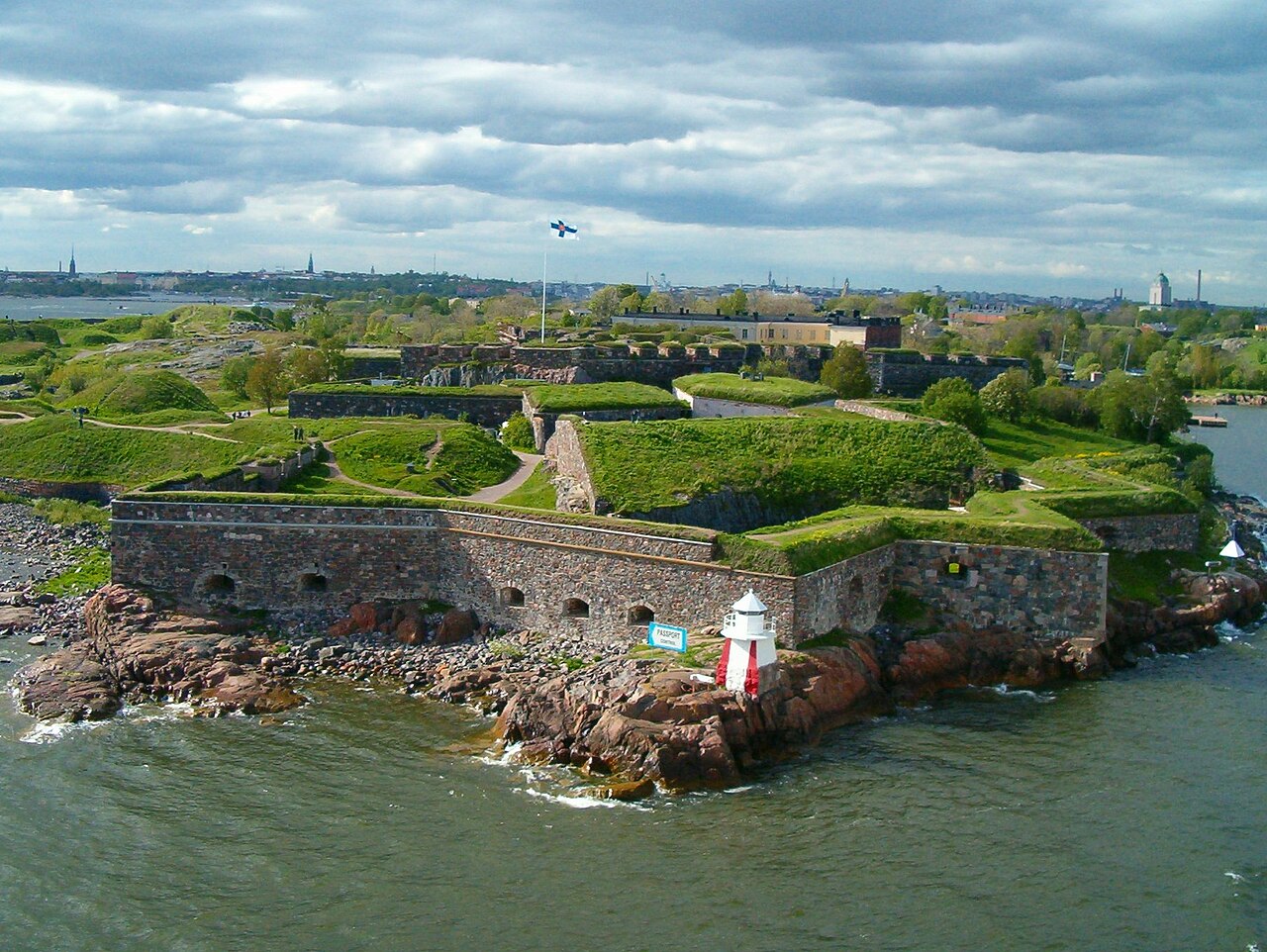
Helsinki is compact, calm and easy to like. Its centre can be crossed on foot in half an hour, the sea is never far away, and its best experiences, from the island fortress of Suomenlinna to an evening in a seaside sauna, are simple to arrange. Here is how to plan a first visit.
How many days
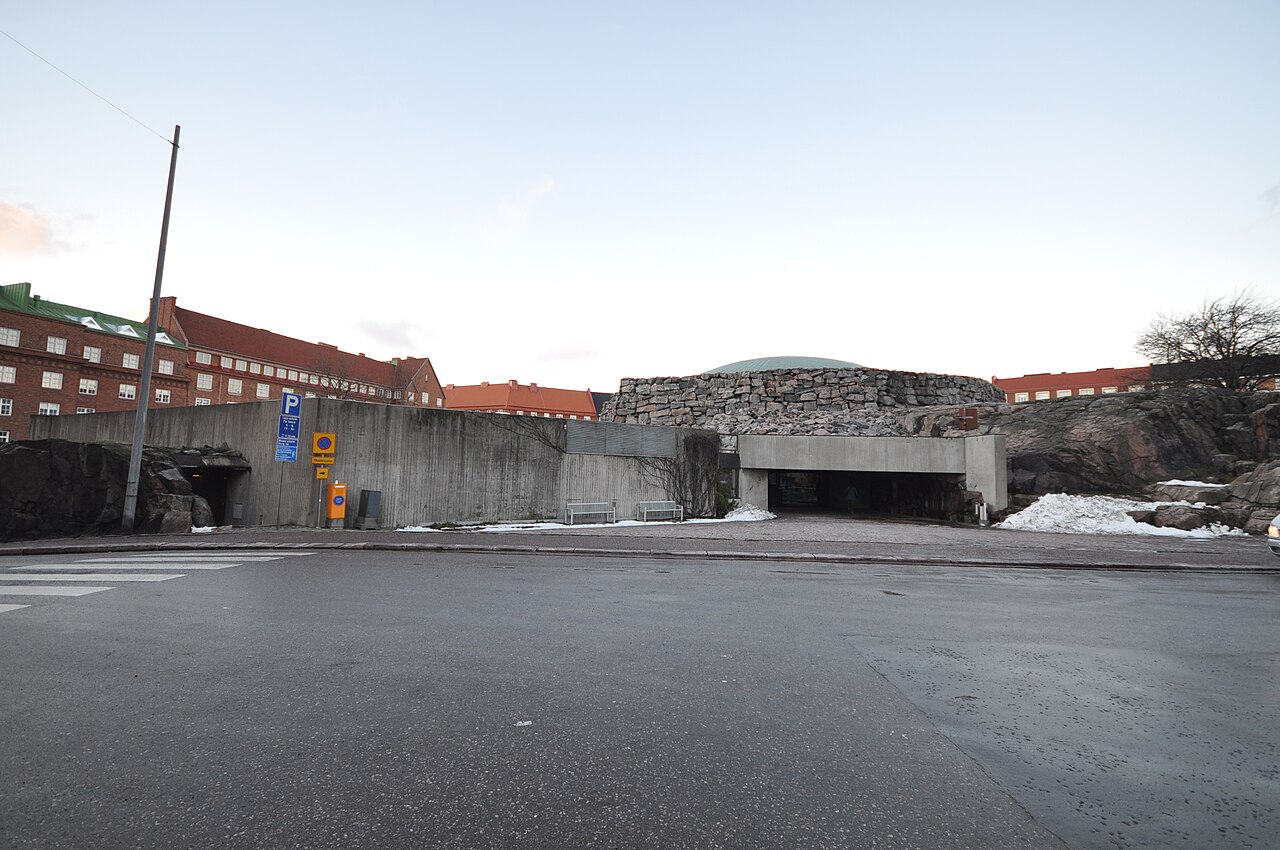
Two full days cover the essentials: the centre, Suomenlinna, the Rock Church, a museum and a sauna. Three let you slow down, add the Design District and the Töölö waterfront, or take a day trip to Tallinn across the Gulf of Finland. Many cruise passengers have a single day; if that is you, prioritise Senate Square, the Market Square and Suomenlinna.
What to book ahead
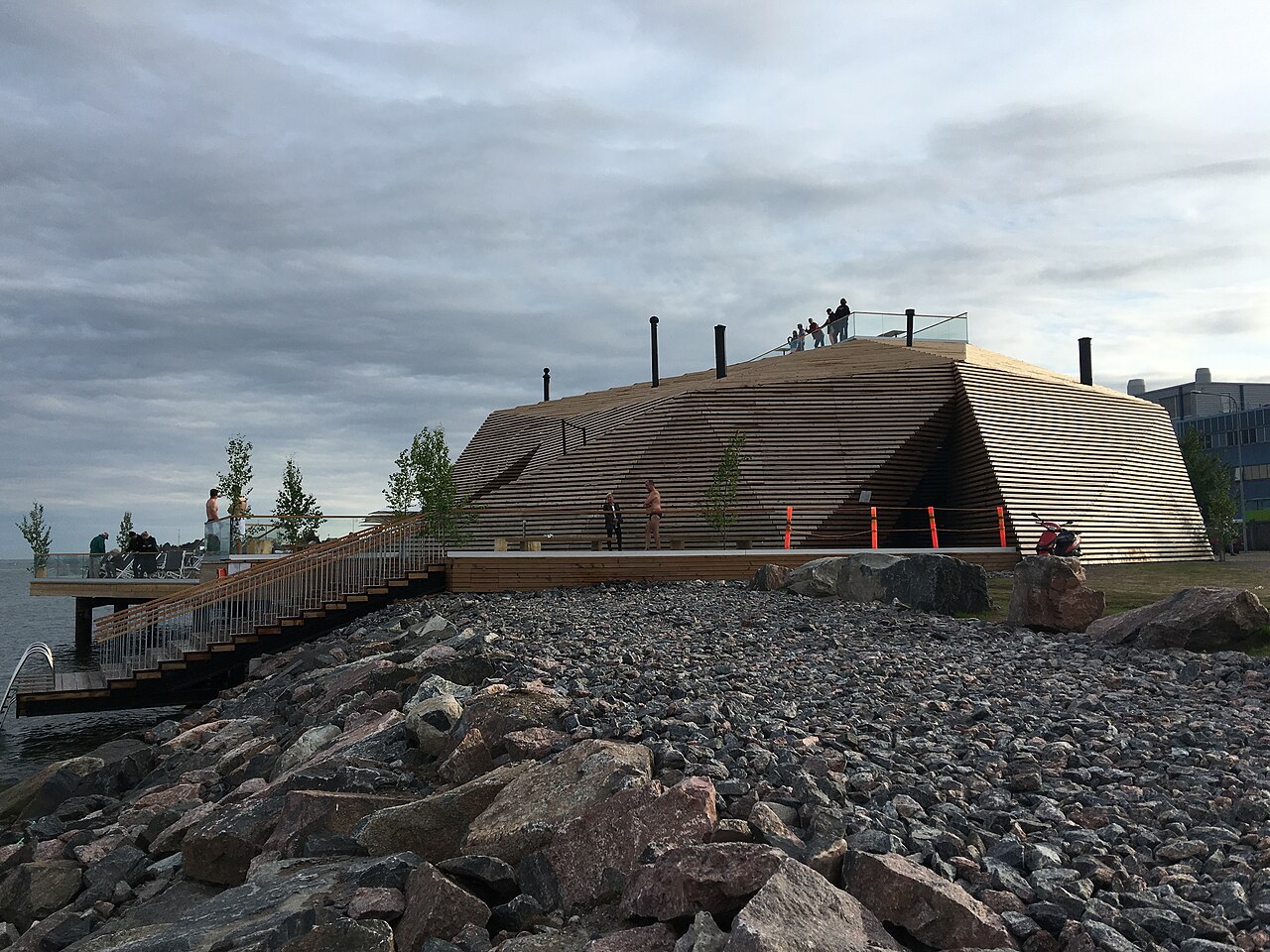
Helsinki rarely sells out, but a few things are worth securing. Book a timed sauna session at Löyly, especially for evenings and weekends. Buy Temppeliaukio Church tickets ahead in summer or on cruise-ship days. If you will visit several museums and use the trams a lot, compare the Helsinki City Card, sold for 24, 48 or 72 hours, which includes entry to the Ateneum, the Rock Church and more than twenty other sights, plus central public transport and a seasonal sightseeing tour. Reserve dinner at popular restaurants on Friday and Saturday.
Watch the closures
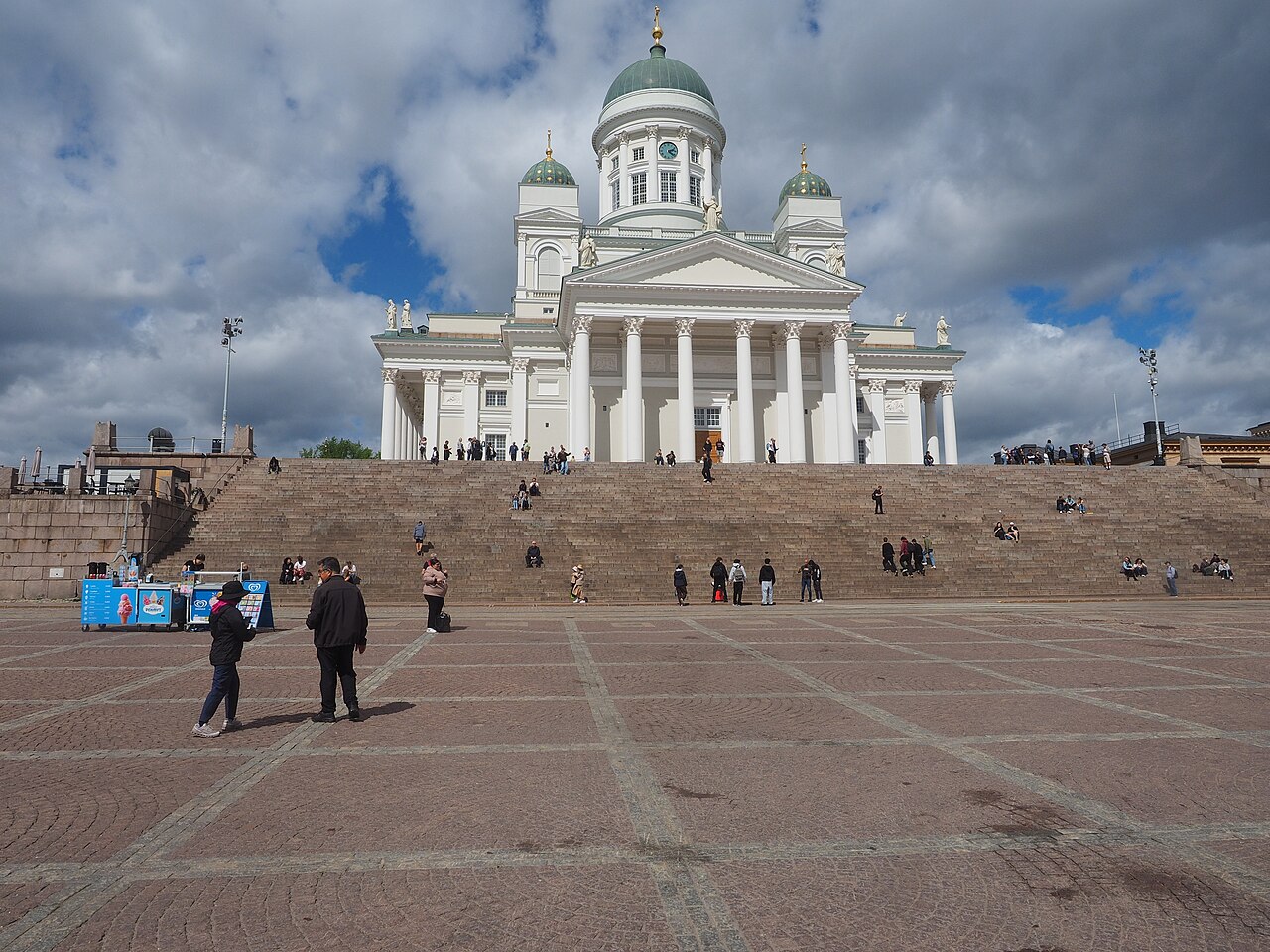
Many museums, including the Ateneum, close on Mondays outside summer, so put the walking sights and Oodi, which is open every day, on a Monday. Churches close for services and ceremonies; Helsinki Cathedral is closed to visitors from 2 to 4 November 2026, and from 5 November its admission becomes voluntary. On Suomenlinna, the Vesikko submarine and the Ehrensvärd Museum are summer-only, though the main museum and the islands stay open all year.
Getting in
Helsinki Airport is in neighbouring Vantaa. Commuter trains run from the airport station to Helsinki Central in about half an hour, and taxis and ride-hailing apps are widely available. Ferries from Tallinn dock at the West Harbour in Jätkäsaari, a tram ride from the centre, and Stockholm ferries arrive at the South Harbour or Katajanokka, close to the Market Square.
Getting around
Walk the centre, the Esplanadi, Senate Square and the Design District. Trams are the easiest way to reach Töölö, Kallio and the harbours, and the Suomenlinna ferry is part of the public transport network, so a regular ticket covers it. Buy tickets in the HSL app. In winter, wear shoes with good grip; pavements can be icy.
Day one: the centre and the harbour
In the colder months, start with the Panorama Sightseeing bus tour for a heated overview of the city. Then walk Senate Square and the cathedral, the Market Square and Old Market Hall, and climb to Uspenski Cathedral. Ride the SkyWheel for the harbour view, add the Flying Cinema next door if you have children, and stroll the Esplanadi at dusk.
Day two: Suomenlinna and a sauna
Take the morning ferry from the Market Square to Suomenlinna, visit the Suomenlinna Museum, and walk the ramparts to the King’s Gate. Back on the mainland, eat a late lunch, then head to Löyly in Hernesaari for a sauna session, a sea dip if you dare, and dinner on the terrace.
Day three: art, architecture and Töölö
Begin at the Ateneum for the Golden Age of Finnish painting, then cross the square to Oodi and go straight to the top floor. Walk or take the tram to Temppeliaukio Church, then continue to the Sibelius Monument and the seaside paths of Töölö.
Seasons
Summer brings long, light evenings, terraces and island hopping. November is dark and often grey, but museums, saunas and cosy cafés come into their own, and the Christmas markets begin toward the end of the month. Winter can bring snow and frozen bays; spring and early autumn are quieter and good value.
Money and manners
Finland uses the euro, and cards and contactless payments are accepted almost everywhere. Tipping is not expected, though rounding up for good service is appreciated. English is widely spoken. In the sauna, follow the house rules on swimsuits, shower first and drink plenty of water.