ZooAmerica is a small zoo with a clear theme: the animals of North America, grouped by region. A walking loop takes you through habitats representing the Southeast, the Great Lakes, the northern plains, the Southwest and the northern forests, with species that include black bears, wolves, cougars, bison, river otters, owls and other regional wildlife. The compact size is the point. The trail is easy to walk, tired legs are rarely a problem, and the pace suits families with toddlers who would struggle in a vast metropolitan zoo. It also means the zoo works well as a half-day add-on to a park or museum day rather than a main event. Many of the animals are native species that live in Pennsylvania or nearby, and the zoo's emphasis on conservation and rehabilitation gives older children something to talk about. Shade from mature trees helps in summer, and the layout makes it easy to bail out early if little ones tire.
The best time to visit is a mild morning when animals are most active. Summer afternoons are hot, and many animals retreat to shade, so arriving early gives better views. Autumn is excellent, with cooler temperatures that keep animals moving and fewer crowds, while winter is quiet but some animals will be less visible. Feeding times and talks vary, so check the schedule on arrival if you want to catch a keeper chat.
The zoo is an affordable alternative to the bigger attractions and suits visitors who want a gentle outing. Strollers are easy to use on the paved loop, and there are places to sit, eat and rest. Children enjoy spotting the otters and the owls, and older visitors tend to appreciate the focus on North American species they might not see elsewhere on a trip. It is a natural break between roller coaster days and a better use of an afternoon than spending another hour in a queue.
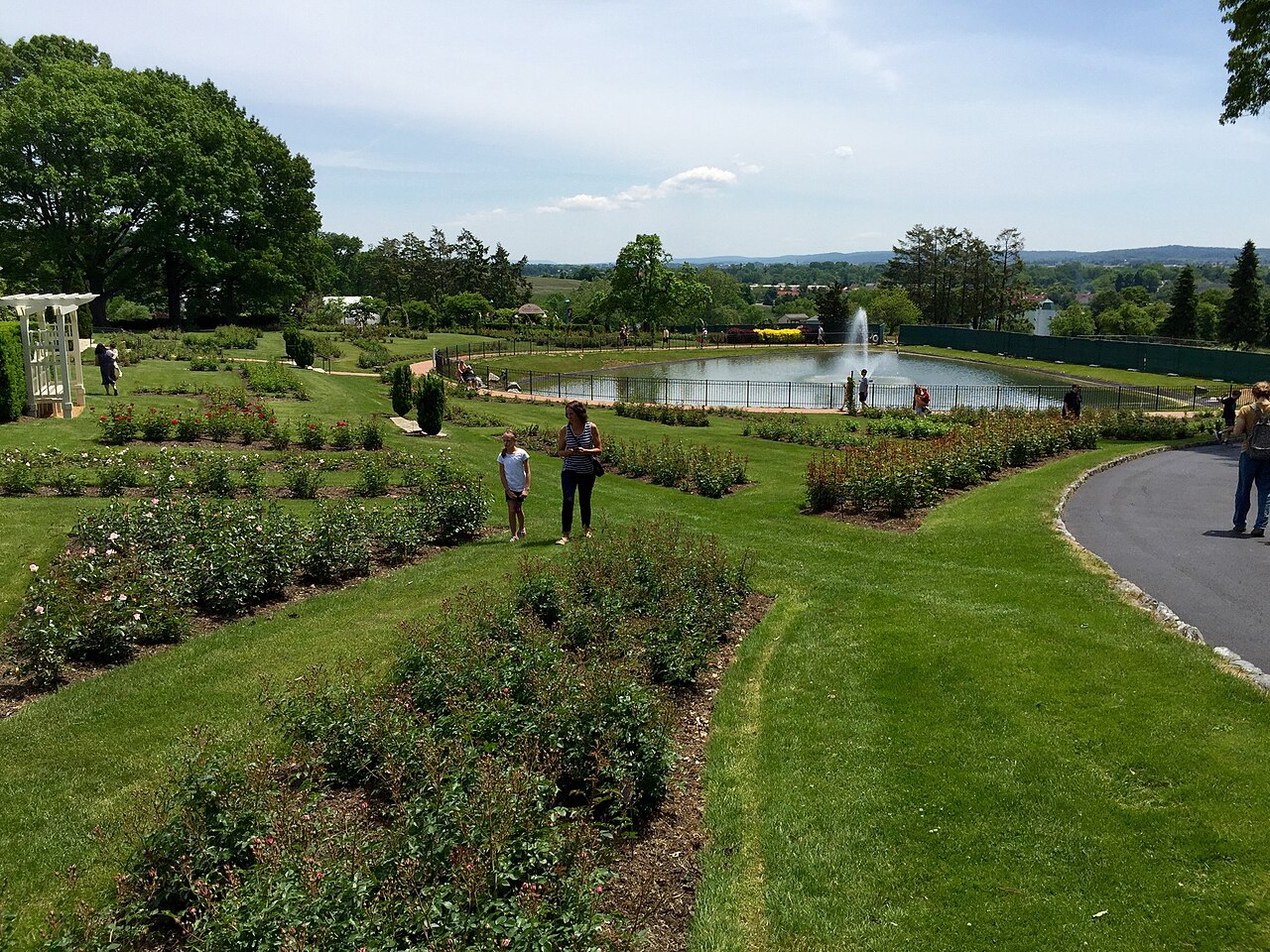
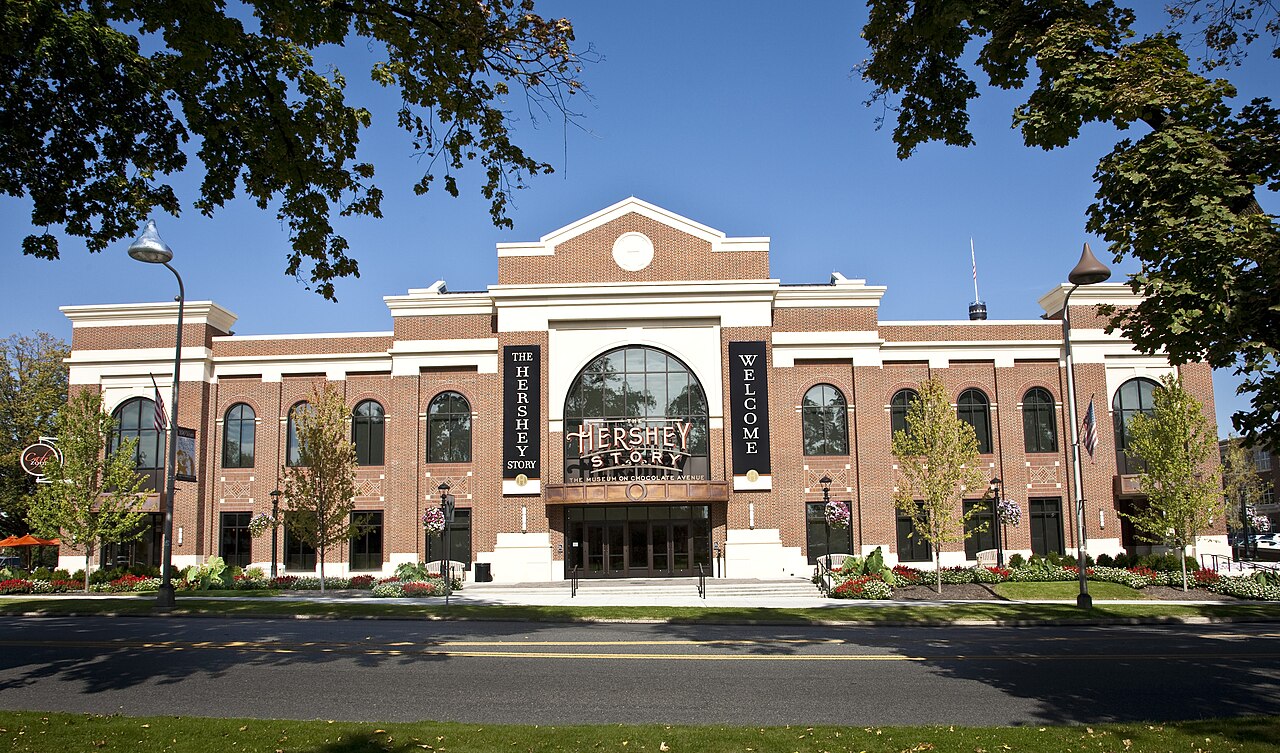
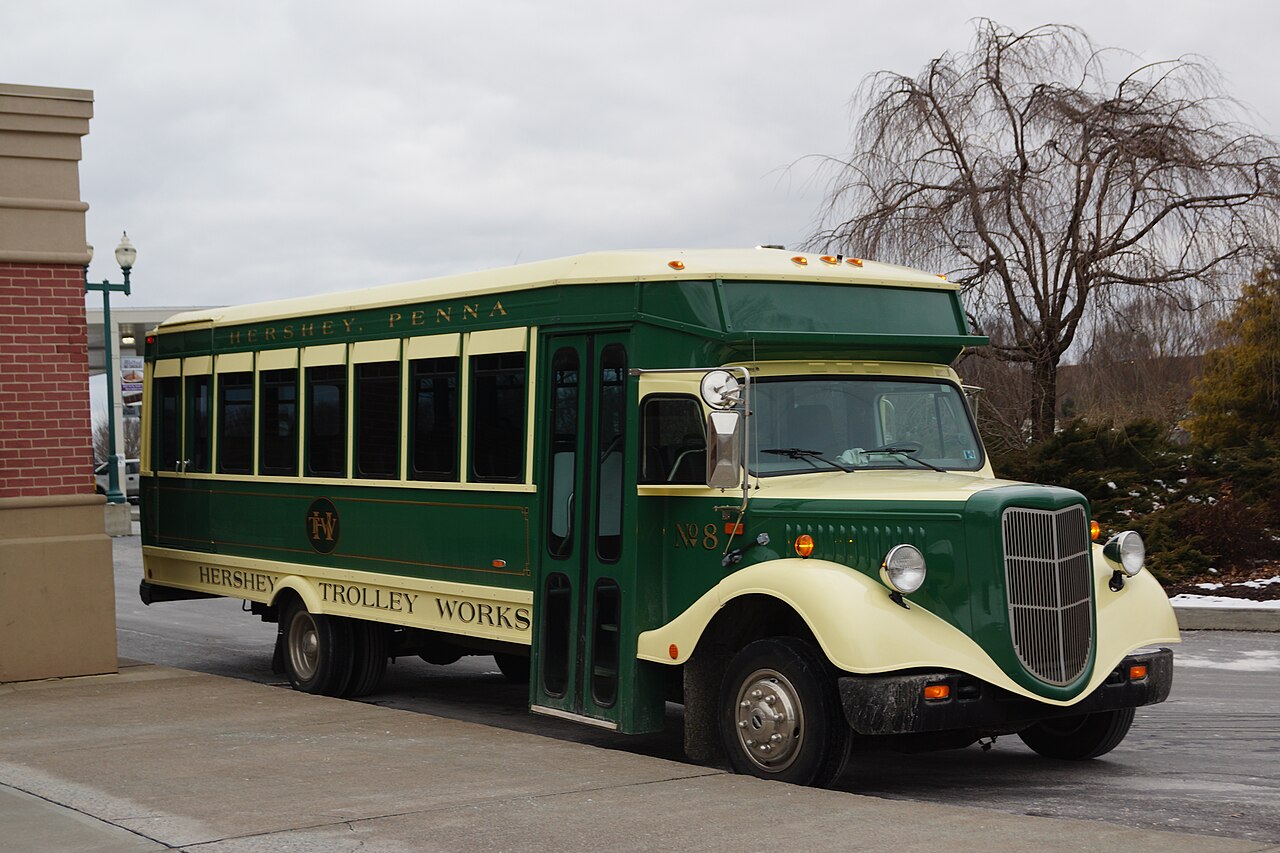
Pair it with Hershey Gardens or the Hershey Story Museum, both a short ride away, and consider combining it with a trolley food tour for a day that mixes animals, food and history. Seasonal events such as holiday evenings sometimes add lights and activities, so ask about special programs when you plan. Always follow posted rules about feeding and staying behind barriers, and remember that animal lineups and exhibit availability can change because of animal care needs.
Making the trip work for small children is mostly a matter of rhythm. Start at the first habitats while attention is fresh, take a snack break near the midpoint, and finish with the animals that children usually remember best, such as the otters and the wolves. The paths are clearly marked, restrooms are spread along the loop, and benches give tired adults a place to sit while children watch.
Rainy days are quieter and some animals are surprisingly active in cool, damp weather. Keep an eye out for educational signs, which explain where each species lives and how conservation programs support it, and encourage older children to read them aloud. Because the zoo is small, it makes a pleasant bookend to a trip rather than its centerpiece, and it costs less than most other ticketed activities in town.
What to expect
The experience
A compact walking zoo focused on North American animals grouped by region, with wolves, bears, cougars, otters and owls.
Best time
Mild mornings, when animals are active; autumn is especially pleasant.
How long
About two hours.
Tips
Arrive early in summer, check keeper talk times and bring water.
Quick picks
- Best for
- Families with small children and animal lovers who prefer a short visit.
- Families
- A short, flat loop that suits toddlers and strollers.
- Couples
- A pleasant, low-key stop between bigger attractions.
- Pair with
- Hershey Gardens or a visit to the Hershey Story Museum.
- Time needed
- Two hours.
Good questions
What animals can I see?+
North American species grouped by region, including bears, wolves, cougars, bison, river otters and owls.
Is it big?+
No. It is a compact zoo that most visitors finish in about two hours.
Is it good for toddlers?+
Yes. The loop is short and easy to walk, with places to rest.
When are the animals most active?+
Mild mornings and cooler seasons. In hot afternoons many animals seek shade.
Can I feed the animals?+
Follow posted signs and keeper guidance. Do not feed animals unless the zoo offers a program.