Ho Chi Minh City hits hard in the first hour. The traffic is a constant stream of motorbikes, the heat is steady and the pavements double as kitchens. Give it a day and it becomes one of the most energetic and rewarding cities in Asia, with a layered history, some of the best food in the region and two outstanding day trips on its doorstep. A little planning helps you make the most of it. Here is how to shape a first visit.
When to go
The dry season, from roughly December to April, is the most comfortable, and November is the start of it, with less rain and cooler evenings than the summer. The wet season brings afternoon downpours that usually pass within an hour, so plan outdoor sights for the morning. Tet, the Lunar New Year in January or February, closes many shops and some sights for several days, so check dates if you travel then.
How many days
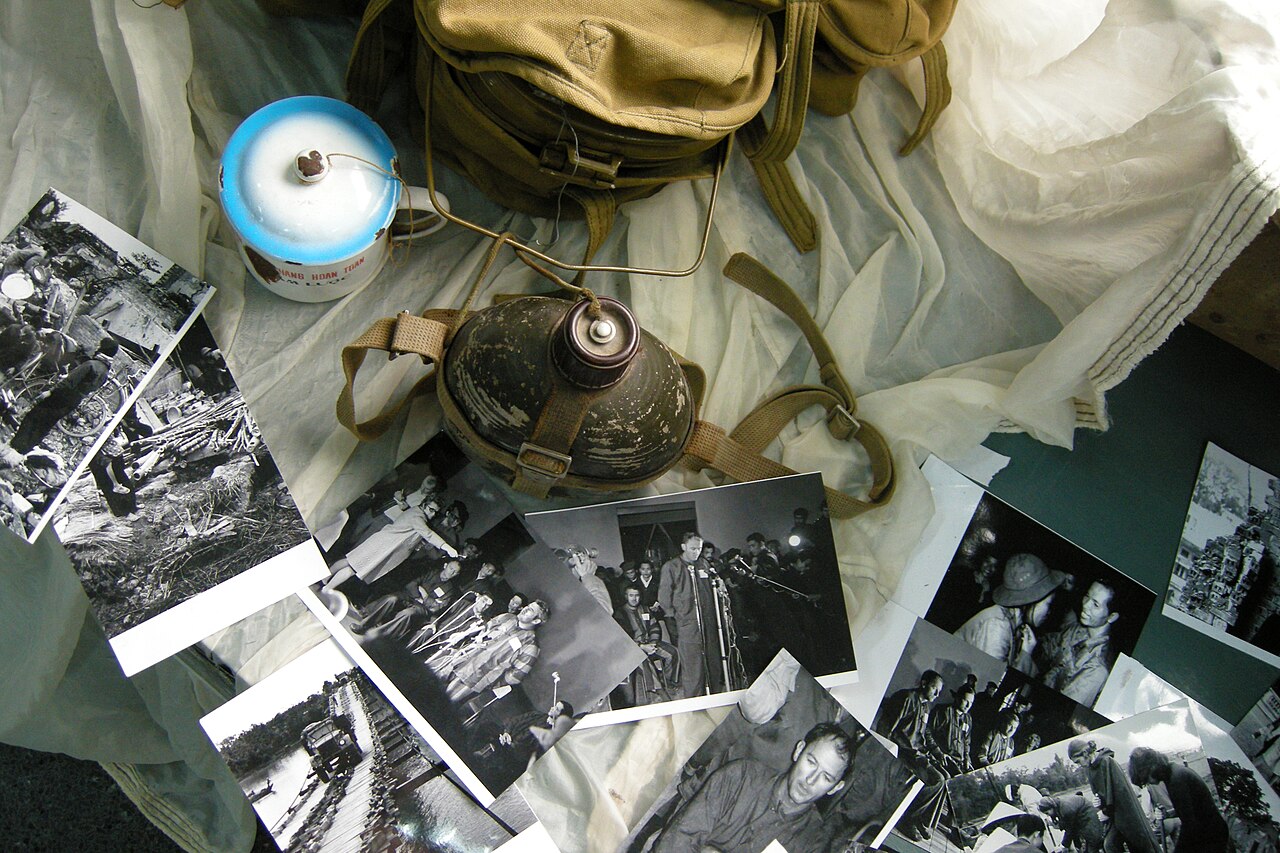
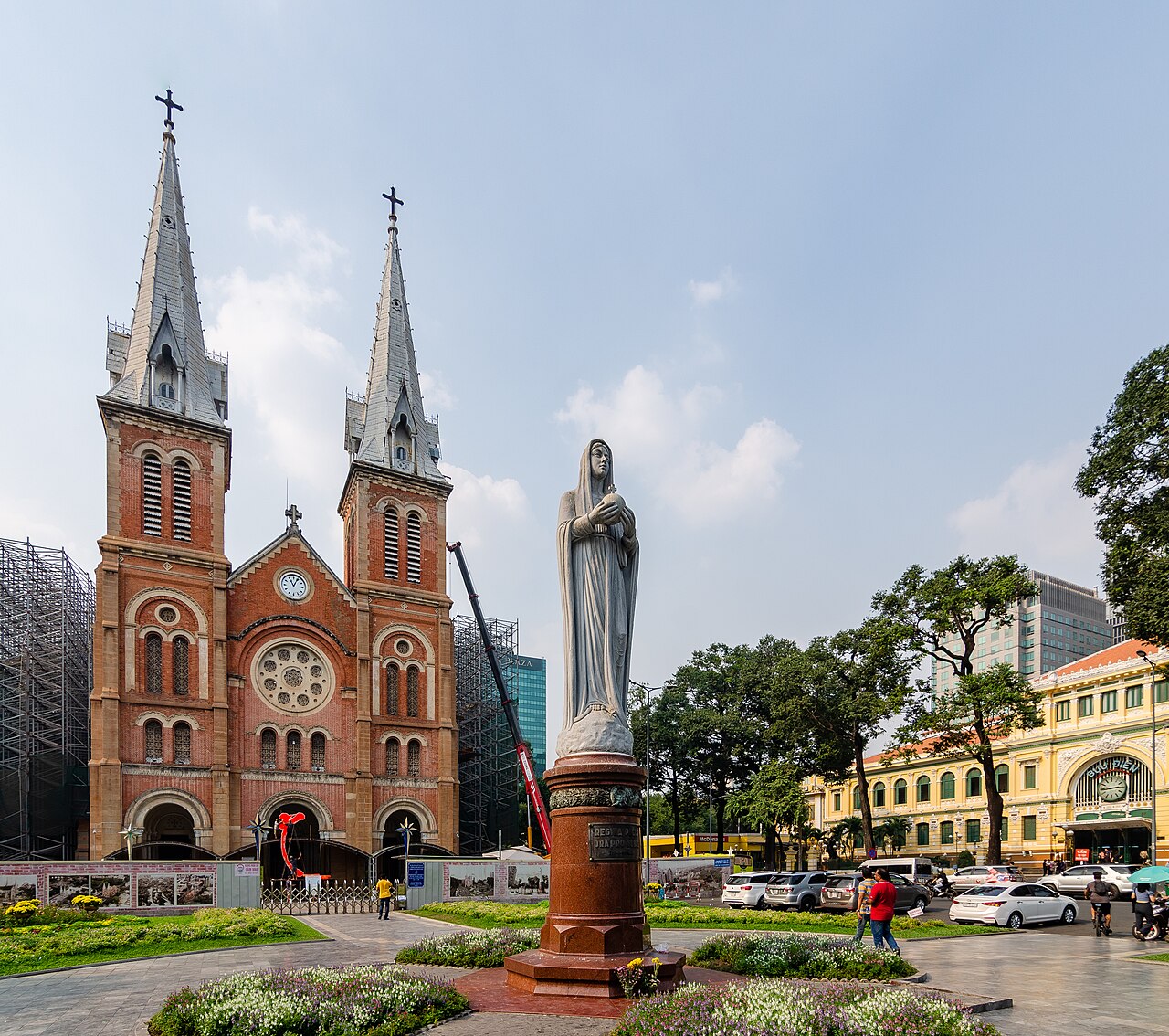
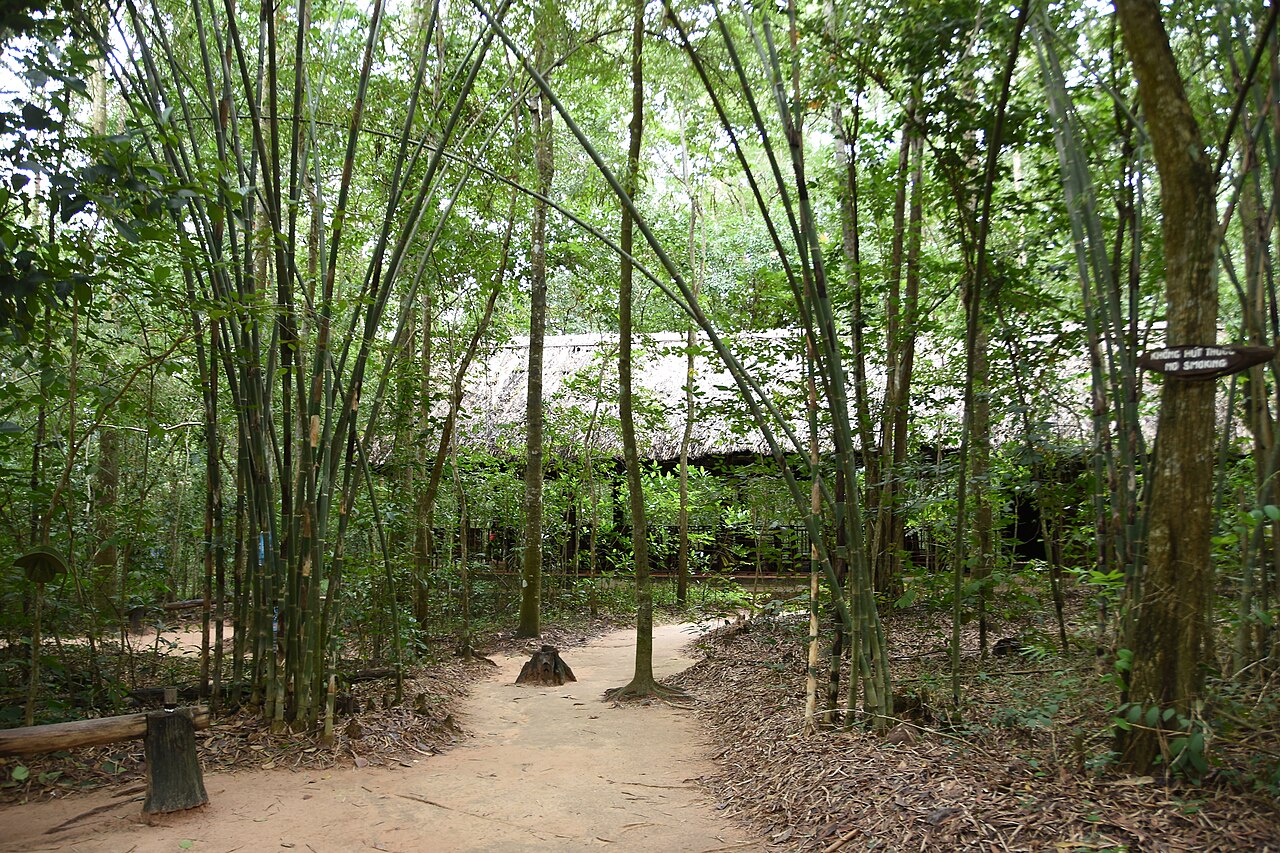
Three full days in the city covers the essentials: the War Remnants Museum, the Independence Palace, the Notre-Dame and Post Office area, Ben Thanh Market and an evening food tour. Add one day for the Cu Chi Tunnels and one for the Mekong Delta, and a five-day stay feels balanced. With a week, you can add a second delta day or an overnight in Can Tho.
What to book ahead
Book the day trips first, since they set the shape of your stay. The Cu Chi Tunnels guided tour offers hotel pickup in central District 1 and free cancellation until a day before, and the Mekong Delta day tour with boat ride and lunch does the same. Book the scooter street food tour for your first or second evening, so you learn what to order on your own afterwards. For the War Remnants Museum, use the online timed e-ticket system, introduced in February 2026, to skip the queue. Shows such as the water puppet theatre and the Chao dinner show are easy to book a day or two ahead.
Getting around
District 1 is walkable, though the heat makes shorter hops sensible. To cross the road, walk at a steady pace without stopping or darting, and the traffic will flow around you. For longer trips, use a ride-hailing app such as Grab for cars or motorbike taxis, which show the price before you go and avoid haggling. Metered taxis from reputable firms are fine, but agree the route and watch the meter. Cyclos are fun for a short, pre-agreed ride.
Where the headline sights fit
Day one: start with the Notre-Dame Cathedral and Central Post Office area in the morning, then Ben Thanh Market, and finish with a scooter street food tour in the evening. Day two: the War Remnants Museum when it opens, then the Independence Palace, and an evening show or a view from Landmark 81. Day three: the Cu Chi Tunnels. Day four: the Mekong Delta. Keep one slow afternoon for coffee, a massage or a stroll along Nguyen Hue.
Temples, museums and manners
Cover shoulders and knees at pagodas and the Independence Palace, where shorts and sleeveless tops are not allowed. Speak quietly at the War Remnants Museum, where some exhibits are graphic, and be mindful of how others react to them. Ask before photographing people.
Money and safety
Vietnam uses the dong, and cards work in hotels, malls and many restaurants, but markets, street stalls and small taxis need cash. Saigon is generally safe, but bag-snatching from passing motorbikes does happen, so keep your phone and bag away from the kerb and wear a cross-body bag on the side away from the road. Drink bottled water, and ask your hotel about the best way to get from the airport.