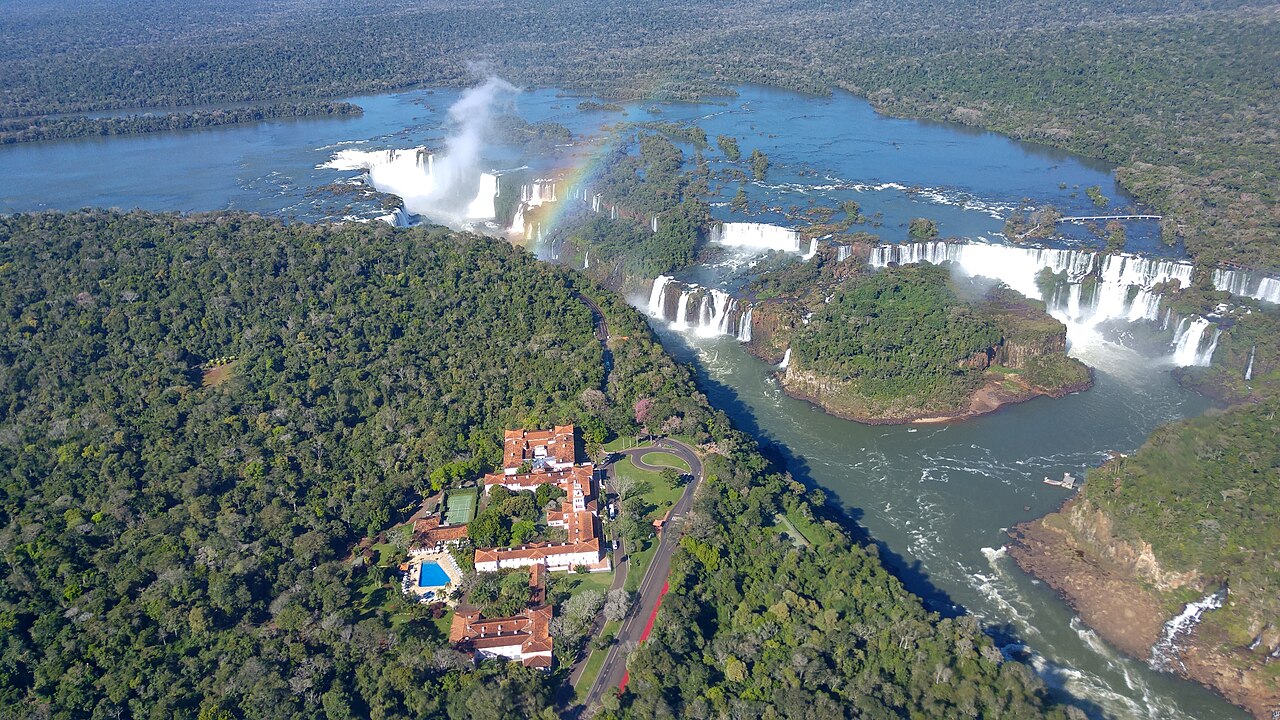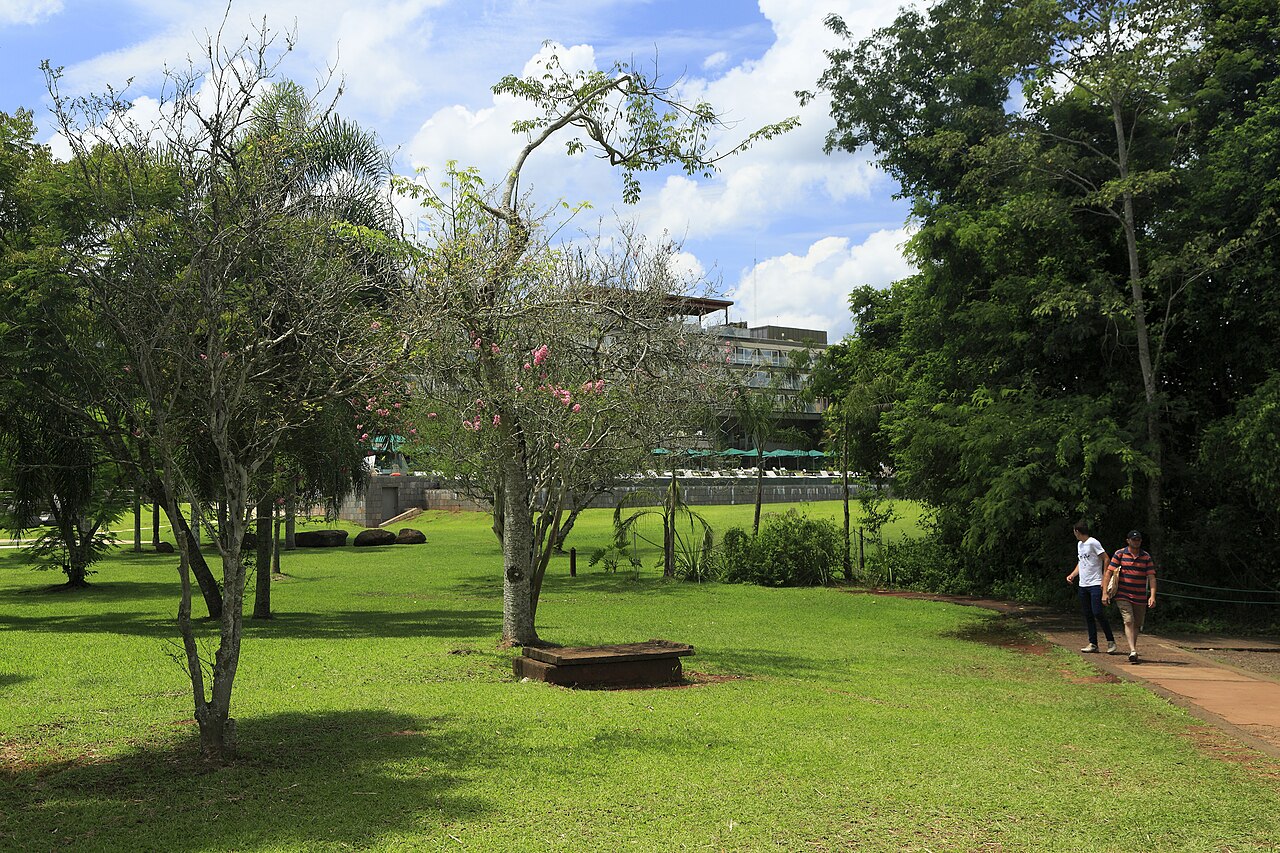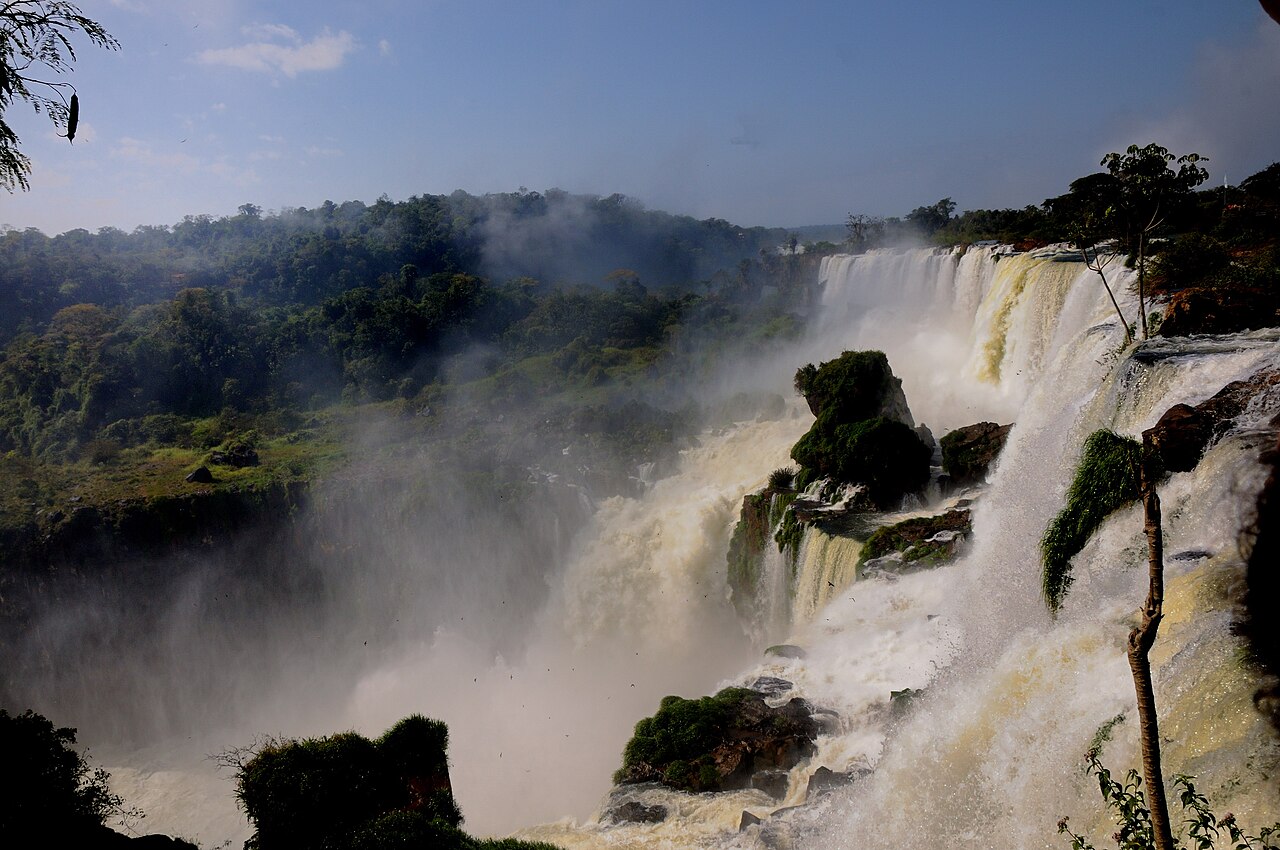
Iguazú Falls straddles Argentina and Brazil, and the two sides are two different experiences. The falls are a chain of around 270 separate drops spread over nearly three kilometres of the river, the national parks on both banks are UNESCO World Heritage sites, and the two gateway towns, Puerto Iguazú in Argentina and Foz do Iguaçu in Brazil, are only a few kilometres apart. Here is how to plan a first visit.
How many days
Three nights is the sweet spot: one day for the Argentine side, one for the Brazilian side and one flexible day for a boat ride, the bird park, Itaipu or the triple frontier at sunset. Two nights works if you are quick, and four lets you add the helicopter flight and a slower pace. Do the two parks on separate days, since each is long, and check the forecast before you commit the boat rides.
The two sides
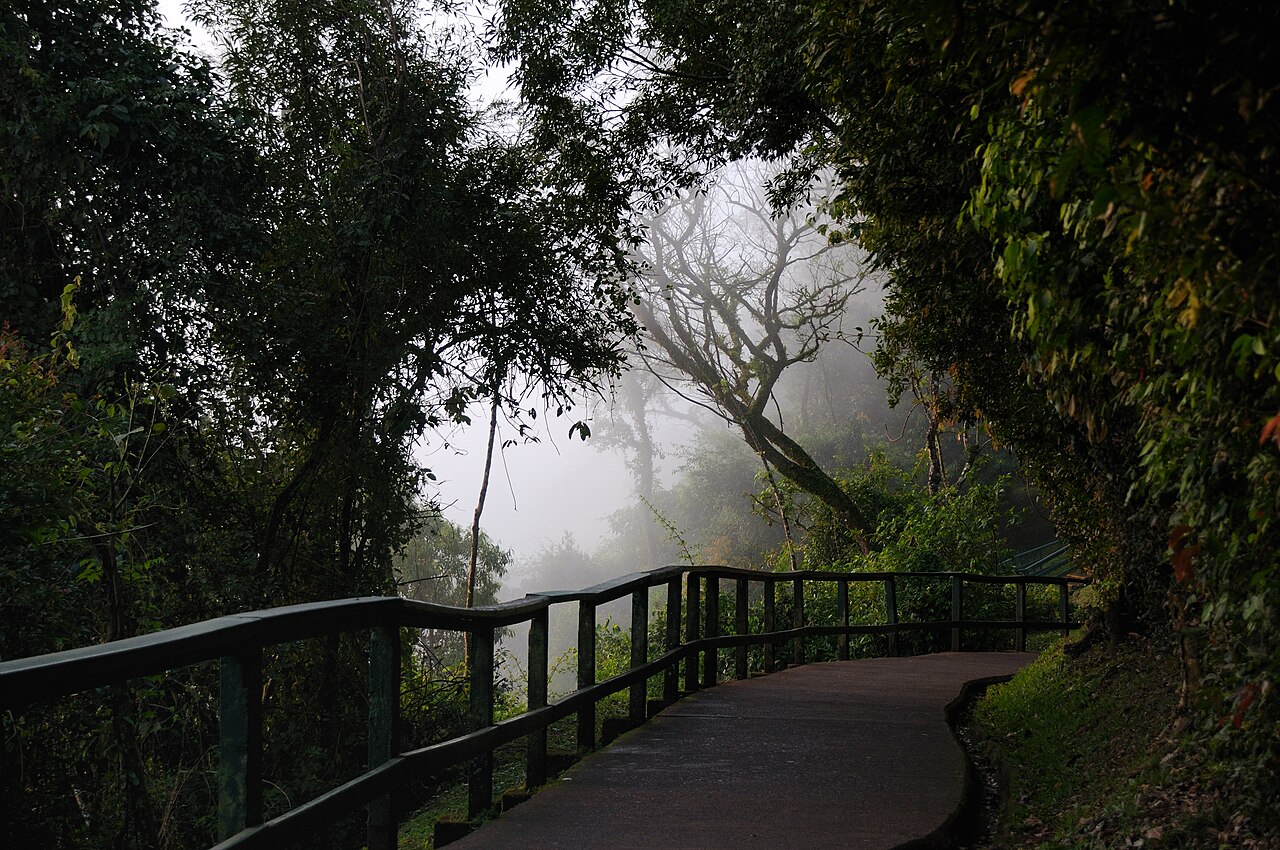
The Argentine side, with its raised walkways, the Upper and Lower Circuits and the train to the Devil's Throat, is the one to walk: it is about immersion, and you need a full day. The Brazilian side is about the panorama: a single clifftop trail of about a kilometre ending on a walkway into the spray, easily done in half a day. If you can only do one, pick Argentina for adventure and Brazil for views and ease.
What is open now
This season has been wet, and the river has been high. The Argentine Devil's Throat walkway has been out of service since August and had not been confirmed as reopened at the start of November, with a December return floated but not confirmed. The Brazilian Devil's Throat walkway closed on 11 October for about twenty days and reopened on 31 October. The Argentine Lower Circuit reopened in mid-October, while the Upper Circuit was reported closed in late October. Check each park's official notice the day before you go, and do not plan around a single walkway.
Boat rides
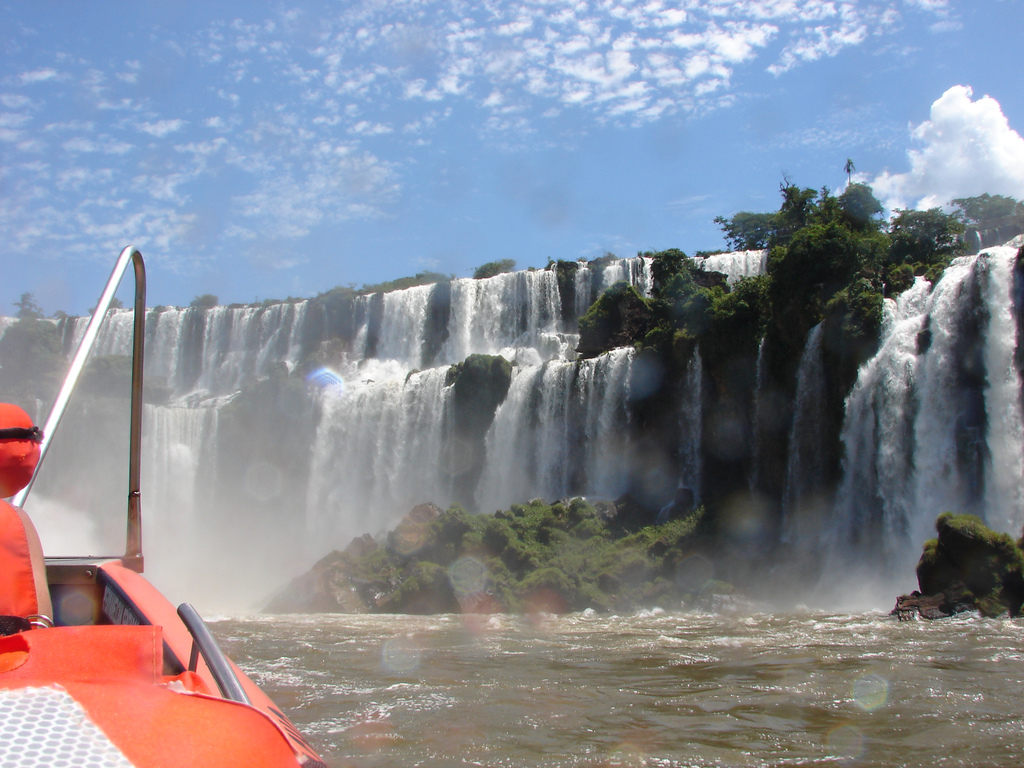
The Gran Aventura in Argentina and Macuco Safari in Brazil both run to the foot of the falls and soak everyone aboard. Both depend on the river level and the operator's daily safety assessment, and Macuco resumed on 1 August after a July incident in which a boat capsized and all eight people were rescued. Book flexible tickets and avoid putting the boat on your last day.
Entry fees
Both parks charge foreign visitors the highest rate. The Argentine park raised its fee in June 2026, to roughly sixty thousand pesos for a foreign adult, and the Brazilian park's full adult price was about one hundred and thirty-four reais in 2026. Itaipu, the Parque das Aves, the Marco das Três Fronteiras and the helicopter flight are separate tickets, and the Argentine Hito Tres Fronteras is a public park. Prices change often, so confirm them on the official ticketing sites.
Border-crossing tips
The two towns are linked by the Tancredo Neves bridge, and the crossing takes from thirty minutes to over an hour depending on queues. Carry your original passport, not a photo or a copy. US, Canadian and Australian citizens needed a Brazilian eVisa from April 2025, so apply well before you travel and keep a printed copy. Public buses and tours stop at both immigration posts, and some stops require you to get out with your passport, so keep your documents handy and note your bus plate. Do not book a tight onward connection after crossing, check re-entry conditions for any single-entry visa and allow extra time on weekends and holidays.
Getting around
In Argentina, the town bus runs from the Puerto Iguazú terminal to the park, and taxis are inexpensive. In Brazil, buses run from Foz to the park gate, and taxis and ride-hailing apps are plentiful. Many travelers use a tour with transfers for the other country, such as the Tiqets tours linked on this site, which handle the border and the tickets for a fixed price.
What to pack
A light rain jacket, quick-dry clothes, sunscreen, insect repellent, a refillable bottle and shoes with grip. Keep food sealed because coatis are persistent thieves. Bring your passport to the parks, since you may be asked for ID at ticket checks.
Putting it together
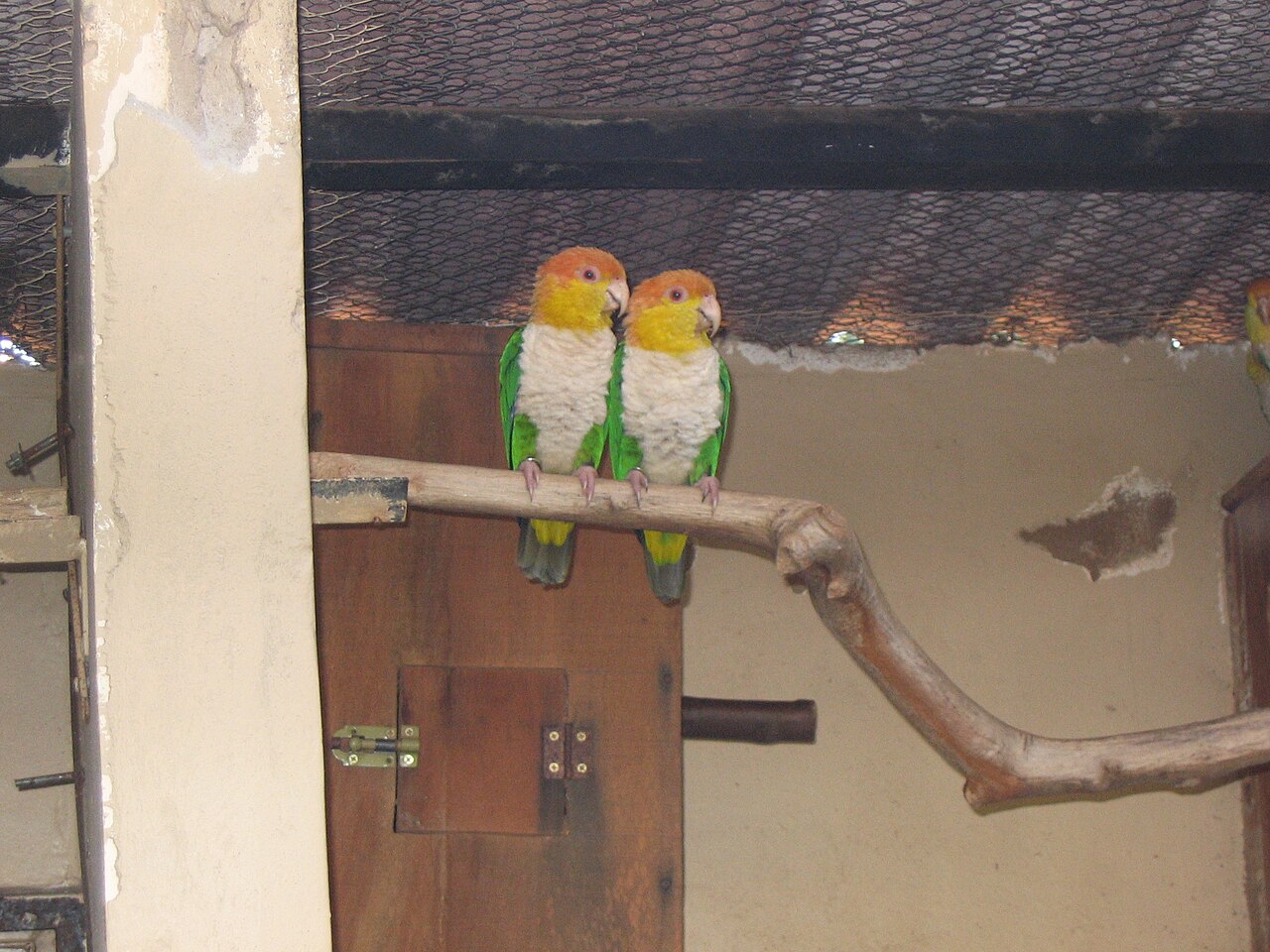
A good three-day plan is the Argentine falls on day one, with the Gran Aventura if the river allows and the Hito Tres Fronteras at sunset. Day two is the Brazilian side in the morning, then Parque das Aves, and perhaps a helicopter flight in the clear air. Day three can go to Itaipu, the Marco das Três Fronteiras or Güirá Oga, depending on the weather and your energy. Then choose a hotel that matches your plan, using our where-to-stay guide.