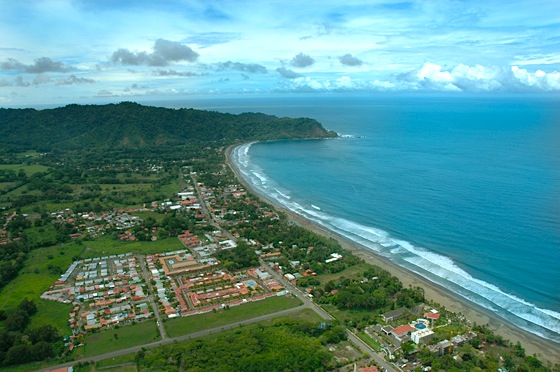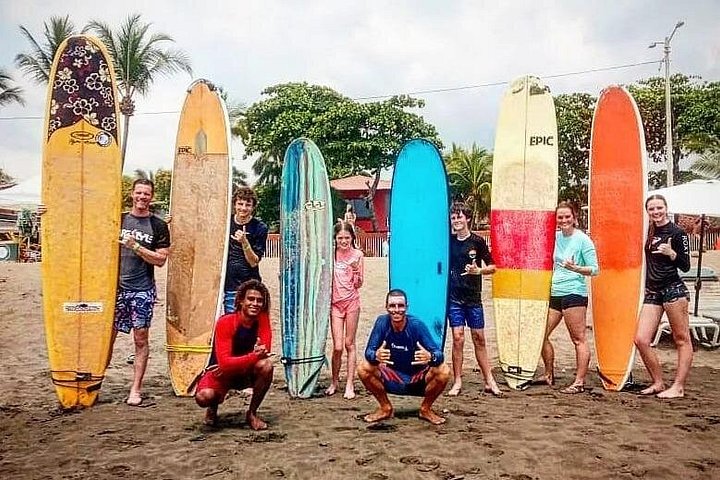
Jaco is Costa Rica's most accessible surf town, and a lesson here is the classic first-time activity. The waves along the main beach are steady and mostly forgiving, the water is warm all year, the sand bottom is soft and the instructors are used to working with complete beginners. A typical group lesson begins on the sand with a short briefing on safety, paddling and popping up, then moves into knee-deep and waist-deep water, where the instructor pushes you into small waves until you can stand. By the end of a couple of hours, many first-timers are riding a wave all the way to the beach, a moment that tends to produce wide smiles and a lot of laughing. The lesson linked here is run by a local surf school and offered for all levels. That includes complete beginners, returning surfers who need refreshing and intermediate surfers who want coaching on technique, because instructors can tailor the session to where you are. Boards are usually provided, with soft-top beginner boards for new surfers and fibreglass shortboards or funboards for more experienced riders. Many schools include rash guards, water, a fruit snack and a few photographs, and the instructors often double as spotters and safety watchers in the water.
To get the most out of a lesson, arrive prepared. Wear a swimsuit or board shorts and a rash guard if you have one, use reef-safe sunscreen and bring a towel, a change of clothes and water. Listen carefully to the safety briefing, because the beach has rip currents and your instructor will teach you how to stay in the right zone.
If you are a weak swimmer, say so, and consider a private lesson, where the instructor stays with you the whole time and the pace is entirely yours. Group lessons are cheaper and more social but can have several students per instructor, so smaller groups give more attention.
Time of day matters. Morning sessions are cooler and tend to be calmer, with lighter wind and gentler waves, while afternoon lessons are warmer but can be choppier, with more crowds in the water. The green season, from May to November, brings larger swells and some days that are too big for beginners, and the dry season, from December to April, usually gives smaller, more manageable waves. Good schools check conditions each morning and will move your lesson to a calmer part of the beach or reschedule if needed.
Plan for a tired body the next day: paddling uses shoulder and back muscles you may not know you had. Combine the lesson with a long lunch, a swim in the hotel pool and a sunset on the beach, and consider a second session if you enjoyed the first, since the second lesson is often when it truly clicks. Families with older children and teenagers find it one of the most satisfying activities on the coast. Book ahead in the high season, confirm the meeting point and check whether hotel pickup is included.
It is worth choosing a school with a clear approach. Good instructors explain the ocean as well as the technique, teaching you about waves, currents and etiquette in the line-up, so that you can keep surfing safely later in your trip. Ask about group size, the ratio of instructors to students and whether photos are included. If you like the sport, many schools also rent boards by the day, offer multi-day packages and can recommend quieter spots for practising once you can stand up on your own.
What to expect
The experience
A beach briefing, then a coached session in the warm water on a provided board, with an instructor in the water.
Best time
Morning, when the wind is lighter and the waves are gentler.
How long
About two hours including the briefing, with time in the water of around ninety minutes.
Tips
Wear a rash guard, use reef-safe sunscreen and tell the instructor how well you swim.
Quick picks
- Best for
- First-timers and anyone who wants to try surfing on a forgiving beach.
- Families
- Good for older children and teenagers who swim confidently. Ask for a smaller group.
- Couples
- A shared lesson is a fun morning activity followed by a long lunch.
- Pair with
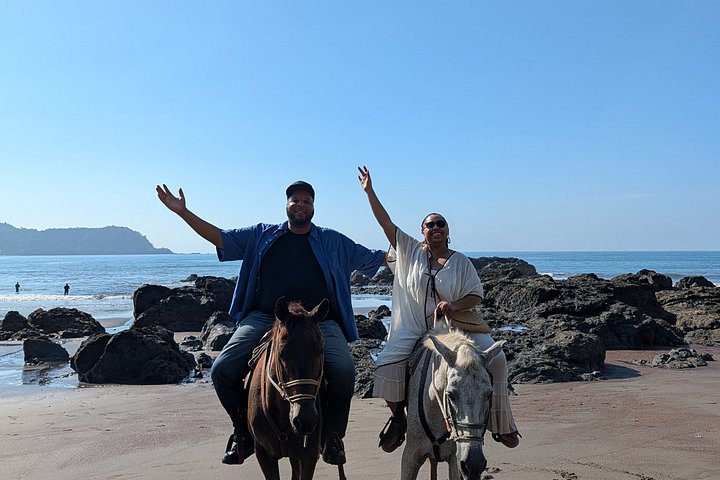
- A sunset on the beach, a food tour and a horseback ride.
- Time needed
- Two hours, plus time to recover.
Good questions
Do I need to know how to surf?+
No. Lessons are designed for all levels, including complete beginners.
Is equipment included?+
Boards are normally provided, and many schools include rash guards and water. Confirm when you book.
What is the best time of day?+
Morning is usually calmer and cooler, but the school will advise based on conditions.
Is it safe?+
Instructors manage the risks, but the beach has rip currents, so follow their instructions and stay in the lesson zone.
How many lessons do I need?+
Many people stand up in the first lesson, and a second session helps the skill settle in.