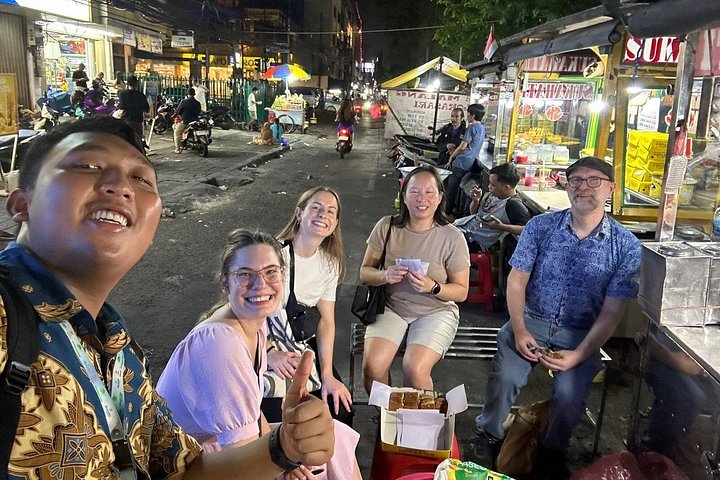
Indonesian cooking is built on spice pastes, coconut, chilli, tamarind and fresh herbs, and Jakarta, as the capital, gathers the dishes of the whole archipelago. This experience pairs a cultural food tour with a cooking class, so you first taste and learn about local ingredients and dishes, then step into the kitchen and make some of them yourself. It is one of the most rewarding ways to spend a day in the city, because you leave with recipes and technique rather than only a list of places you ate. The format suits curious eaters who want more than a restaurant meal. You will meet the ingredients that define the cuisine, such as galangal, lemongrass, kaffir lime leaf, shallots, palm sugar and the sambal that appears on almost every table, and see how they combine. For many visitors it is the highlight of a Jakarta stay.
How it works
The day combines a guided walk and tastings with a class. The tour portion introduces local snacks, dishes and the stories behind them, and the class that follows teaches you to grind a spice paste, balance sweet, sour, salty and hot flavours, and cook a short menu, which you then sit down to eat. Menus can vary, so check the details when you book, especially if you eat vegetarian or avoid pork or shellfish, as the kitchen can often adapt with notice.
What you learn
The building blocks of Indonesian cooking transfer easily to a home kitchen. Learning to make a base spice paste, called bumbu, unlocks many dishes, from stir-fries to curries and grilled fish. Classic ideas include nasi goreng, satay with peanut sauce, a vegetable dish dressed in coconut and a simple sambal. Instructors are used to complete beginners and will keep the pace relaxed.
Planning tips
Arrive hungry but not starving, because tastings add up and the class ends with a full meal. Wear closed shoes and light clothing, as kitchens are warm and the tour part may involve some walking in heat. A morning start keeps the temperature manageable. Pair the day with an easy evening, since you will probably not want another large meal. If your time is short, the class is an excellent alternative to a street food crawl for people who want to take the skills home with them.
What to expect
The experience
A guided cultural food tour with tastings followed by a hands-on cooking class, finishing with a shared meal of what you cooked.
Best time
Morning starts are cooler and leave the afternoon free.
How long
Roughly three to five hours including the meal.
Tips
Tell the organiser about dietary needs when you book, wear closed shoes and arrive hungry.
Quick picks
- Best for
- Food lovers who want to cook Indonesian dishes at home and understand the ingredients.
- Families
- Older children who like cooking will enjoy it; check the minimum age when you book.
- Couples
- A fun shared activity that ends with a meal you made together.
- Pair with
- A relaxed evening, a batik workshop or an old town stroll the next morning.
- Time needed
- Three to five hours.
Good questions
Do I need cooking experience?+
No. Instructors expect beginners and guide each step.
Can the class handle vegetarian or halal needs?+
Often yes with notice. Say what you need when you book so the menu can be adjusted.
Will I eat what I cook?+
Yes, the class normally finishes with a meal of the dishes you prepared.
What dishes might I make?+
Typical choices include nasi goreng, satay, a coconut vegetable dish and sambal, though menus vary.
Is it a good rainy-day option?+
Yes. The class itself is indoors, which makes the day easy to keep going in wet weather.