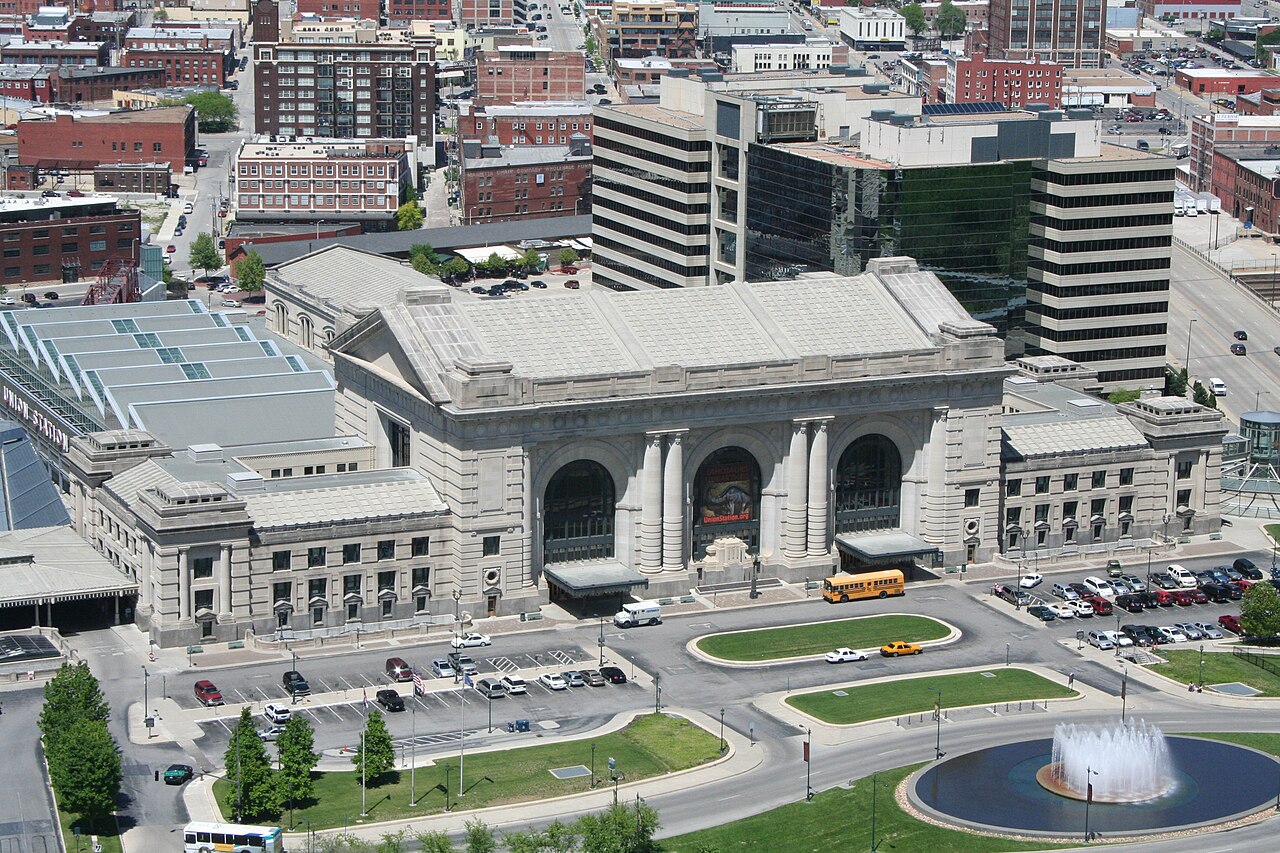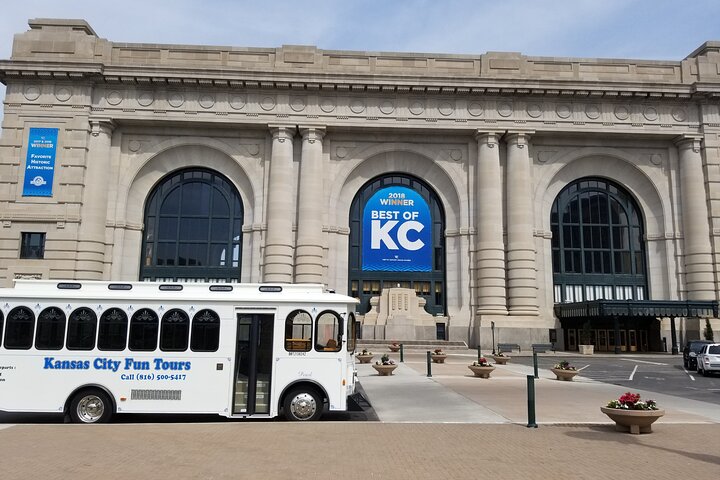
Kansas City earned a reputation in the early twentieth century as one of the wide-open towns of the Midwest, ruled by a political machine that tolerated gambling, liquor and vice and fed a nightlife that produced some of the best jazz in America. That same permissiveness attracted gangsters, and the city's history has the crimes to prove it. The most infamous came in 1933, when a gunfight outside Union Station, now known as the Kansas City Massacre, left lawmen and a prisoner dead and helped push the federal government toward a bigger role in fighting organized crime. A ghost and true-crime walk is therefore a natural fit: the stories here are rooted in documented events, which gives them a gravity that pure legend lacks. Guides stitch together hauntings, murders, scandals and tragedies from the downtown streets, and the tone leans toward the darkly entertaining, with plenty of local color. If your idea of a good haunted evening is closer to a documentary than a séance, this is a very good one, and it comes with the pleasure of a city that is better at hospitality than at hiding its past. Locals trade these stories over barbecue as readily as tourists collect them, which gives the whole evening a lived-in, unpolished feel that bigger, glossier haunted cities sometimes lack.
The material
Expect an evening that moves between ghost lore and true crime in the same breath, with downtown buildings, old hotels, theaters and storefronts serving as the stages for tales of bootleggers, corrupt office-holders, sensational murders and restless spirits. Kansas City's Pendergast political machine, which dominated city life in the 1920s and 1930s, runs through many of the stories, as does the legacy of a nightlife that never closed. Because the walking route covers a compact area, you will see a good number of locations in ninety minutes or so, and guides tend to be strong storytellers who know the difference between documented fact and local tradition and say so.
Planning well
The walk takes place outdoors in all but the worst weather, so dress for the season, since Midwestern winters are cold and summers are humid. Evening start times mean you can fit a barbecue dinner beforehand, and downtown parking is simple, with garages close to the usual meeting areas. October and weekends book first, and the city's big events, including sports weekends, can fill hotels, so reserve early. If you are bringing teenagers, note that the subject matter includes violence, though it is told in a historical rather than gory tone.
Building a Kansas City weekend
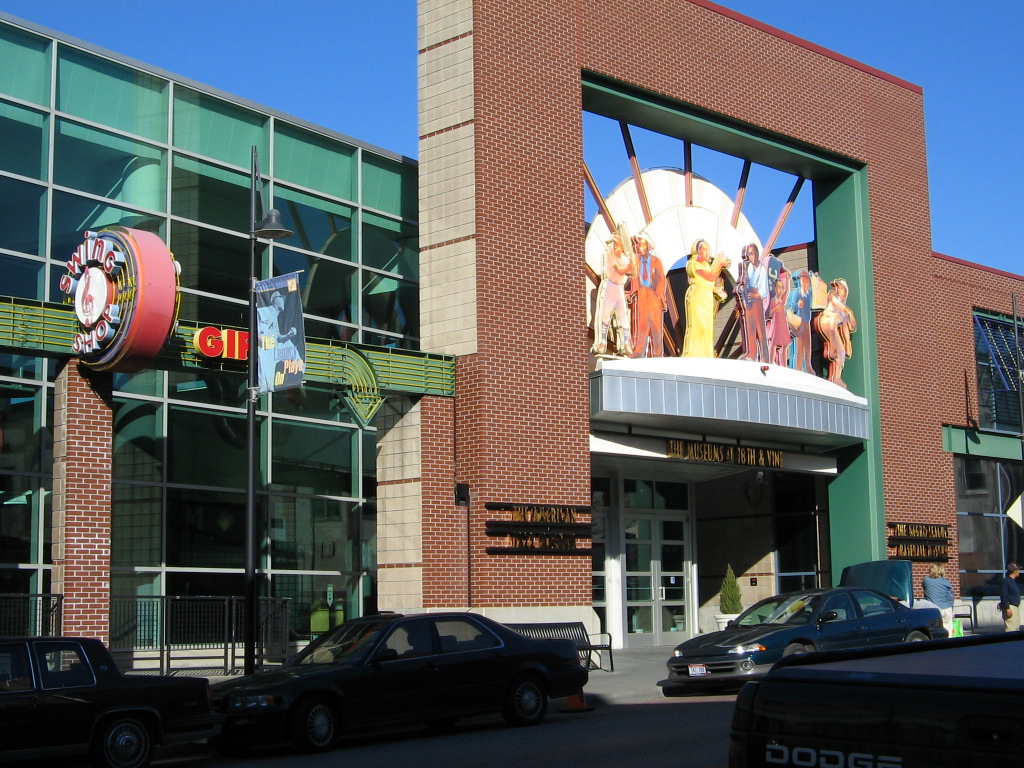
The ghost tour is a wonderful capstone to a day of barbecue, jazz and museums. The Negro Leagues Baseball Museum and American Jazz Museum at 18th and Vine give the nightlife context, the National WWI Museum and Memorial offers a sobering daytime counterpoint, and the Country Club Plaza and the River Market supply the dining.
Afterwards, a late drink in the Power and Light district or at a jazz club turns the haunted evening into a full night out. It is an ideal choice for friends' trips, for date nights with an appetite for darkness, and for road-trippers crossing the Midwest who want one stop that tells them what kind of city they are in.
What to expect
The experience
A guided evening walking tour of downtown Kansas City, about ninety minutes to two hours, combining ghost legends with documented crime and political history.
Best time
Evenings in spring and autumn, and October for the strongest atmosphere; dress warmly in winter.
How long
Ninety minutes to two hours on foot, with time for barbecue before or after.
Tips
Dress for the weather, eat first, use a downtown garage and book early for October and big-event weekends.
Quick picks
- Best for
- True-crime fans who want ghosts grounded in real events.
- Families
- Teens and adults; the stories include murder and violence told historically.
- Couples
- Barbecue, the walk, then live jazz.
- Pair with
- Union Station, 18th and Vine, a barbecue crawl and the WWI museum.
- Time needed
- One evening, or a full weekend.
Good questions
Is this a ghost tour or a true-crime tour?+
Both. The route blends documented crimes and political scandals with local ghost stories tied to the same streets and buildings.
What is the Union Station story?+
In 1933 a shootout outside the station killed several lawmen and a prisoner, an event that fed the push for a stronger federal role in policing organized crime.
Is it suitable for children?+
Best for teens and adults, since the stories involve real killings. Younger children are better served by a daytime museum visit.
When should I book?+
Weekends, October and big-event weekends sell first. Midweek evenings are usually easier.
What should I eat first?+
Kansas City barbecue, naturally. Most downtown options are within a short walk of the usual meeting areas.