Kingston has more layered history than almost any city of its size in Ontario, and it is easy to read if you follow a simple thread: a harbour at the head of the St. Lawrence, a military presence to defend it, a prison to hold those who broke the law, and a civic pride that built the limestone downtown. This guide strings the heritage sights together so that a history-minded visitor can see why the city looks and feels the way it does.
Start at the water
Kingston grew where Lake Ontario narrows into the river, which made it a natural place for trade and for defence. A walk along the waterfront shows the pattern at once: the harbour, the market square, the stone warehouses and the dome of City Hall all sit within a few hundred metres. The self-guided walking tour and scavenger hunt is a gentle way to take this in, because its clues send you to details you might otherwise walk past. If you prefer a guide, the bike tour covers the same waterfront with a bit more distance, and the trolley tours add commentary from a seat.
Fort Henry and the defence of the town
Fort Henry is the city's defining fortress and the best single answer to the question of why Kingston mattered. It stands on a hill above the harbour and is run as a living-history site in its season, with costumed interpreters and drill demonstrations. In the colder months the fort is closed, but the evening Fort Henry ghost walk offers a way to hear the stories at night when the season allows. Pair a daytime visit in the open season with a view of the fort from the water on a harbour cruise or from the lakeshore path to appreciate its position.
City Hall and civic Kingston
Kingston City Hall is a National Historic Site that has stood on the waterfront at 216 Ontario Street since 1844. It was built at a time when Kingston had ambitions to be a capital, and its scale shows it. The building reads as a statement of confidence in limestone, with a dome that dominates the skyline. Free guided tours run in the warmer months, and the first and second floors can be explored on your own during business hours. The Kingston Public Market, held in the square beside City Hall, has run since 1801, so a Saturday morning here lets you stand in a place that has been used for trade for more than two centuries.
Crime and punishment
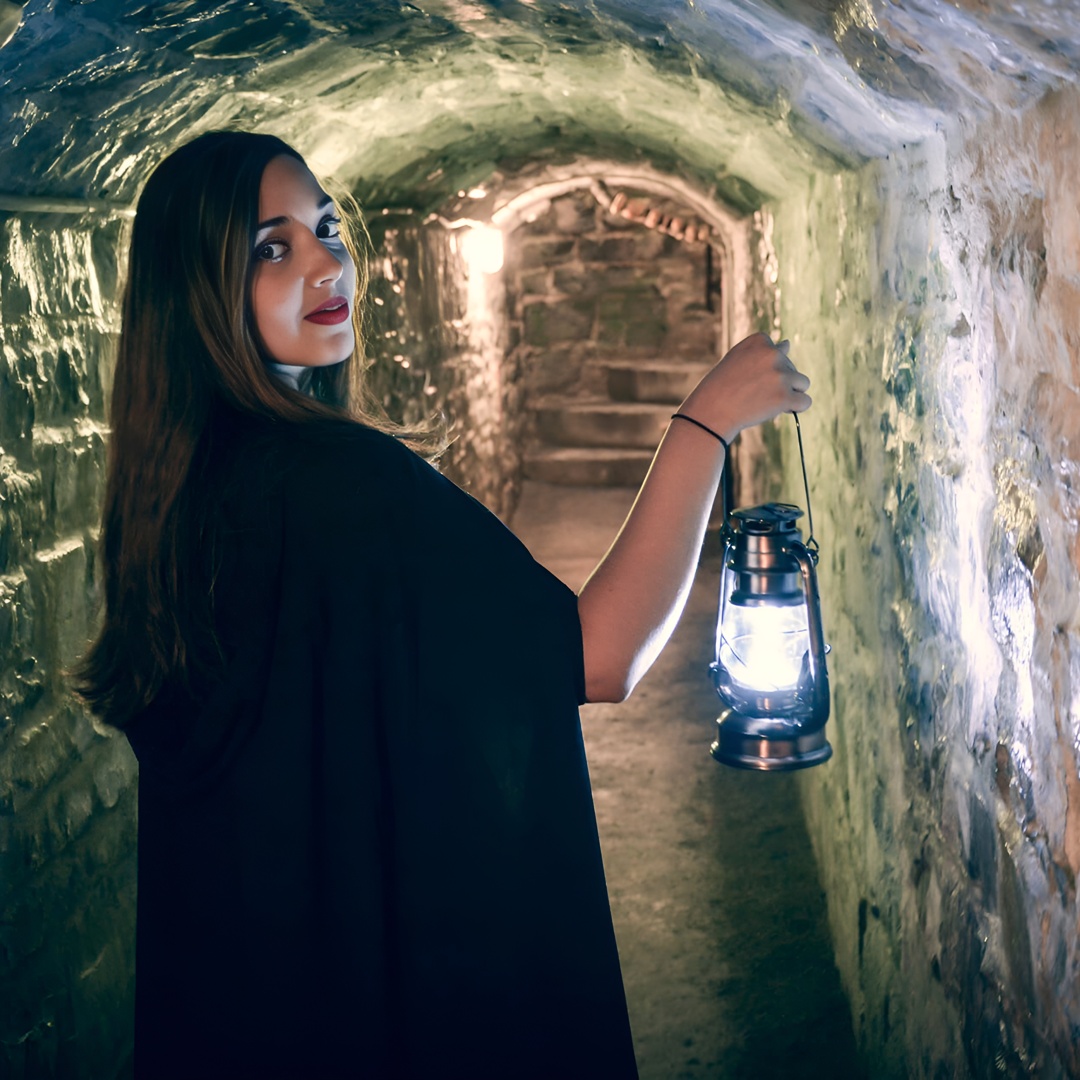
Canada's Penitentiary Museum interprets the story of the federal prison system, set beside one of the country's best-known prison sites. It is a sobering but fascinating visit for adults and teenagers, and it is seasonal, so check opening dates before you plan around it. The ghost tours bring the same themes to life in a lighter, more theatrical way. If you can only do one, choose the museum for substance and the ghost walk for atmosphere.
A prime minister's house
Bellevue House is the Parks Canada site that tells the story of Sir John A. Macdonald's years in Kingston, and it is a good counterweight to the military and prison sights because it is a domestic house, with period rooms and gardens. Its season runs from spring to mid-October, so it is a summer and early autumn stop. The Agnes Etherington Art Centre at Queen's University rounds out the picture with a collection that includes historical Canadian and European art, and it is a good wet-weather choice.
The canal and the locks
Just north of the city, Kingston Mills Lockstation gives you a working piece of the Rideau Canal, the waterway that links Kingston to Ottawa. Watching boats pass through the locks is a quiet, rewarding stop that shows another reason Kingston mattered: it was the southern gateway of a route built to keep supplies moving safely away from the border. Allow an hour, and bring a picnic if the weather is fine.
Putting it together
A good history day starts at the market and City Hall in the morning, moves to Fort Henry or the Penitentiary Museum around midday in season, and ends with the ghost walk or the food tour in the evening. A second day can add Bellevue House, the lockstation and the art centre. In winter, many of the headline sights are closed, so build the day around City Hall's self-guided floors, the market, the art centre and the evening tours, and save the forts for a return trip between May and October.
Practical tips
Walk or cycle between downtown sights, and use a taxi or a car for Fort Henry, the Penitentiary Museum, Bellevue House and the lockstation. Wear comfortable shoes for the stone floors, carry a windproof layer, and check each site's current hours because seasons and special events change. The compact downtown makes the waterfront hotels the best base, and Residence Inn, Delta and Holiday Inn all put you within an easy walk of the market, the harbour and the evening tours.