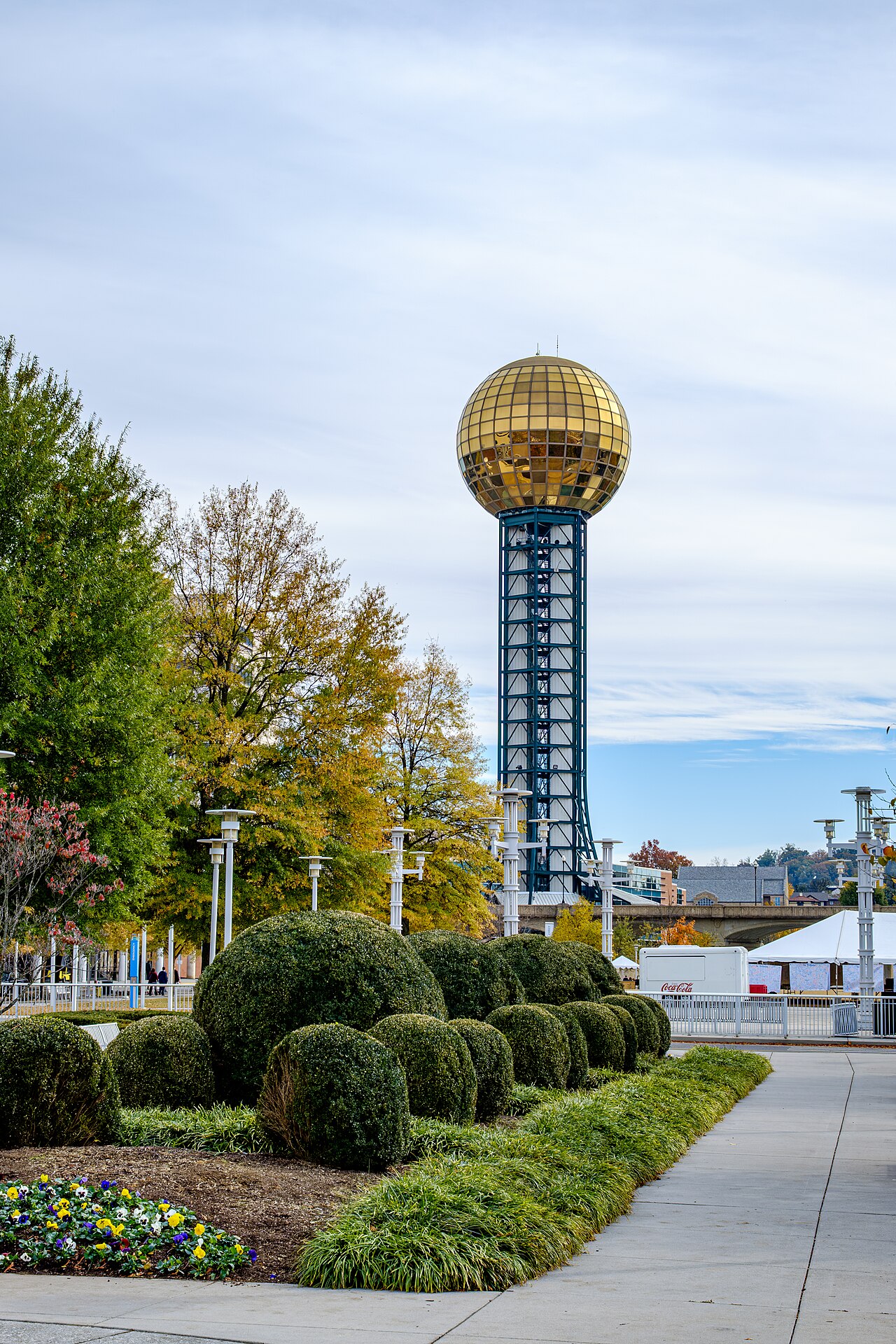
Knoxville rewards visitors who arrive without a checklist. It is a river city of about two hundred thousand people that sits at the edge of the Great Smoky Mountains region, and many travelers treat it as a place to sleep before driving to Pigeon Forge or Gatlinburg. That is a mistake. The city has a walkable downtown with some of the best evening streets in Tennessee, a hilltop university, a big riverfront, a growing outdoor scene and a story that runs from a frontier capital through the Civil War and the 1982 World's Fair to the secret city of Oak Ridge. This guide explains how the pieces fit so you can decide what to book and what to leave for a second trip.
Understand the layout
Downtown Knoxville sits on the north bank of the Tennessee River. Gay Street is the main spine, running from the river up toward the Old City, with Market Square one block to the west. World's Fair Park and the Sunsphere sit at the western edge of downtown, while the University of Tennessee campus and Neyland Stadium lie just west and southwest along the river. South Knoxville, across the river, holds the Urban Wilderness and Ijams Nature Center, and West Knoxville is the suburban zone of shopping and chain hotels. Most first-time sightseeing happens within a mile or so of Market Square.
Start with the Sunsphere and World's Fair Park
The gold-glass ball left from the 1982 World's Fair is the city's signature, and its observation deck gives a half-hour orientation to the geography. Go in the late afternoon for golden light, then step next door to the Knoxville Museum of Art, which is free and gives a quick sense of regional culture. This pairing takes a couple of hours and sets the scene for everything else.
Give Market Square an evening
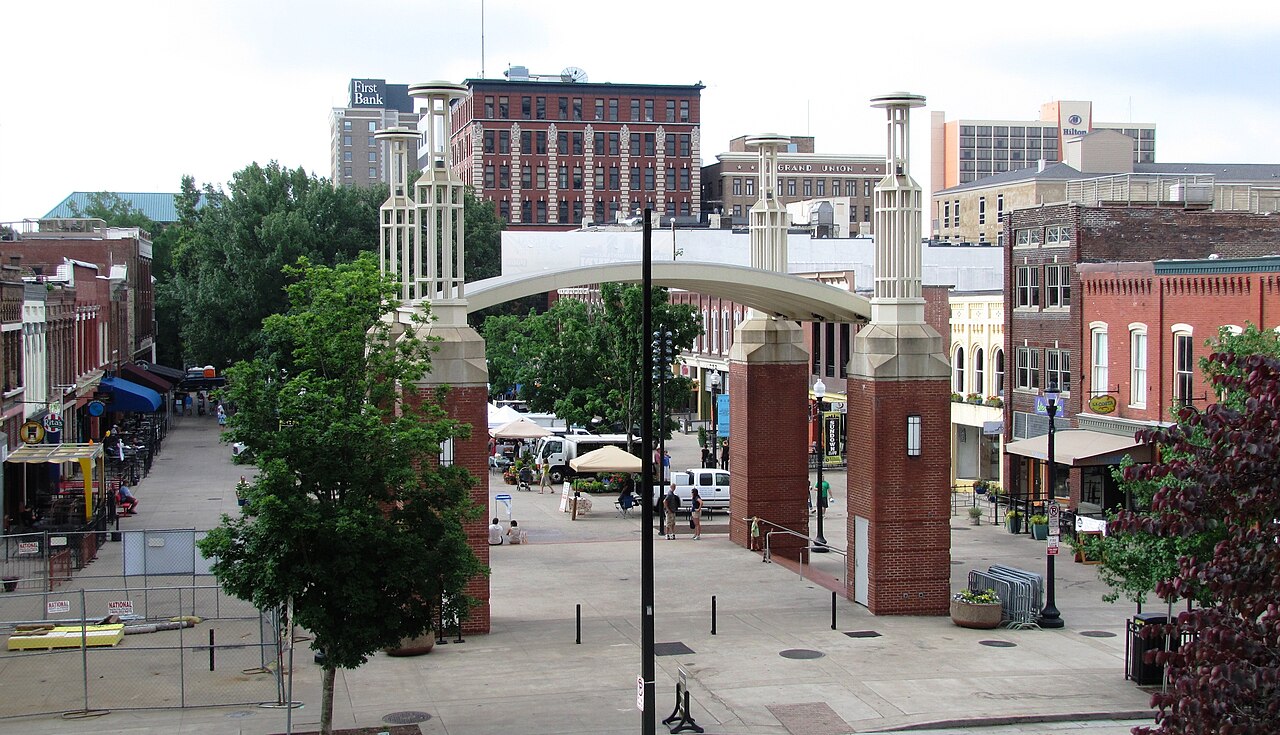
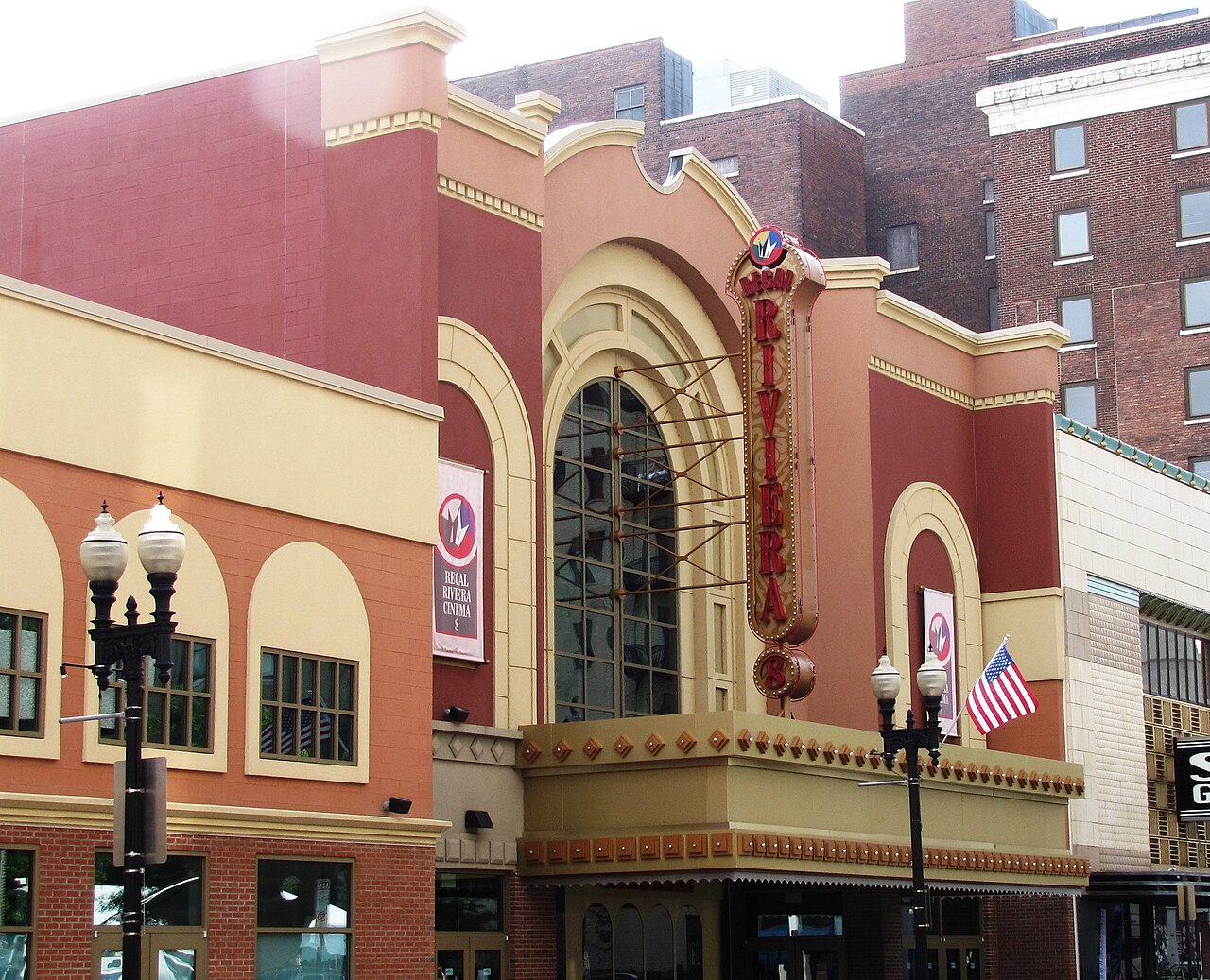
The brick plaza is the city's living room, ringed by independent restaurants, bars and patios. Eat early, wander, and let the evening drift toward Gay Street, where the Tennessee Theatre's marquee glows, or to the Old City, where bars and live music rooms fill on weekends. A ghost tour or a food tour is a smart way to add stories to the streets.
Add history
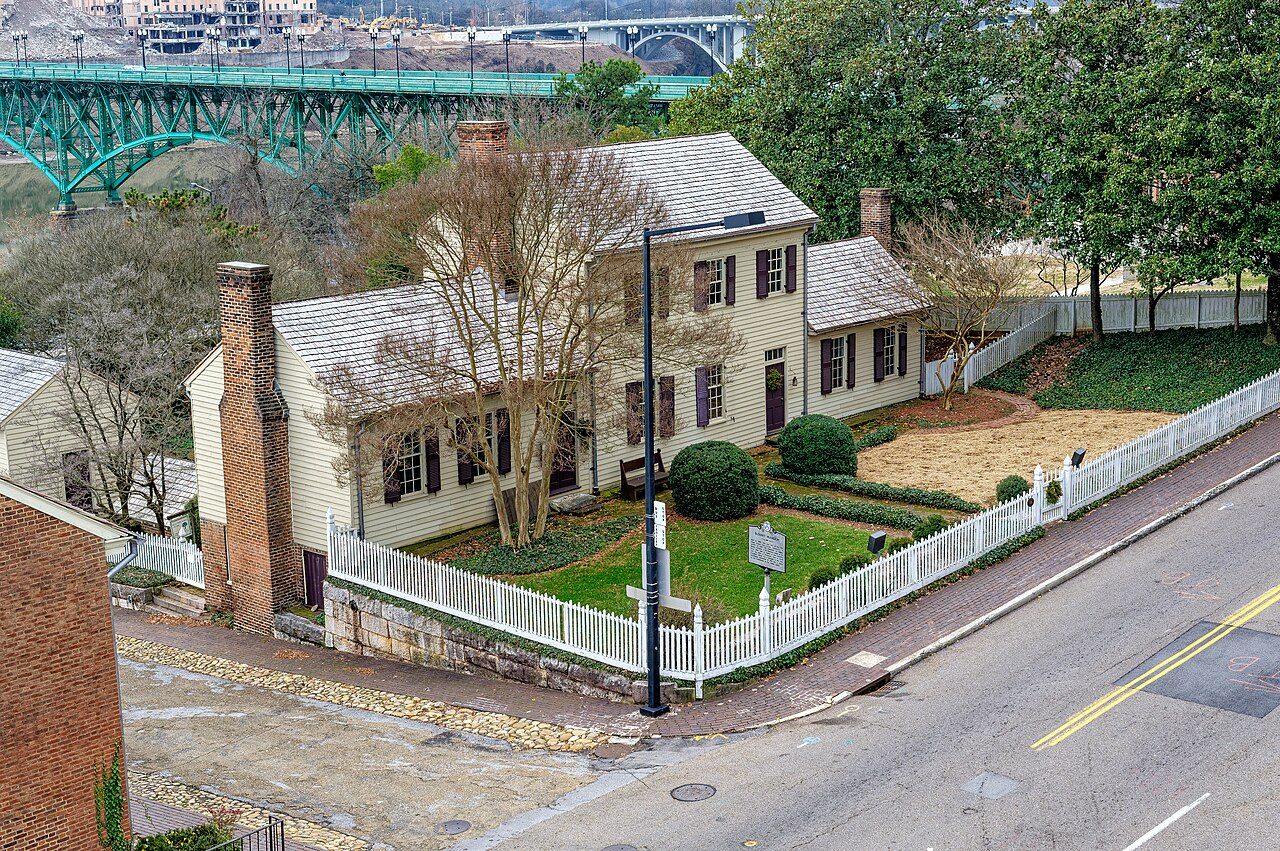
Blount Mansion, the 1790s home of the territorial governor, and the East Tennessee History Center sit within a few blocks of the square and cover the region from Native peoples and early settlers through the Civil War and the twentieth century. Together they take half a day and give context that makes the rest of your visit richer.
Get outside
Knoxville's outdoor identity is real. The South Knoxville Urban Wilderness has more than fifty miles of trails, quarry lakes and ridge views, Ijams Nature Center offers an easy introduction with forest paths and river access, and the Tennessee River itself invites a cruise from Volunteer Landing. If you only have time for one outdoor activity, choose Ijams for ease or the quarry trails for views.
Plan around football
On autumn Saturdays, Neyland Stadium holds more than a hundred thousand fans and the whole city turns orange. If a home game is on your dates, book hotels as early as possible, expect crowds and traffic, and embrace it. If you would rather avoid it, check the schedule before you book a trip between September and November.
Eat the local way
Knoxville's food scene mixes Southern comfort, barbecue, farm-to-table cooking, vegetarian cafes and a craft beer culture that has grown quickly. Market Square is the easiest place to browse, while the Old City leans toward cocktails and late food. Ask your server for a local recommendation; people in Knoxville are happy to share.
Choose the right season
Spring brings dogwoods and wildflowers, and is arguably the most beautiful time. Summer is warm and humid, good for early-morning hikes and river activities. Autumn offers comfortable weather, foliage and football, but also higher prices. Winter is quiet and often mild, with lower rates and occasional cold snaps. In every season, mornings are the best time for the outdoors.
Getting around
Downtown is compact and walkable, and rideshare is plentiful. A car is useful for Ijams, the Urban Wilderness, the zoo and day trips to Oak Ridge, the Museum of Appalachia or the Smokies. Parking downtown is available in garages, with metered street spaces that fill at night.
Where to stay
For atmosphere, the Oliver Hotel on Market Square is the standout. For a classic full-service base near the Sunsphere, look at the Hilton Knoxville. Families who want space, free breakfast and easy parking often prefer a west-side suite hotel. Book early for football weekends, graduation and big festivals.
A balanced first itinerary
Day one: Sunsphere, the art museum and dinner on Market Square. Day two: Ijams or the Urban Wilderness in the morning, a river cruise or history stops in the afternoon, and a show or the Old City at night. Day three: a day trip to Oak Ridge or the Museum of Appalachia. That covers the city without rushing and leaves time for a long lunch.