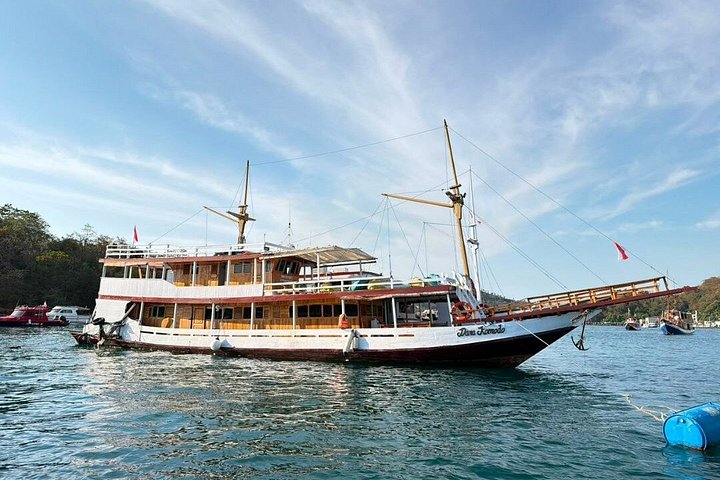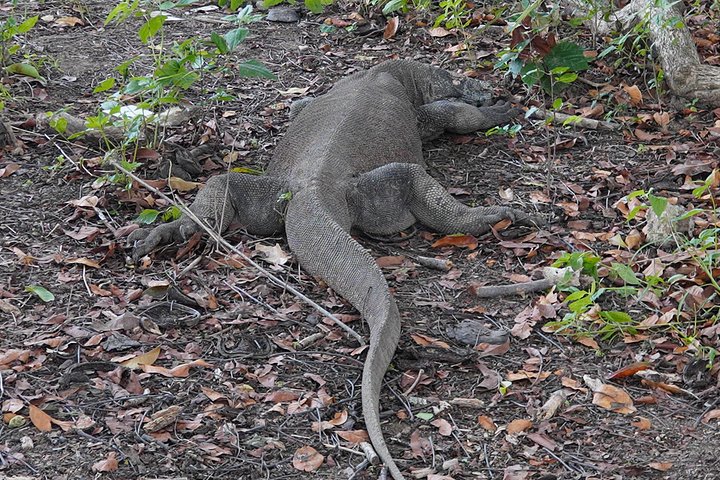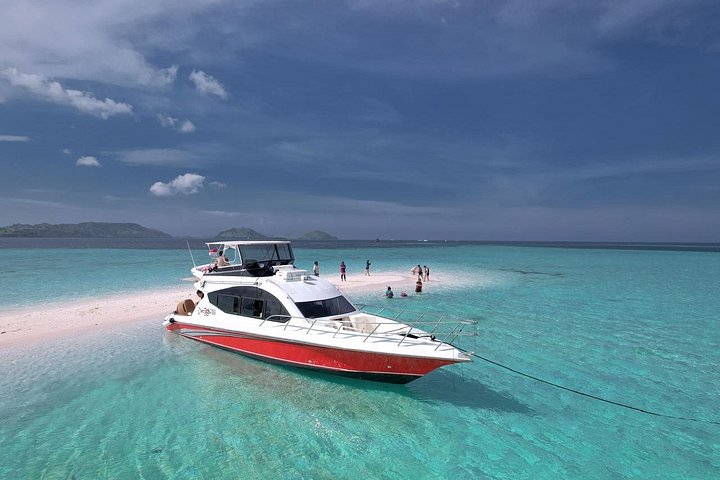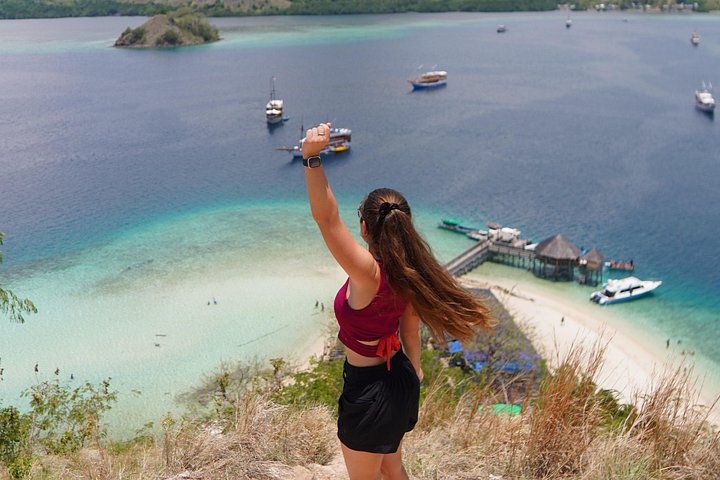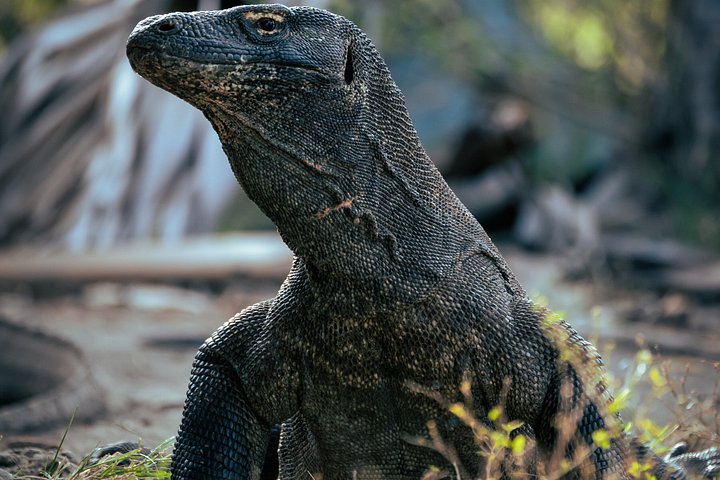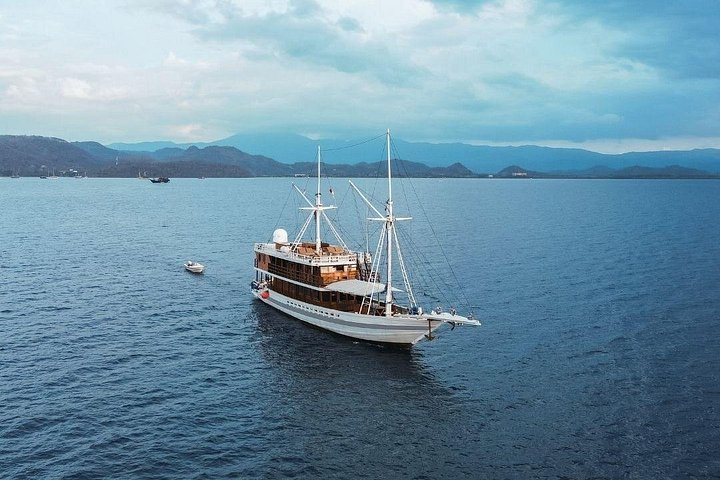
A three day liveaboard is the way to see Komodo National Park without the daily rush. Instead of racing out from Labuan Bajo each morning, you sleep on the water, wake up beside the islands and visit the dragons, the Padar viewpoint and Pink Beach in the cool hours when the light is best and the day boats are not yet there. Two nights gives time for the full classic loop, with the first day heading out, the second day devoted to the main sights and a final morning to snorkel and sail back. The product linked here is a three day, two night Komodo liveaboard, and it sits at the higher end of the market in price compared with the shared-cabin and basic open trips already covered. That usually reflects a more comfortable boat, private or better-appointed cabins, a larger crew and more meals, though the title does not list those details, so confirm them. It is a good fit for couples, families and small groups who want to treat the park as the main event of the trip rather than a single day out.
On a typical liveaboard the days follow the tides and the heat. You might hike to a sunrise viewpoint, walk with a ranger on Komodo or Rinca, snorkel over reefs where turtles and manta rays are sometimes seen, and anchor at night in a calm bay under a sky with very little light pollution.
Meals are cooked on board, usually fish, rice and vegetables, and there is time to swim from the stern or relax on deck with a book. The evening flight of the flying foxes from Kalong Island is a highlight for many guests.
Because liveaboards differ widely, ask the right questions before you commit. Check the cabin type and bed arrangement, air conditioning and bathroom access, whether park fees and ranger fees are included, which meals and drinks are provided, what snorkel gear is supplied and what the plan is if wind or swell forces a change. The dry season, roughly April to November, offers the calmest seas, while the wet months can bring rougher crossings and fewer sailing options.
Bring a seasickness remedy, reef-safe sun protection, a hat, a light layer for the nights, a dry bag and cash for tips and extras. Arrive in Labuan Bajo the night before so the boat can leave early without stress.
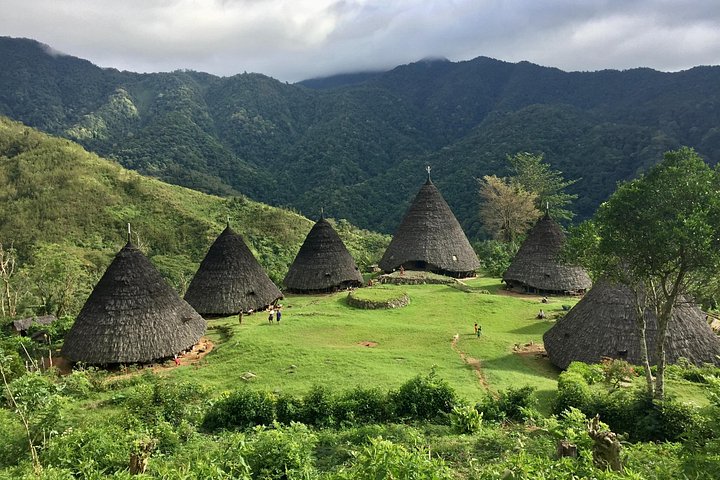
Finally, consider how a liveaboard fits the rest of your Flores plans. Many travelers do the boat first and then spend two or three days on land, visiting the Wae Rebo village, the spiderweb rice fields or the Kelimutu crater lakes, because the sea days leave you rested and the land days need more energy. If you are short on time, the three day format is the best balance between the one day rush and a week at sea, and it is the version most guests describe as the highlight of the whole trip.
Book early for the dry months, because the better boats fill several weeks ahead and last-minute availability is usually limited to the basic vessels. Ask whether a fixed departure day applies, since some programs only leave on certain weekdays.
What to expect
The experience
A three day, two night liveaboard through Komodo National Park; confirm the boat, cabin and inclusions with the operator.
Best time
Dry season, roughly April to November, for the calmest sea and best visibility.
How long
Three days and two nights on board.
Tips
Ask about cabin type, park fees, meals and the weather plan, and pack a seasickness remedy.
Quick picks
- Best for
- Travelers who want the park as the main event, with dawn and dusk on the water.
- Families
- Suitable for families with older children comfortable on boats; check life jacket sizes.
- Couples
- Romantic, with sunsets, quiet bays and starry nights on deck.
- Pair with
- A night in Labuan Bajo before and after for rest and onward travel.
- Time needed
- Three days.
Good questions
Why does this liveaboard cost more than the other overnight trips?+
Higher prices usually reflect a better boat, more comfortable cabins and more inclusions. Confirm the details with the operator.
What will we see in three days?+
The usual loop covers dragons on Komodo or Rinca, Padar, Pink Beach, snorkeling and the Kalong flying foxes, though the order depends on weather.
Is it suitable for children?+
Often yes for older children who are comfortable on boats. Ask about life jackets and cabin layout.
Are meals included?+
Liveaboards normally include cooked meals, but check the inclusions for drinks and park fees.
Will I get seasick?+
Crossings can be rough in the wet season. Take a remedy before departure and choose the dry season if you can.