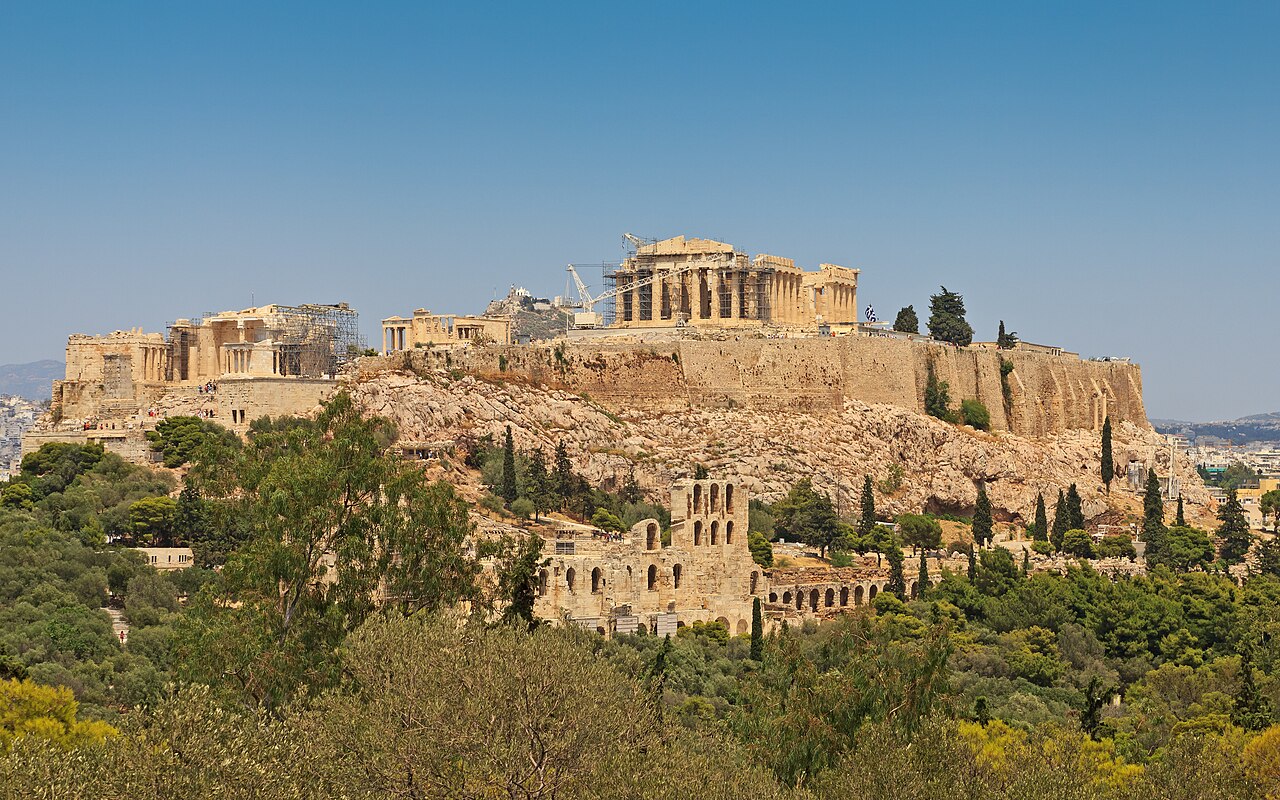
Wawel Royal Castle and Cathedral
The limestone hill above the Vistula where Polish kings lived, were crowned and were buried: a Renaissance castle with tapestry-hung state rooms and a cathedral holding the royal tombs and the great Sigismund Bell.
Poland
Kraków is the old royal capital of Poland and one of the few great central European cities to come through the Second World War with its historic heart intact: a medieval Old Town ringed by the leafy Planty, a market square so large it feels like a stage, a Gothic basilica whose trumpeter still plays the hourly bugle call, and the castle and cathedral on Wawel Hill above the Vistula where Polish kings were crowned and buried.
It is also a place of deep memory. Kazimierz, the old Jewish town, is alive again with synagogues, cafes and festivals, Schindler's Factory tells the story of the city under Nazi occupation, and an hour and a half to the west lies the Auschwitz-Birkenau Memorial, which most visitors to Kraków feel they must see. This guide books it properly — timed tickets for Wawel, the guided descent into the Wieliczka Salt Mine with its chapel carved from salt, a respectful guided visit to Auschwitz-Birkenau, the medieval market under the square, Leonardo's Lady with an Ermine and a day in the Tatra Mountains at Zakopane — and then matches you to the right hotel, from a palace-like five-star off the square to a design hotel by Kazimierz and a sensible budget base by the station.
Wawel Royal Castle and Cathedral
The limestone hill above the Vistula where Polish kings lived, were crowned and were buried: a Renaissance castle with tapestry-hung state rooms and a cathedral holding the royal tombs and the great Sigismund Bell.
Wieliczka Salt Mine
A guided descent into the centuries-old salt mine just outside Kraków, through carved chambers and underground lakes to the Chapel of St Kinga, where the chandeliers, floor and altar are all made of salt.
Main Market Square and the Cloth Hall
Rynek Główny, the vast medieval square at the heart of the Old Town, with the Renaissance Cloth Hall in the middle, the Town Hall Tower, cafe terraces on every side and the bugle call from St Mary's every hour.
Auschwitz-Birkenau Memorial and Museum
The former German Nazi concentration and extermination camp at Oświęcim, where about 1.1 million people, most of them Jews, were murdered. A guided visit from Kraków is a sombre, essential act of remembrance.
The limestone hill above the Vistula where Polish kings lived, were crowned and were buried: a Renaissance castle with tapestry-hung state rooms and a cathedral holding the royal tombs and the great Sigismund Bell.
A guided descent into the centuries-old salt mine just outside Kraków, through carved chambers and underground lakes to the Chapel of St Kinga, where the chandeliers, floor and altar are all made of salt.
The former German Nazi concentration and extermination camp at Oświęcim, where about 1.1 million people, most of them Jews, were murdered. A guided visit from Kraków is a sombre, essential act of remembrance.
Rynek Główny, the vast medieval square at the heart of the Old Town, with the Renaissance Cloth Hall in the middle, the Town Hall Tower, cafe terraces on every side and the bugle call from St Mary's every hour.
The Gothic brick basilica on the Main Market Square, with a star-spangled blue vault, the vast carved altarpiece by Veit Stoss that is ceremonially opened at midday, and the tower where the hejnał is played every hour.
A medieval Kraków hidden beneath the Main Market Square: excavated stalls, roads and graves woven together with projections, holograms and touchscreens in one of the city's most imaginative museums.
The former enamelware factory of Oskar Schindler, now a powerful museum of Kraków under Nazi occupation, telling the story of Poles and Jews in the city from 1939 to 1945.
The old Jewish town of Kraków, where historic synagogues and cemeteries stand among cafes, bars and galleries. Walk it with a guide to understand what was here before the war and what has returned since.
The historic aristocratic collection by the Florian Gate, home to Leonardo da Vinci's Lady with an Ermine and a Rembrandt landscape, in a palace beautifully renovated by the National Museum in Kraków.
A day in Poland's mountain resort at the foot of the Tatras: wooden villas, the Gubałówka funicular, the bustle of Krupówki street and smoked oscypek cheese, all about two hours from Kraków.
Hotels we would book ourselves, from splurges to good-value bases.
Old Town
A five-star hideaway in a centuries-old aristocratic townhouse a few steps from the Main Market Square, with pools in vaulted brick cellars and a seasonal rooftop bar looking over the Old Town.
Check rates →Old Town (Florian Gate)
A stylish boutique hotel beside the Florian Gate, designed around three great Polish painters, with a Michelin-recommended restaurant and the Main Market Square a short walk down Floriańska Street.
Check rates →Kazimierz
A big, bold design hotel on the edge of Kazimierz, with Conran and Partners interiors, local street art, a lively eatery and bakery, and a gym, sauna and spa.
Check rates →Wawel and the Vistula
A comfortable mid-range hotel at the foot of Wawel Hill by the Vistula, with castle views from many rooms and both the Old Town and Kazimierz within a short walk.
Check rates →Main Station / Old Town edge
A dependable budget base on Pawia Street, a five-minute walk from Kraków Główny station and about fifteen minutes on foot from the Main Market Square.
Check rates →The practical primer for a first trip to Kraków: which tickets to book ahead, getting in from the airport, walking and trams, how many days you need, and how Wawel, Wieliczka and Auschwitz-Birkenau fit into a visit.
The four best areas to stay in Kraków for first-timers, couples and families, with honest notes on noise, price and convenience, and one recommended hotel in each.