Kuala Lumpur rewards first-timers who plan a little. The city is big, hot and spread out, the traffic can be fierce and the afternoon storms are reliable, but the trains are good, the taxis are cheap and the food is some of the best in Asia. Get the structure right and it is one of the easiest and best-value cities in the region. Here is how to shape a first visit.
How many days
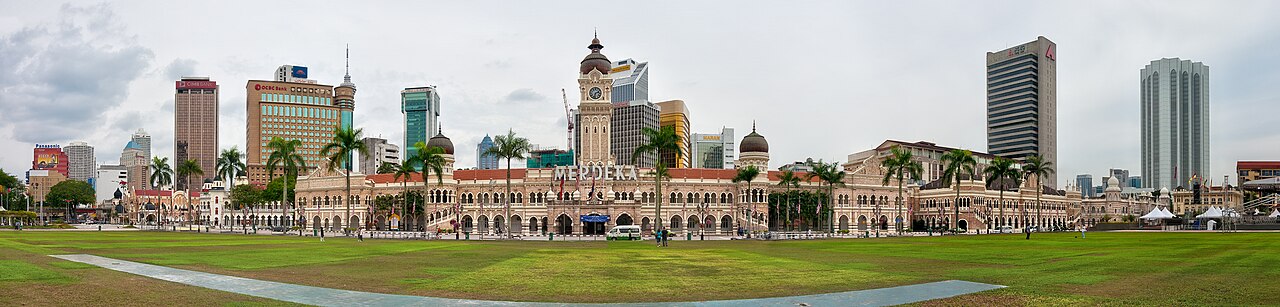
Two full days cover the Petronas Towers, KL Tower, Merdeka Square and Chinatown at a brisk pace. Three days let you add Batu Caves, the Islamic Arts Museum and a proper evening of street food. Four days are ideal, with a full day out to Genting Highlands or a morning in Putrajaya. If you are combining Kuala Lumpur with Penang, Melaka or Singapore, three nights here is a good balance.
What to book ahead
The Petronas Towers are the one ticket that really matters. Visitor numbers are capped, entry is by set time and the towers are closed on Mondays, so book your Skybridge and level 86 slot as soon as your dates are firm, ideally late in the afternoon for the sunset. Day tours to Batu Caves, Putrajaya and Genting need a day or two of notice for hotel pickups. KL Tower and Aquaria KLCC can usually be booked on the day, though timed Aquaria slots fill at weekends.
Dress codes and closing days
Pack something that covers your knees and shoulders. Batu Caves enforces its dress code, and you will need modest clothing for Masjid Jamek, the National Mosque and the Putra Mosque, where robes are often provided. The Putrajaya tour does not visit the Putra Mosque on Fridays. The Islamic Arts Museum is open every day except the two main Hari Raya holidays. Keep Mondays for KL Tower, the museums, Chinatown and Merdeka Square.
Getting in
Most visitors arrive at KLIA, well south of the city. The KLIA Ekspres train is the fastest and most reliable way to KL Sentral, the main rail hub, where you can change to the LRT, MRT or monorail or take a short Grab ride to your hotel. Grab, the ride-hailing app, is the easiest door-to-door option from the airport too.
Getting around
The rail network of LRT, MRT and monorail lines connects most sights: KLCC for the Petronas Towers, Pasar Seni for Chinatown, Masjid Jamek for Merdeka Square and Bukit Bintang for the shopping and food streets. A rechargeable card saves fumbling for tokens. Grab is cheap and air-conditioned, which matters in the heat, but avoid rush hours when roads jam. Walking works within neighbourhoods, though pavements can be patchy. The hop-on hop-off bus is a good way to link the scattered sights on day one.
Day one: towers and skyline
Start with Merdeka Square and Masjid Jamek in the cool of the morning, walk on to Central Market and Petaling Street for lunch, and spend the hot afternoon at the Islamic Arts Museum. Finish at the Petronas Towers for a late slot, then stay for the lit towers from KLCC Park.
Day two: Batu Caves and Bukit Bintang
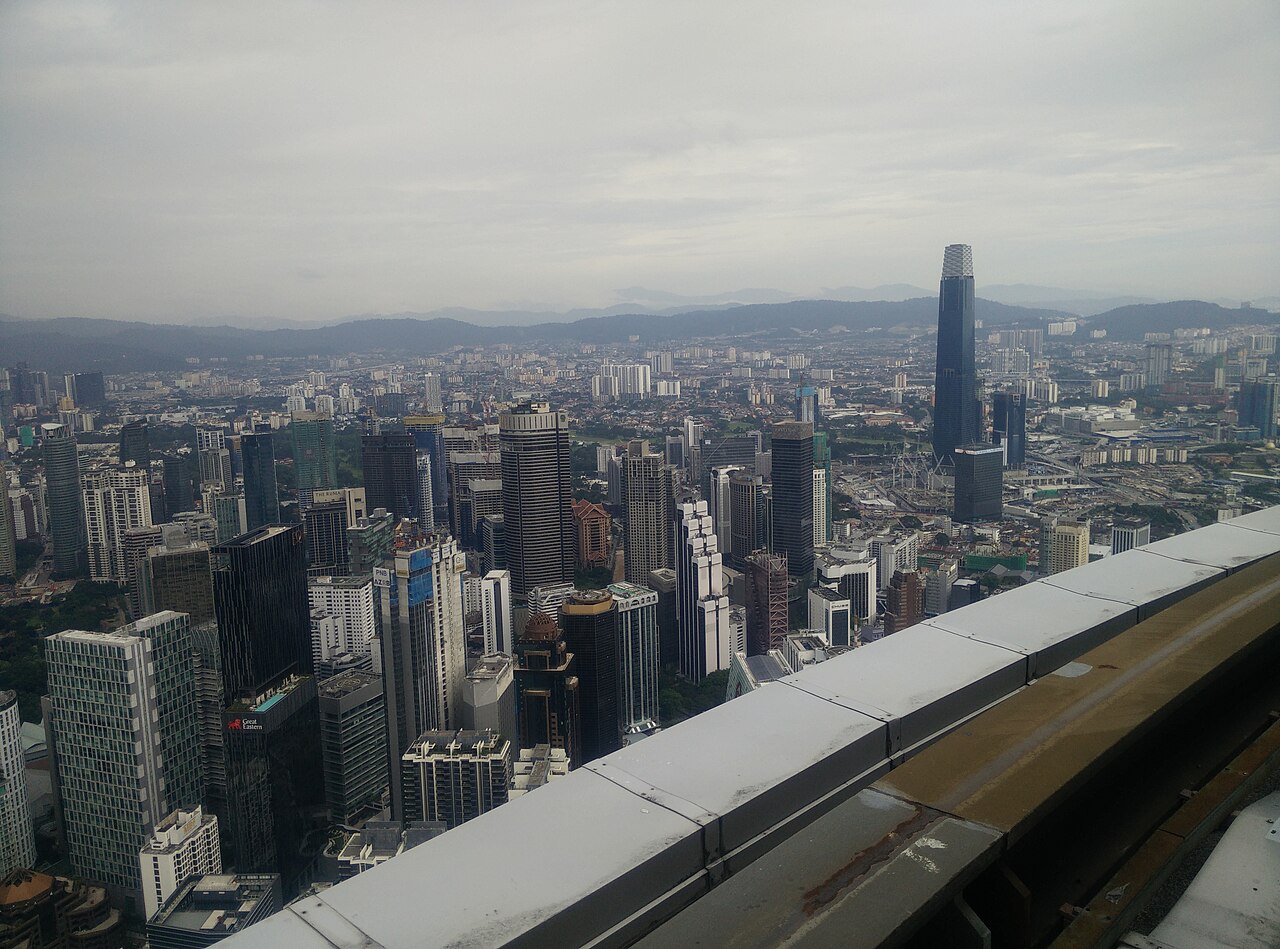
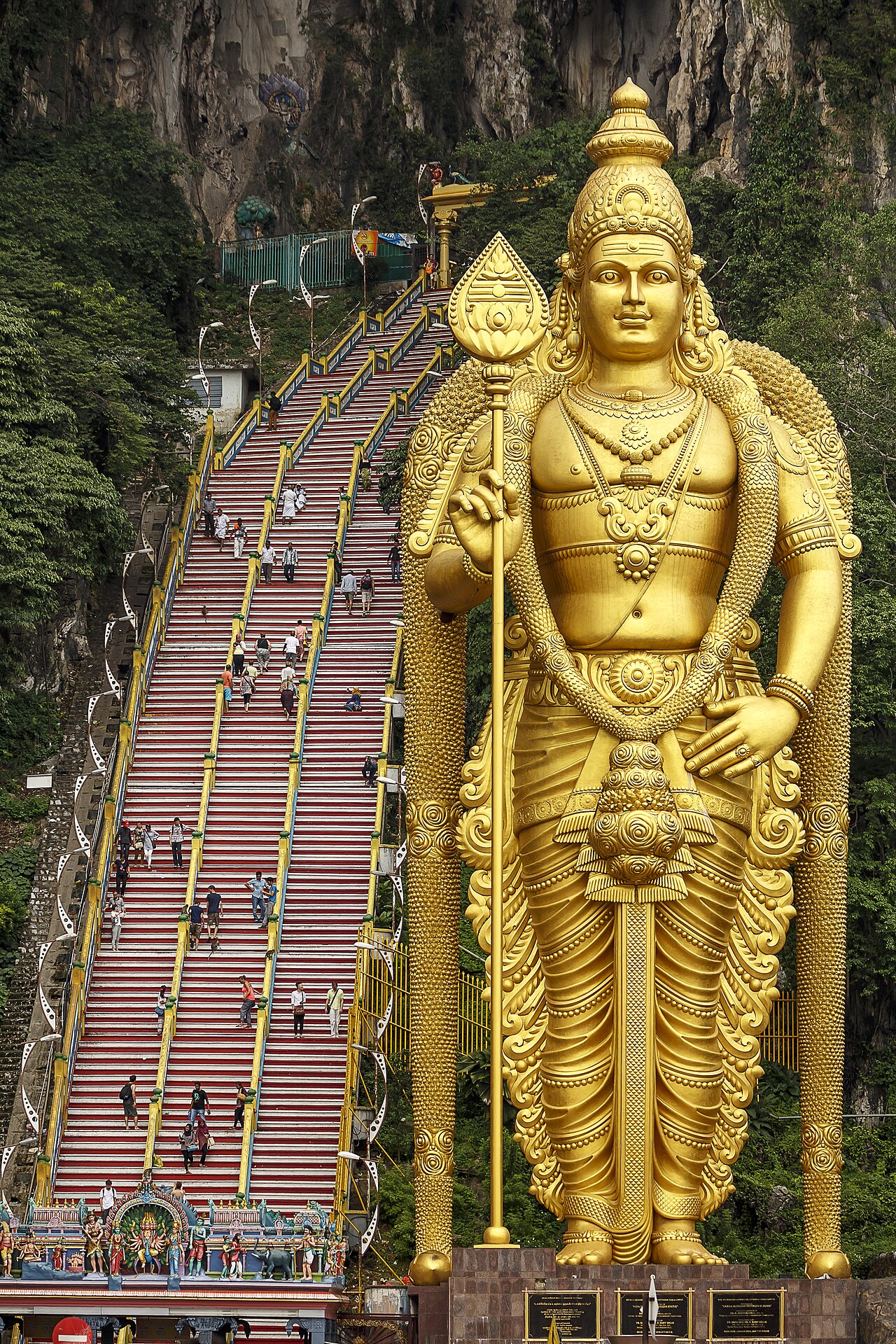
Take the half-day tour or the train to Batu Caves early, before the heat and the crowds. Rest through the afternoon or visit Aquaria KLCC if it rains, ride KL Tower for sunset, then eat your way down Jalan Alor.
Day three: a day trip
Choose Putrajaya for architecture and a lake cruise, or Genting Highlands for the cable car, the cool air and the theme park. The Genting tour includes a stop at Batu Caves, so if you pick it, use day two for the museums instead.
Weather, money and manners
Kuala Lumpur is hot and humid all year, and the wetter months bring heavy storms most afternoons, so plan outdoor sights for the morning. Malaysia uses the ringgit, cards are widely accepted in malls and hotels, and hawker stalls prefer cash. Tipping is not expected, though rounding up is appreciated. Malay is the national language, and English is widely spoken. Use your right hand when giving or receiving, and remove your shoes where you see others doing so.