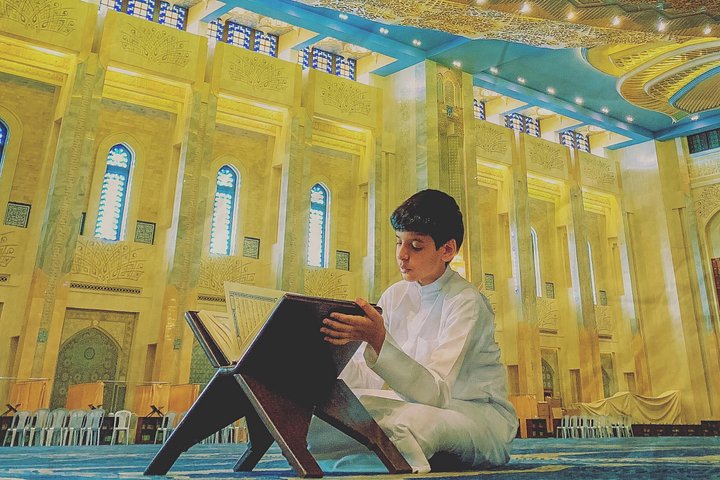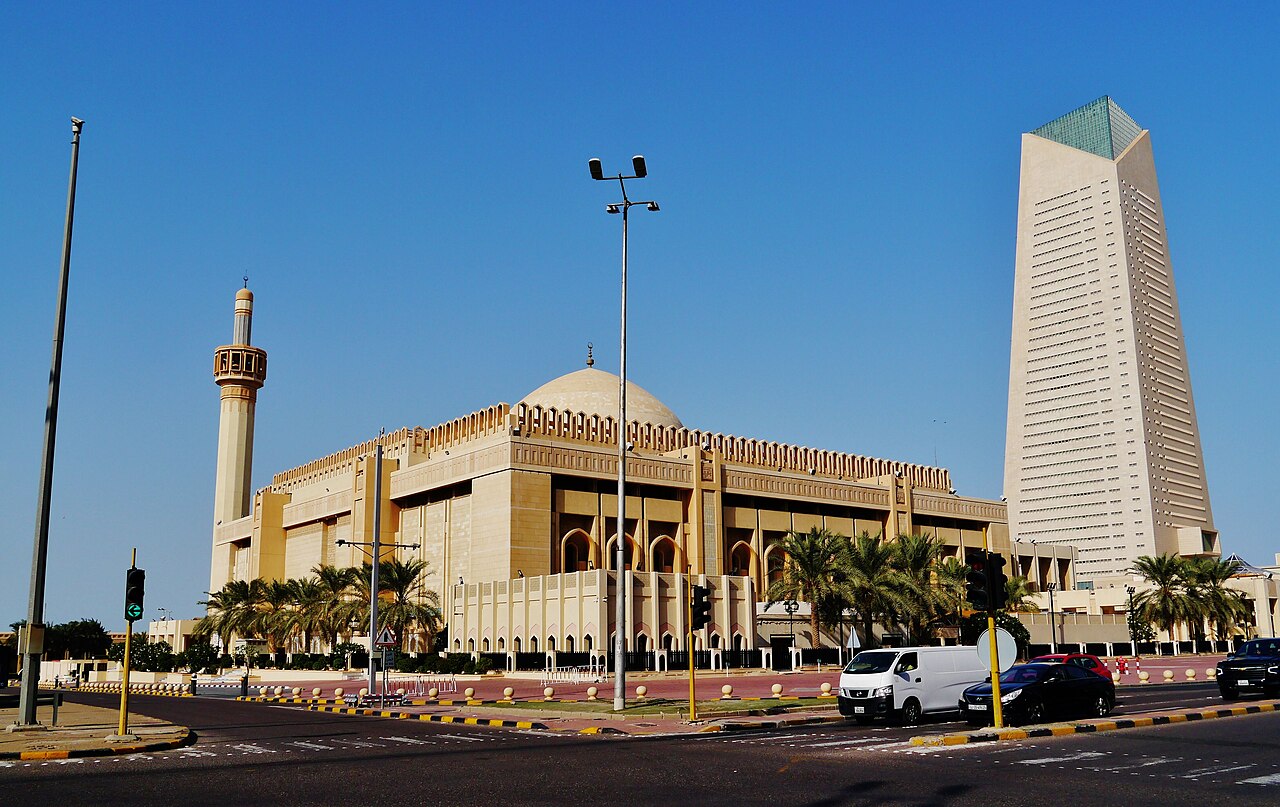
The Grand Mosque is Kuwait's largest place of worship and one of its most beautiful buildings. It sits close to the Gulf near the National Assembly and Seif Palace, a large complex of courtyards and prayer halls that opened in the mid-1980s. The design draws on classical Islamic and Andalusian ideas rather than copying one tradition. A great central dome crowns the main prayer hall, supported by a ring of windows that fill the interior with soft light, and a tall minaret marks the building from far across the city. Inside, the hall is spacious and calm, with geometric tilework, painted ceilings, carved wood and chandeliers, while the outer courtyards use arcades and fountains in the way older mosques of Spain and North Africa did. For many visitors it is the single most striking interior in Kuwait, and it is also one of the easiest places to see how religion and civic life sit together in the country. The mosque welcomes visitors who are respectful, and a guide is usually available to explain the architecture and the basics of prayer.
Etiquette is straightforward, and following it makes the visit smoother. Dress modestly: shoulders and knees covered for everyone, loose clothing, and a headscarf for women, which the mosque can often lend. Shoes come off before entering the prayer hall. Visiting hours for non-Muslims are limited, usually in the morning and outside prayer times, and the mosque is closed to sightseeing during prayers and around Friday services, so check the current hours before you set out.
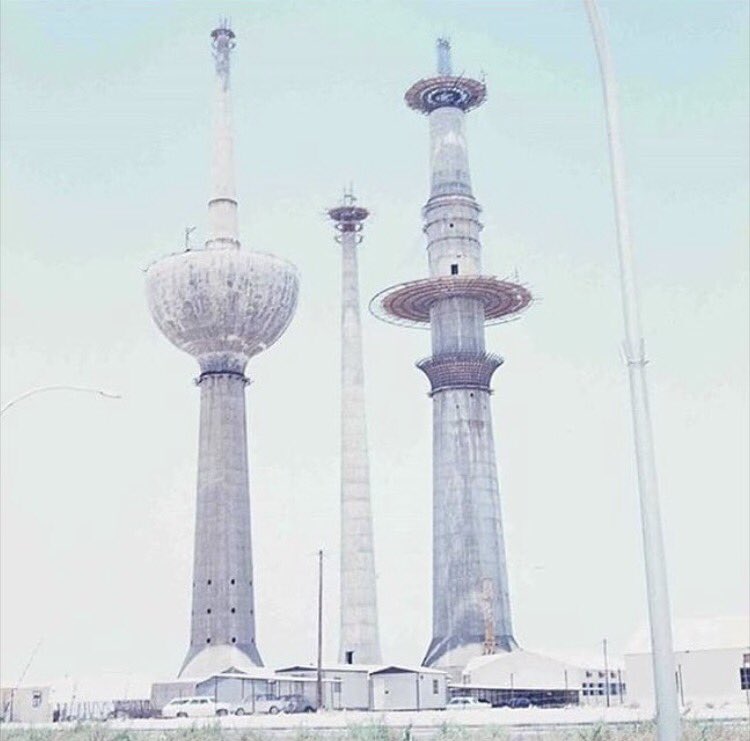
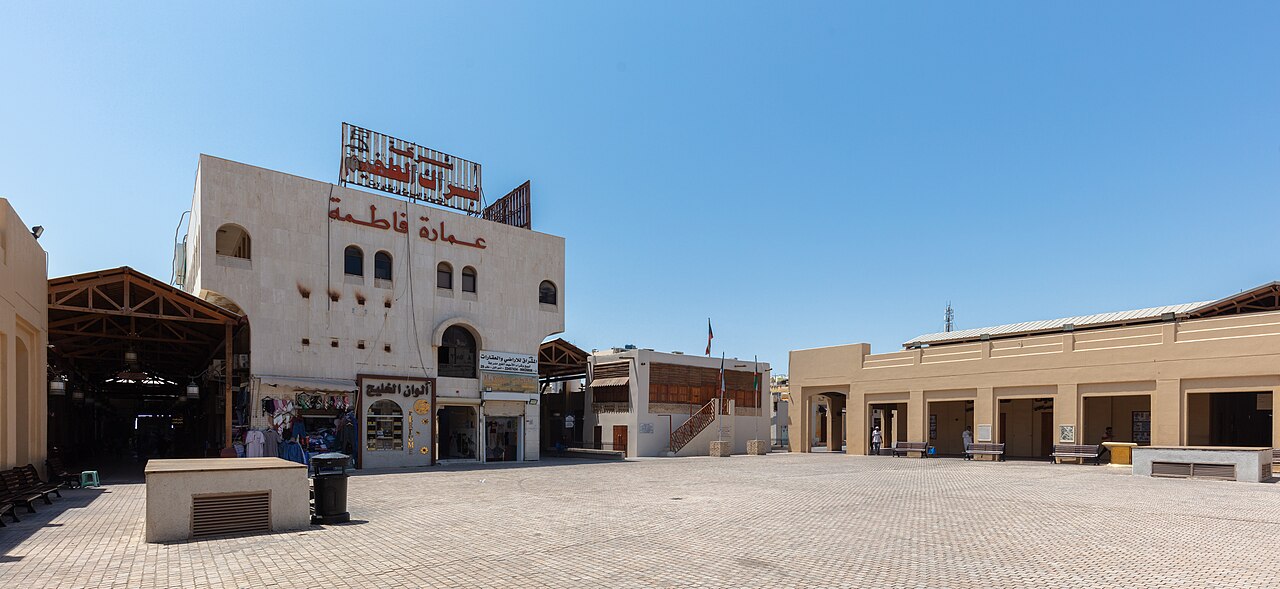
Keep your voice low, do not walk in front of people praying, and ask before photographing anyone. Photography of the building itself is usually allowed.\n\nIt makes sense to treat the mosque as the cultural anchor of a morning in the old centre. The Grand Mosque is a short drive from Kuwait Towers, Seif Palace and the Liberation Tower, and a few minutes from the lanes of Souq Al-Mubarakiya, which is better in the afternoon and evening once the heat eases.
Guided city tours often include a stop here, and a guide adds useful context on the building, on Kuwaiti society and on Ramadan and prayer customs. If you are visiting during Ramadan, expect different hours and a quieter, more devotional atmosphere, and plan around the evening iftar when many places reopen.
Allow an hour, more if you like architecture. It is free to enter, it is one of the few places in the Gulf where visitors can sit and simply look at a great interior for as long as they like, and it is the best single introduction to Kuwait's religious and architectural heritage.
What to expect
The experience
A guided or self-paced visit to the main prayer hall and courtyards, open to non-Muslim visitors at set hours with modest dress.
Best time
Morning visiting hours, outside prayer times. Avoid Friday prayers and check hours during Ramadan.
How long
About an hour, longer if you want to study the tilework and woodwork.
Tips
Cover shoulders and knees; women should bring a headscarf if possible. Remove shoes at the hall. Keep voices low and ask before photographing people.
Quick picks
- Best for
- Architecture lovers and first-time visitors who want to understand Kuwait's religious heritage.
- Families
- Suitable for older children who can be quiet and dress modestly; younger ones may find it long.
- Couples
- A quiet, beautiful interior and a good morning stop before lunch in the souq.
- Pair with
- Kuwait Towers, Seif Palace and the Liberation Tower nearby, then Souq Al-Mubarakiya.
- Time needed
- One hour including the walk through the courtyards.
Good questions
Can non-Muslims visit the Grand Mosque?+
Yes, at set visiting hours outside prayer times, with modest dress. Check current hours before you go.
What should I wear?+
Cover shoulders and knees with loose clothing. Women should carry a headscarf; the mosque can often provide one at the entrance.
Is there an entry fee?+
Entry is free. Guided city tours that stop here charge for the tour, not for the mosque.
Is photography allowed?+
Generally yes for the building, but not during prayer and never of people without asking.
When is it closed?+
Around prayer times and on Friday it is closed to sightseeing. Hours also change during Ramadan, so confirm first.