What Leavenworth is
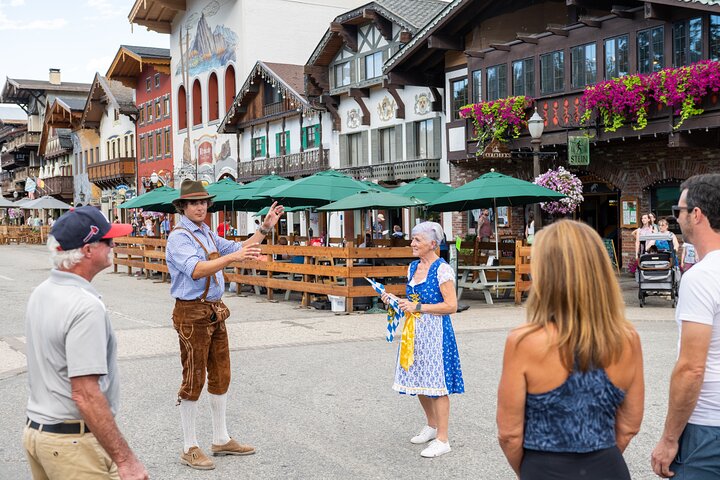
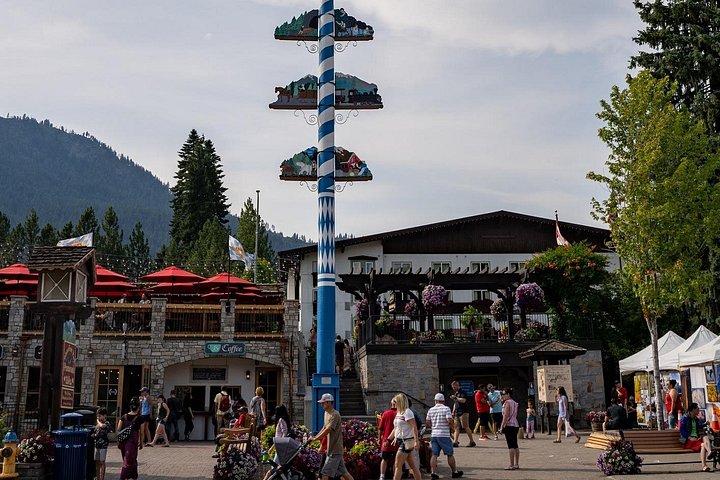
Leavenworth is a small town of a couple of thousand people on the eastern slope of the Cascade Mountains in central Washington, and it looks like a village in the Bavarian Alps. Half-timbered facades, painted shutters, flower boxes, clock towers and alpine lettering line the main street, and the mountains rise on every side. The look is deliberate. The town began as a railroad and lumber community, and when the railway moved its route and the mills closed, local people decided in the 1960s to rebuild around a Bavarian theme and attract visitors. It worked, and today the village is one of the most visited small towns in the state.
Getting there
The town sits roughly two hours by road from Seattle, most commonly via US 2 over Stevens Pass, which is scenic but can be slow or restricted in winter storms. Check conditions before you leave in the colder months and carry traction devices when required. Wenatchee, the nearest city, is about forty minutes down the valley, and the drive from there follows the Wenatchee River. Once you arrive, the village core is compact and walkable, so park once and explore on foot. On festival weekends, parking becomes the main challenge, so arrive early or stay within walking distance.
How the area is laid out
Think of three zones. The village centre, around Front Street and the central park, holds the shops, restaurants, tasting rooms and museums. The river and its parks lie along the edge of town, a short walk from the centre, and offer picnics, paths and rafting. Beyond the village lie the mountains, reached by Icicle Road to the west, which leads to trails, creeks and campgrounds, and by US 2 to the north-west, which leads through Tumwater Canyon to Lake Wenatchee. Most visitors spend a day or two in the village and a day in the mountains.
What to do first
Start with an orientation walk. A guided historical tour or the self-guided audio walk shows how the village is arranged and explains the story behind the architecture. Follow it with the Nutcracker Museum, a stroll in the park and a lap of the river path. Then decide how much of the remaining time to spend on food and drink, which is a big part of the appeal, and how much outdoors. If you enjoy walking, the Icicle Gorge Nature Trail is the best easy hike nearby, and rafting on the Wenatchee River suits those who want something wetter.
When to go
Leavenworth is a four-season destination, and each season has a character. Winter is the headline: the Christmas lighting festival turns the village into a glowing storybook, and snow brings snowshoeing and sledding. Spring has high rivers, green hillsides and fewer crowds. Summer is warm and dry, with hiking, swimming, rafting and outdoor concerts. Autumn offers golden foliage and Oktoberfest, when the village fills with music and beer tents. The busiest times are the lighting weekends in December and the October festival weekends, when lodging sells out far ahead and prices rise.
Weather and dress
Mountain weather changes quickly. Summers can be hot and dry in the valley with cooler evenings, while winters are cold, with snow on the ground for long stretches. Dress in layers, bring sturdy shoes with good grip and carry rain protection in spring and autumn. Sun is strong at altitude, so sunscreen and sunglasses matter even in winter, when snow reflects light.
What to book ahead
Lodging is the first priority, particularly for festival weekends, followed by dinner reservations at popular restaurants and any guided tours, wine tastings or rafting trips. Walking and shopping do not need planning, but small-group experiences such as the Christmastown tour or the sommelier tasting sell out. If you travel midweek or in the quieter months, you can often arrange things at short notice.
Making it a good trip
Do not try to see everything. Pick a pace that mixes village time with a morning or afternoon in the mountains, and leave some time simply to sit in the park, watch the river and enjoy the setting. Bring a reusable water bottle and a small daypack, and treat the shops as part of the experience, since many of the businesses are family owned and sell crafts, food and gifts that reflect the local character. With a little planning, a first visit can feel relaxed rather than rushed, and most visitors leave already thinking about the season they would like to return for.