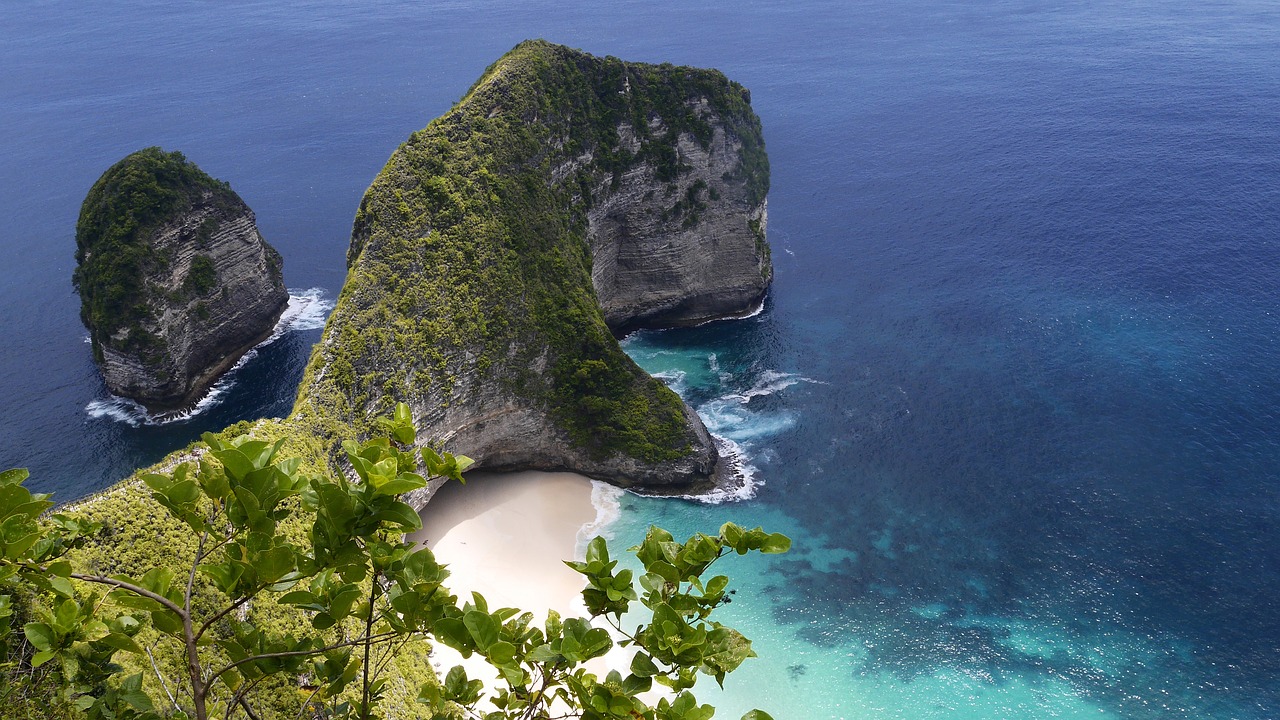
El Matador is the beach the photographs promised: the most dramatic of Malibu's pocket coves (one of the three Robert H. Meyer Memorial state beaches with El Pescador and La Piedra — El Matador is the star), where a bluff-top lot and a steep staircase-and-trail descent deliver you to a small golden crescent studded with the coast's best rock architecture: sea stacks rising from the surf, wave-cut arches you can frame the sunset through, caves that open at lower tides, and the kelp-strewn boulders that turn every golden hour into the city's open-air portrait studio (engagement shoots, quinceañeras, and album covers share the sand nightly — the light here is the industry's worst-kept secret). The wildness is the value and the caveat in one: no lifeguards on regular duty, real surf and rip currents (this is a look-and-wade beach more than a swim beach — the open Pacific here means business), tides that swallow the cave-and-arch walkways (check the chart; low tide opens the full sculpture garden and the walk toward the neighboring coves, while high tide pins the beach to its crescent), and facilities at the primitive tier (the lot's portable units; pack in, pack out). The craft: arrive before 10 on weekends (the small lot fills and the highway shoulder follows), golden hour is the religion (arrive 90 minutes before sunset for the light's full arc — and know everyone else read the same advice; weekday sunsets breathe), low-tide afternoons for tidepools and cave passages, and layers always (Malibu's marine layer humbles summer evenings). Thirty-ish minutes past Santa Monica up the coast highway — the drive is the overture — with the Getty Villa en route composing the classic Malibu day.
The geology does the staging
The Monterey-formation bluffs erode into the stacks and arches at the cove's heart (the big arch is the postcard; the keyhole frames align variously by sand level — the beach literally recomposes seasonally as winter storms strip and summer rebuilds the sand), the caves at the north end open walkable at minus tides, and the boulder gardens' mussels-and-anemone tidepools reward the low-tide hour with actual marine life (look, do not pry). The three-cove system extends the connoisseur's visit: La Piedra and El Pescador (quieter sisters, own stairs, linked at low tide by the adventurous) share the bluff, and the low-tide walk between them is Malibu's best secret mile.
The photo economics, said plainly
El Matador at golden hour is a working studio — permitted shoots cluster the arch, tripods line the stacks, and the etiquette (share the landmarks, work around ceremonies, fly no drones — prohibited) keeps it civil; the counter-programming is the weekday sunset or the winter golden hour, when the light performs for dozens instead of hundreds. Swim honesty: strong shore break and rips with no guarded hours as the default — wading and tidepooling are the beach's modes; the surf belongs to experienced locals reading the day.
Practicals and fit
PCH at Encinal Canyon Road (the small pay lot plus highway-shoulder overflow — mornings win weekends), the stair descent's honest grade (sturdy footwear; the climb back is the workout), no reliable facilities beyond the lot, tide chart as the planning document. The fire note parallels the Villa's: the 2025 Palisades fire reshaped stretches of the Malibu corridor — the coves endure, access and services along PCH have phased; check current conditions when planning. Fit: couples and photographers categorically (the coast's definitive golden hour), tidepool families at low-tide middays (with surf respect), and every itinerary's Malibu day — Villa culture, Matador sunset, the highway home with the windows down.
What to expect
The experience
A bluff staircase down to Malibu's sculpted cove — sea stacks, arches, low-tide caves and tidepools — the coast's definitive golden-hour beach, kept wild and facility-light.
Best time
Ninety minutes before sunset for the light's arc (weekdays breathe); minus tides open the caves and the walk to the sister coves; before 10 for weekend parking.
How long
Two to three hours, tide-planned.
Tips
The tide chart is the itinerary — low tide is a different, better beach. Real surf, no guards: wade and tidepool, swim only if you read water. The stair climb back is the workout; carry light.
Quick picks
- Best for
- The golden hour the city's portfolios are made of — Malibu's sculpture-garden cove.
- Families
- Low-tide middays for tidepools and arches, with firm surf respect — not the swim-lesson beach.
- Couples
- Sunset through the arch is LA's engagement-photo cliché because it earns it nightly.
- Pair with
- The Getty Villa down the highway — culture then cove is the classic Malibu day.
- Time needed
- One tide-timed golden hour.
Good questions
Why this beach over Zuma or Santa Monica?+
The architecture — stacks, arches, caves in one pocket crescent — and the light that made it the coast's portrait studio. The famous flat beaches swim better; nothing photographs like Matador.
Can we swim?+
Honestly: this is a wade-and-tidepool beach — open-Pacific shore break and rips without regular guards. The surf belongs to locals reading the day.
What does the tide change?+
Everything — minus tides open the caves, the full sculpture walk, and the passage toward La Piedra and El Pescador; high tide pins you to the crescent. Check the chart before driving.
How bad is parking?+
The small pay lot fills by mid-morning weekends with highway-shoulder overflow after — early arrivals and weekday sunsets dissolve the problem.
Anything to know post-fire?+
The 2025 Palisades fire reshaped parts of the Malibu corridor — the coves endure, but PCH access and services have phased; check current conditions the week you go.